POSTS
THE KNIGHT HOSPITALLERS IN HAMPSHIRE
AT WOODCOTT, GODSFIELD & BADDESLEY – MARCH 2026
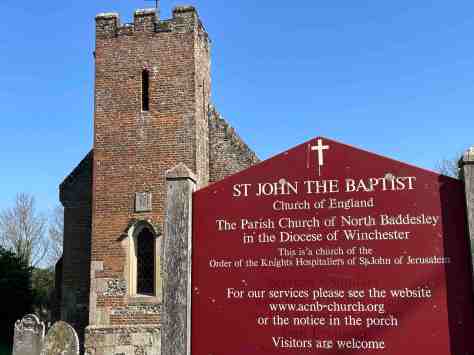
The Knights Hospitallers, or Order of St John of Jerusalem, established a significant presence in Hampshire during the medieval period, managing a network of estates that supported their religious and charitable work.
One of their earliest centres was the commandery at Godsfield, founded through land grants in the 12th and 13th centuries. Here, a preceptor oversaw agricultural land, tenants, and local administration. The estate included several hundred acres, though much of it was of modest value. A chapel built of flint and stone in the later 14th century still survives today on private land, marking the site of the former commandery.
By 1365, the Hospitallers moved their administrative centre from Godsfield to North Baddesley, which became the principal commandery in the region. From here, the Order managed its Hampshire holdings more effectively, including surrounding manors and estates.
Among these was Woodcott, a smaller estate known as a camera. Unlike a commandery, Woodcott was not permanently occupied by brethren but was held in absentia and managed by an agent. It consisted of a modest dwelling, farmland of limited quality, and an appropriated chantry, and was leased out to generate income for the Order.
Together, Godsfield, Baddesley, and Woodcott illustrate the range of Hospitaller landholding in Hampshire—from active administrative centres to quieter income-producing estates. Following the dissolution of the Order in England in 1540, these properties passed into royal control, though traces of their medieval past remain in the landscape today.
To Learn More about the Knights Templars & Knight Hospitallers and their Commanderies at Godsfield & Baddesley Please read our blog page here
THE KNIGHTS HOSPITALLERS AND WEST PECKHAM PRECEPTORY, KENT
FEBRUARY 2026
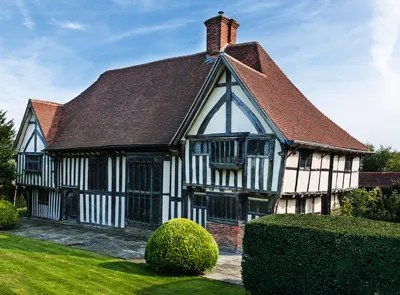
Tucked away in the Kentish countryside, the former preceptory at West Peckham—today known as Dukes Place—offers a rare glimpse into the English estates of the Knights Hospitaller. Though modest in scale, it played an important role in supporting one of medieval Europe’s most influential military-religious orders.
To Learn More about the Knights Templars & Knight Hospitallers and their Preceptory at West Peckham in Kent Please read our blog page here
The Knights Templar and Knights Hospitaller at Barston, Warwickshire
FEBRUARY 2026
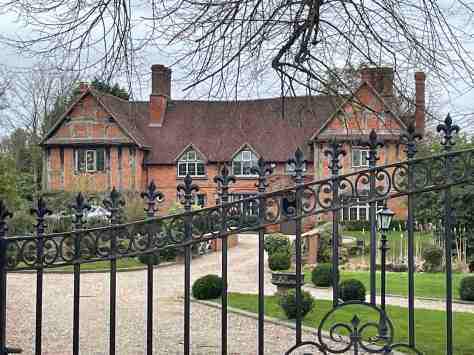
The quiet Warwickshire village of Barston, historically recorded as Berstanton, holds a remarkable medieval heritage. Situated in the hundred of Hemlingford, around twelve miles from Warwick and within the parish of Berkswell, this ancient settlement once lay within a landscape shaped by two of the most influential military-religious orders of the Middle Ages: the Knights Templar and the Knights Hospitaller.
Close to Temple Balsall, one of the most important Templar centres in England, Barston formed part of a wider network of estates that funded crusading activity and religious life. By at least 1185, the manor of Barston had already been divided between the two orders, each maintaining lands and revenues there
To Learn More about the Knights Templars & Knight Hospitallers and their Preceptory at Barston inWarwickshire Please read our blog page here
ASLACKBY PRECEPTORY: ARCHITECTURE, LANDSCAPE, AND DAILY LIFE IN GREATER DEPTH
FEBRUARY 2026
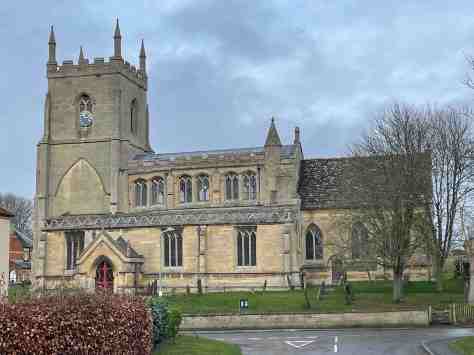
Aslackby Preceptory was not just an administrative outpost of the Knights Templar—it was a carefully designed religious, agricultural, and symbolic landscape. Although much of the site has vanished above ground, surviving records, comparisons with other Templar houses, and archaeological clues allow us to build a much richer picture of what once stood here.
To Learn More about the Knights Templars and their Preceptory at Aslackby in Lincolnshire Please read our blog page here
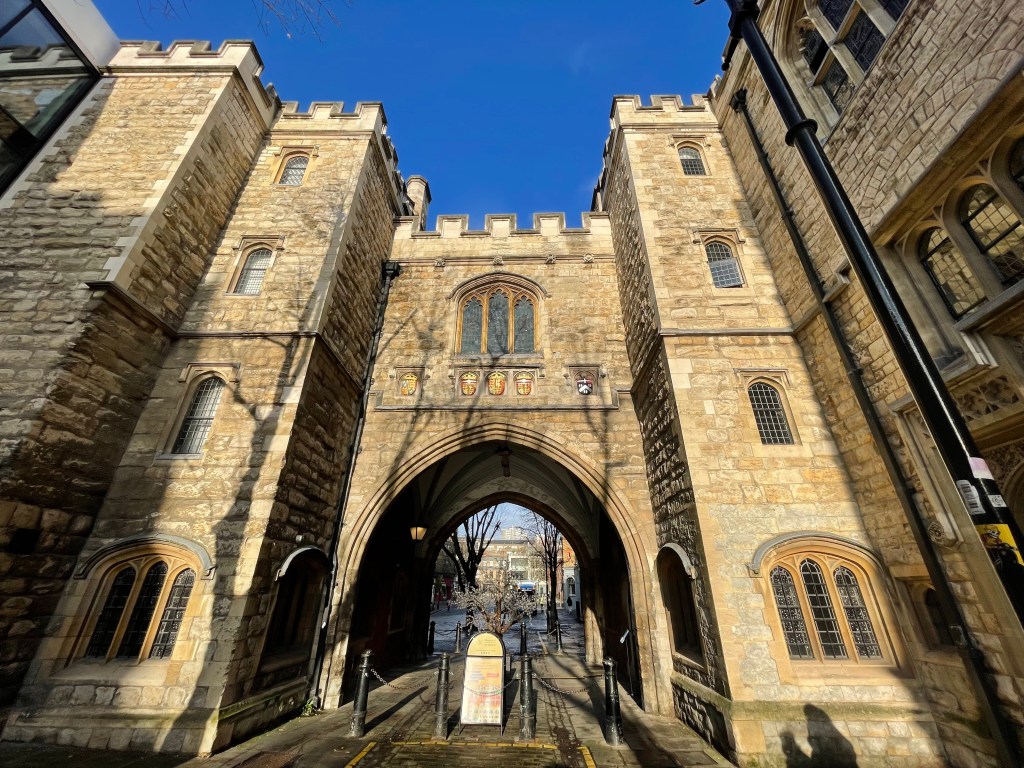
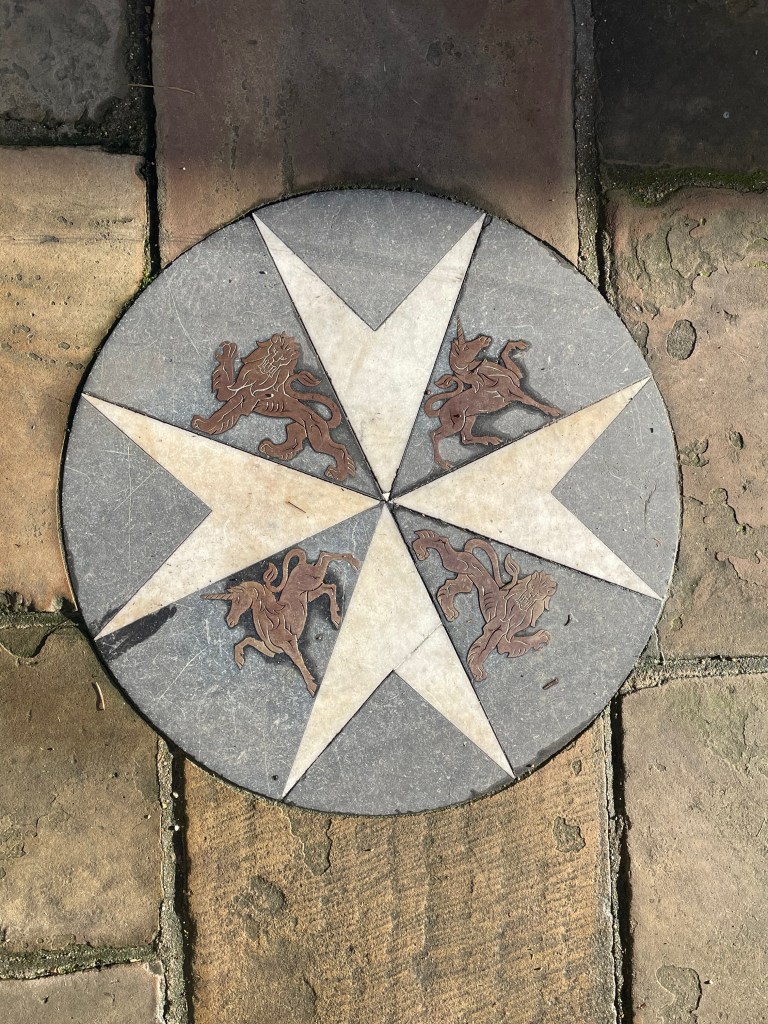
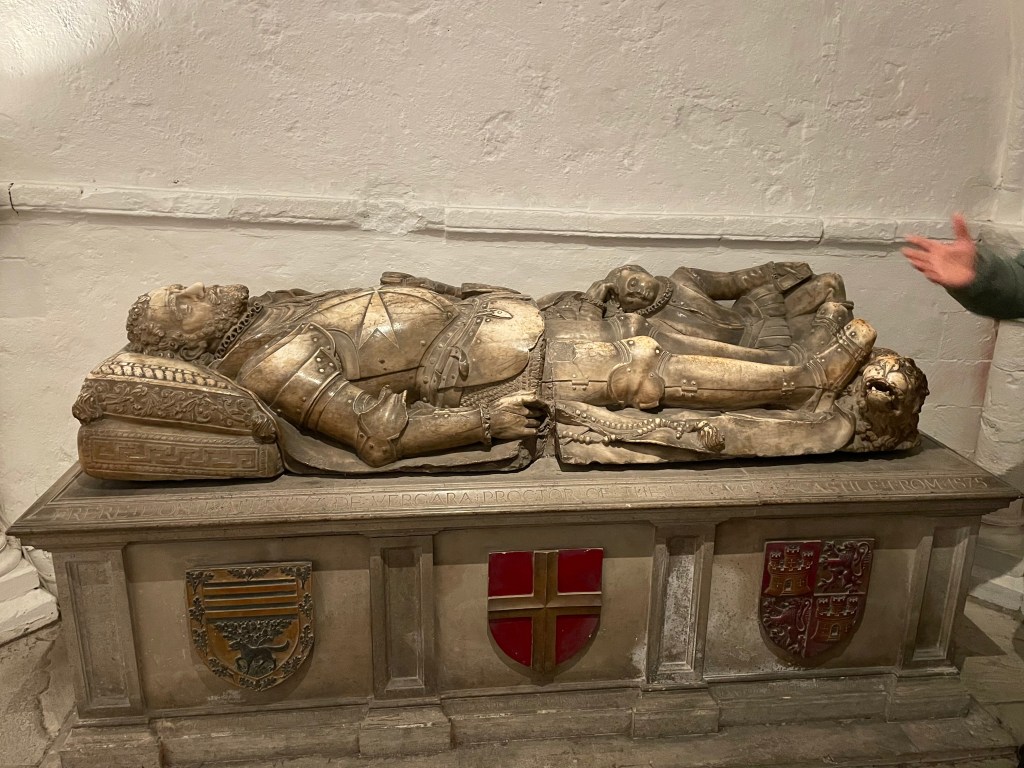
THE KNIGHTS HOSPITALLERS AT CLERKENWELL: ENGLAND’S MEDIEVAL HEADQUARTERS OF THE ORDER OF ST JOHN

JANUARY 2026
In the Middle Ages, long before Clerkenwell became part of the dense urban fabric of London, it was the headquarters of one of the most powerful religious and military orders in Europe: the Knights Hospitallers of St John of Jerusalem.
Founded during the Crusades, the Hospitallers began as a charitable brotherhood dedicated to caring for sick and injured pilgrims travelling to the Holy Land. As conditions grew more dangerous, the Order gradually took on a military role, defending Christian territories while never abandoning its core mission of hospitality and medical care.
To Learn More about the Knights Hospitallers and their Headquarters at Clerkenwell London Please read our blog page here
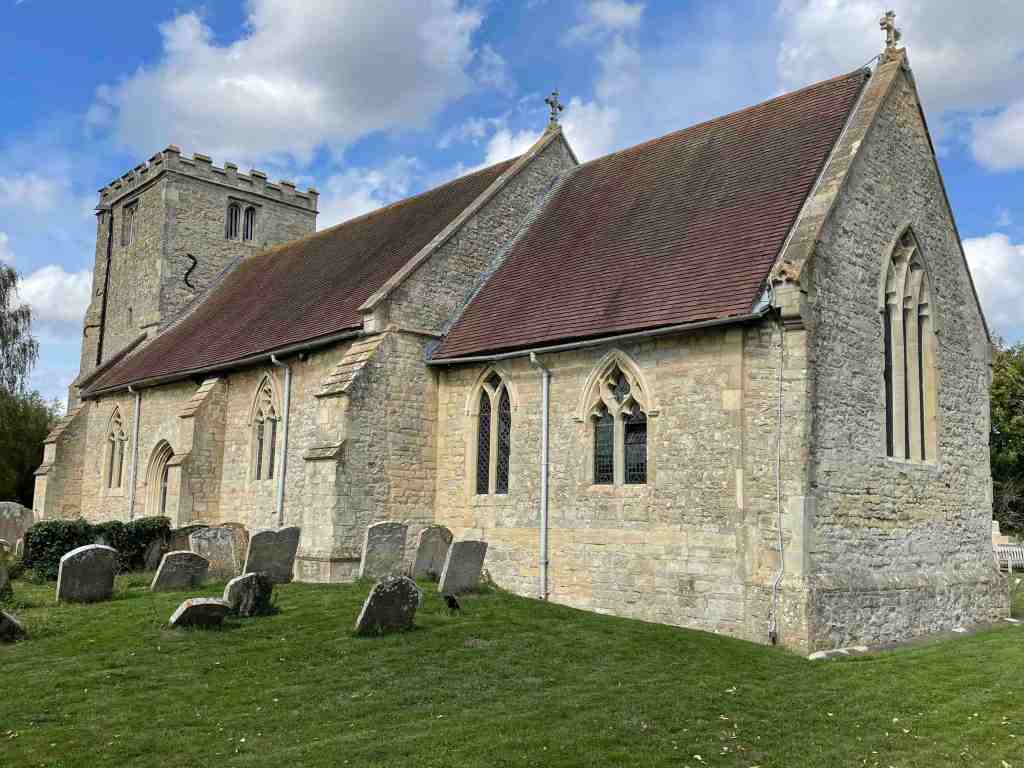
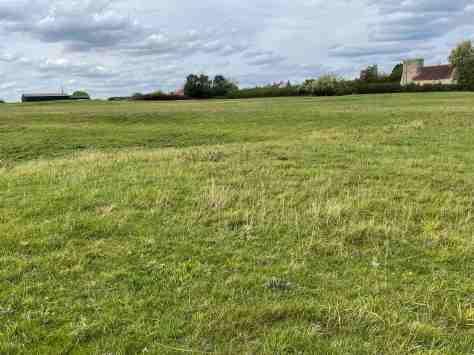
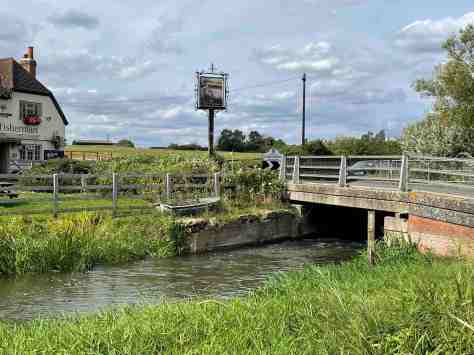
SHABBINGTON AND THE KNIGHTS HOSPITALLERS: A MEDIEVAL LEGACY IN BUCKINGHAMSHIRE
DECEMBER 2025
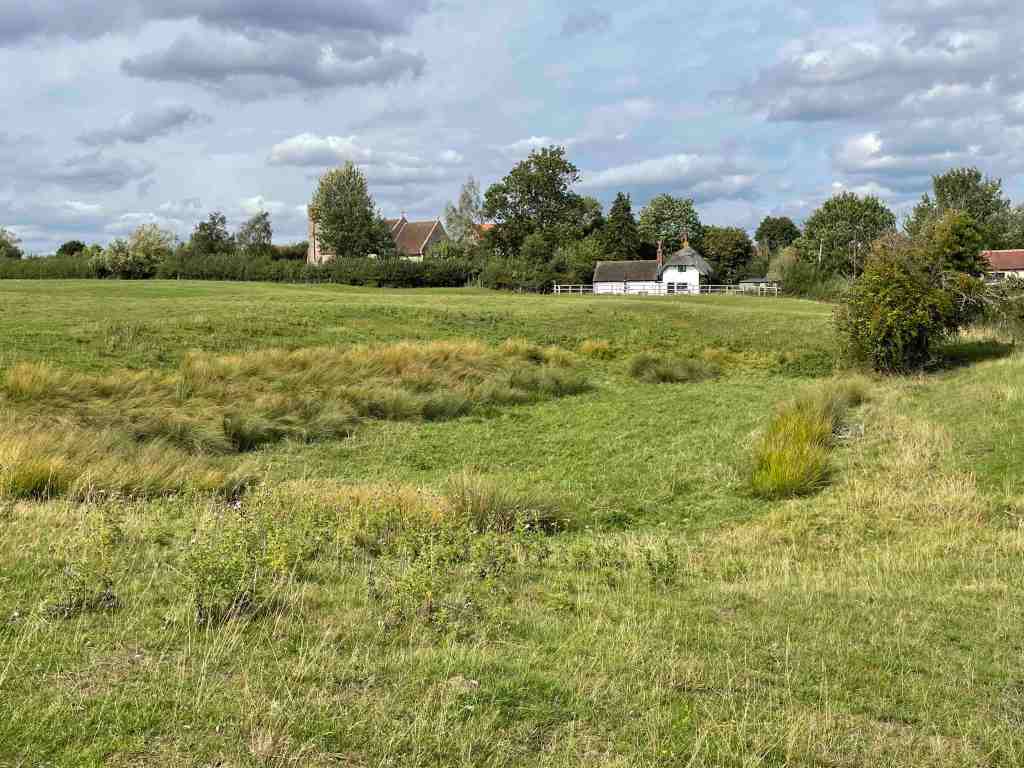
Shabbington, a historic manor in Buckinghamshire, has a fascinating connection to the Knights Hospitallers of St John of Jerusalem. In the reign of Edward I, Joan de Grey, widow of Robert de Grey, received royal licence on 18 April 1299 to grant the manor of Shabbington to the Hospitallers. This licence allowed the Order to hold the estate in perpetuity, providing resources to support their religious and charitable work, including the care of the sick and poor, both in England and in the Holy Land
Learn More about the Knights Hospitallers Lands and Camera at Shabbington by clicking here
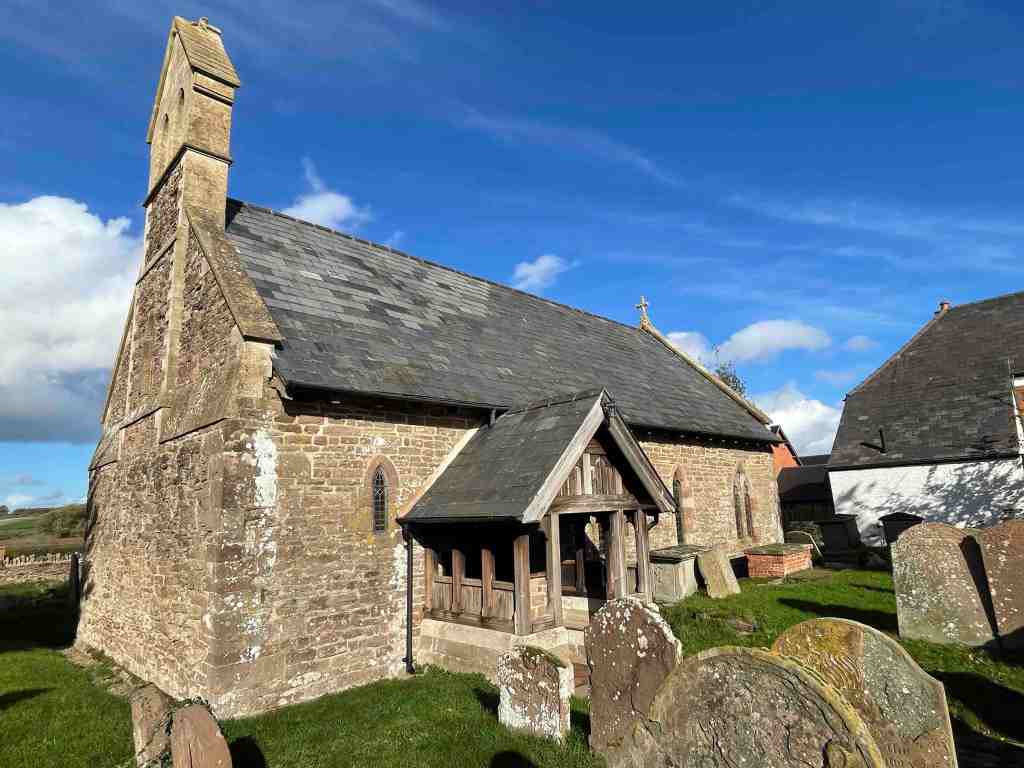
TEMPLAR AND HOSPITALLER LANDS IN HEREFORDSHIRE: THE HIDDEN COMMANDERIES OF FAITH AND POWER




NOVEMBER 2025
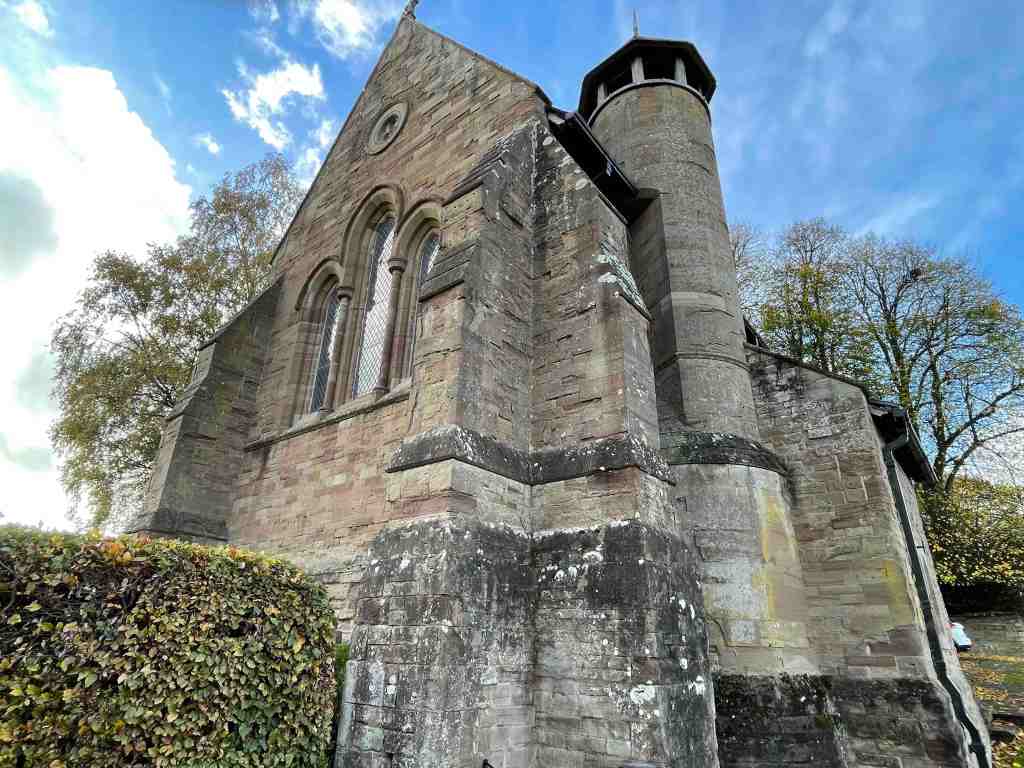
Across the rolling hills and wooded valleys of Herefordshire, traces of a once vast medieval network still lie quietly beneath the soil. From the commanding round church at Garway, to the rural holdings at Bosbury and the fortified house at Dinmore, the Knights Templar and later the Knights Hospitaller shaped both the landscape and the life of the county for more than two centuries. These were not isolated monasteries but active centres — commanderies and preceptories— managing farms, mills, and churches whose revenues supported crusader armies and hospitals in the Holy Land. Today, their memory lingers in place-names, field boundaries, and the ancient stonework of churches that once belonged to two of the most powerful orders of the Middle Ages.
Learn More about the Knights Templars, and Knights Hospitallers Lands and Cameras linked to the Preceptories and Commanders of Garway, Dinmore and Upleadon in Herefordshire further on our main website by clicking here
THE KNIGHTS TEMPLARS AND THE LOST BAILIWICK OF OGERSTAN



OCTOBER 2025
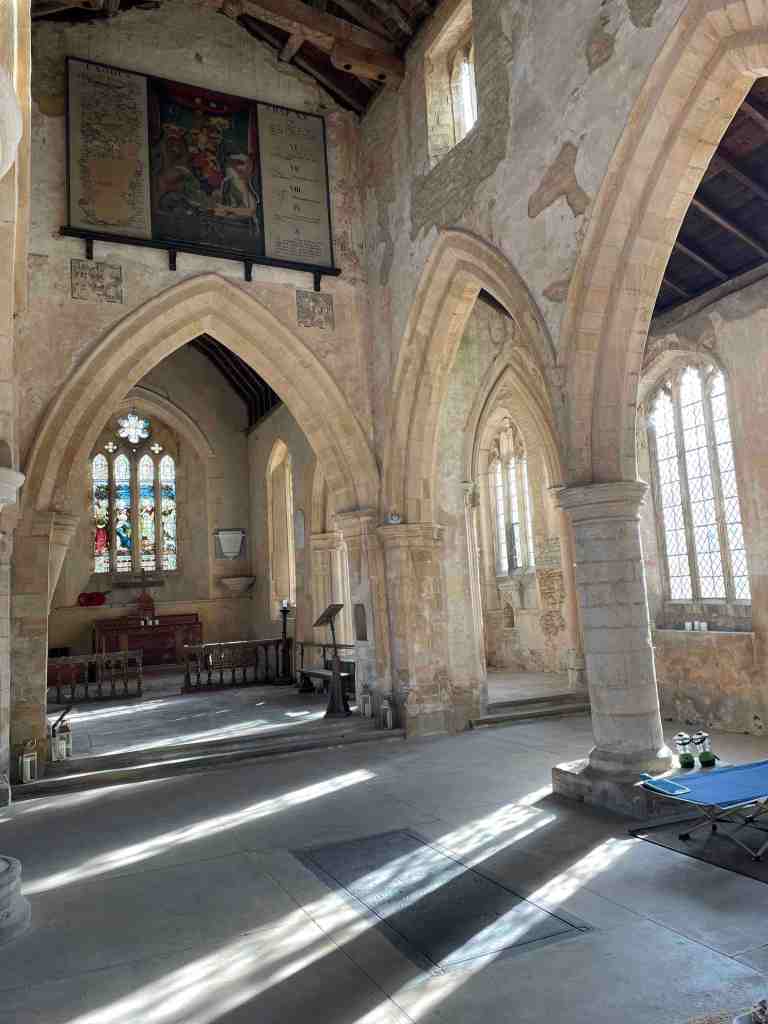
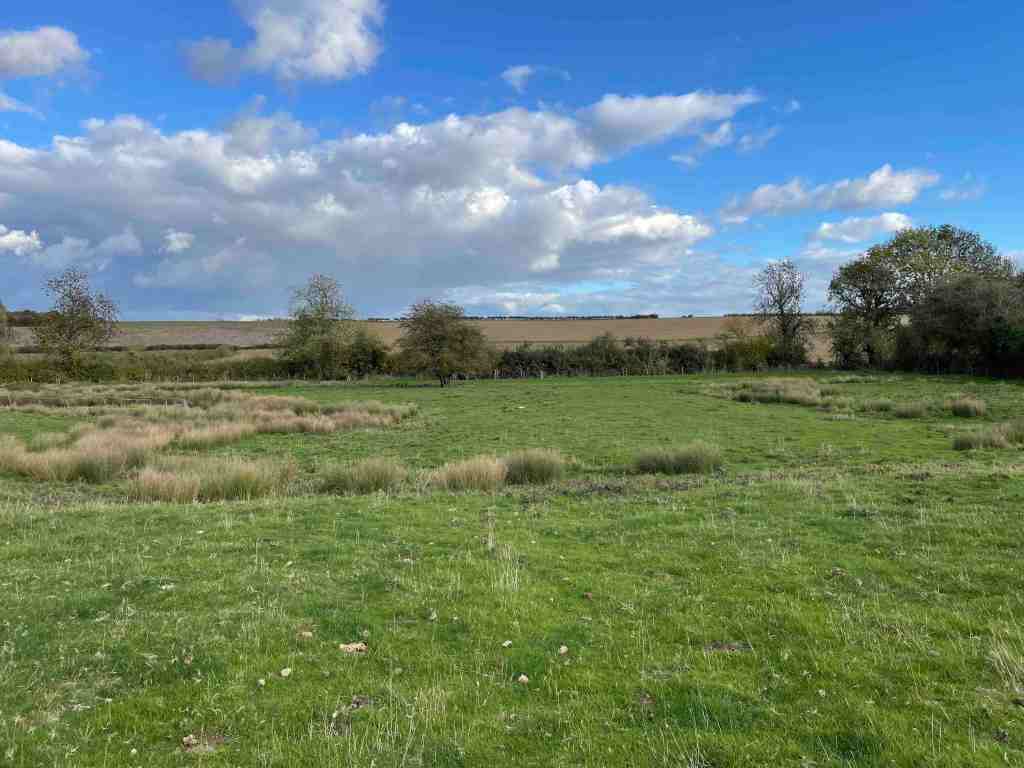
Hidden beneath the quiet fields and woodlands of Huntingdonshire lies the faint memory of a vanished medieval village — Ogerstan, or Ogerston, once the administrative heart of the Knights Templar estates in this region. Though its name has faded from maps and local memory, Ogerstan once stood at the crossroads of medieval piety, feudal power, and the Templars’ remarkable network of landholdings.
To Learn More about the Knights Hospitallers and the Bailiwick of Ogerstone on the Northamptonshire/Cambridgeshire Border – Please read our blog page here
TEMPLE GRAFTON: A HOSPITALLER LEGACY — NOT TEMPLAR
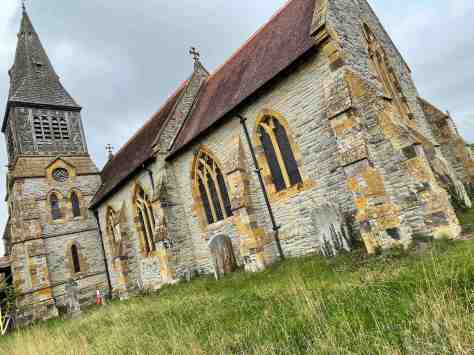
Despite its name, Temple Grafton was never home to the Knights Templar. The “Temple” prefix is a misnomer, born from a clerical error in 1535. The true medieval legacy of this Warwickshire village belongs instead to the Knights Hospitaller of St John of Jerusalem — a powerful military and religious order dedicated to caring for the sick and defending the Christian faith.
Learn more about the Knights Hospitallers at Temple Grafton, and the Village of Grafton blog visit by clicking here
The Knights Templar and the Hamlet of Temple, Cornwall
A Sacred Outpost on Bodmin Moor

SEPTEMBER 2025
Amidst the windswept wilds of Bodmin Moor lies the tiny and isolated hamlet of Temple—a place whose name, landscape, and history are forever tied to the presence of the Knights Templar in medieval Cornwall.
This remote settlement, though small, played a significant role in the Templars’ operations in the far southwest of Britain. Along with Trebeigh Manor near St Ive, Temple formed part of the Templar Preceptory of Trebeigh, a regional estate that combined religious function with land management and economic activity.
Learn more about the Knights Templar in Cornwall, and the Hamlet of Temple blog visit by clicking here
SIR JOHN LANGSTROTHER – GRAND PRIOR OF THE KNIGHTS HOSPITALLER AND THE BLOODY AFTERMATH OF TEWKESBURY
AUGUST 2025
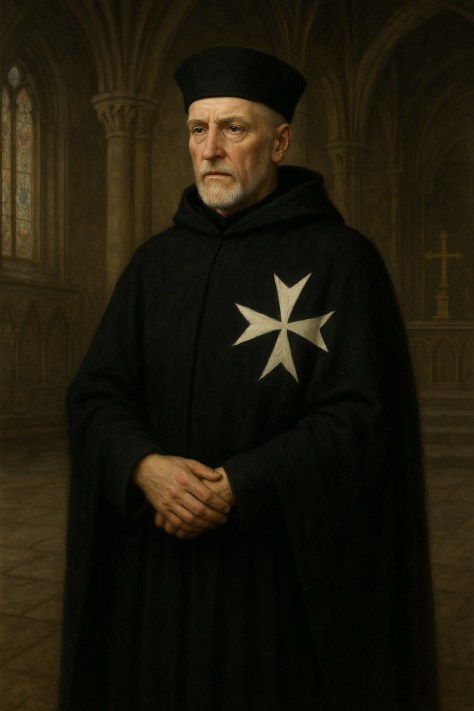
In the tapestry of the Wars of the Roses, some figures are remembered as kings, others as traitors, and a few as men caught between sacred vows and political storms.
Sir John Langstrother was one such man — a knight of the Order of St John of Jerusalem, a trusted royal officer, and a loyal servant of the House of Lancaster, whose life ended brutally in the marketplace of Tewkesbury.
Learn more about Sir John Langstrother, Grand Prior of the Knights Hospitaller and his execution in Tewkesbury by reading our complete blog visit by clicking here
THE LEGEND OF THE CRUSADER KNIGHT, THE SWAN, AND WOLVERLEY, WORCS.

AUGUST 2025
In the 14th century, the quiet Worcestershire village of Wolverley, near Kidderminster, was home to Sir John Attwood. His family had once borne the Norman name De Bois, but like many of their class, had anglicised it in time. Sir John held the manor of Wolverley and lived there in comfort with his wife.
Like many knights of his age, he answered the call of the Crusades, leaving his wife to manage the manor while he took the cross. But his campaign was ill-fated. Captured by Saracen forces, Sir John found himself held for ransom — a price he could not afford to pay
Learn more about the Legend of the Returning Knight and the Swan of Wolverely Northamptonshire, by reading our complete blog visit by clicking here
THE TRIANGULAR LODGE AT RUSHTON: FAITH IN STONE
AUGUST 2025
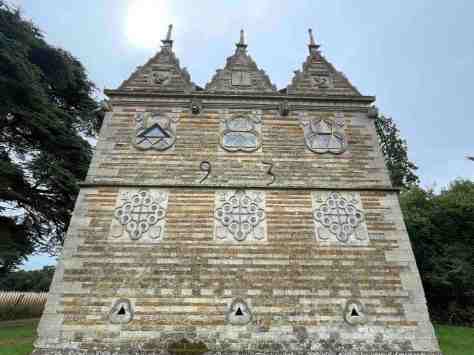
In the quiet fields of Northamptonshire stands one of England’s most unusual monuments: the Triangular Lodge at Rushton, built between 1593 and 1597 by Sir Thomas Tresham. At first glance, it looks like an eccentric folly. In reality, it is a coded declaration of faith and a defiant act of devotion.
Learn more about the Triangle Lodge in Ruston Northamptonshire, The links to the Knights Hospitallers and the Gunpowder plot by reading our complete blog visit by clicking here
THE KNIGHTS TEMPLAR LEGACY OF TEMPLE CLOUD AND CAMELEY

JULY 2025
Tucked away in the rolling Somerset countryside lies the quiet village of Cameley, nestled alongside the Cam Brook and close to the evocatively named Temple Cloud—a name that hints strongly at a medieval Templar presence. These small villages hold within them layers of English history, with intriguing links to the powerful and mysterious Knights Templar.
Learn more about the Order of St John, The Knights Hospitallers in Wales and the Gower Pilgrimage by reading our blog by clicking here
IN THE FOOTSTEPS OF THE KNIGHTS HOSPITALLERS: RYTON-ON-DUNSMORE’S FORGOTTEN CRUSADING PAST
JULY 2025
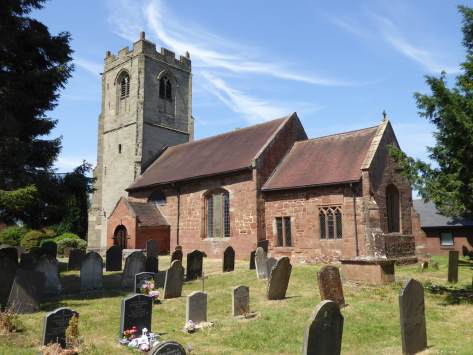
Tucked away in the heart of Warwickshire lies the quiet village of Ryton-on-Dunsmore — a place where few today would guess at its deep medieval connections to one of the most powerful military-religious orders of the Crusading age: the Knights Hospitallers.
Though little is recorded in mainstream history books, Ryton-on-Dunsmore once held a significant estate of the Hospitallers. This knightly order, founded to provide care for sick pilgrims in the Holy Land, eventually became a military force defending Christian interests across Europe and the Middle East. Their presence in Ryton is now a silent echo — but the clues remain if you know where to look.
Learn more about the Order of St John, The Knights Hospitallers in Wales and the Gower Pilgrimage by reading our blog by clicking here
Walking with Purpose: The Gower Pilgrimage and Its Medieval Roots
June 2025
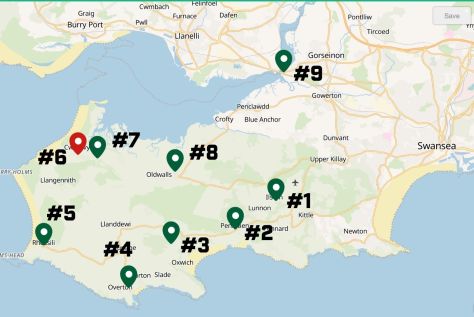
The Gower Pilgrimage is a historic spiritual journey that winds through the breathtaking landscapes of the Gower Peninsula in South Wales. In medieval times, pilgrims would have undertaken this route as an act of devotion, penance, or in search of healing, often traveling to sacred sites such as churches, holy wells, and relic shrines believed to hold miraculous powers. Remarkably, the pilgrimage links 17 ancient churches, nine of which were connected to the Knights Hospitallers and their nearby commandery at Slebech, a powerful medieval religious order known for their role in caring for pilgrims and the sick. For these early travelers, the pilgrimage was both a physical and spiritual journey—a chance to step away from everyday life, seek forgiveness, and draw closer to the divine.
Today, modern pilgrims can retrace these historic steps, visiting the churches that formed part of this meaningful route
Learn more about the Order of St John, The Knights Hospitallers in Wales and the Gower Pilgrimage by reading our blog by clicking here
THE KNIGHTS HOSPITALLERS AND THE COMMANDERY OF SLEBECH: A FORGOTTEN POWERHOUSE IN PEMBROKESHIRE

JUNE 2025
Tucked away in the heart of the stunning Pembrokeshire Coast National Park in Wales lies a place steeped in mystery, devotion, and medieval power—the Commandery of Slebech. Once the second wealthiest estate of the Knights Hospitaller in the United Kingdom, this serene riverside location was, in its time, a bustling centre of hospitality, faith, and military enterprise.
Learn more about the Order of St John, The Knights Hospitallers in Wales and Slebech by reading our blog by clicking here
Burton Lazars and the Leper Knights: The Forgotten Crusaders of Leicestershire

In the quiet countryside of Leicestershire, just two kilometres south of Melton Mowbray, lies the village of Burton Lazars. Today, it may seem a tranquil and unassuming place, but beneath its fields and earthworks lies the story of one of medieval England’s most remarkable institutions — the headquarters of the Order of St. Lazarus of Jerusalem in Britain.

Learn more about the Order of St Lazarus, the Lepers of Leicester and Leper Knights in Burton Lazars, Leicestershire by reading our blog on the sites by clicking here
The Knights Templar Graves at Inkpen Church: The Legacy of Sir Roger de Ingpen
JUNE 2025

Tucked away in the peaceful Berkshire countryside, the village of Inkpen may seem like just another quiet English hamlet — but beneath its tranquil surface lies a remarkable connection to one of the most legendary military orders of the medieval world: the Knights Templar.
A Village with Deep Roots
According to the Domesday Book of 1086, Inkpen was once divided into two manors — Eastcourt and Westcourt. Today, the historic heart of Westcourt is still visible in the old manor house that stands near the Church of St Michael. It is here, in the shadow of that ancient manor, that local legend tells the story of Sir Roger de Ingpen.


Learn more about the Knights Templar, and Knights Hospitallers in Inkpen, Berkshire by reading our blog on the Berkshire sites by clicking here
The Knights Hospitallers and Templars in Nottinghamshire: A Medieval Legacy
JUNE 2025

In medieval times, much of the Midlands was made up of small villages surrounded by open fields used for agriculture. By the 12th century, however, these areas had become densely populated, and both the Knights Templar and the Knights Hospitaller established estates across the region.
While the Templars held a few properties in the northern Midlands—including estates in Derby, Nottinghamshire, and Rutland—these were mostly managed from their preceptory in Lincolnshire. In Nottingham, for example, the Templars controlled a mill at Girton and a small tenement in Newark.
It was the Knights Hospitallers, however, who dominated the landscape in Nottinghamshire, holding the majority of estates such as Ossington and Winkburn, along with several churches linked to these holdings.
Learn more about the Knights Templar, and Knights Hospitallers in Nottinghamshire by reading our blog on the Nottinghamshire sites by clicking here
ECHOES OF THE CRUSADERS: THE KNIGHTS TEMPLAR AND KNIGHTS HOSPITALLERS IN ESSEX
MAY 2025
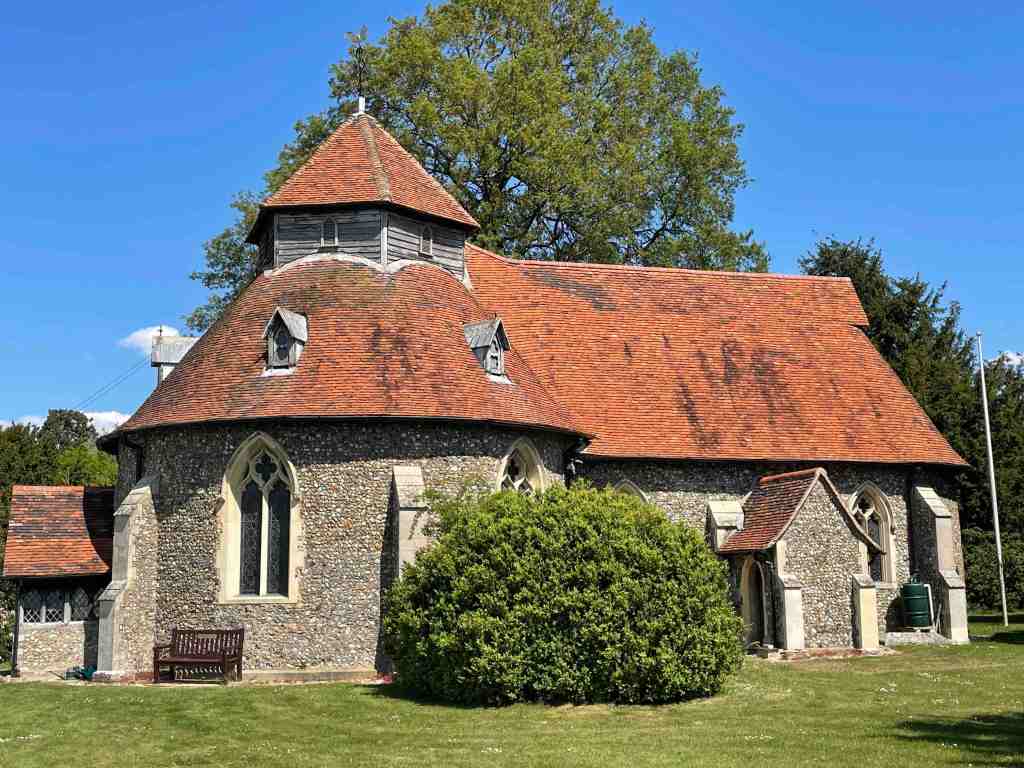
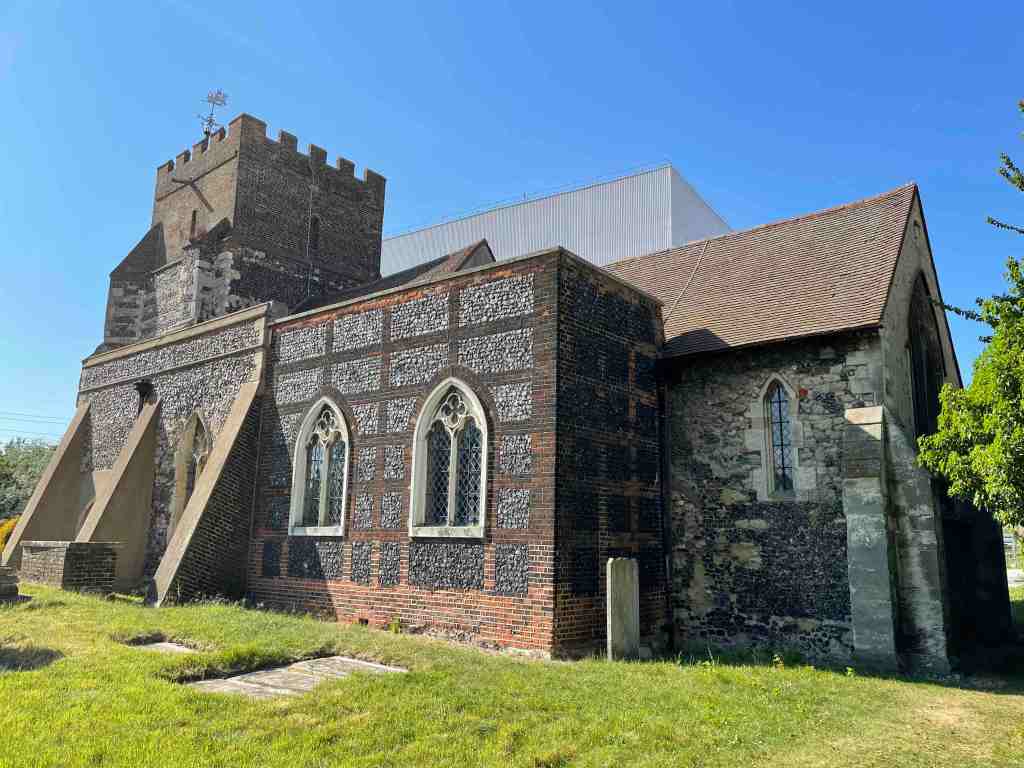

The county of Essex holds a deep and often overlooked connection to two of the most powerful military-religious orders of the medieval world: the Knights Templar and the Knights Hospitallers. Though both are more often associated with distant crusading campaigns in the Holy Land, their influence stretched across England—and Essex, in particular, was a vital stronghold in their extensive network.
From pioneering agricultural estates and defensive manors to founding some of the finest surviving medieval churches and barns in the country, the Templars and Hospitallers helped to shape the landscape, economy, and religious life of medieval Essex. Their legacy lives on today in hidden chapels, unusual architecture, and place names that still echo their spiritual and strategic power.
Learn more about the Knights Templar, and Knights Hospitallers in Essex by reading our blog on the Essex sites by clicking here
The Knights Hospitallers in Cambridgeshire: Guardians of Faith and Land
MAY 2025

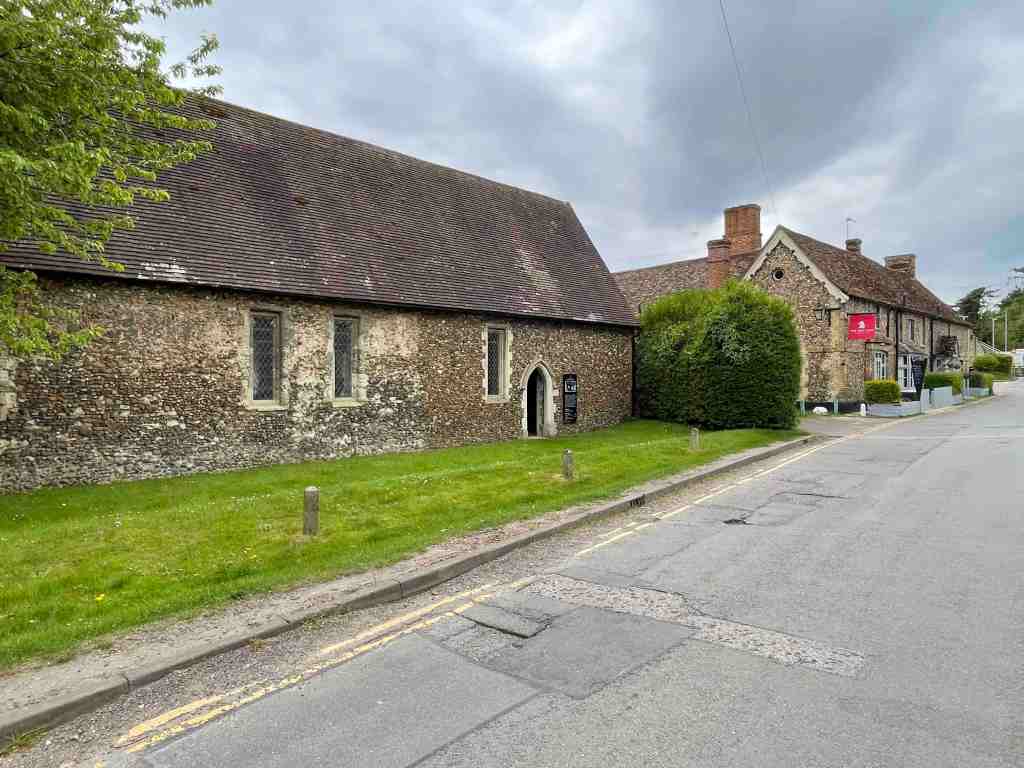
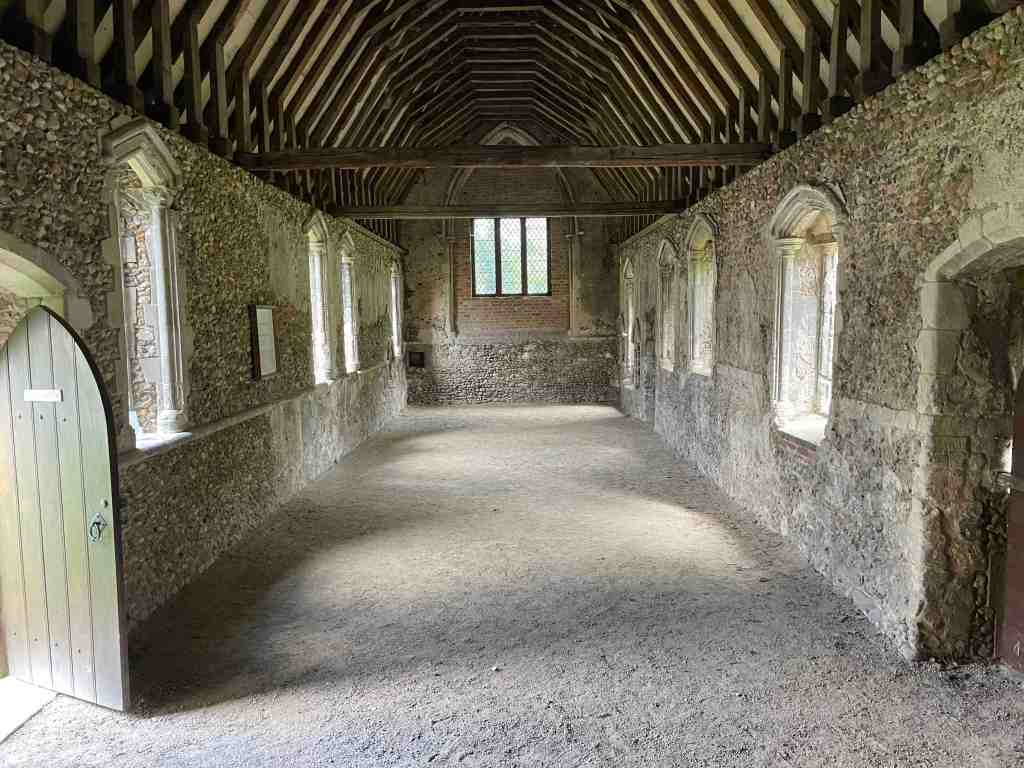
Tucked away in the rolling landscapes of Cambridgeshire lies a lesser-known chapter of medieval history—one tied to the powerful and enigmatic Order of the Knights Hospitallers. While the Knights Templar often steal the spotlight, the Hospitallers were equally influential in shaping both religious life and rural landscapes across medieval England, including right here in Cambridgeshire.
The Hospitallers in Cambridgeshire
Cambridgeshire hosted multiple Hospitaller sites, often gifted to them by nobles seeking to support the Crusades or secure spiritual merit. These estates were more than just religious outposts; they were working farms, providing income and resources to the Order.
Learn more about the Knights Hospitallers in Cambridge by reading our blog on the Cambridge sites by clicking here
UNEARTHING THE PAST: THE KNIGHTS HOSPITALLERS AT BEAUMONT LEYS
April 2025
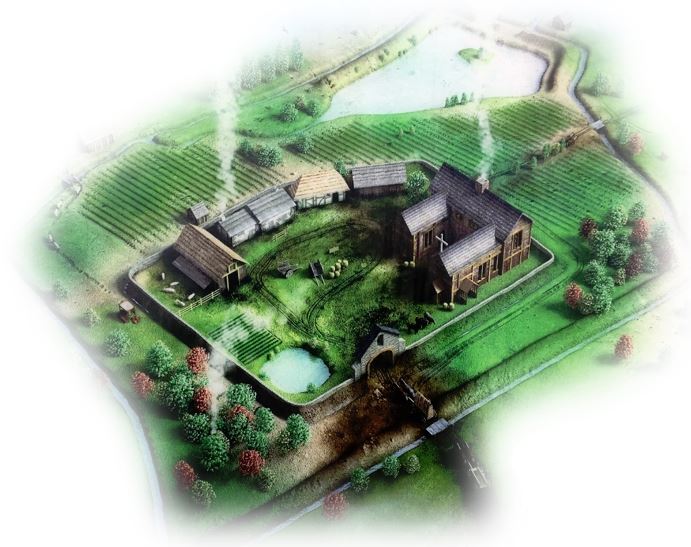
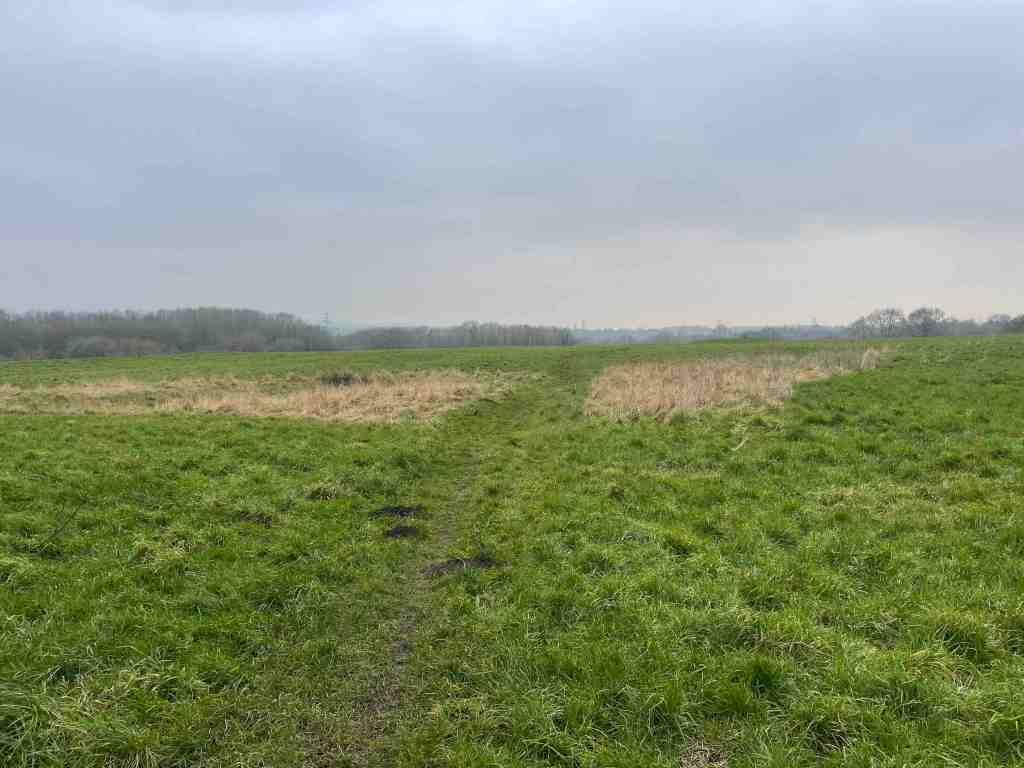
Tucked away in the modern landscape of Beaumont Leys, just northwest of Leicester, lies the remarkable story of a once-thriving medieval manor run by one of the most powerful military orders of the Middle Ages: the Knights Hospitallers.
The Knights Hospitallers, formally known as the Order of the Hospital of Saint John of Jerusalem, were originally founded to care for sick and poor pilgrims in the Holy Land. Over time, they became a formidable military and landowning force across Europe, and England was no exception. In the mid-13th century, Simon de Montfort, the 6th Earl of Leicester, granted the manor of Beaumont Leys to the order. They would hold the estate for more than two centuries, from around 1240 until 1482.
For our full blog on the Knights Templar & Hospitallers in Worcester Click Here
The Commandery: A Journey Through Worcester’s Medieval Heart
April 2025


Tucked just beyond the lively streets of modern-day Worcester lies a place steeped in centuries of history: Sidbury. At its heart stands the Commandery, a remarkable building that has witnessed nearly a thousand years of change.
Originally founded in 1085 by the Knights Hospitaller, the Commandery began life as a medieval monastic hospital. It offered shelter and hospitality to weary pilgrims and provided care and comfort to the sick. Overseen by a master, supported by chaplains and lay brothers, this hospital was one of many established by the Knights Hospitaller across Europe and beyond
For our full blog on the Knights Templar & Hospitallers in Worcester Click Here
The Knights Templar Chapel at Rothley: A Legacy Etched in Stone
April 2025


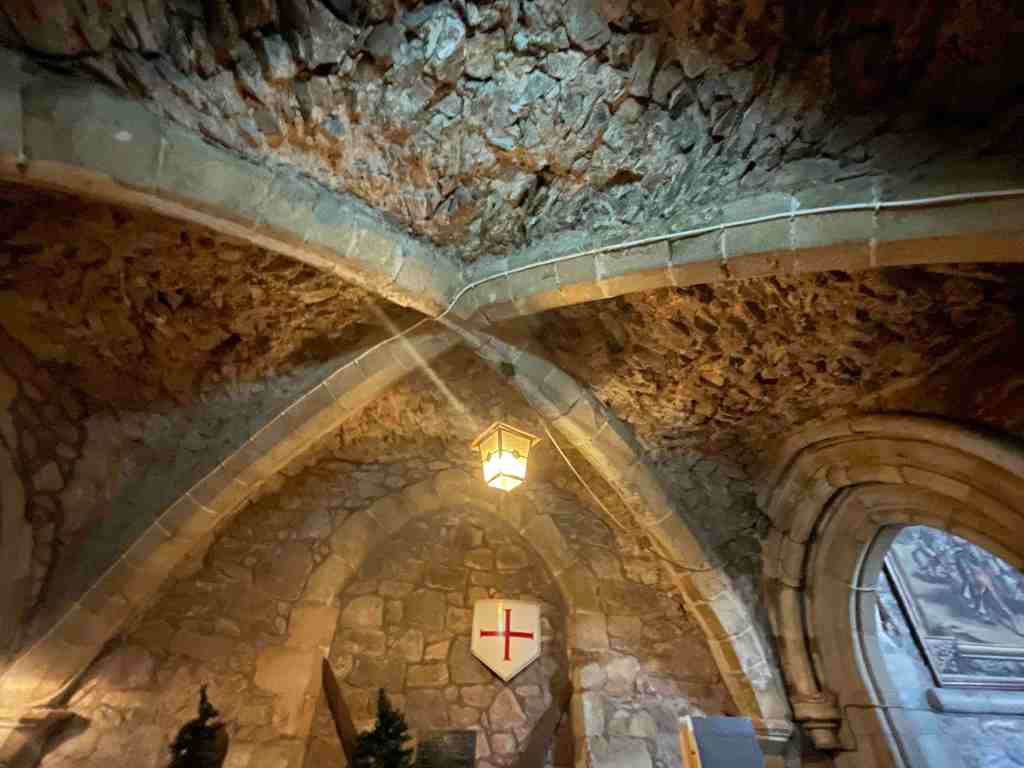


Tucked away in the charming village of Rothley, Leicestershire, the Chapel of the Knights Templar stands as a striking reminder of medieval England and the enduring legacy of the Templar Order. Now part of the Rothley Court Hotel, this historic chapel offers visitors an evocative glimpse into a world shaped by faith, power, and pilgrimage.
The Knights Templar had already established a presence in Leicestershire before acquiring lands in Rothley. In 1203, John de Harecourt granted them property here, and by 1228, King Henry III formally granted them the manor house. By 1231, the Rothley preceptory had grown into a significant estate, encompassing lands in thirteen neighboring settlements. It included several mills, large grazing pastures for sheep, five independent chapels, and local granges such as those at Baggrave and Gaddesby.
At its peak, Rothley Preceptory likely resembled the nearby Preceptory of Temple Balsall in both scale and function. In addition to the chapel and manor hall, it probably included a dormitory, stables, kitchen, storehouse, bakery, and brewery. The Templars were also granted the advowson (the right to appoint clergy) of the parish church of St Mary and St John the Baptist.
For our full blog on the Knights Templar & Hospitallers in Bristol Click Here
The Knights Templar in Bristol: A Legacy in Stone
April 2025


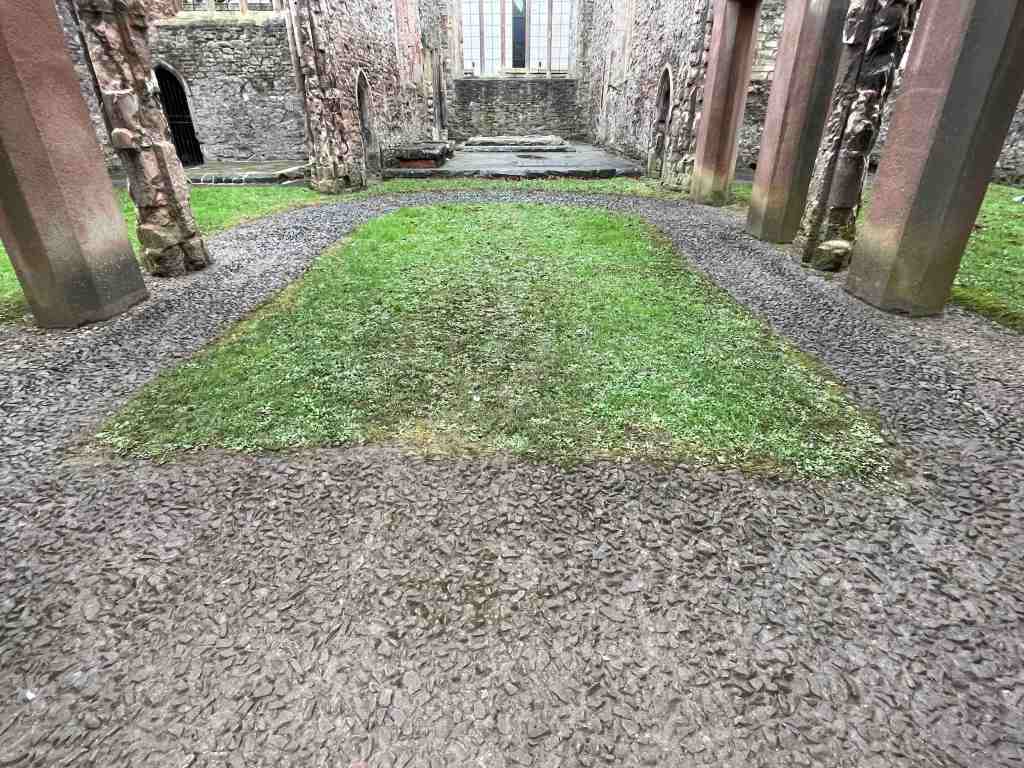

Tucked away in the Redcliffe area of Bristol lie the evocative ruins of the Church of the Holy Cross, once the base of the Knights Templar in the city. Although now a shell—damaged during the Bristol Blitz of World War II—the site remains rich in history. Excavations have revealed the footings of the original round Templar church, still visible today and offering a rare glimpse into their medieval presence.
For our full blog on the Knights Templar & Hospitallers in Bristol Click Here
BLOG PAGE – KNIGHTS HOSPITALLERS Coningsby Hospital: A Legacy of the Knights Hospitaller in Hereford

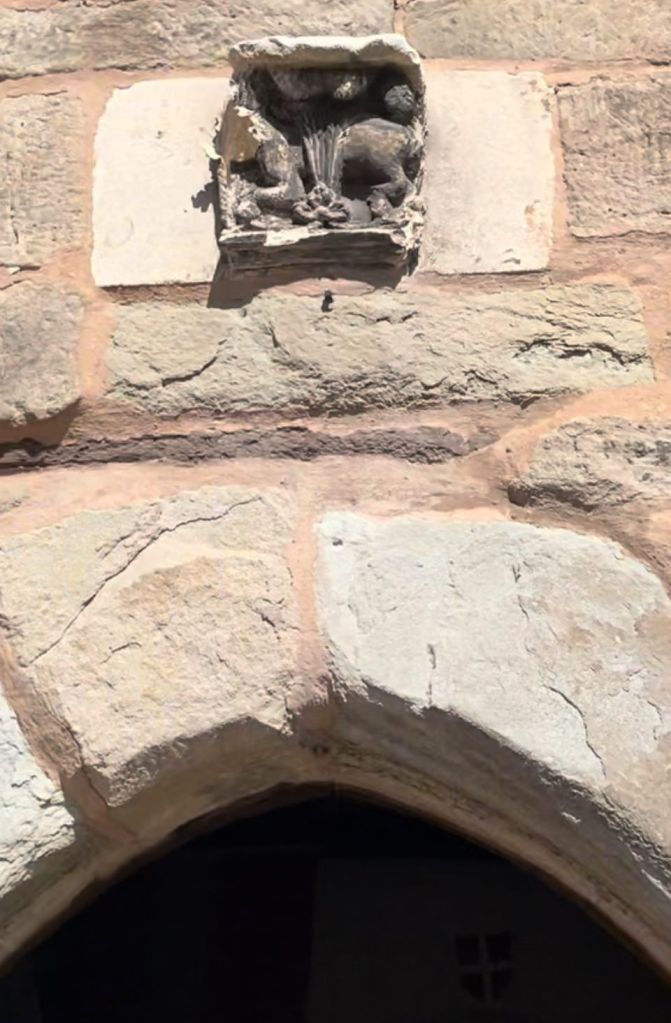
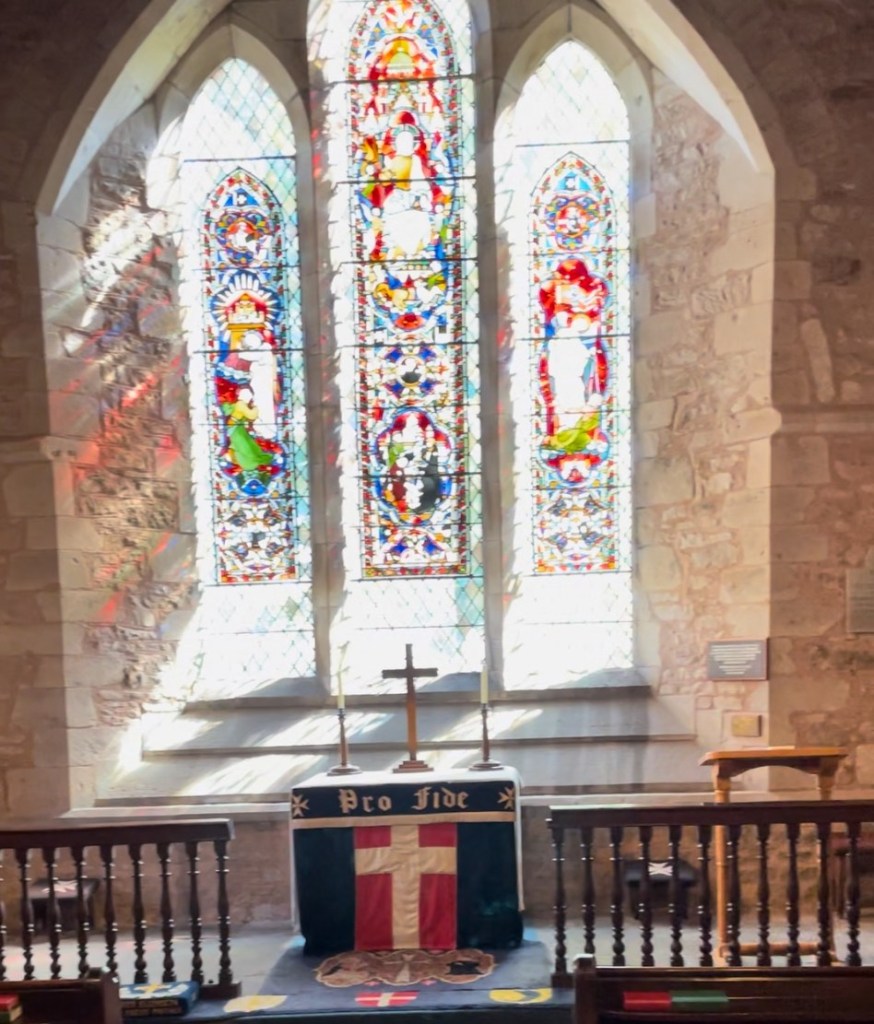


Tucked away just north of Hereford city centre, beyond the ancient Widemarsh Gate, lies a remarkable piece of medieval history — Coningsby Hospital. This quiet, atmospheric site once belonged to the Knights Hospitaller of St John of Jerusalem, a powerful military and religious order with deep ties to the Crusades and the Holy Land.
For our full blog on the Knights Of St John (The Knights Hospitallers) at Coninsgby Hereford Click Here
The Knights of St. Lazarus at Tilton on the Hill: Chivalry, Compassion & Hidden History
MARCH 2025
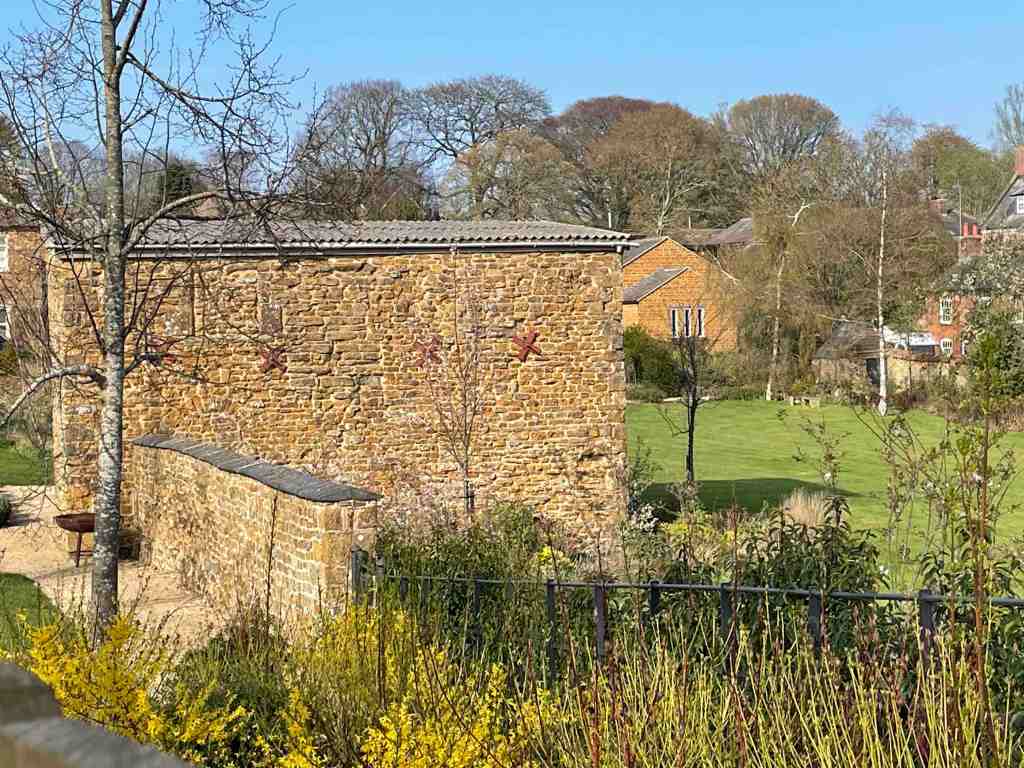

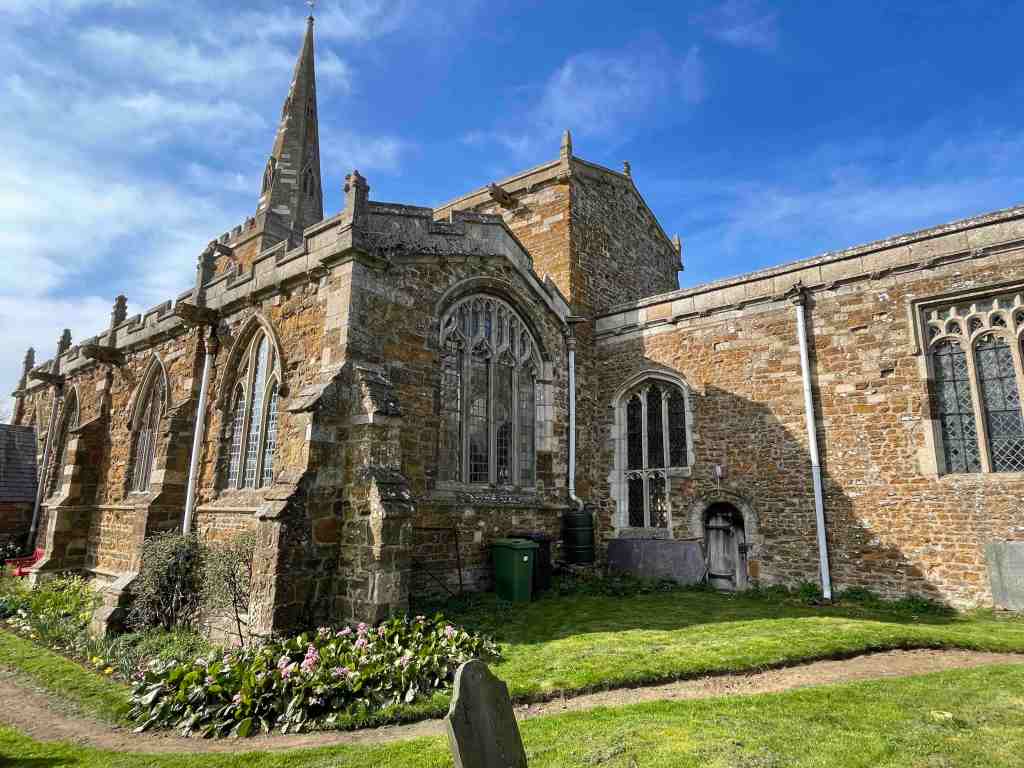

Nestled in the rolling Leicestershire countryside lies the village of Tilton on the Hill—peaceful, picturesque, and steeped in a history that reaches back through centuries. But behind the quiet charm of this rural parish lies a fascinating and often overlooked legacy: the presence of the Knights of St. Lazarus.
While many have heard of the Templars or the Hospitallers, the Order of St. Lazarus stands apart for its unique mission of care, compassion, and chivalry—and Tilton played a part in that noble cause.
For our full blog on the Knights Of St Lazarus at Tilton On The Hill Click Here
BLOG PAGE – The Legacy of the Knights Templar & Hospitallers in Shropshire & Staffordshire
March 2025


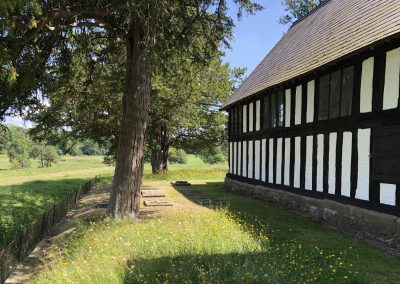

The Knights Templar and Knights Hospitaller played a significant role in medieval England, establishing numerous preceptories and manors across rural Shropshire and Staffordshire. These sites were not only religious and military outposts but also centers of agricultural and economic activity. Among them, two key preceptories stand out: Lydley Heys in Shropshire and Temple Keele in Staffordshire.
For our full blog on the Knights Templars & Knights Hospitallers in Staffordshire & Shropshire Click Here
The Grand Master & The Hidden Legacy of the Knights Hospitallers in Rural Northamptonshire
March 2025


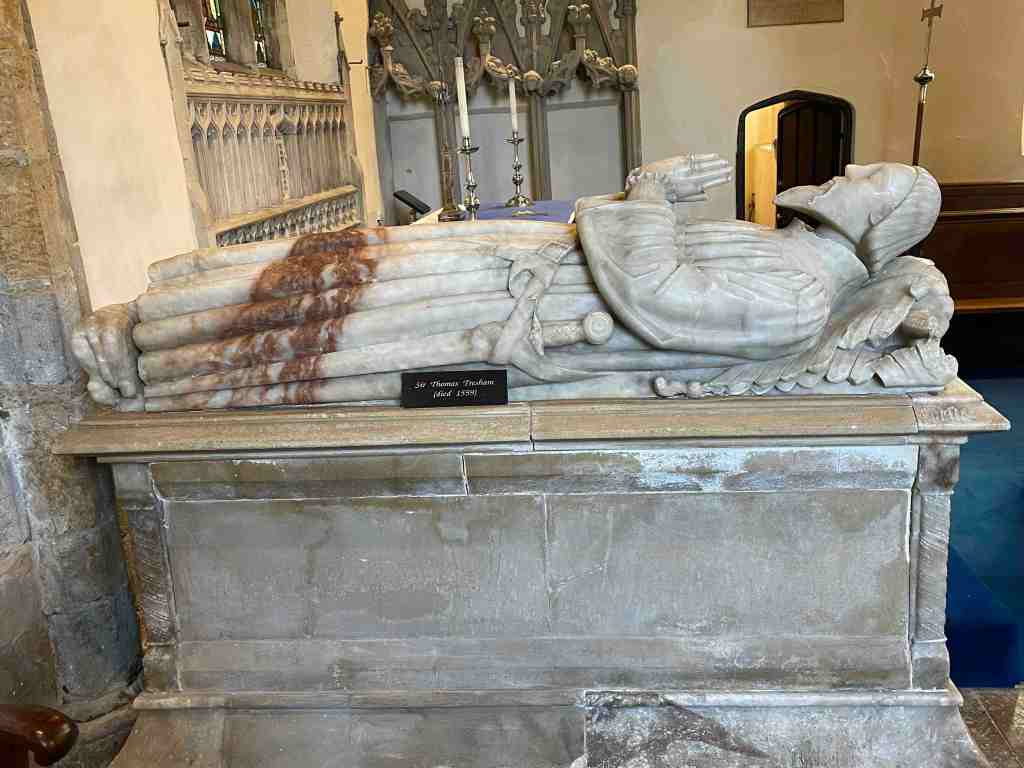
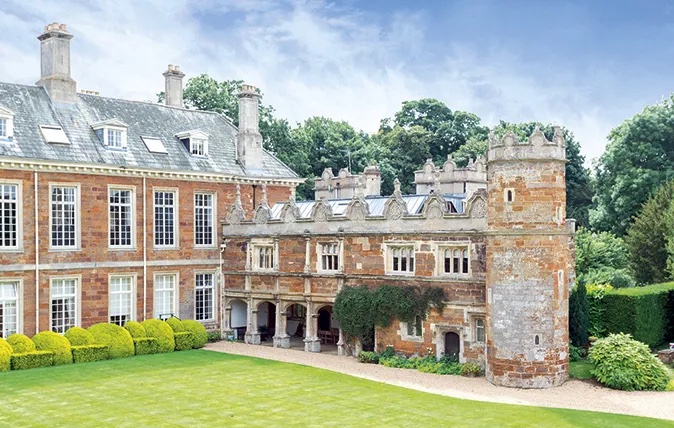
Tucked away in the quiet countryside of Northamptonshire lies a rich and often-overlooked history of the Knights Hospitallers. Within a 10-mile radius of Northampton, traces of their influence remain—from grand preceptories and hidden lodges to the final resting place of a grand master of the monastic order. As we explore Rushton and Dingley, we uncover the fascinating remnants of this medieval brotherhood.
For our full blog on the Knights Templars in Shropshire & Ludlow Castle Click Here
The Knights Templar in Shropshire: A Forgotten Legacy
March 2025
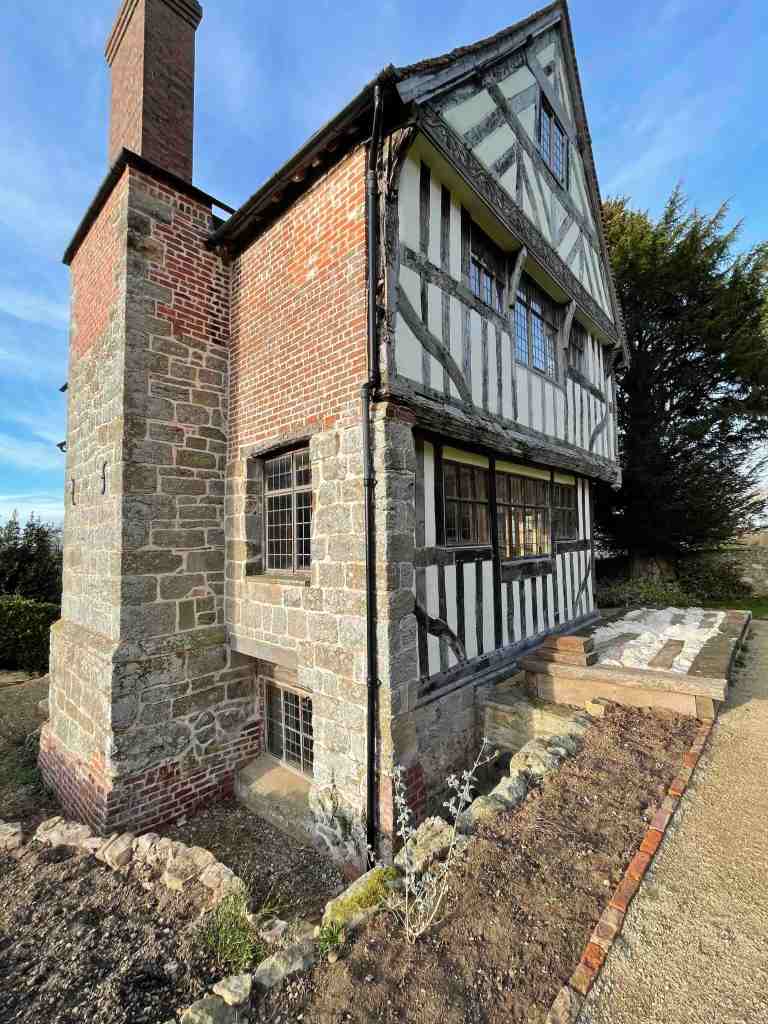
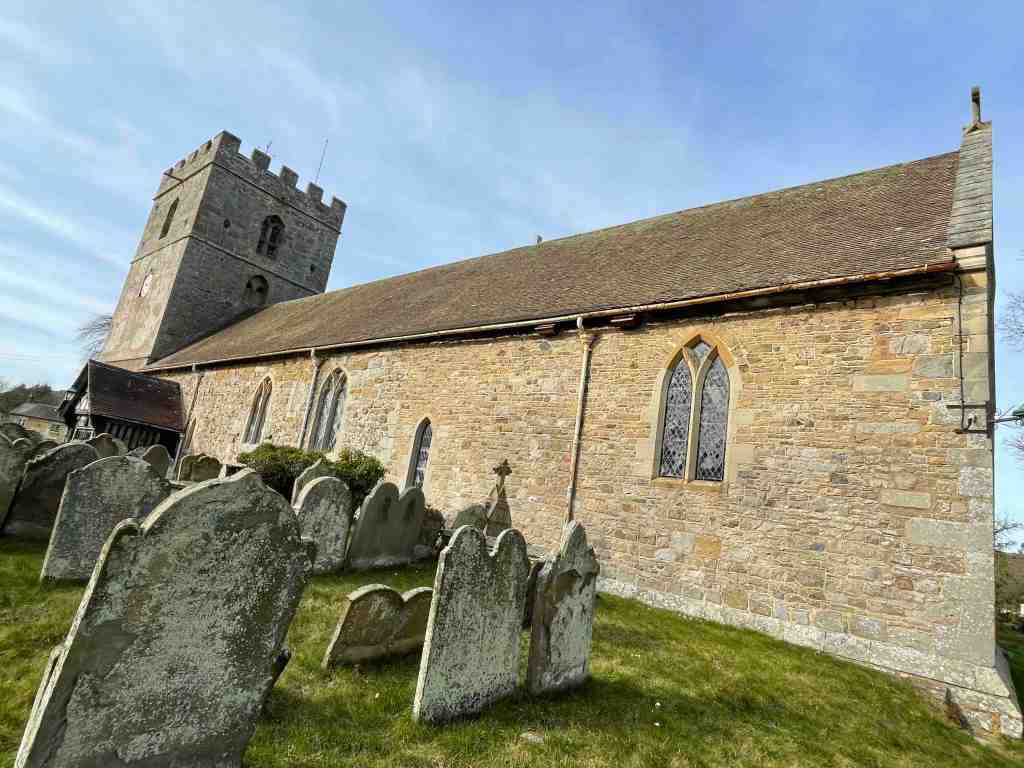


The Knights Templar, an order shrouded in mystery, held several estates across Shropshire, gifted to them by noble families such as the Fitz-Alans and the Costellos. These lands were managed from Lydley Preceptory (also known as Lydley Heys), located near the ancient Watling Street, a key Roman road.
A Growing Templar Presence
The exact founding date of Lydley Preceptory is unclear, but records suggest that by 1158, the Templars had already established themselves in the region. By 1185, they had built a mill in the hamlet of Lydley and maintained several fish ponds, common features of Templar estates. The main preceptory is believed to have stood on the site of what is now Penkridge Hall, a remote farmstead to the southeast.
For our full blog on the Knights Templars in Shropshire & Ludlow Castle Click Here
Roger Mowbray: Crusader, Templar Benefactor, and the Mystery of the Knight’s Heart Tomb
February 2025

Roger Mowbray, born in 1118, was a nobleman deeply connected to the Knights Templar, shaped by his own experiences as a crusader. The son of Nigel d’Aubigny, he adopted the surname Mowbray at the age of nine. By eighteen, he was already proving his prowess on the battlefield, fighting for the English against the Scots at the Battle of the Standard. For our full blog on the Knights Heart tomb in Hampton in Arden and Roger Mowbray Click Here
The Knights Templar at Feckenham Forest
February 2025


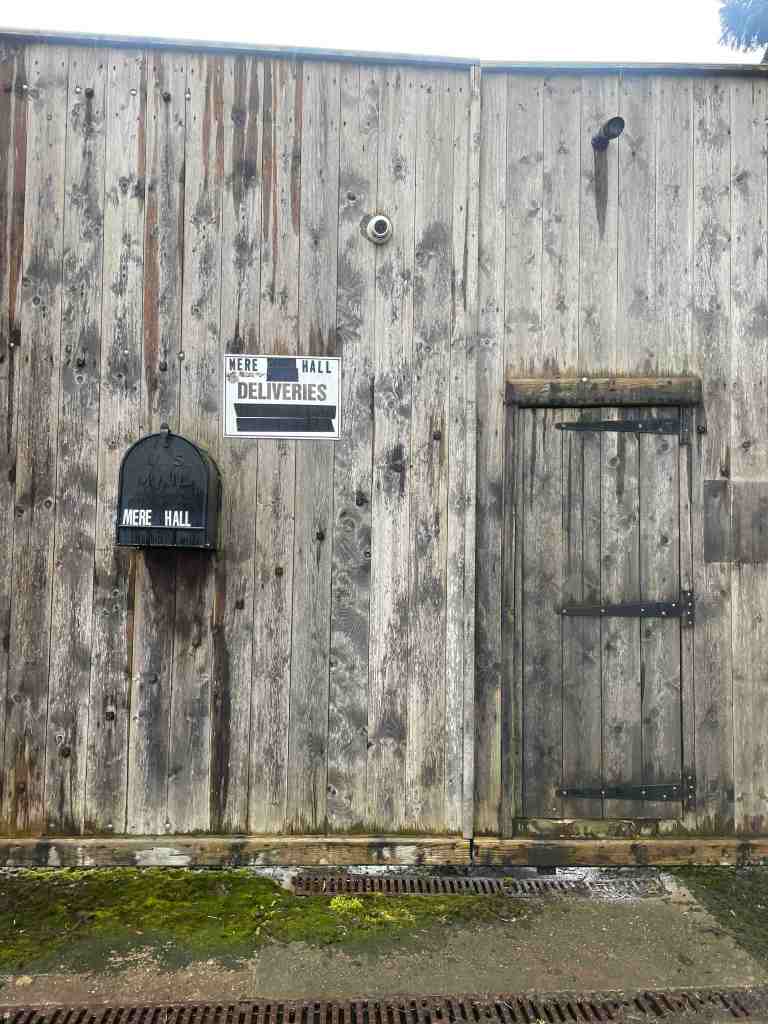
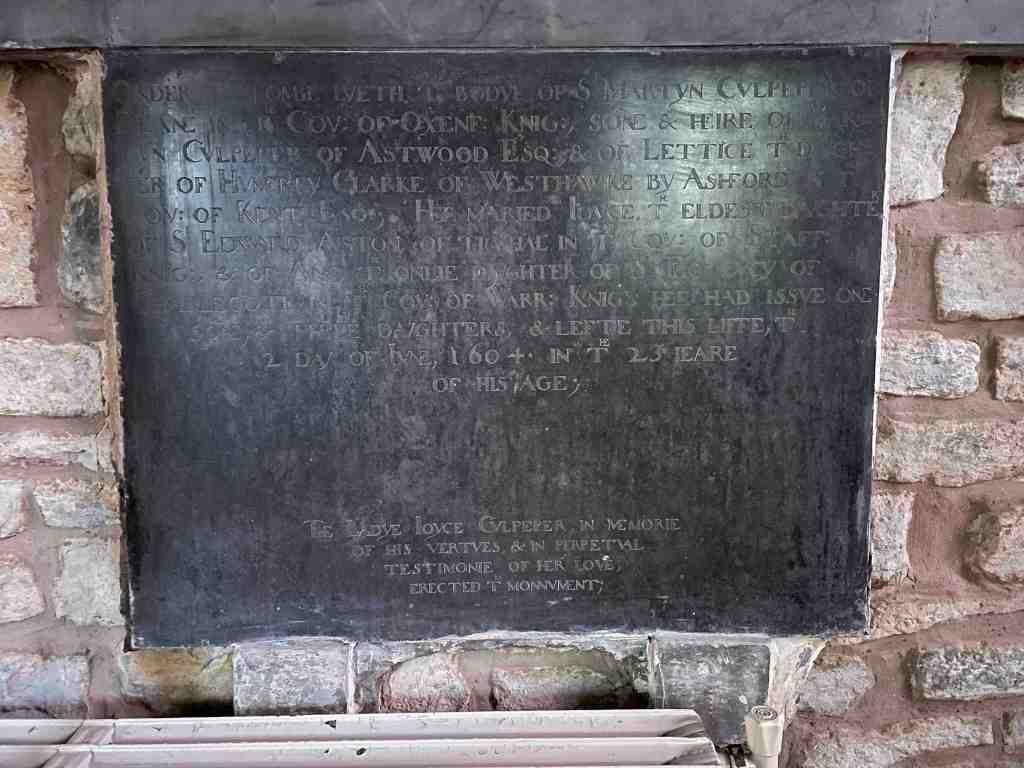
The Mysterious Presence of the Knights Templar in Worcester
The Knights Templar remain one of history’s most intriguing military orders, and their presence in Worcester has long been shrouded in mystery. Written records of the Templars in this region are scarce, suggesting that by the time of their suppression in 1307, they may have already disappeared from the area. However, the remnants of place names and historical references indicate that they were once active here.
Templar Strongholds in Feckenham Forest
Two key Templar sites have been identified within the medieval Feckenham Forest: Temple Arden, near modern-day Feckenham, and Temple Broughton, close to Hanbury. Situated just three miles apart, it is easy to imagine that these locations were closely linked. Historical records show that both properties, known as camerae (satellite estates), were administered by the Temple Balsall Preceptory.
For our full Blog report on the visit to Feckenham, please hit the link here
TEMPLE SOTHERINGTON & ST MARY’s CHURCH SELBORNE – The Knights Templar in Hampshire
February 2025




The Lost Legacy of Temple Sotherington
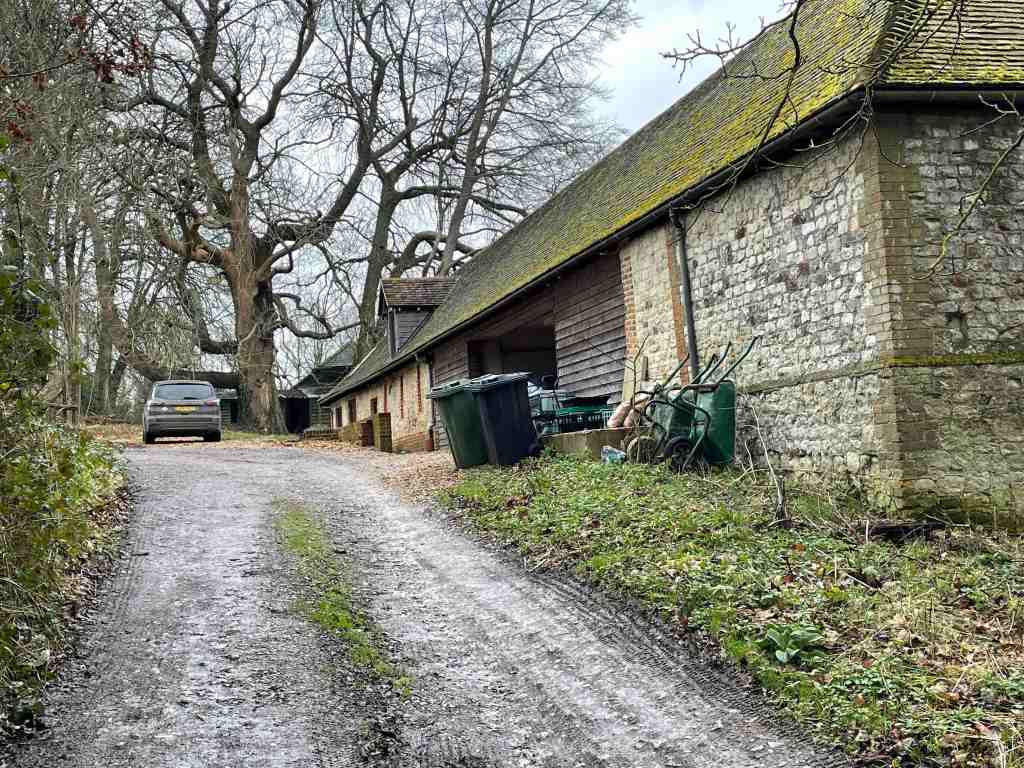
Today, little remains of Temple Sotherington beyond fragments of the old chapel, now part of a private residence. Yet, with a bit of imagination, one can trace the historical footprint of the Knights Templar within the modern landscape, which echoes the layout from centuries past. Although the Templars’ preceptory has long vanished, its presence was once firmly rooted just east of Selborne, in a place called Sotherington.
Over time, the manor known as the Temple of Sotherington became simply known as Temple. While much of its history has faded, the names linger in the local geography—Sotherington Lane, Temple Lane, and Temple Barns hint at the area’s storied past. The Templars held the manor of Sotherington as early as 1240, establishing a preceptory that served as a key part of their regional network.
Before the Norman Conquest of 1066, a church already stood on the site of what is now St. Mary’s. The Normans later rebuilt it into the structure we see today. Much of what we know about Temple Sotherington and St. Mary’s comes from Selborne’s famed naturalist, Gilbert White. According to White, the Templars once held considerable property in the area, but by his time, the preceptory had dwindled to little more than a common farmhouse. The chapel attached to it, with its thick, ancient walls and narrow windows, reflected its medieval origins—White remarked that it looked more like a dungeon than a place fit to receive guests.
Today, St. Mary’s Church still bears subtle traces of the Templars. Tomb lids, believed to be those of Templar knights, can be found within its walls, and the ornate tiled floors may also date back to their time. Additionally, in the North Chantry of the church resides a large tomb, reportedly that of Sir Adam de Gordon, a prominent figure in Selborne’s history. Sir Adam commanded under Simon de Montfort, a notable benefactor of the Templars, and was one of the chief landowners in the region.
Captured after the Battle of Evesham in 1265, Sir Adam was freed in 1268 and later became a loyal subject of King Edward I. In 1271, he generously donated plaster to the priory for the villagers’ use and granted lands to the Templars. Sir Adam was said to be of extraordinary stature—standing nearly 6 feet 6 inches tall—which aligns with the impressive size of his tomb that remains in St. Mary’s today.
Though the physical structures of Temple Sotherington have mostly disappeared, its legacy lives on in the land, the architecture, and the stories passed down through generations.
Head over to our main website www.thetemplars.co.uk here to learn more about the Templars at Sotherington & Selborne, and hit our web store here for all your Knights Templar Gifts, Replica Swords & Armour
TEMPLE LAUGHERNE – Worcester Knights Templar – Preceptory or Manor House?



February 2025
Little is known about the Knights Templar’s presence at Temple Laugherne in Worcester. However, the “Temple” prefix in its name strongly suggests that the Templars once had a foothold here.
Blink, and you might miss it—Temple Laugherne is a small hamlet in Worcestershire, easy to overlook if you’re passing through too quickly. Despite its modest size today, it has deep historical roots. Recorded in the Domesday Book of 1086, Temple Laugherne was part of the Oswaldslow Hundred and listed under two landowners. With just three households, it ranked among the smallest 20% of settlements documented at the time.
Though little remains to tell the full story of the Templars here, its name serves as a lasting clue to their past influence in the area.

Today, the site of Temple Laugherne has been replaced by a modern housing estate. However, an archaeological excavation carried out in September 2021 by Worcester Archaeology for Orion Heritage provided new insights into the Knights Templar’s presence in the area.
According to the findings, records from the Chartulary of Worcester Priory reveal that a manor in Laugherne was returned to the cathedral monks by Bishop Simon between 1125 and 1151. However, since both manors listed in the Domesday Book were still held at that time by William de Beauchamp, this was likely a fresh grant from the bishop’s demesne.
Historical records indicate that this property was later granted to William, son of Miles de Laugherne, before 1236, at a yearly rent of half a mark (6 shillings and 8 pence). His successor, another Miles, sold the manor in 1249 to the Master and brethren of the Knights Templar for £100. The precise location of Temple Laugherne Manor remains unknown, but it is generally believed to have been situated west of the site. Given this, it is likely that the modern site was once part of the medieval manor.
Despite disputed ownership in the late 13th century, the Templars retained possession of the land until their suppression in 1311, after which it was granted to the Knights Hospitaller. The Hospitallers held it until the Dissolution of the Monasteries in the 16th century, when it was sold in 1544 to Rich Goodyere and Will Gower.
Archaeological Discoveries
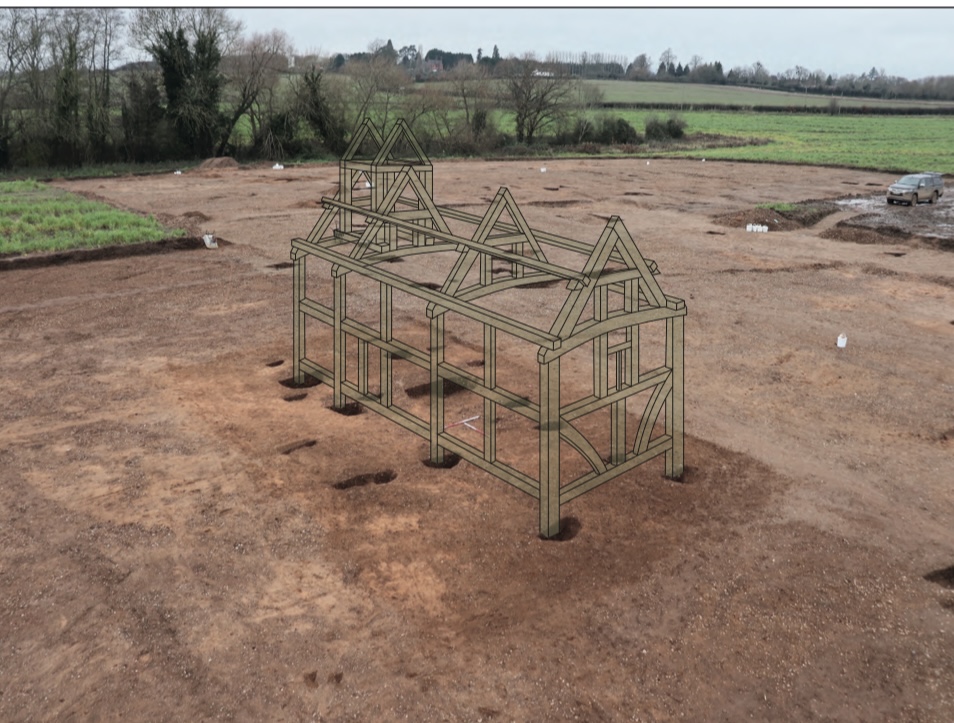
The excavation unearthed evidence of a timber-framed structure, constructed using earth-fast posts. The building was formed of twenty postholes, with eight primary posts creating four cross frames and three bays, measuring approximately 10.5 by 3 meters (34 by 10 feet). The bays varied in length: 3.8m, 4.05m, and 2.4m from east to west.
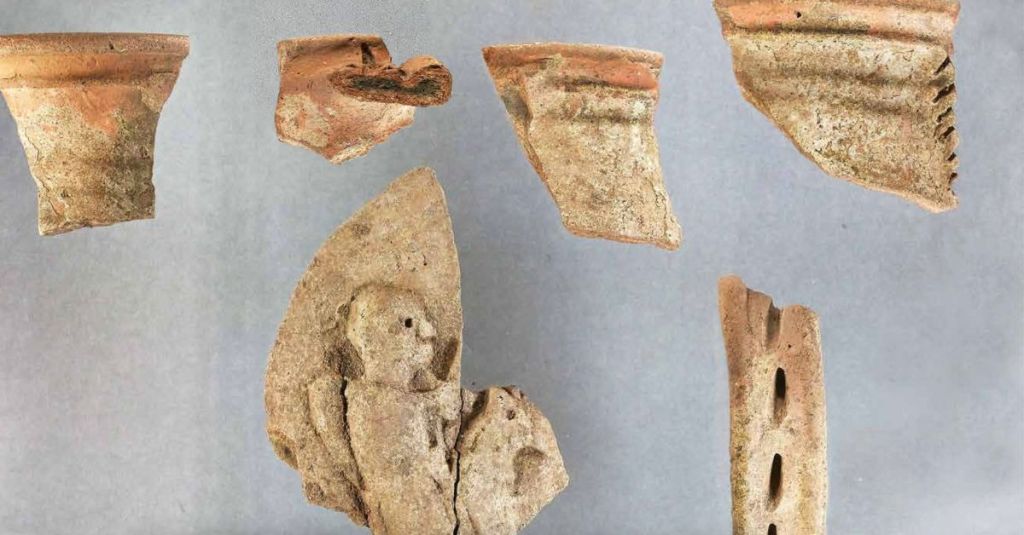
Among the finds were fragments of Roman pottery and a medieval “Horse and Knight” jug, dating from the 13th–14th century. A total of 23 sherds were recovered from the glazed Worcester sandy ware vessel, many of which fit together. Although no base sherds were found, the upper and middle sections were identified. The jug featured a thin, patchy green glaze, now largely decayed, applied over a white slip that extended over the rim and down to the shoulderon the interior surface. It had a complex collared rim, and while the spout was missing, similar Worcester pottery of the period is often associated with bridge-spouted forms.
These discoveries provide tantalizing clues about the Templars’ presence at Temple Laugherne, shedding light on a once-forgotten chapter of Worcestershire’s medieval history.
The report concludes:
The Knights Templar are known to have owned the estate from 1249, and it remained in their possession until 1311 when it was granted to the Knights Hospitaller. The chapel could have been constructed to display the patronage of the new owners, or it might have been the onset of the Black Death reaching Britain by the summer of 1348, that spurred on its construction. However, given the construction technique of the building, this later date seems unlikely. Other such small chapels are known, particularly in Warwickshire, where there are hints that the villagers got together and funded them, the chapel, therefore, being funded by the community and, where lasting for a short time span, undocumented, so that archaeology, and field-names then become the best evidence (Chris Dyer, pers comm). At Temple Laugherne these have fortunately coincided together.
Such a chapel would be an offshoot of the main parish church, in this case the church of St John, in the parish of St John in Bedwardine, part of Worcester. In England, around 4000 parochial chapels were built between the 12th and 17th centuries as subsidiary places of worship for the convenience of parishioners who lived at a distance from the main parish church (Historic England 2021). Beyond mere convenience, this would have allowed more time for the parishioners to work the estate fields.
To Read the report for yourself – please hit the following link here
 TheTemplars.Co.Uk