FEBRUARY 2026
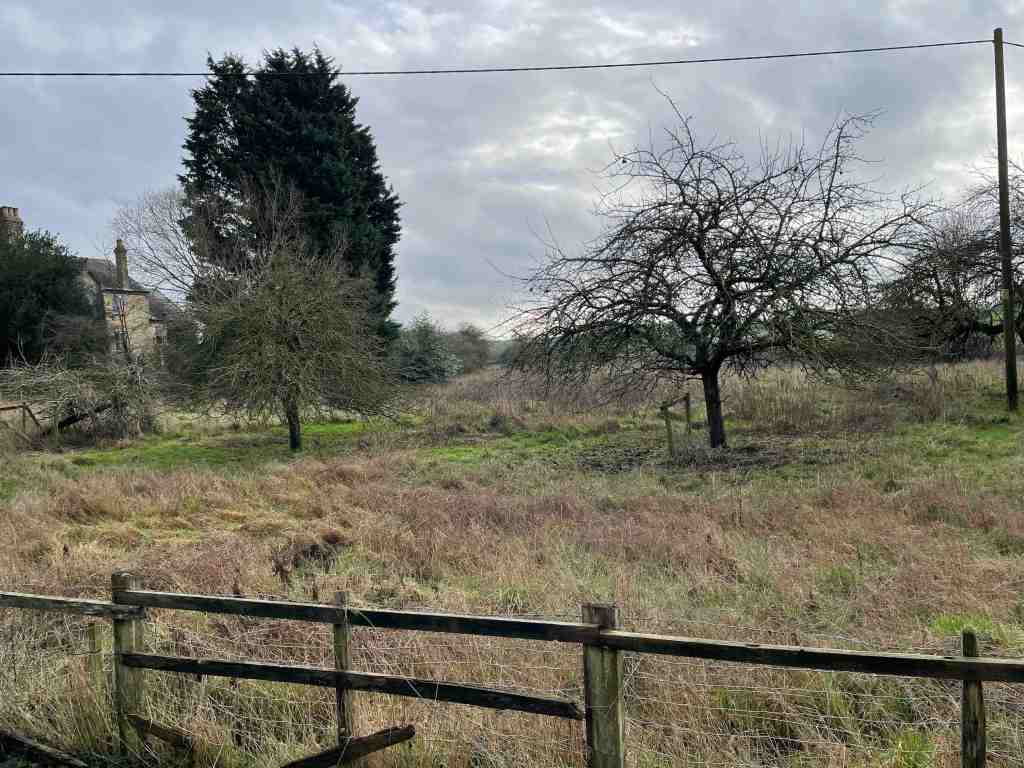
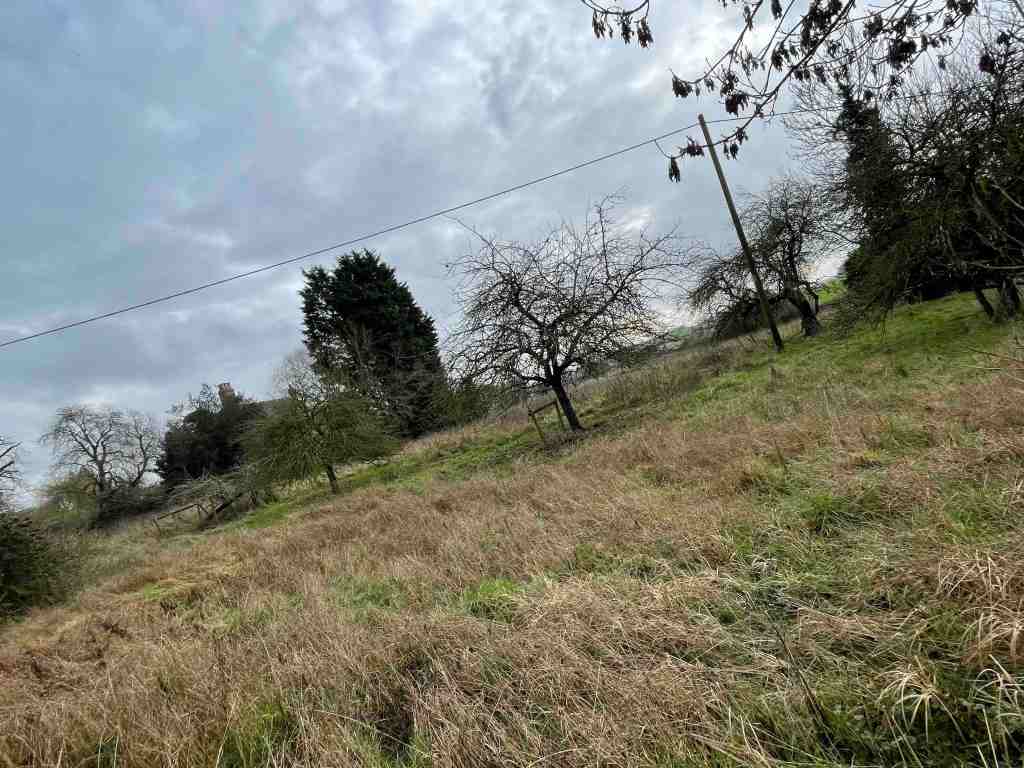
Aslackby Preceptory was not just an administrative outpost of the Knights Templar—it was a carefully designed religious, agricultural, and symbolic landscape. Although much of the site has vanished above ground, surviving records, comparisons with other Templar houses, and archaeological clues allow us to build a much richer picture of what once stood here.
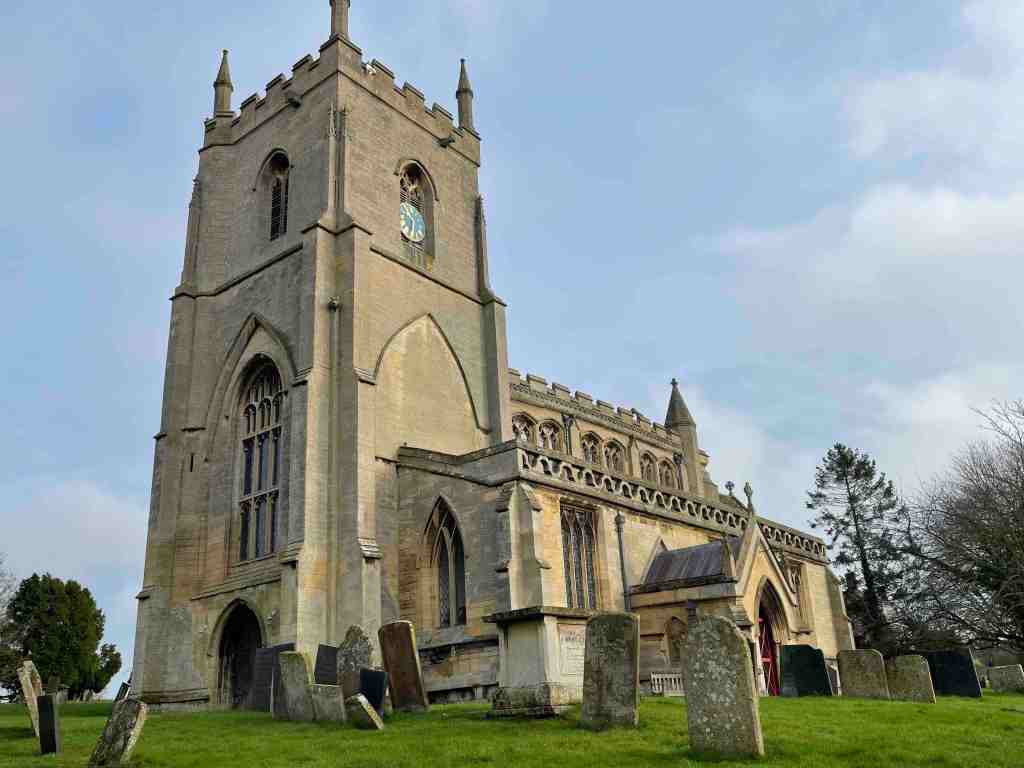
The Chapel: Sacred Space and Symbolism
At the heart of Aslackby Preceptory stood its chapel, dedicated to St John the Baptist. While no complete structure survives today, it is highly likely that the chapel closely resembled the Templar church at Dover. That building, constructed in the 12th century, featured a circular nave around 10 metres (33 feet) in diameter, attached to a rectangular chancel—a layout strongly associated with the Templars.
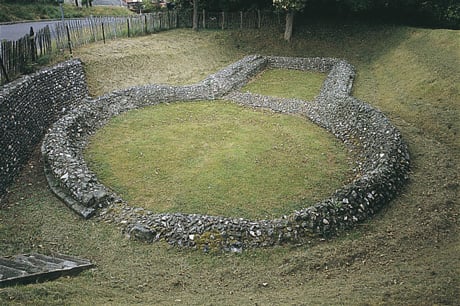
This distinctive form deliberately echoed the Church of the Holy Sepulchre in Jerusalem, the holiest site in Christendom and a powerful symbol of the crusading ideal. By reproducing its circular plan, the Templars reinforced their spiritual connection to the Holy Land and their original mission of protecting pilgrims.
The same architectural language can be seen in the order’s best-preserved English church, the Temple Church. Although heavily restored in later centuries, its round nave provides a valuable reference point for imagining the scale and appearance of Aslackby’s lost chapel.
At Dover, the buried foundations of the Templar church were uncovered in the early 19th century during the construction of the Western Heights military defences. What remained was largely the flint and mortar core of the foundations, with only small areas of stone facing intact. This pattern of survival—substantial foundations but little standing masonry—mirrors what we might expect at Aslackby, where later farming and building activity likely erased much of the visible structure.
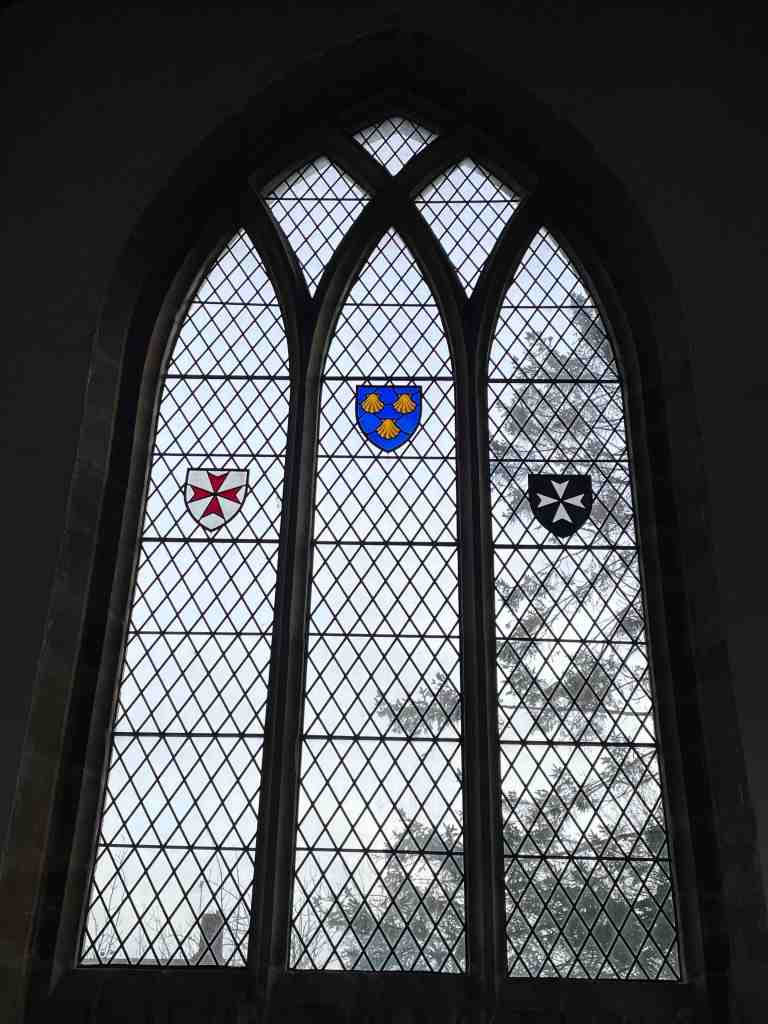
As at other Templar houses, the chapel at Aslackby stood separate from the parish church of St James the Great. This physical separation allowed the knights and brothers to observe the monastic hours and celebrate mass according to the order’s rule, without mixing with the local laity.
Domestic Buildings and the Tower
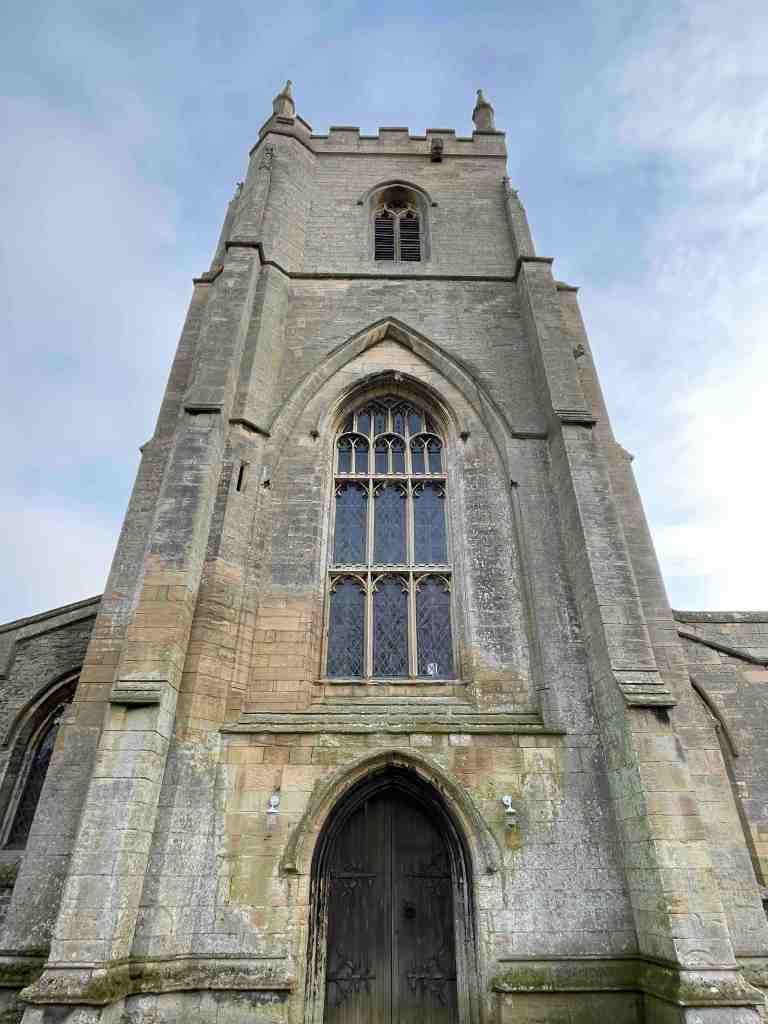
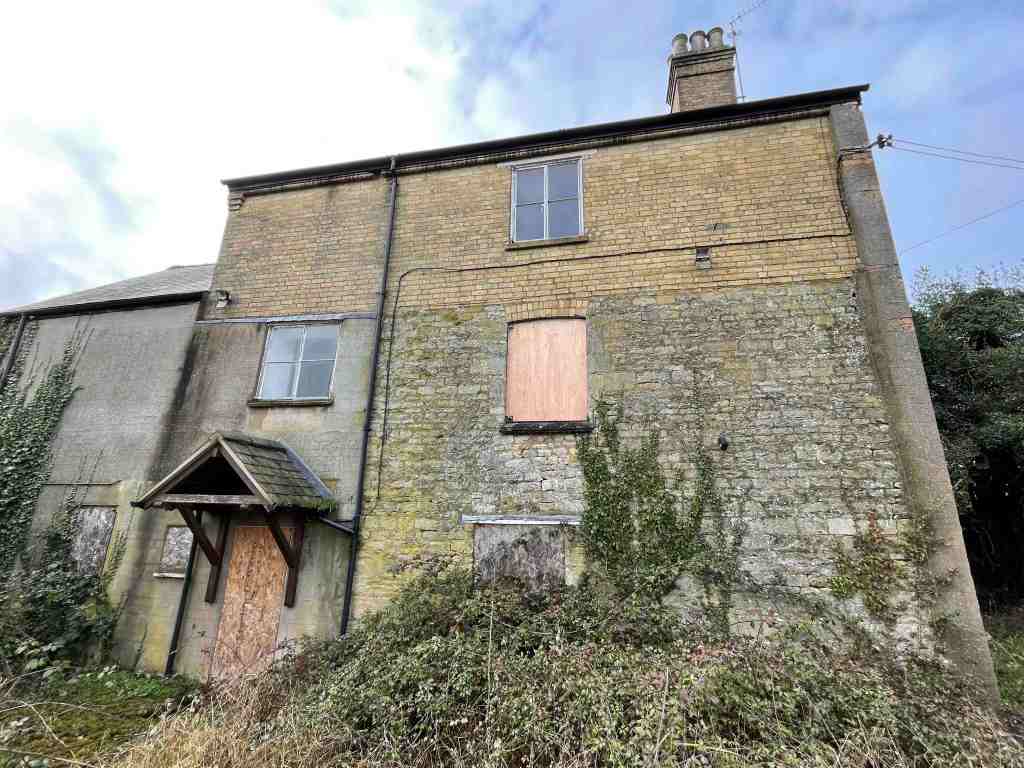
Adjacent to the chapel were the living quarters of the preceptor and brethren, forming part of a compact L-shaped complex. One of the most striking features was a battlemented medieval tower, probably built in the early 13th century. Gothic in character, it likely served both residential and defensive functions, symbolising authority as much as offering protection.
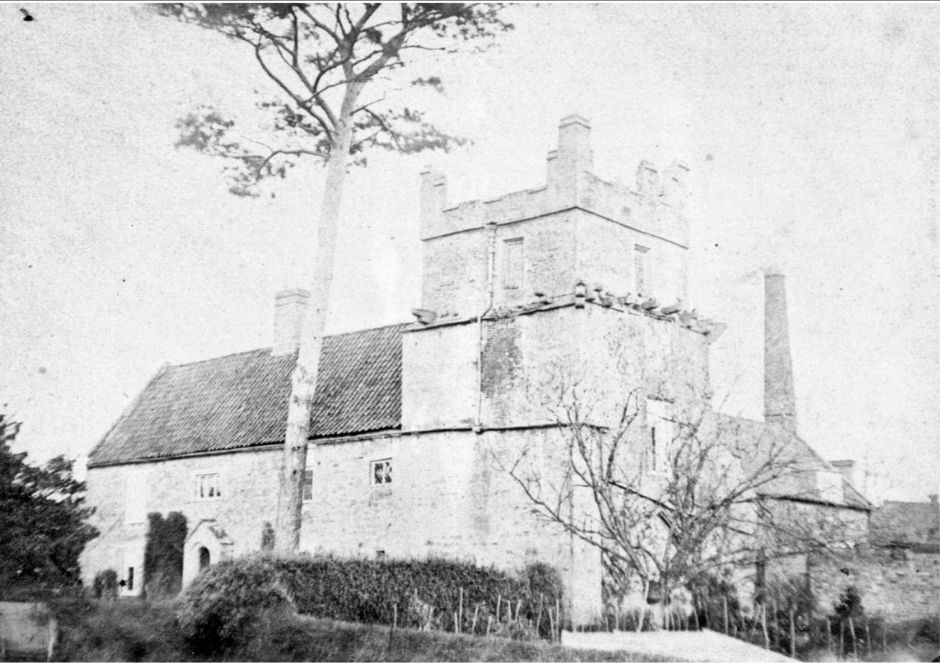
This tower later became incorporated into what is now known as Temple Farmhouse, preserving at least a fragment of the preceptory’s medieval core within the modern landscape.
Farming the Estate: Barns, Fields, and Stock
Aslackby Preceptory was fundamentally an agricultural enterprise. Its demesne lands—around 235 acres—supported mixed farming, with barns for storing grain, peas, and beans (recorded in inventories from 1312), stables for oxen and horses, sheepcotes, and a dovecote. These buildings ensured the community could feed itself while generating surplus income to support the wider Templar network.
Land beyond the demesne was leased to local tenants, creating a steady flow of rents. Even after the Templars’ suppression, this agricultural structure remained largely intact under Hospitaller management.
The Mill: Engineering and Ingenuity
An essential part of the estate was its mill, which would have processed grain grown on Templar lands. Although no physical remains are clearly identifiable today, its likely form can be inferred by comparison with other Templar sites, particularly Temple Balsall.

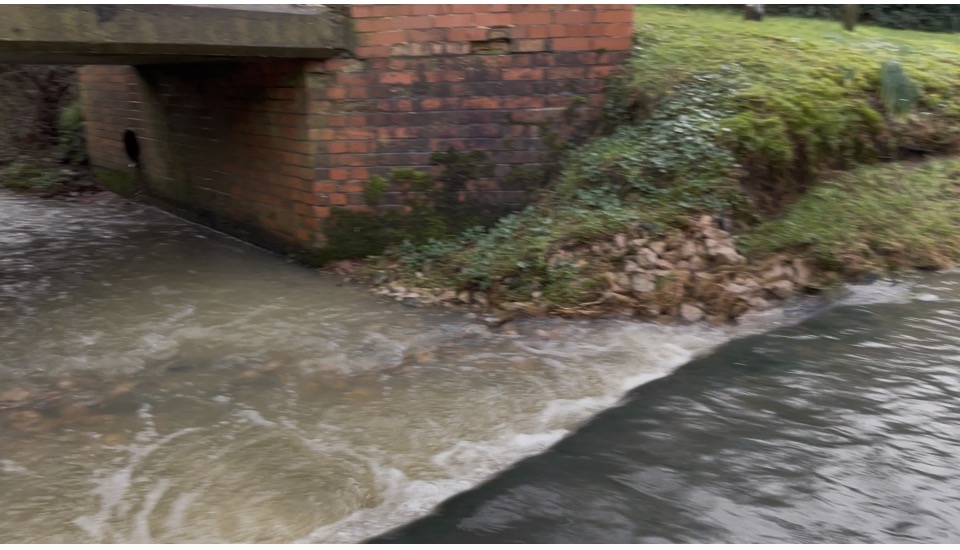
At Temple Balsall, the mill was positioned near a ford, where water flowed naturally over a shallow surface. The Templars enhanced this natural feature by cutting a short ditch or leat, allowing water to drop into a confined channel. Small stones were placed along the flow to increase turbulence and speed, improving the efficiency of the waterwheel.
At Aslackby, the mill was probably located close to the modern Temple Farm area, near the road and ford. This placement made practical sense: it was easily accessible for tenants bringing grain, close to water, and integrated into the wider estate economy. The mill would have been both a vital service and a source of income, as tenants were often required to grind their grain there for a fee.
After the Templars: Continuity and Change
Following the suppression of the Templars in 1312, Aslackby passed to the Knights Hospitaller. It was never re-established as an independent commandery, instead becoming part of the larger holdings of Temple Bruer.
Despite this administrative shift, much remained the same. A chaplain continued to serve the chapel, lands were leased to local farmers, and the estate remained productive well into the 16th century. Records even show a chaplain in post as late as 1514, demonstrating the longevity of religious life at the site.
A Lost but Legible Landscape
Although Aslackby Preceptory has largely disappeared above ground, its story can still be read through documents, comparisons with surviving Templar sites, and the subtle clues embedded in the landscape. From its symbolic round chapel and practical mill to its barns, fields, and tower, Aslackby was a carefully planned microcosm of the Templar world—where prayer, agriculture, and administration were inseparably linked.
For a small Lincolnshire preceptory, it offers a remarkably clear window into how the Knights Templar lived and worked in medieval England.
Learn More about the Knights Hospitallers in the UK on our main website by clicking here
Check Out out Knights Gift Store for your replica Knights Templar, Hospitaller and Order of St Lazarus Armour, weapons clothes & gifts by clicking here
 TheTemplars.Co.Uk