The Forgotten Crusaders of Leicestershire
JUNE 2025
In the quiet countryside of Leicestershire, just two kilometres south of Melton Mowbray, lies the village of Burton Lazars. Today, it may seem a tranquil and unassuming place, but beneath its fields and earthworks lies the story of one of medieval England’s most remarkable institutions — the headquarters of the Order of St. Lazarus of Jerusalem in Britain.
A Knightly Order Unlike Any Other
The Order of St. Lazarus stands apart from the more well-known crusading orders such as the Templars or Hospitallers. While they shared the military and religious aspects of those orders, their defining mission was to care for individuals suffering from leprosy, a disease feared and misunderstood in the medieval world.
Founded in the Holy Land during the 12th century, the Order provided sanctuary and medical care to the afflicted, many of whom were cast out of society. Remarkably, even leprous knights could join and serve. While others shunned the sick, the Lazarites saw compassion and care as a form of Christian warfare — a battle fought with mercy rather than the sword.
The Rise of Burton Lazars
Burton Lazars became the principal English hospital and administrative centre of the Order. It was established between 1138 and 1162 by Robert de Mowbray, a wealthy nobleman with ties to the Norman aristocracy. Strategically located near key trade routes and close to important towns like Leicester, the site was ideal for serving both local and national needs.
The hospital wasn’t merely a place of care; it was the headquarters of the Order in Britain, overseeing a network of preceptories, manors, and hospitals throughout the country. From here, the Leper Knights managed lands, collected revenues, and coordinated charitable and military efforts — including support for Crusader campaigns in the Holy Land.
Architecture and Layout of the Site
Archaeological surveys and limited excavations have revealed just how significant Burton Lazars was in scale and sophistication. The site comprises:
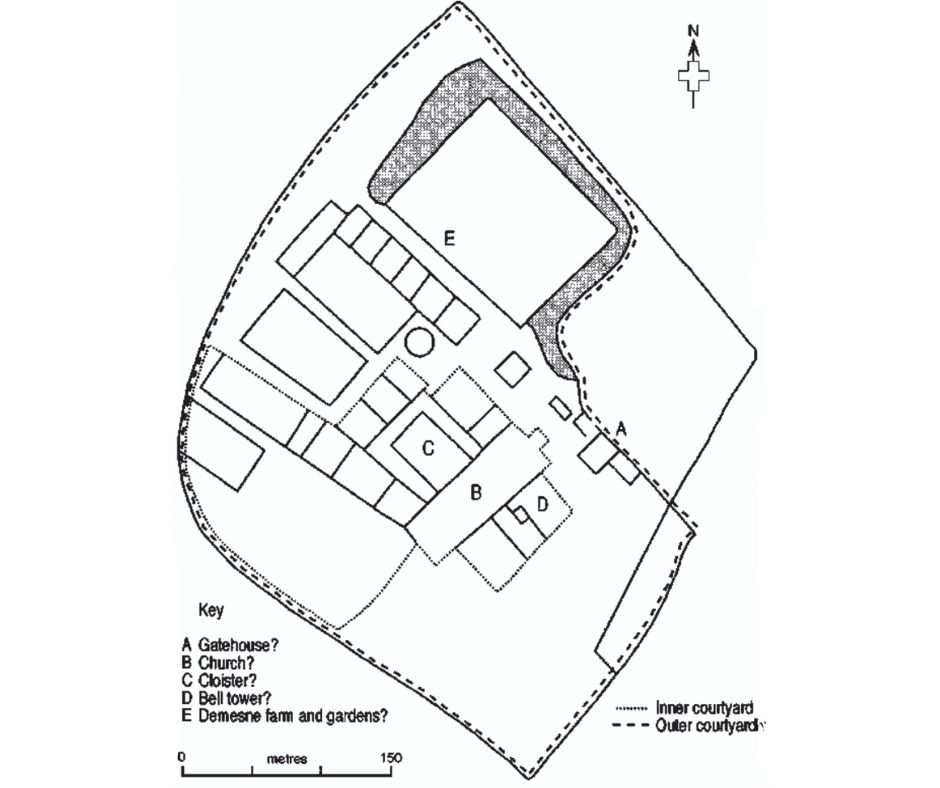

- A moated enclosure believed to house the main hospital and preceptory buildings.
- An infirmary, chapel, domestic quarters, and gatehouse — their foundations still visible as earthworks.
- A network of fishponds and water channels, likely used not only for sustenance but also for curative bathing, taking advantage of a natural sulphurous spring on the site.
- A bell tower, cloisters, and other ecclesiastical structures that would have formed a central courtyard — a typical layout for monastic hospitals.


Excavations in 1913 by Charles Lindsay and the Duke of Rutland uncovered medieval paving and what appear to be tile kilns, indicating that much of the material used in construction was produced locally. This self-sufficiency reflects the Order’s wealth and organization.
Devotion, Disease, and Decline
Throughout the medieval period, Burton Lazars remained the foremost leprosy hospital in England. It gained royal patronage and amassed significant lands and income. But like many institutions of its kind, it faced decline during the later Middle Ages.
A fire in the 14th century destroyed part of the complex. Though it was rebuilt, the hospital never fully regained its former prominence. By the time of the Dissolution of the Monasteries under Henry VIII in 1546, Burton Lazars was formally suppressed, and its lands were sold or redistributed.
The presence of a sulphur spring may have inspired later attempts to revive the site as a spa resort around 1760, echoing its historical association with healing, though these efforts were short-lived.
The Church of St James and Lost Artefacts
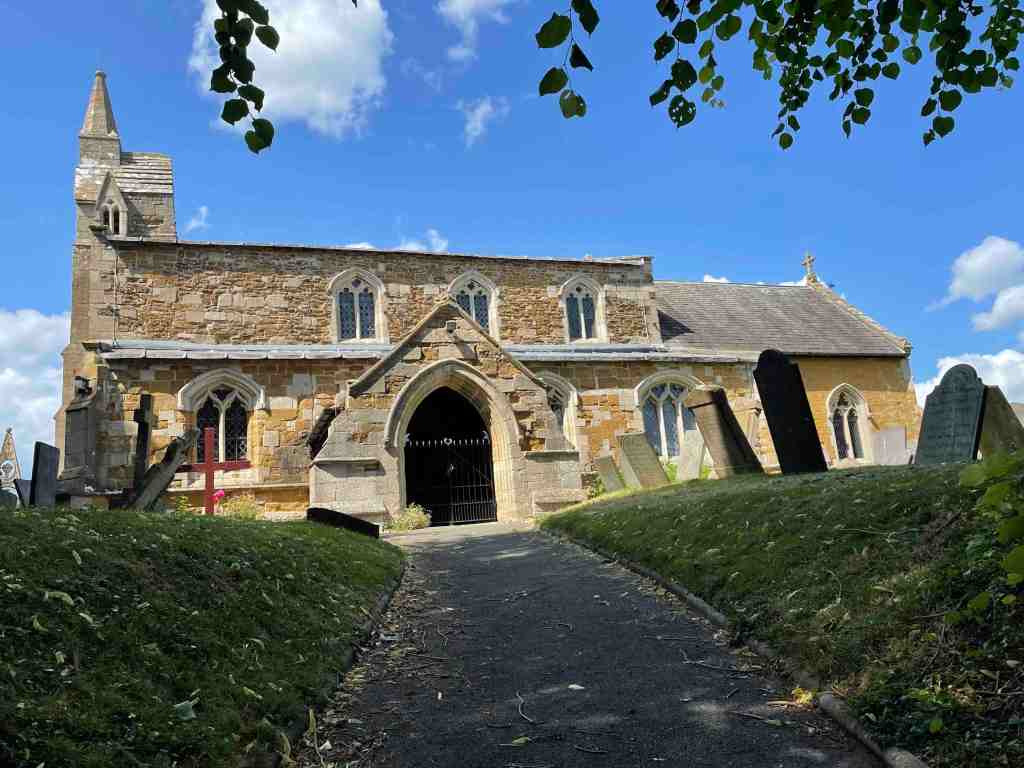
Adjacent to the former hospital site stands the Church of St James, a later parish church not officially connected to the hospital — yet it holds tangible links to the lost medieval complex.
Within its walls are stone fragments and carvings believed to have come from the original chapel at Burton Lazars. Among the most striking is a carved stone corbel known affectionately as “Roger the Leper.” This mid-13th century figure is depicted with sunken eyes, a collapsed nasal bridge, and an open mouth, characteristic of advanced leprosy. It is a rare, haunting, and compassionate portrayal of someone who may have lived — or been treated — within the walls of the hospital.


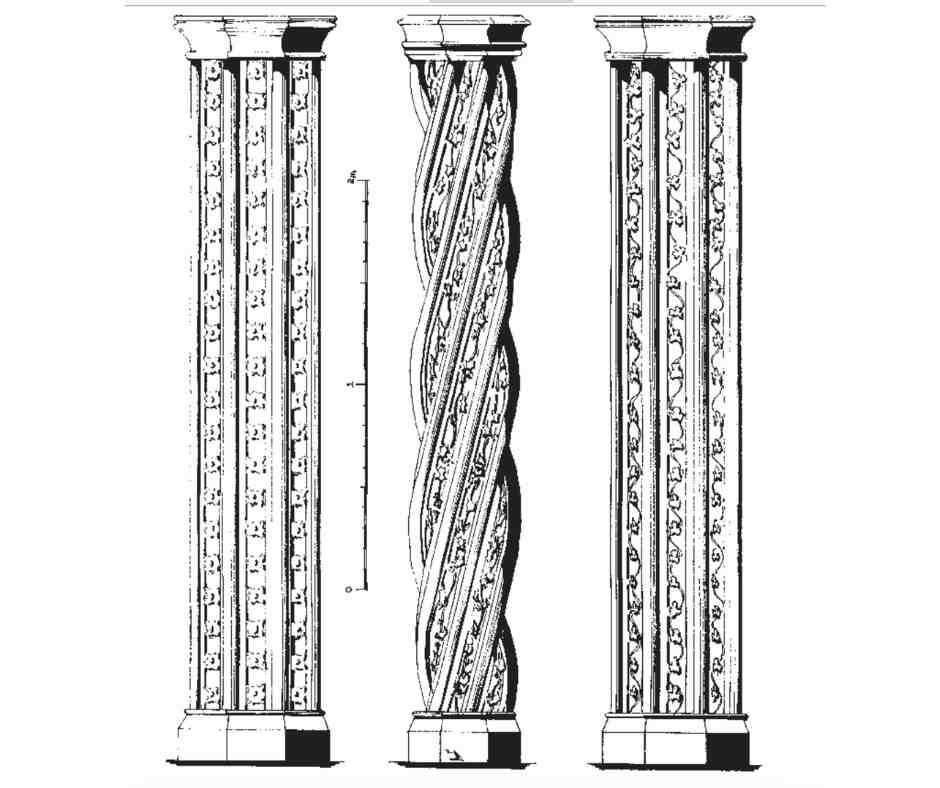
Also found at the church are octagonal columns and foliated carvings resembling the ornate style seen at sites like Rosslyn Chapel in Scotland. Historian David Marcombe, in his book Leper Knights, notes these flourishes may once have lined the hospital chapel, reflecting the Order’s considerable resources and cultural ambition.


A Site of National and Crusader Importance
Burton Lazars was not merely a provincial hospital — it was the command centre for the Order in England. The preceptors based here directed operations across the country, managed estates, and ensured that funds and supplies flowed to support the Order’s mission, including its role in the Crusader states.
In a time when disease often meant isolation and death, the Order of St. Lazarus offered dignity, care, and purpose. Its leper knights fought both physical and spiritual battles — and Burton Lazars was their stronghold.
Visiting the Legacy
Today, the remains of Burton Lazars lie on private farmland, with earthworks and archaeological features still visible in the landscape. The site is protected as a Scheduled Ancient Monument, and while there are no public facilities, interested visitors can appreciate the legacy of the Leper Knights from public footpaths — with permission from the landowner recommended for closer exploration.
The memory of the Order lingers in the local landscape and folklore, and thanks to historical research and community interest, Burton Lazars is once again gaining recognition as a site of national and even international significance.
Further Reading & Resources
Local archives from the Church of St James, Burton Lazars
Leper Knights: The Order of St Lazarus of Jerusalem in England, c.1150–1544 by David Marcombe
Historic England Entry on Burton Lazars Hospital
Learn More about the Leper Knights & The Order of St Lazarus in the UK on our main website by clicking here
Check Out out Knights Gift Store for your replica Knights Templar, Hospitaller and Order of St Lazarus Armour, weapons clothes & gifts by clicking here
 TheTemplars.Co.Uk