MAY 2025
The county of Essex holds a deep and often overlooked connection to two of the most powerful military-religious orders of the medieval world: the Knights Templar and the Knights Hospitallers. Though both are more often associated with distant crusading campaigns in the Holy Land, their influence stretched across England—and Essex, in particular, was a vital stronghold in their extensive network.
From pioneering agricultural estates and defensive manors to founding some of the finest surviving medieval churches and barns in the country, the Templars and Hospitallers helped to shape the landscape, economy, and religious life of medieval Essex. Their legacy lives on today in hidden chapels, unusual architecture, and place names that still echo their spiritual and strategic power.
Cressing Temple: The First Templar Outpost Beyond London
Founded in 1136, when Queen Matilda granted land to the Knights Templar, Cressing Temple became the first recorded Templar estate outside of London. Just over a decade later, King Stephen further expanded their holdings with a major gift of land at nearby Witham, establishing the Templars as major landowners and administrators in Essex.
Cressing Temple quickly became a hub of Templar operations, and its preceptory—a kind of regional headquarters—flourished. After the Templars were suppressed in the early 14th century, the property passed to the Knights Hospitallers, who continued to manage the estate and by 1337 controlled over 1,400 acres of surrounding land.
Today, visitors to Cressing Temple can explore two of the finest surviving examples of Templar agricultural architecture in Europe: the Barley and Wheat Barns. Towering timber-framed structures, these barns hint at the order’s sophisticated farming and storage systems. Though the original Templar chapel no longer stands, its foundations were discovered just south of the current gardens—and its slightly skewed orientation from the typical east–west axis suggests ritual or symbolic considerations unique to Templar design. The Templars also held the advowson (the right to appoint clergy) of All Saints Church in Cressing, further cementing their local authority.
Witham: Urban Planning and Strategic Vision
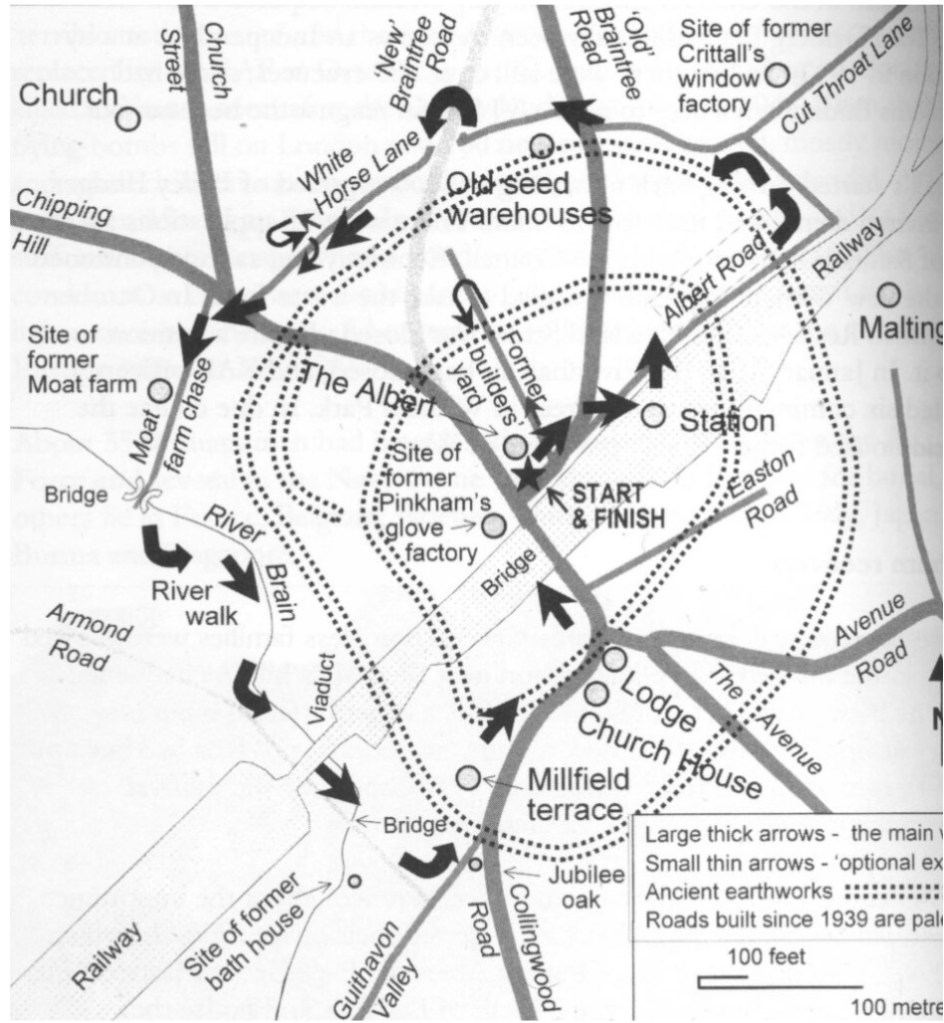
The Templars’ land at Witham, granted by King Stephen, was not just another farm—it was a bold experiment in urban planning. On a prominent ridge that had once been an Iron Age hill fort, the Templars built a new manor settlement. The area later became known as Temple Farm, and while little survives above ground, the layout of the land and its historical footprint have endured.
The 1185 Templar inquest lists Cressing and Witham together, underscoring their administrative unity and strategic importance. Unlike their more rural holdings, the Templars at Witham appear to have had broader ambitions, perhaps laying the groundwork for a Templar-led town. Today, Witham Railway Station and Grange Manor occupy the historic site, with remnants of the Templar vision still traceable in local names and landforms.

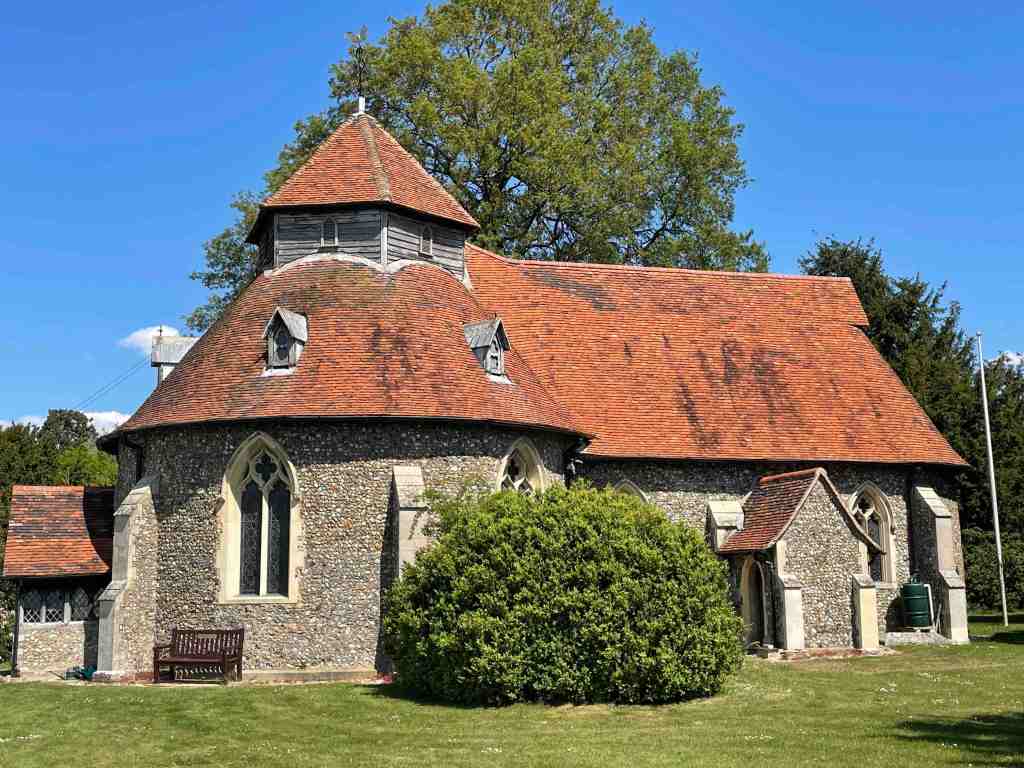
Little Maplestead: A Round Church and Hospitaller Heritage
Although the Templars initially built the original church at Little Maplestead in the 13th century, the estate passed to the Knights Hospitallers in 1185, thanks to a donation from Juliana Fitz-Audelin. The commandery (Hospitaller equivalent of a preceptory) eventually controlled around 500 acres across the Maplesteads, Gestingthorpe, Hedingham, and Colchester.
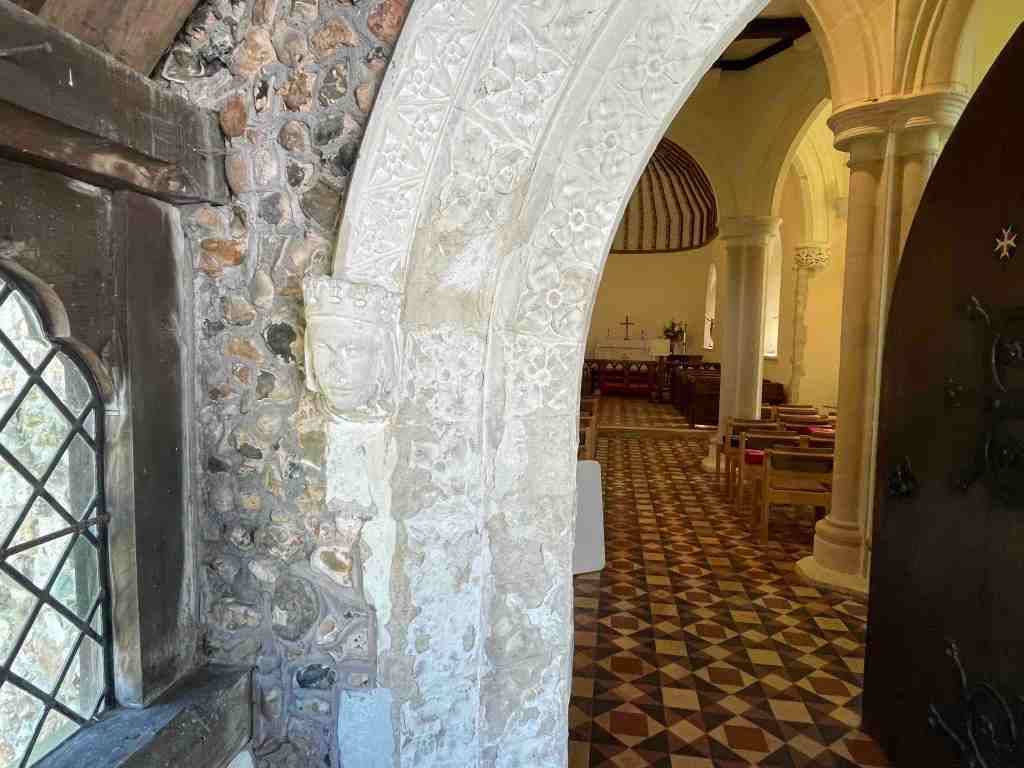
The jewel of Little Maplestead is undoubtedly its round church—a design inspired by the Church of the Holy Sepulchre in Jerusalem, and closely associated with both the Templars and the Hospitallers. The current structure, dating from 1337, is one of only four surviving round churches in the UK. Though the commandery buildings themselves have disappeared, their probable location near Maplestead Hall continues to attract historical interest and archaeological speculation.




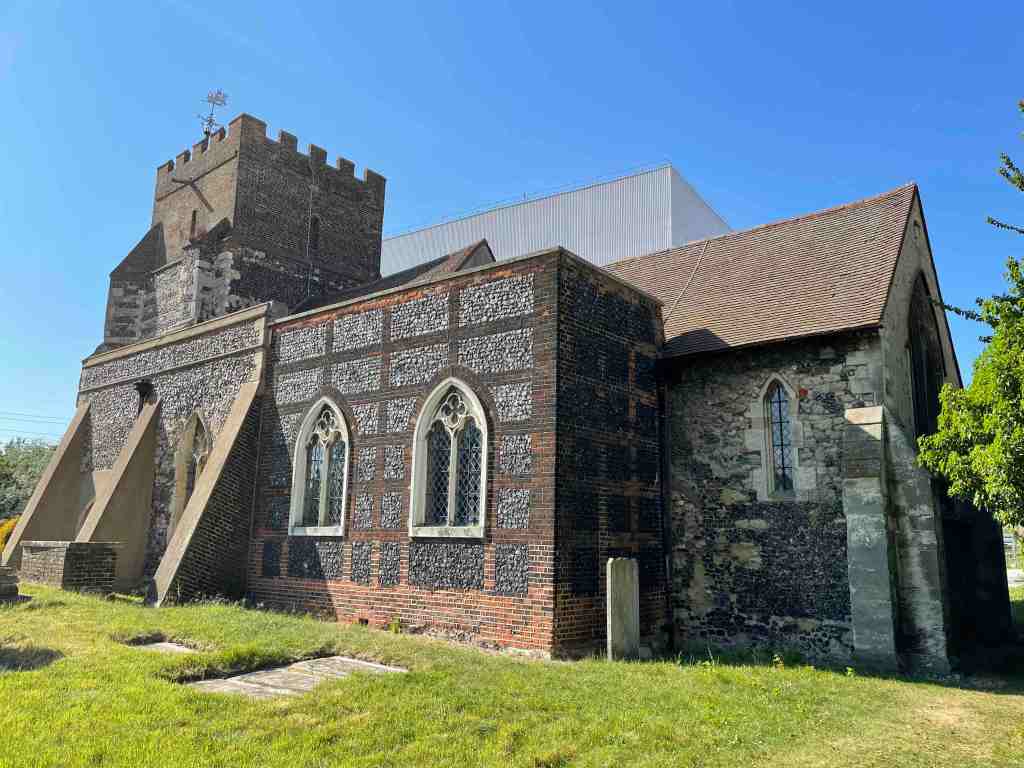
West Thurrock: A Hidden Church Amid Industry
At West Thurrock, very little survives of the Templar and Hospitaller estates, as the area is now largely occupied by modern industrial development—including the Procter & Gamble factory. However, one remarkable survivor remains: the Church of St Clement, tucked away beneath the factory’s looming infrastructure.
This quiet, almost forgotten church is thought to have once had a circular nave, a hallmark of Templar architecture also seen at Garway Church in Herefordshire. Though the structure passed to the Hospitallers after the Templar dissolution, the architectural DNA remains. St Clement’s Church now opens to visitors on the first weekend of each month, offering a rare and atmospheric window into the spiritual life of medieval knights.


Legacy and Influence
The combined impact of the Knights Templar and Knights Hospitallers in Essex was profound. They brought not only military might and spiritual discipline, but also economic innovation, agricultural expertise, and urban foresight. From barns that still stand proud after 800 years, to churches shaped by Crusader ideals, their legacy is etched into the fabric of Essex life.
In exploring these sites today—from Cressing Temple’s barns to Little Maplestead’s round church—we connect not only with the religious and military drama of the Middle Ages, but also with the enduring human quest to build, protect, and believe.
Further Reading & Visiting Tips:
Most of Witham’s Templar site lies beneath modern infrastructure, but historical markers and local resources provide more context.
Cressing Temple Barns are open to the public and regularly host historical events and tours.
Little Maplestead Round Church offers limited visiting hours but is often open during Heritage Open Days.
St Clement’s Church, West Thurrock, is open the first weekend of each month.
Learn More about the Knights Hospitallers and Knights Templars in the UK on our main website by clicking here
Check Out out Knights Gift Store for your replica Knights Templar, Hospitaller and Order of St Lazarus Armour, weapons clothes & gifts by clicking here
 TheTemplars.Co.Uk