JUNE 2025
The Knights Templar in Warwickshire
Warwickshire may not be the first place that comes to mind when thinking about the Knights Templar, but the county hides a fascinating network of medieval Templar sites—including the small yet significant settlement of Temple Herdewyke, whose name alone echoes its historical roots.
Temple Herdewyke: A Modest Yet Meaningful Templar Outpost
Though not a major preceptory or manor, Temple Herdewyke played a quiet but notable role in the Templars’ presence in Warwickshire. The lands were donated around the mid-12th century by Ralph de Sudeley, a local knight and crusader. Upon returning from the Holy Land, de Sudeley endowed the Templars with around 120 acres of arable land near Burton Dassett, with the intention of establishing a rural preceptory and training ground.
Historical records from the time suggest that just eleven residents or tenants lived at Temple Herdewyke, nine of whom were laymen working the Templar lands. Fascinatingly, the population was a blend of English and Danish descent, with surnames like Thurgoth (from Old Norse Thorgautr) and Thurkil (Thorkell), indicating a multicultural rural community under Templar influence.
The Chapel of St Leonard’s and the Mystery of the Relics
At the heart of the Templar holding stood the Chapel of St Leonard, which served the spiritual needs of the farm tenants. Though later used as a barn, it has since been restored and now exists as a private residence—still visible today.


Local legend claims Ralph de Sudeley returned from the Crusades with sacred relics, including, quite sensationally, the Ark of the Covenant. While this remains highly unlikely, 12th-century records—specifically entries in the Feet of Fines—do refer to objets sacrés (sacred relics) held at the Herdewyke chapel. These could have included religious manuscripts or symbolic artifacts, and were significant enough to attract pilgrims who donated generously to the chapel.
Three Farmsteads and Modern Legacy
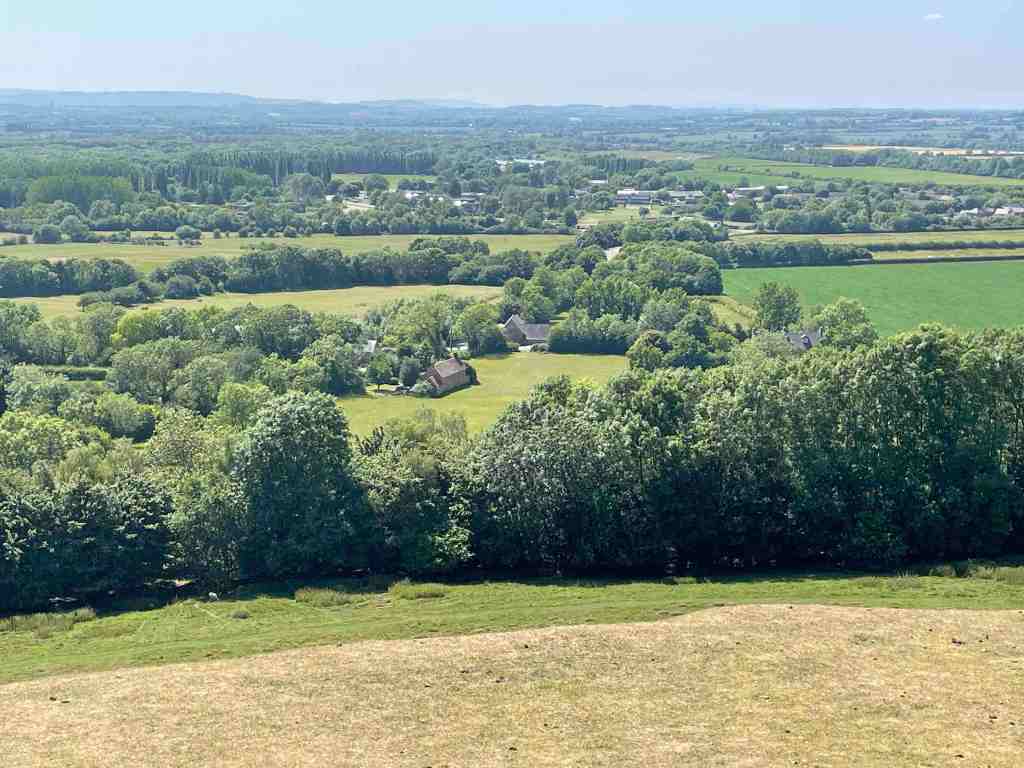
The original Templar lands were eventually divided into three working farms: Owlington, Frog Hall, and Marlborough. These were situated in a straight line along the base of the Burton Dassett Hills, forming part of the spiritual and agricultural heartland of the preceptory.

Though now largely lost to time, part of the land has been incorporated into the Marlborough Barracks, a Ministry of Defence site whose name honors the site’s Templar heritage.
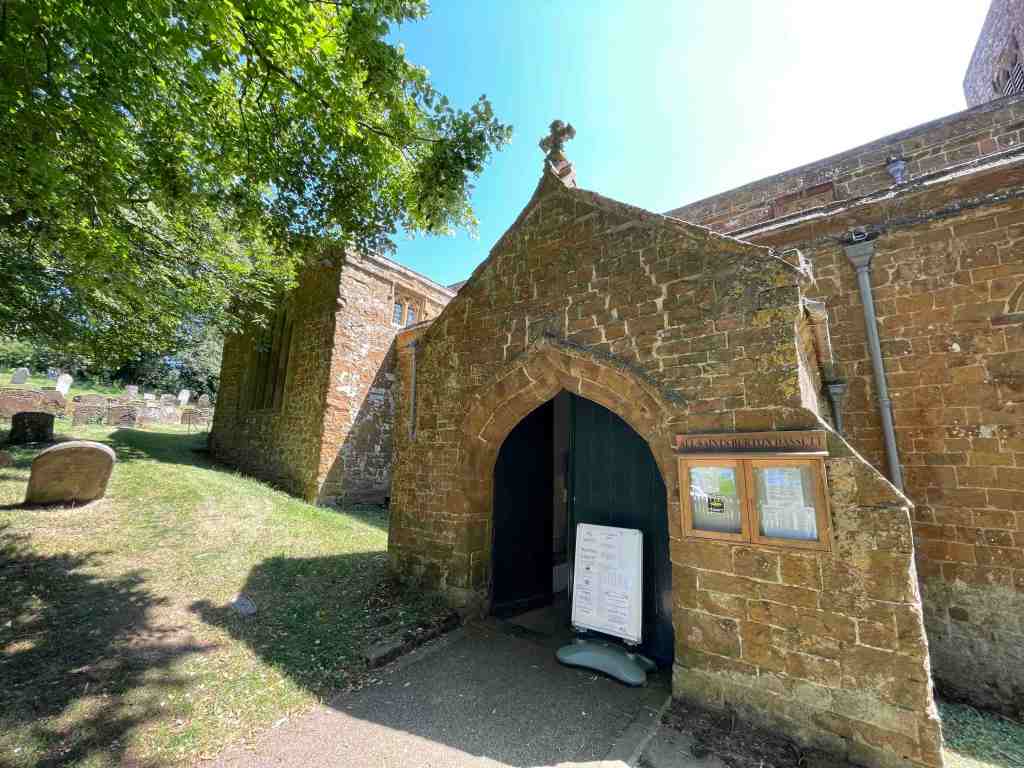
The Church of All Saints, Burton Dassett
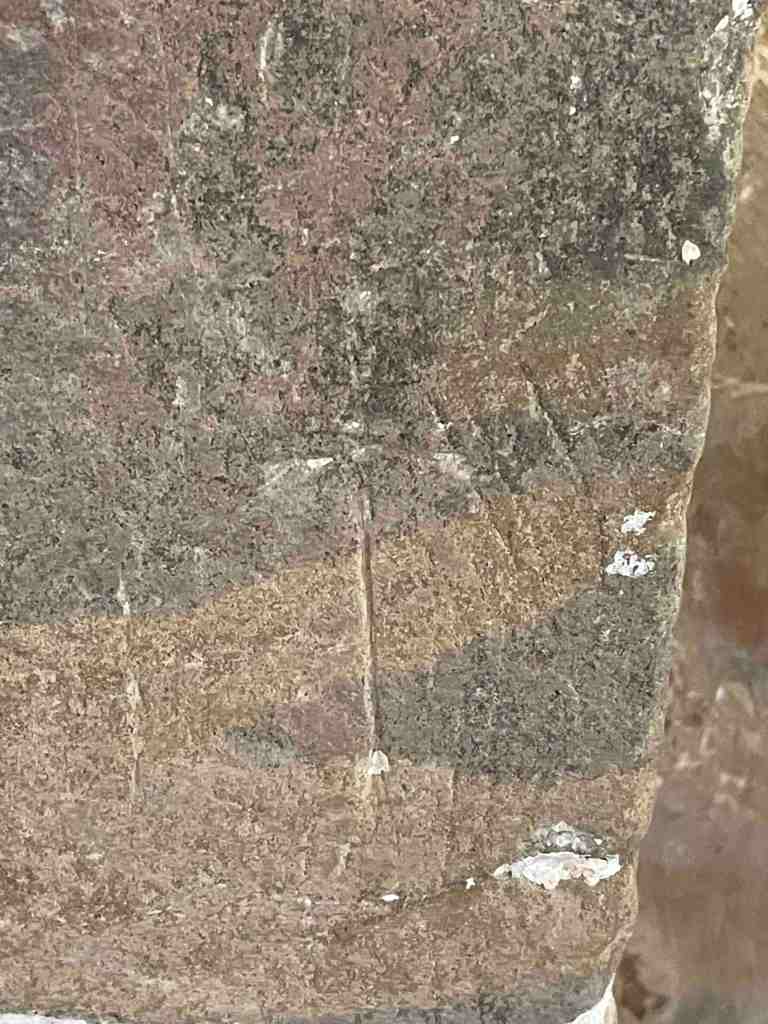
Local lore also ties the Church of All Saints—sometimes called the “Cathedral upon the Hills”—to the Templars, possibly through de Sudeley’s patronage. While direct evidence of Templar construction is lacking, architectural details suggest a strong religious and crusading influence. Symbols like the Agnus Dei (Lamb of God), beloved by the Templars, appear in the church’s artwork, and medieval graffiti includes crosses associated with pilgrimages to the Holy Land.
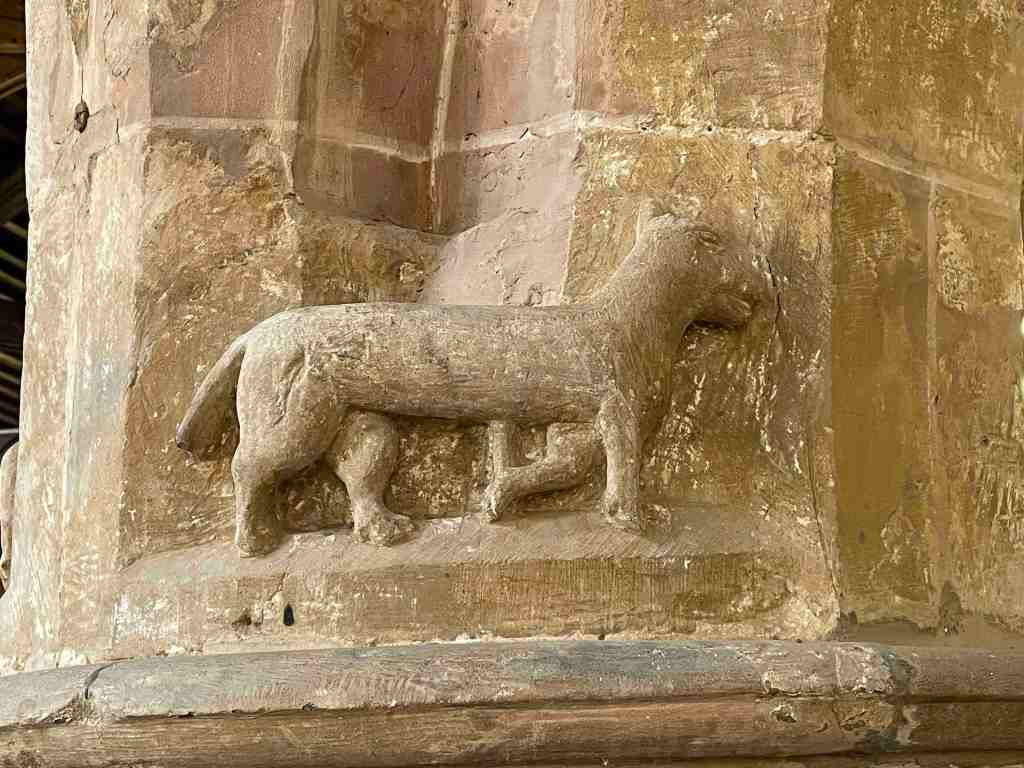
Hidden beneath the modern lime-washed walls are 13th-century wall paintings, some of which have been uncovered. These include a rare image of St. Ethelbert carrying his own head (also found at Hereford Cathedral), a possible Magi or King Oswald, and a large chancel arch painting of the Virgin Mary and St. John flanked by angels.


The Wider Templar Network in Warwickshire
Temple Herdewyke was just one node in a broader Templar estate that included holdings in:
- Temple Balsall – The Templar Preceptory HQ in Warwickshire, with an existing church and timber-framed hall.
- Cubbington – 3 yardlands held in 1279.
- Harbury – Temple End named for the Templar-owned lands.
- Tysoe – Lands gifted by Robert de Stafford and Henry de Clinton.
- Wolvey – Templar farm with a surviving fish pond.
- Studley – Mills and land donated by Peter de Studley.
- Chilvers Coton – Former manor known as ‘The Temple’, with archaeological evidence of Templar use.
- Sherbourne – 360 acres and a church granted by Roger, 1st Earl of Warwick.
- Fletchampstead – Land once gifted to a hermit, later transferred to the Templars.
- Warwick – A small preceptory established by Roger, Earl of Warwick, with extensive staff and buildings pre-1153.
Legacy and Reflection
Today, the fields around Burton Dassett remain tranquil, sheep still graze the hills, and faint echoes of a once-powerful military order linger in place names and crumbling walls. While the Ark of the Covenant may never have graced Warwickshire soil, the real treasures left behind by the Templars lie in the enduring myths, landscapes, and spiritual markers they left behind.
Whether you’re a historian, a pilgrim of curiosity, or simply a lover of English landscapes, Temple Herdewyke and its surrounding Templar sites offer a glimpse into a hidden medieval world—one where legend and fact continue to intertwine.

Learn More about the Knights Templars in the UK on our main website by clicking here
Check Out out Knights Gift Store for your replica Knights Templar, Hospitaller and Order of St Lazarus Armour, weapons clothes & gifts by clicking here
 TheTemplars.Co.Uk