APRIL 2026
The twin preceptories of Ribston and Wetherby in North Yorkshire stand as fascinating reminders of the medieval military-religious orders that shaped the region’s religious, economic, and social landscape. Initially established by the Knights Templars in the early 13th century and later transferred to the Knights Hospitaller, these sites provide insight into the management of estates, chapels, and markets, as well as the enduring legacy of crusading orders in northern England.
Ribston Preceptory: A Templar Stronghold
Foundation and Land Grants
Ribston Preceptory was founded around 1217 following a donation from Robert de Ros, a powerful Yorkshire baron. He granted the manor of Ribston, the advowson of the parish church, the vill and mills of Walshford, and the vill of Hunsingore, lands inherited from his mother, Rose Trussebut. These donations provided the Templars with a substantial landed base in the West Riding of Yorkshire, establishing Ribston as a key operational center for managing estates and supporting crusading missions in the Holy Land.
Subsequent grants expanded Ribston’s holdings, including woodland and additional lands from local benefactors, consolidating the preceptory’s regional influence by the mid-13th century.
Lands, Revenues, and Economic Role
The Ribston estates were extensive:
- Manor with gardens – generating 13s 4d per year
- Dovecote – 5 shillings
- Nine acres of arable land, divided among different rates, totaling £28 15s
- Four water mills, with combined revenue of £7
- Meadows and pastures, livestock profits, rents, and court perquisites totaling several hundred pounds by 1308
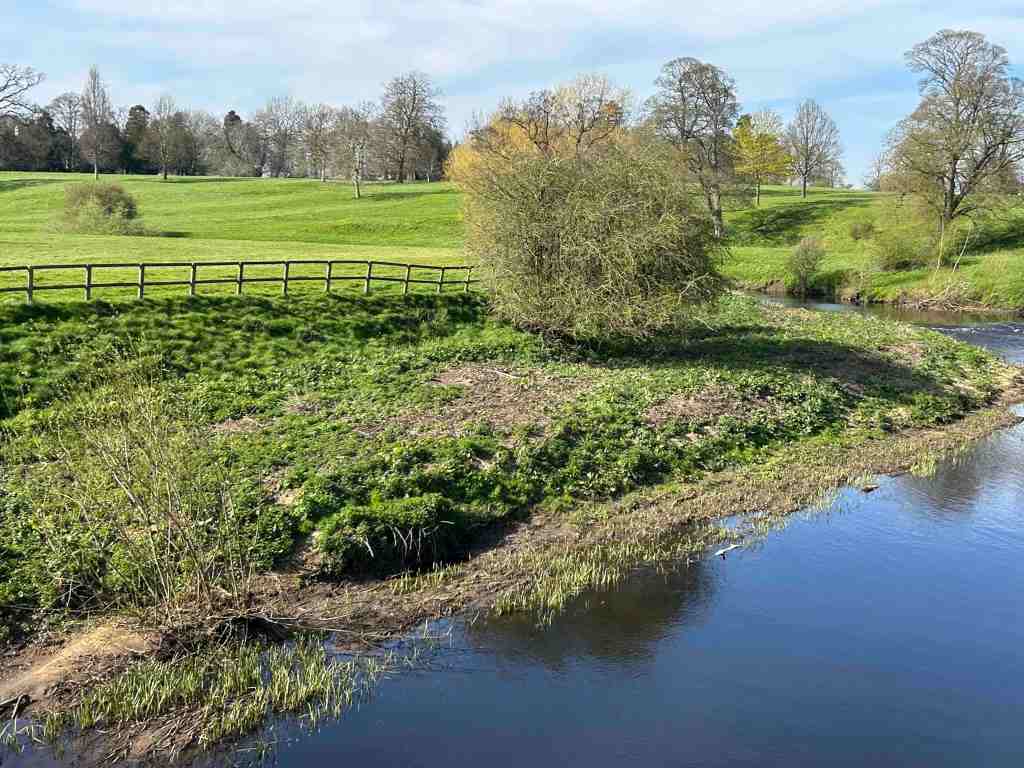
These revenues underscore Ribston’s wealth and its importance as an administrative center for Templar estates in northern England. The Templars also appropriated churches, including Hunsingore, providing ecclesiastical income through tithes and advowsons.
The Curious Mound and Cross at Ribston
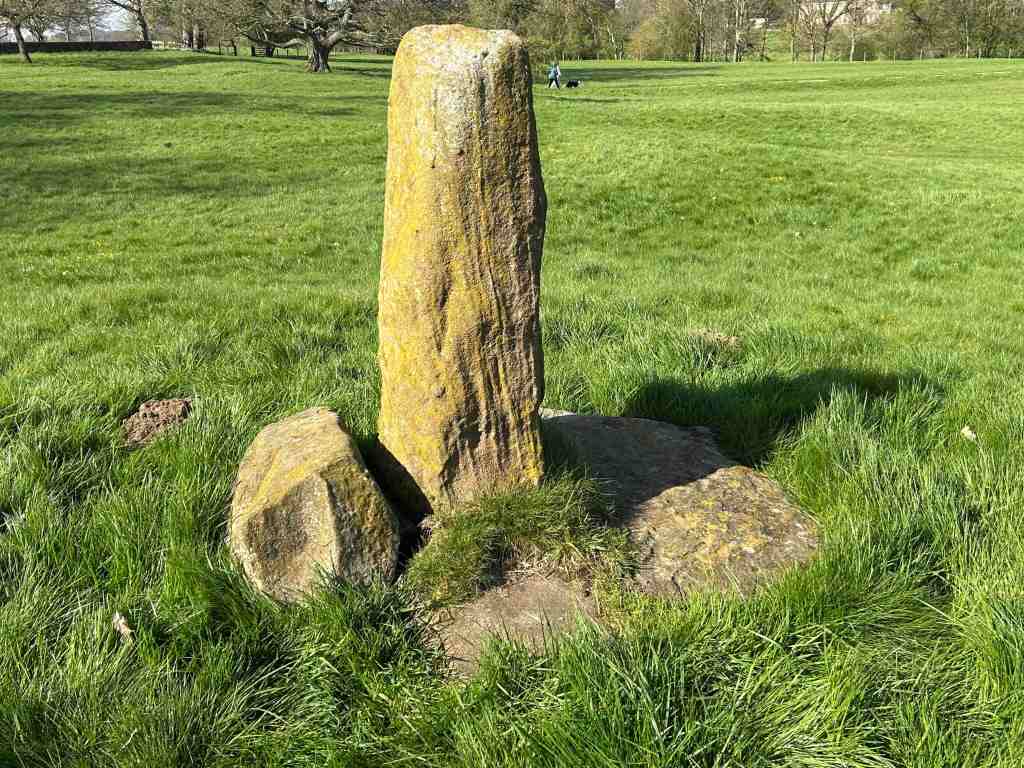
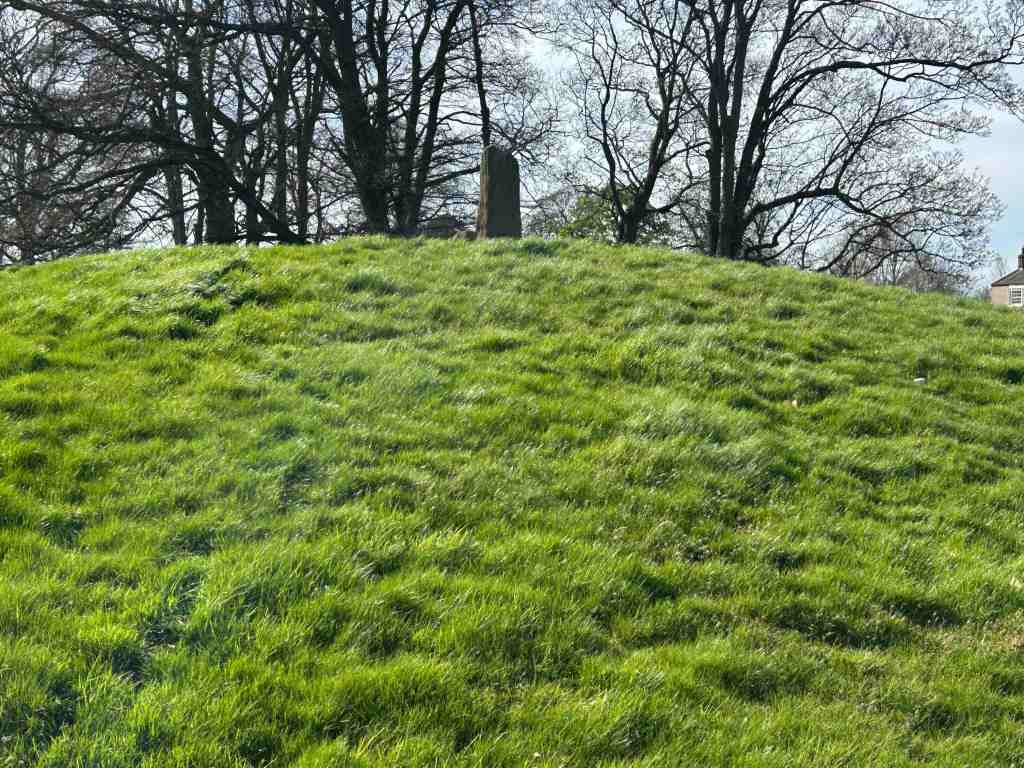
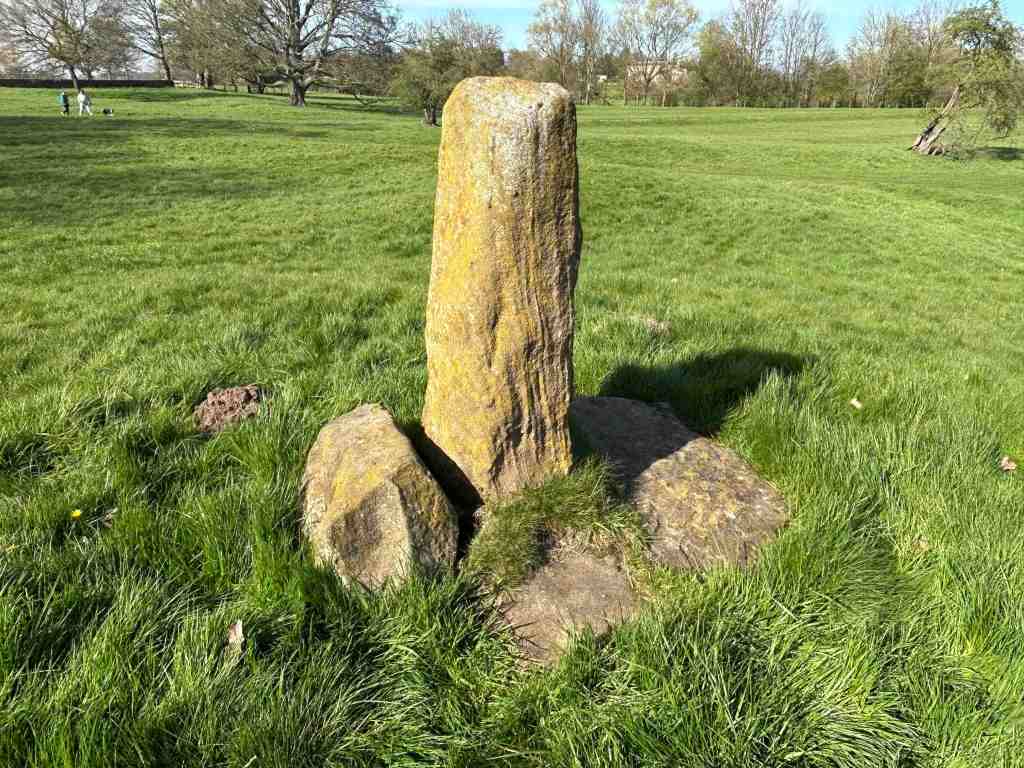
A particularly intriguing feature at Ribston lies a short distance from the current Ribston Hall, on the site of the former Templar preceptory. Here, a small man-made mound rises from the surrounding fields, upon which stands what appears to be the shaft of a medieval cross. Its form bears a striking resemblance to both the mound and cross seen at the Templar manor of Ryton on Dunsmore, previously discussed on our site. The purpose of this enigmatic structure is open to interpretation: it may have served as a boundary marker, delineating the outer limits of Templar landholdings in a similar fashion to the cross near the large oak tree at Temple Broughton in Worcestershire. Alternatively, it could have acted as a tithe marker, signaling the point beyond which tithes and taxes were either levied or waived. Whether a practical administrative marker or a symbolic assertion of Templar authority, the mound and cross stand as a tangible, if mysterious, reminder of Ribston’s medieval past and the enduring footprint of the Knights Templar in Yorkshire.
Preceptors and Residents
Notable preceptors included:
- Richard de Keswik (de Chesewyk) – preceptor from c. 1298 until the 1308 suppression
- Other residents included brothers, chaplains, and lay servants, like clavigers, who managed day-to-day operations.
Daily life at Ribston involved overseeing agricultural production, mills, and woodland, maintaining chapels, and administering the manor’s legal and economic obligations. A chaplain was endowed to pray for Robert de Ros’s soul, illustrating the intertwining of religious duty and estate management.
Chapels and Religious Infrastructure
Ribston housed the chapel of St. Andrew, located within the parish churchyard. This modest facility, like other Templar chapels, was functional rather than ornate, providing space for worship, prayer, and chaplaincy services. Remarkably, the chapel included small silver plate and liturgical items, highlighting a balance between spiritual austerity and limited secular wealth.
Suppression and Transfer
In 1308, the Templars were arrested across England, including Ribston. Preceptor Richard de Keswik, claviger Richard de Brakearp, and brother Henry de Craven were detained and later released. The estates were temporarily seized by the Crown and assessed at £267 13s, reflecting the preceptory’s substantial value.
Following the papal dissolution of the Templars in 1312, Ribston passed to the Knights Hospitaller, who maintained it as a regional estate until the Dissolution of the Monasteries in 1540.
Legacy Today
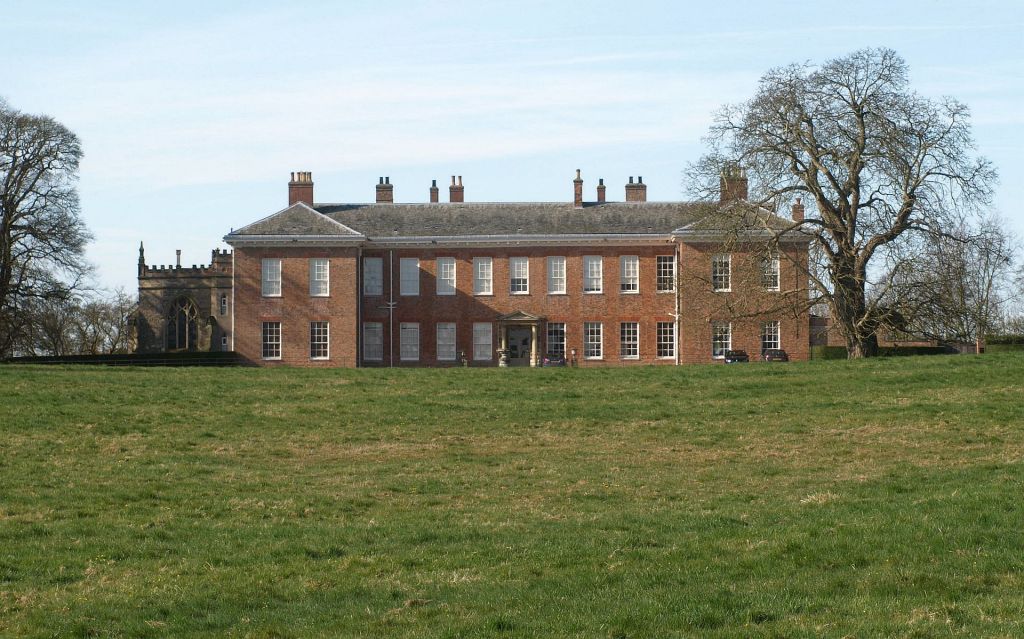
The medieval preceptory at Ribston survives primarily through Ribston Hall, built in 1674. The 13th-century chapelremains intact, now part of the Hall, and features stained glass depicting both a Knight Templar and a Knight Hospitaller flanking St. Andrew. While much of the original preceptory’s layout has been absorbed into later structures, the chapel and hall preserve the site’s historical significance.
Wetherby Preceptory: Trade and Administration on the Great North Road
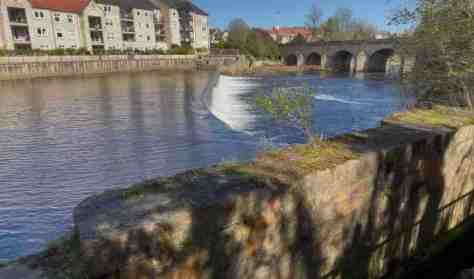
Foundation and Land Grants
Wetherby became associated with the Templars shortly after Ribston, with initial grants dating to 1238 from William de Denby, son of Robert, providing mills, arable land, and pastures. These were supplemented by additional donations from local families and sisters of Rose Trussebut, integrating Wetherby into the Ribston commandery.
The Templars capitalized on Wetherby’s strategic location at the crossing of the River Wharfe on the Great North Road, turning the preceptory into an administrative center overseeing commerce, markets, and agricultural production.
Markets, Fairs, and Economic Activity
In 1240, King Henry III granted Wetherby a charter to hold a weekly Thursday market and an annual fair on the feast of St. James the Apostle, transferring privileges from Walshford. This transformed Wetherby into a modest trading hub and generated additional income for the Templars.
Wetherby’s economic assets included:
- Manors and messuages with pasture
- Extensive arable land – 740 acres, generating £18 10s
- Water mills worth 10 marks
- Pastures for livestock, including 300 sheep and 20 cows
- Court perquisites and stallage from markets
- Churches at Wytchurch and Hunsingore
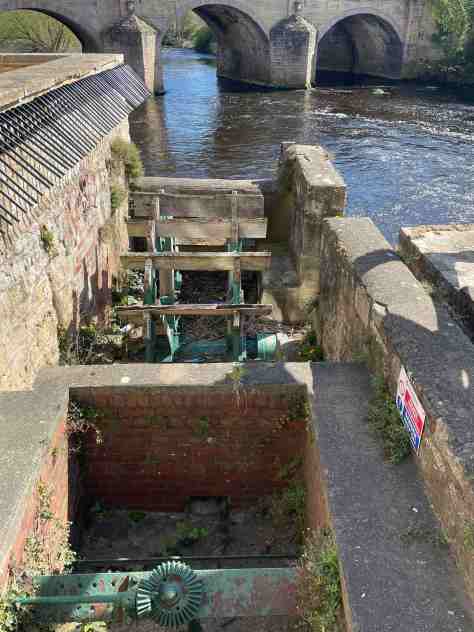
These holdings reinforced the preceptory’s dual role as a spiritual and economic hub.
Preceptors and Residents
Known preceptors of Wetherby included William de Garewyz (c. 1293), while Ribston was led by Richard de Keswik. The estates supported brothers, chaplains, and lay staff, who managed day-to-day operations, oversaw markets, and maintained chapels.
Suppression and Transition
In 1308, the Templars at Wetherby were arrested under orders from Edward II. While some residents were detained at nearby Ribston, the estates were seized by the Crown and assessed at £120 7s. 8d.
Following the Templars’ dissolution, Wetherby passed to the Knights Hospitaller, who continued estate management and the weekly market until the 16th century. The Hospitallers maintained the preceptory’s economic and religious functions, overseeing chapels, mills, and lands as part of their regional commandery.
Legacy Today
Physical evidence of Wetherby Preceptory is largely lost due to later urban development. However:
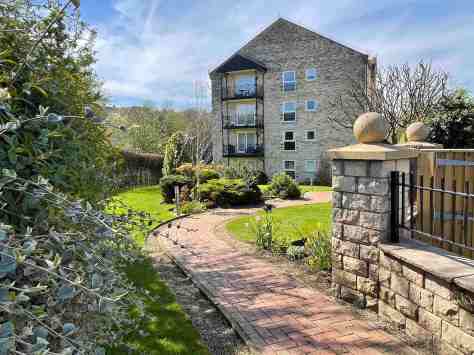
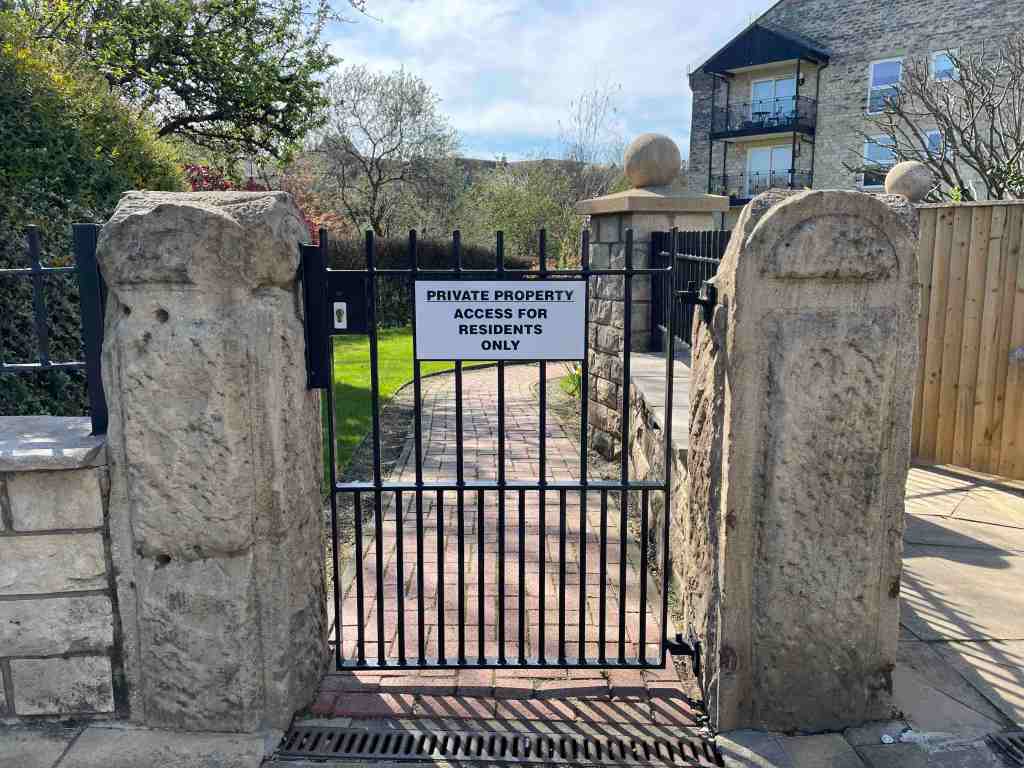
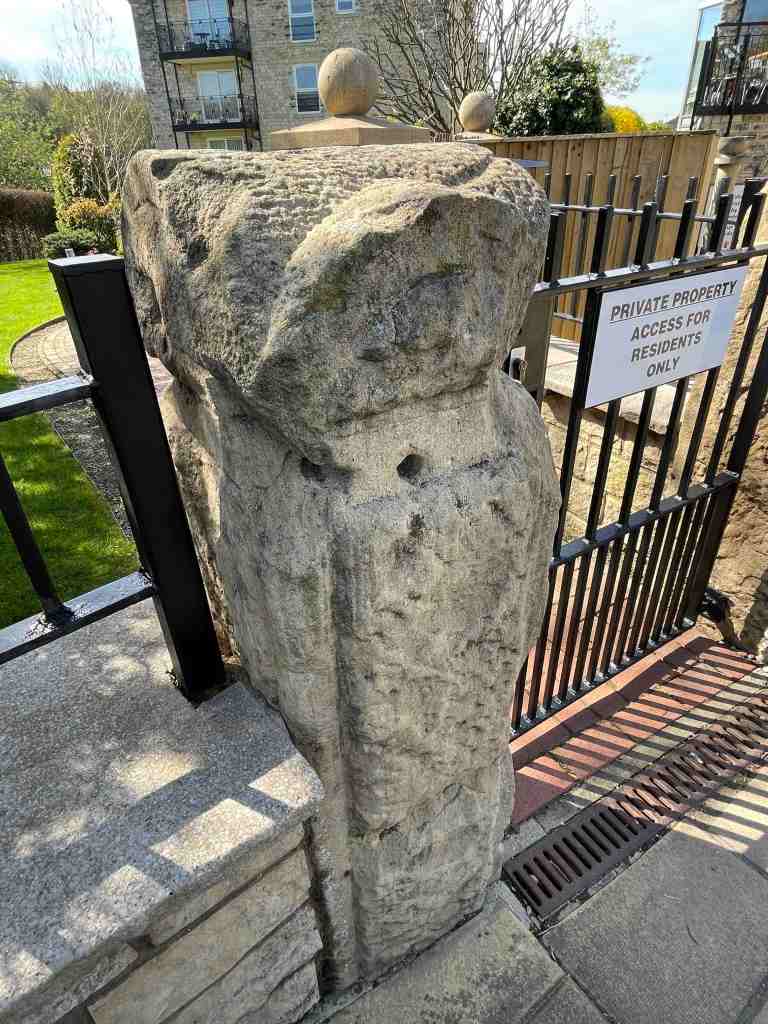
- A stone tithe cross, discovered near a former brewery, marks the site of the Templar holdings and signifies tax-exempt status.
- The market town itself reflects the preceptory’s medieval influence on local trade.
- Archaeological features near Hunsingore preserve sub-rectangular hall foundations and terraces, indicative of former domestic and administrative buildings.
Ribston and Wetherby: A Legacy of Two Orders
Together, Ribston and Wetherby illustrate how the Templars integrated religious, economic, and social roles within Yorkshire. The preceptories managed extensive lands, chapels, and markets, funded crusading endeavors, and later transitioned smoothly to the Knights Hospitaller, who maintained these estates until the 16th century.
Today, Ribston Hall and chapel offer the clearest link to this medieval past, while Wetherby reflects the lasting imprint of Templar land management and market foundations on the town’s development. Their story highlights the intertwined military, religious, and commercial ambitions of England’s medieval knightly orders.
Learn More about the Knights Hospitallers in the UK on our main website by clicking here
Check Out out Knights Gift Store for your replica Knights Templar, Hospitaller and Order of St Lazarus Armour, weapons clothes & gifts by clicking here
 TheTemplars.Co.Uk