AUGUST 2025
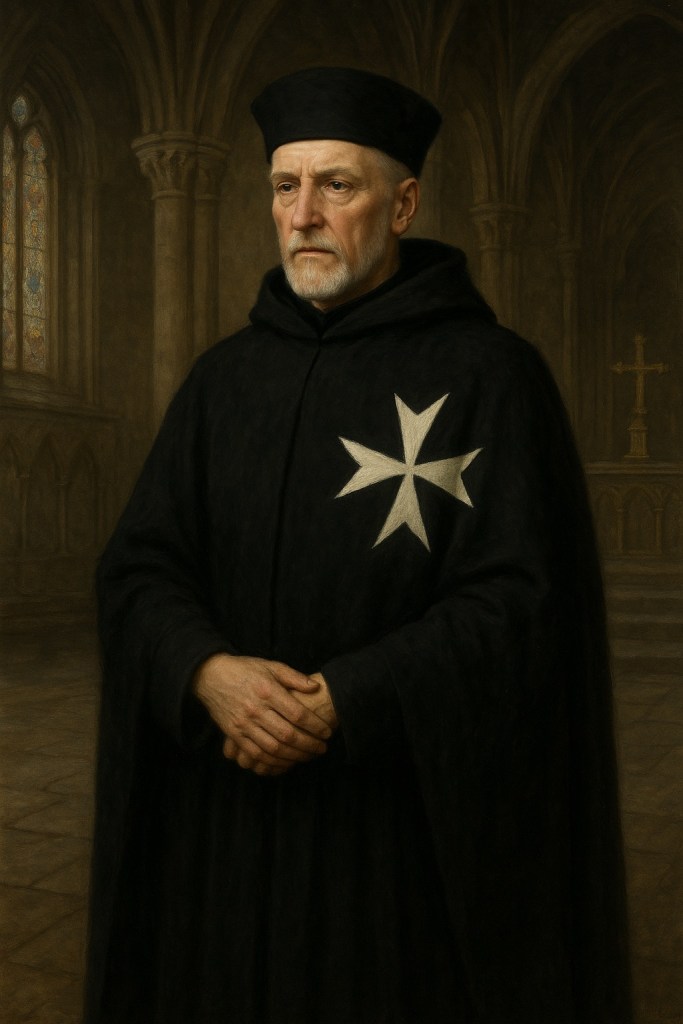
In the tapestry of the Wars of the Roses, some figures are remembered as kings, others as traitors, and a few as men caught between sacred vows and political storms.
Sir John Langstrother was one such man — a knight of the Order of St John of Jerusalem, a trusted royal officer, and a loyal servant of the House of Lancaster, whose life ended brutally in the marketplace of Tewkesbury.
From Crosthwaite to the Crusading Order
John Langstrother’s story begins in the quiet parish of Crosthwaite, near Kendal in what is now Cumbria. We know his origins with unusual precision thanks to a judicial investigation held in St Paul’s Cathedral, London, on 26 July 1436— a rare survival from the fifteenth century.
Witnesses that day included his father, Sir Thomas Langstrother, aged 60; his mother Jane, aged 46; the parish priest of Crosthwaite; his godfather; and others from the local community. They swore to the truth of his birth: 29 November 1416. The testimony was entered into a formal notarial deed by Robert Kent, a cleric of Canterbury Cathedral, at the request of Sir John’s brother, Sir William Langstrother.
The Langstrothers were of gentle birth, holding a manor near Kendal. The young John grew up in a household that valued military skill, faith, and the duties of rank — all of which prepared him for the life of a Hospitaller knight.
Rise Through the Knights Hospitaller
By the mid-15th century, Langstrother had joined the Order of St John, one of Europe’s most prestigious religious-military orders. His service took him far beyond the fells of Cumbria:
- 1453 – Served as Castellan (Governor) of Rhodes, the Order’s island fortress in the eastern Mediterranean, guarding Christian Europe’s frontier against the Ottomans.
- Later became Bailiff of the Eagle Commandery, a high administrative role within the Order.
- Commanded the Hospitaller houses of Dalby and Rotheley in England.
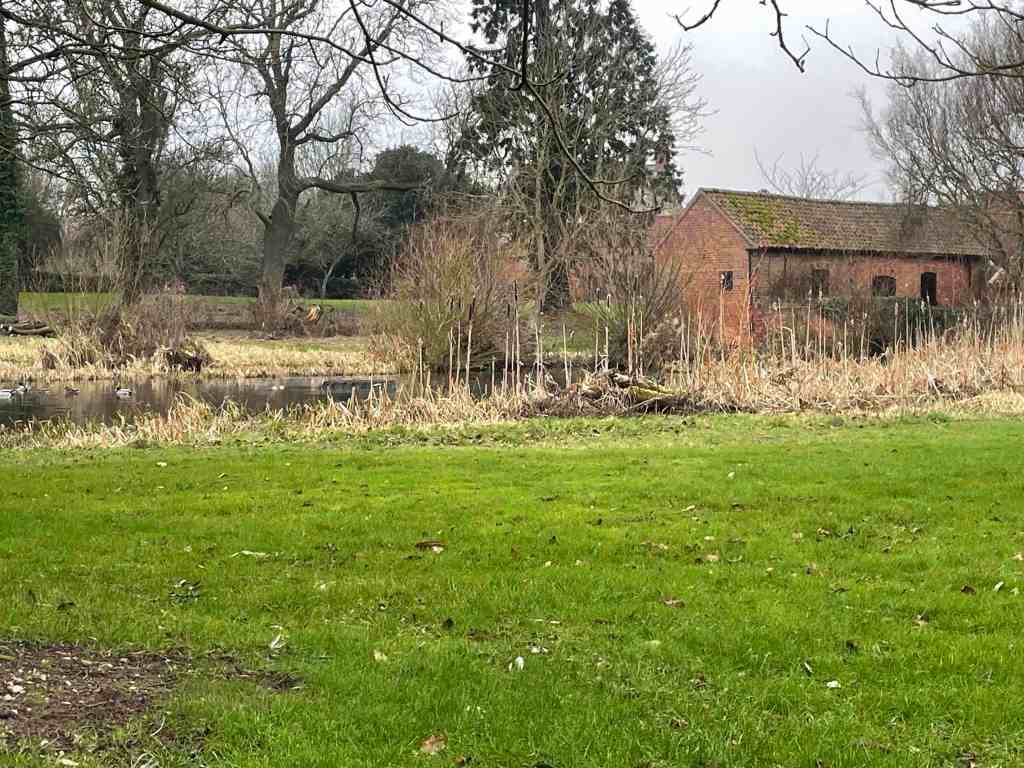
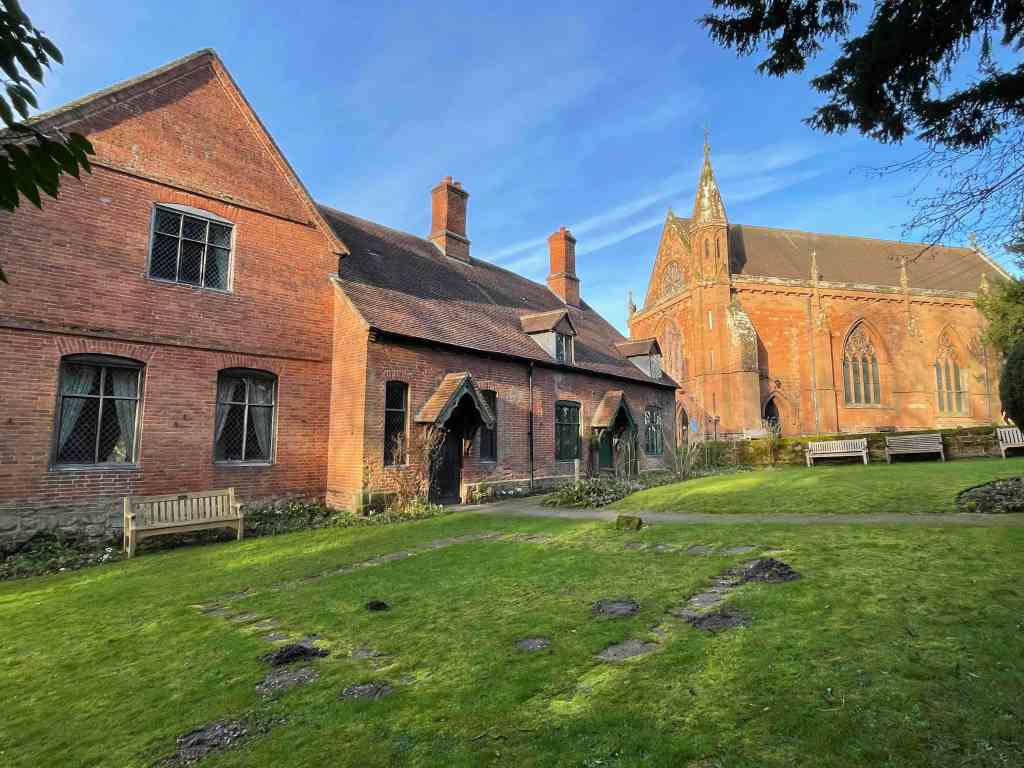
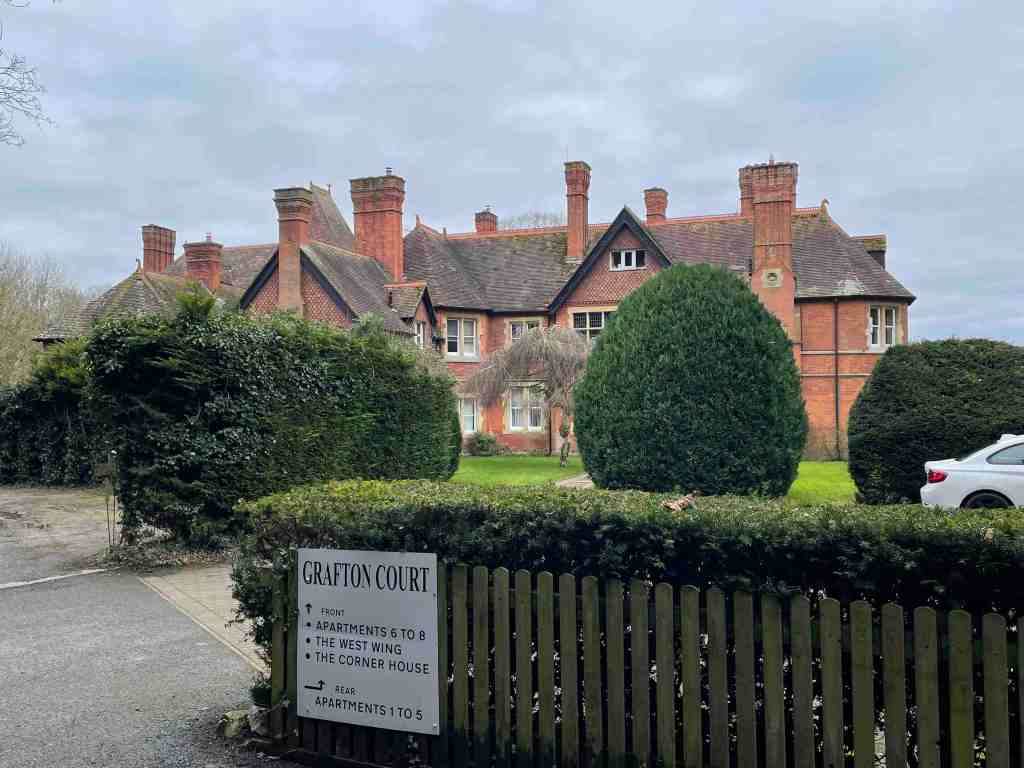
- Around 1470, held the post of Preceptor of Balsall in Warwickshire, a key estate often managed with nearby Grafton.

Grand Prior and Royal Officer
In 1469, Sir John reached the pinnacle of the English branch of the Hospitallers, becoming Grand Prior of England. His appointment was remarkable for the royal involvement it drew: King Edward IV required the brethren to swear an oath of fealty to recognise him — something that had only been demanded once before in the Order’s English history.
Langstrother also stepped into high royal office:
- On 20 October 1470, he was appointed Treasurer of the Chancery of the United Kingdom.
- On 24 February 1471, he became Custodian of the Exchange of Moneys, overseeing the gold and silver coinage of the realm and the mint at Calais.
In these roles, he balanced the spiritual obligations of a knightly order with the political demands of a king — a delicate position at any time, but deadly during the Wars of the Roses.
The Road to Tewkesbury
Despite serving under Edward IV, Langstrother’s sympathies lay with the Lancastrian cause. When Queen Margaret and Prince Edward landed in 1471 to reclaim the throne for the imprisoned Henry VI, Sir John sided with them.
He fought at the Battle of Tewkesbury on 4 May 1471, a decisive clash that saw the Lancastrians shattered. In the rout, Langstrother sought sanctuary in Tewkesbury Abbey, a place traditionally protected by the Church’s right of asylum.
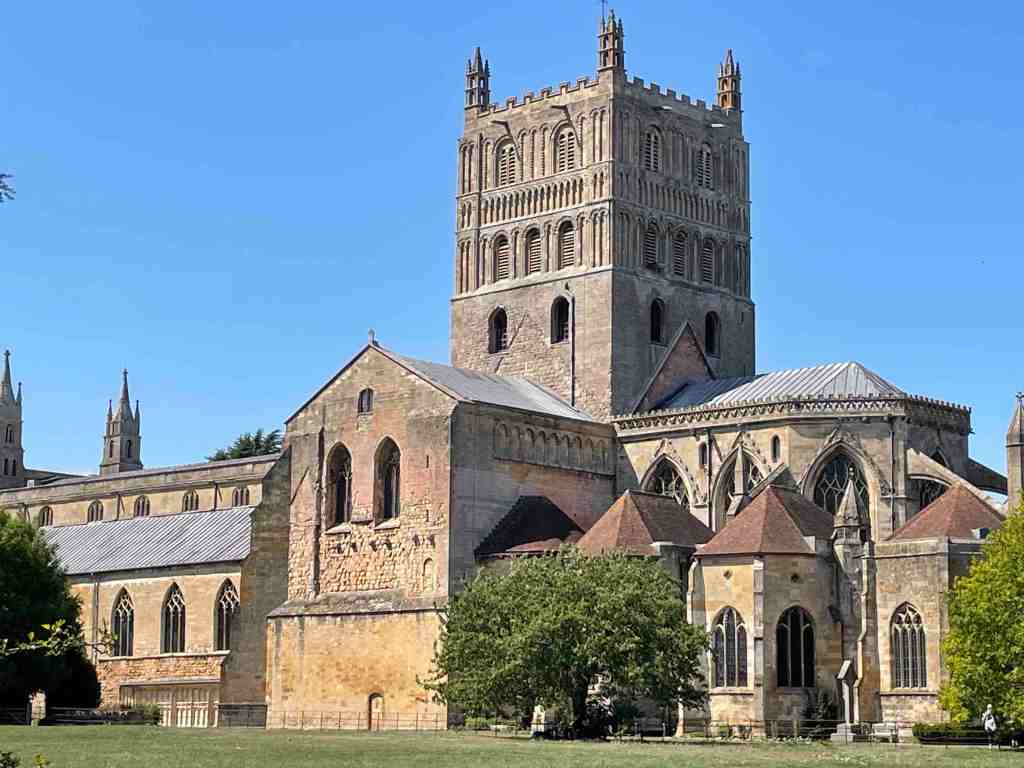
Blood in the Marketplace
For two days, Sir John remained within the Abbey’s sacred walls. But on 6 May 1471, the protection of sanctuary was brutally ignored. Yorkist soldiers dragged him from the Abbey and executed him in cold blood at what is now Tewkesbury’s main cross and marketplace — a public killing intended as both vengeance and warning.
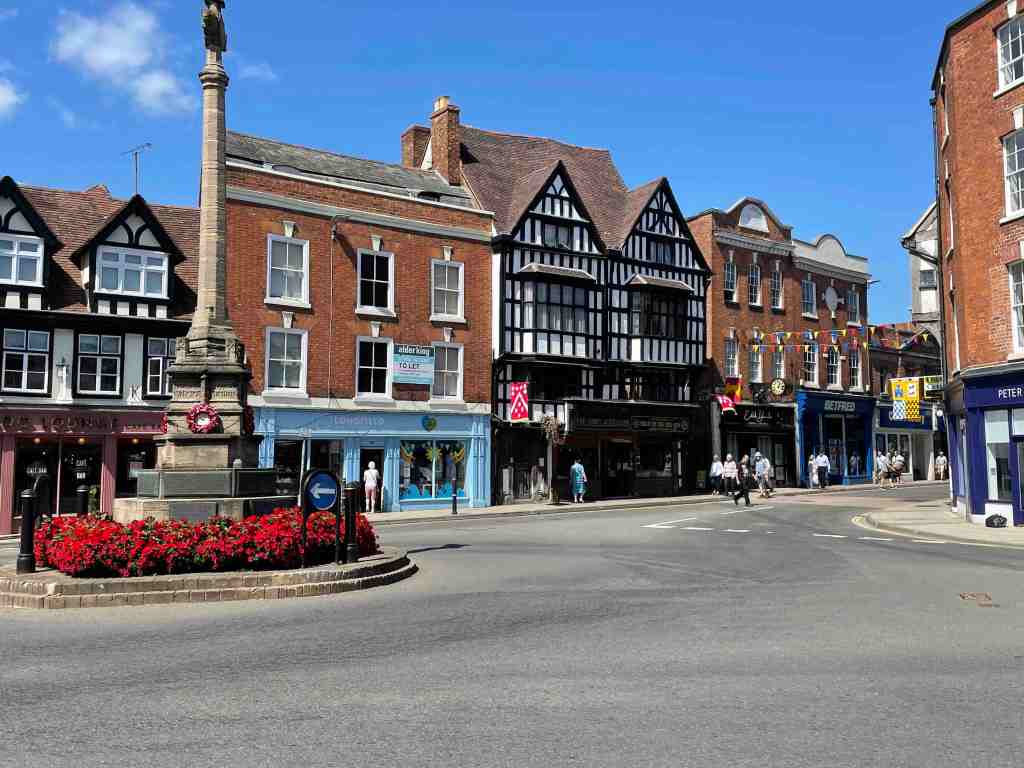
The image is stark: a man who had governed Rhodes, commanded estates, and advised kings reduced to a bloodied body in the dust of a market square.
Remembering Sir John Langstrother
Sir John Langstrother’s life captures the contradictions of his age. He was a religious knight bound by vows of service, yet also a royal treasurer navigating the ruthless politics of England. He rose to one of the most prestigious posts in the Hospitallers, yet met an end more fitting to a defeated rebel.
Today, his name survives in Hospitaller records, in the history of Crosthwaite, and in the shadow of Tewkesbury’s market cross. It is a reminder that in the Wars of the Roses, sanctuary could be stripped away, and loyalty could cost everything.
Learn More about the Knights Hospitallers in the UK on our main website by clicking here
Check Out out Knights Gift Store for your replica Knights Templar, Hospitaller and Order of St Lazarus Armour, weapons clothes & gifts by clicking here
 TheTemplars.Co.Uk