JANUARY 2026
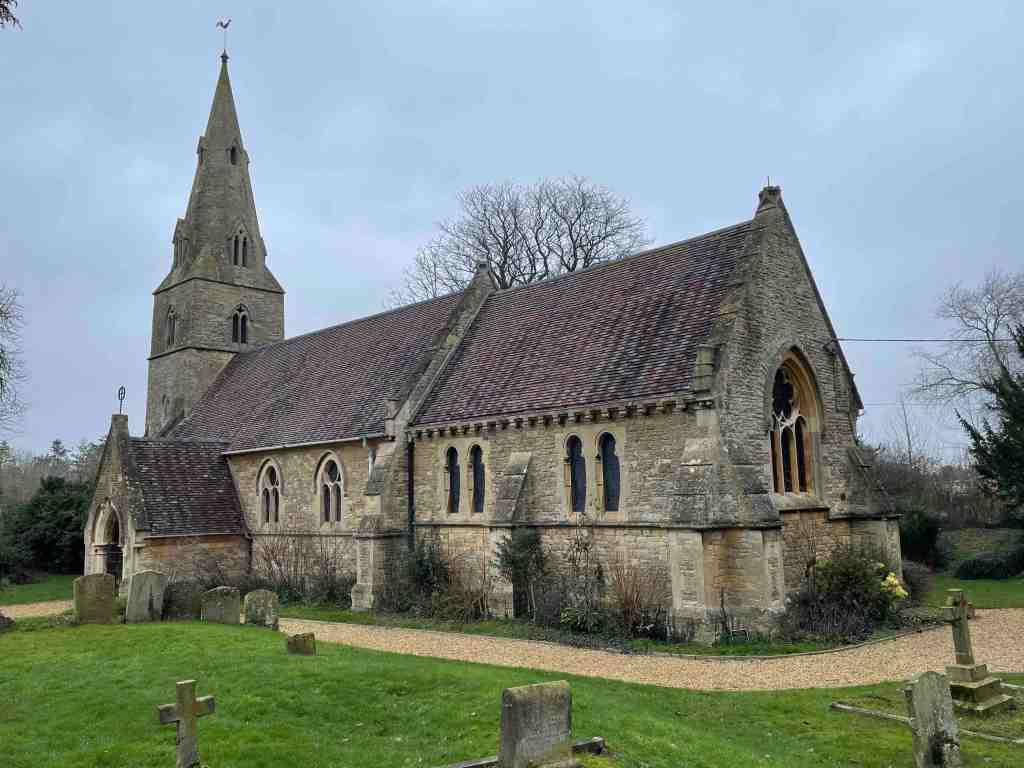
The Hospitallers & The Attack on Souldrop
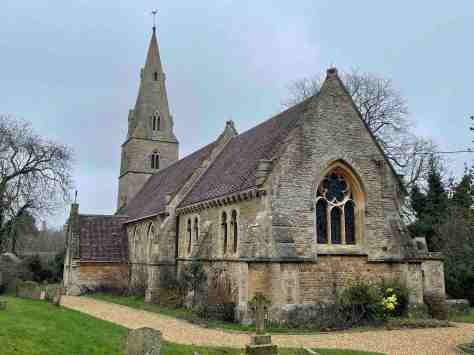
Tucked away in rural Bedfordshire, the church of St Mary the Virgin, Souldrop holds a remarkable connection to the medieval Knights Hospitaller — and a story that reads more like a thriller than parish history.
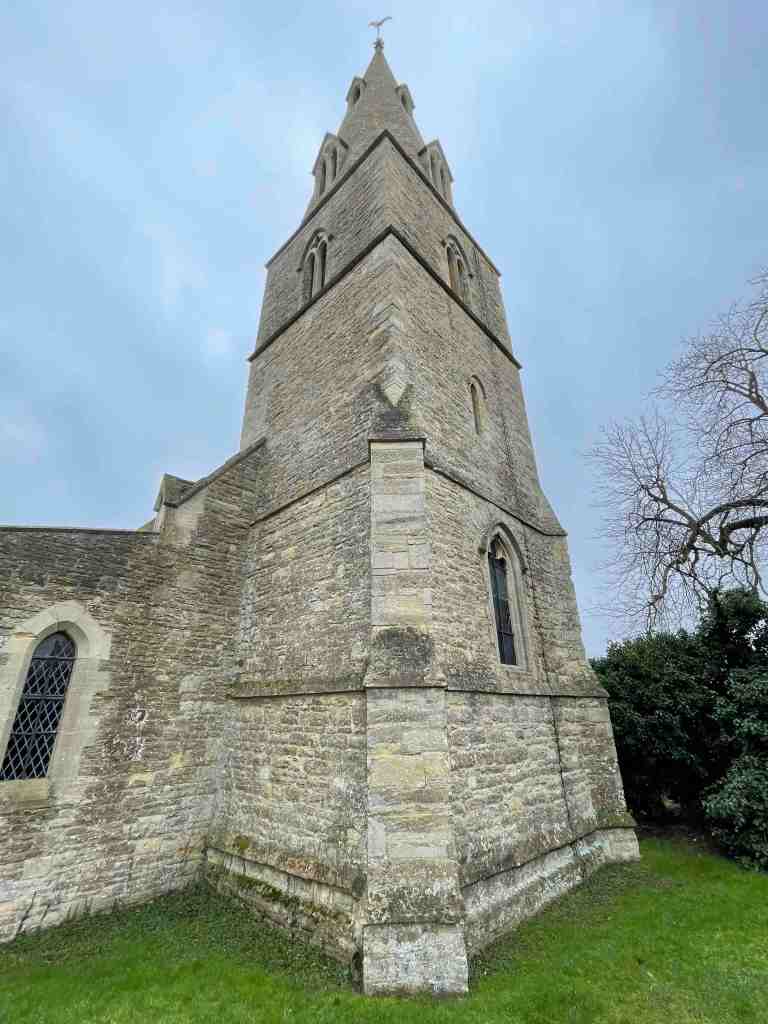
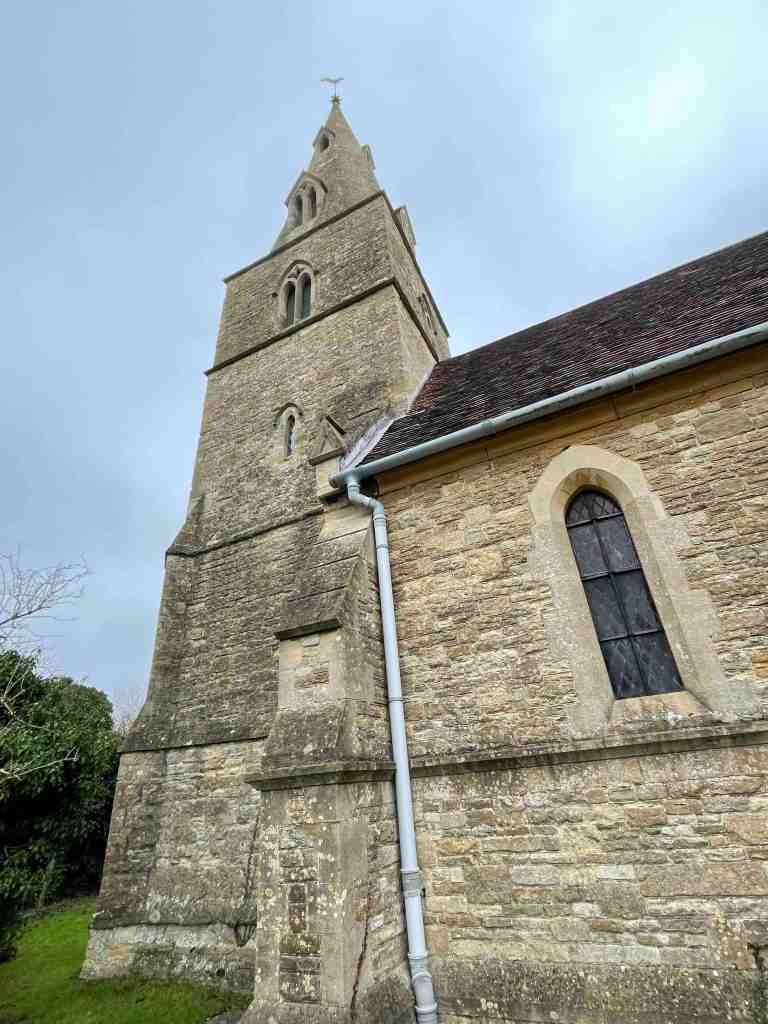
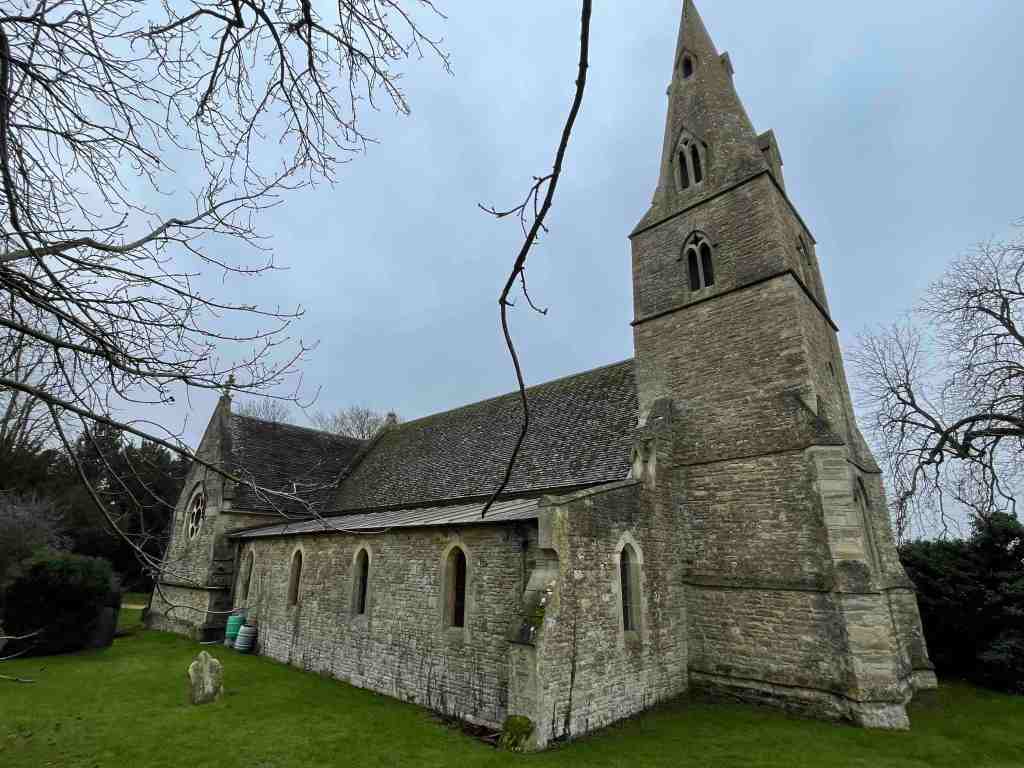
A Crusader Church
Souldrop was part of the original endowment of the Knights Hospitaller of St John of Jerusalem at their nearby base, the Preceptory (Commandery) of Melchbourne, founded in the reign of King Henry II (1154–1189).
The advowson (the right to appoint the parish priest) of Souldrop church was given to the Hospitallers by Walter Harle, placing the church firmly under the control of this powerful Crusading order. From the 12th century until the Dissolution of the Monasteries under Henry VIII, Souldrop remained part of the Hospitaller estate.
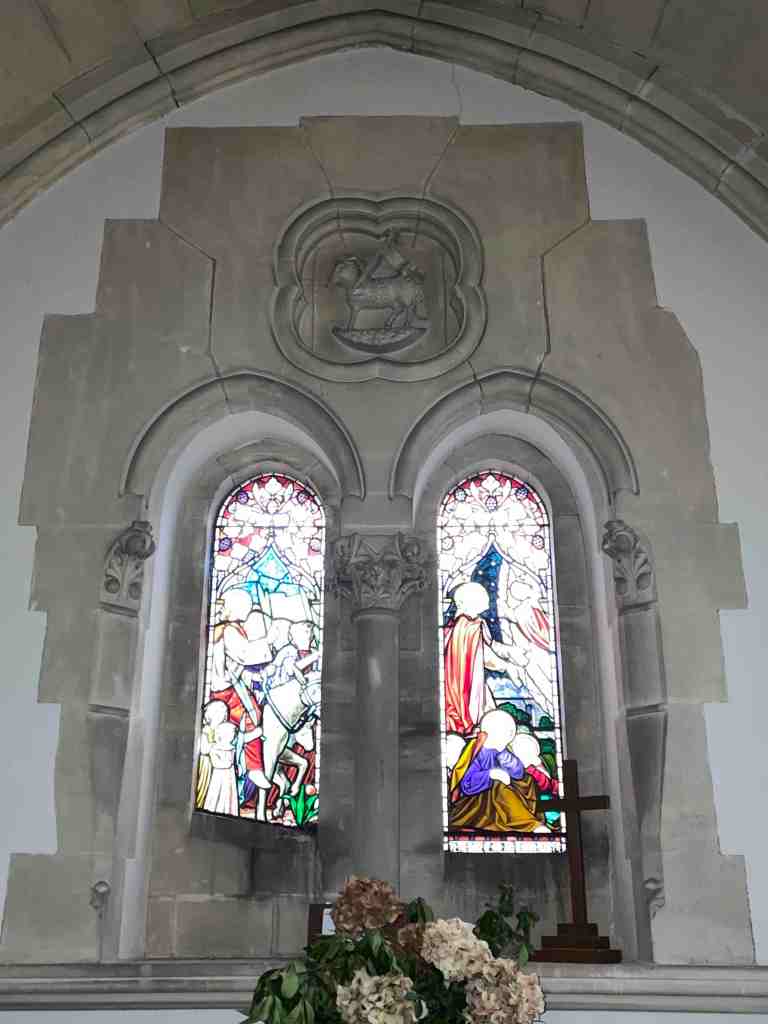
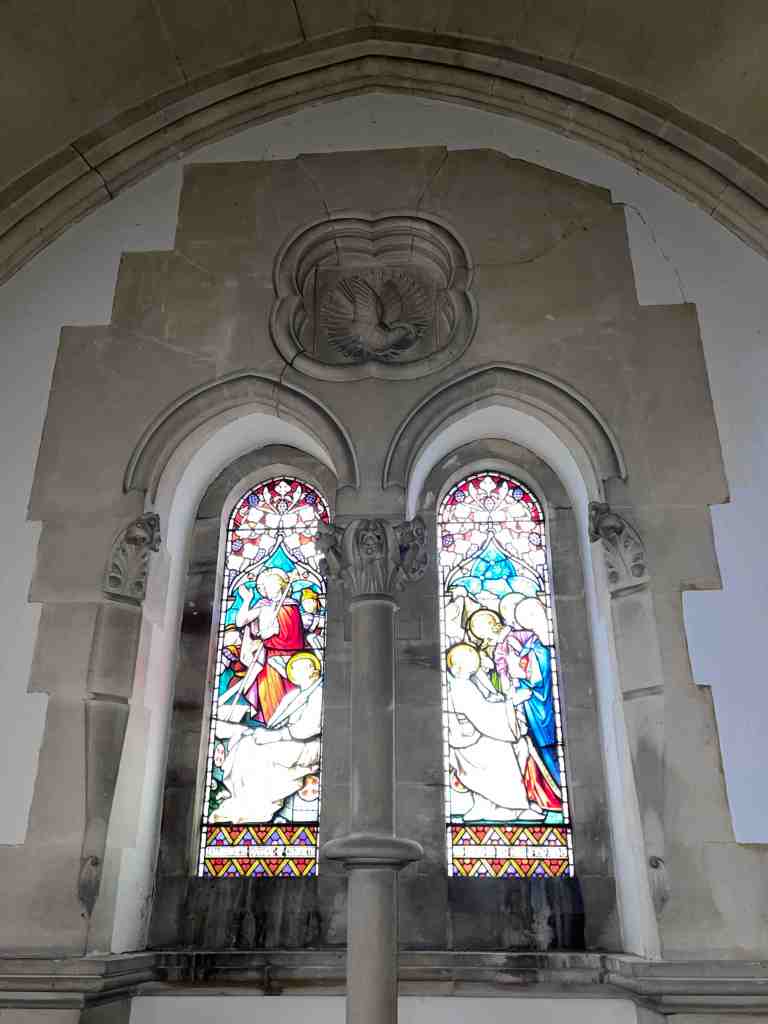
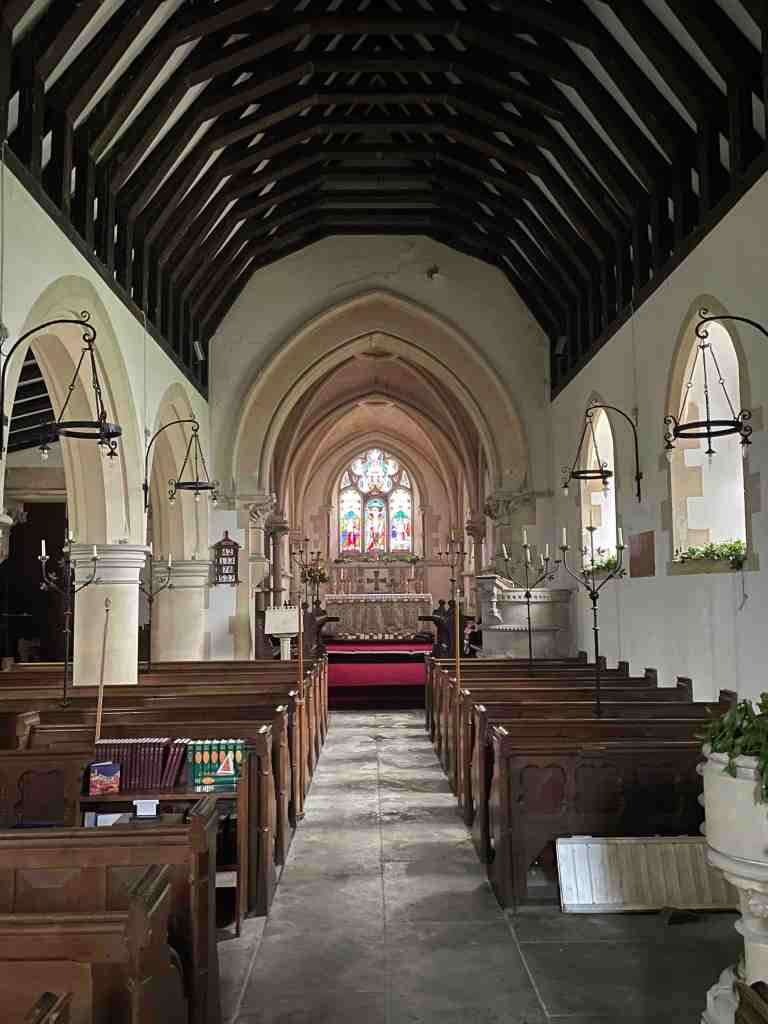
Like many English churches connected to the military orders, Souldrop was not only a spiritual centre but also part of the economic and legal framework that helped fund the Hospitallers’ charitable and military work overseas.
A Violent Night: October 1270
That authority was fiercely defended.
On 5 October 1270, Hugh Bossard of Knotting, Lord of the Manor of Knotting, entered Souldrop church claiming rights over its lordship and advowson after purchasing land from John de Souldrop, a former patron. That very night, Brother Hubert of Chelsham, Master of the Hospitaller house at Melchbourne, arrived and challenged Hugh’s presence, insisting the land belonged to the Hospital.
What followed was extraordinary.
When Hugh and his companions refused to leave, Brother Hubert and his followers attacked the church, firing bows, arrows, and crossbows, and even bringing fire to burn the church door. Those inside barricaded themselves within the church and returned fire.
During the exchange, Roger le May was struck in the left eye by a barbed arrow. He later died of the wound at Melchbourne on 8 October 1270.
Justice, Inquests, and Outlawry
What came next was a tangled legal aftermath involving coroners’ inquests, county courts, royal justices, and dozens of named witnesses from surrounding villages.
No jury could agree who fired the fatal arrow — whether it came from inside or outside the church. Brother Hubert, as a Hospitaller, owned no personal property and was protected by the wider Order; others were arrested, imprisoned, fined, or later acquitted.
Roger’s widow, Beatrice le Tippere, pursued justice relentlessly. She formally accused Nicholas of Bakewell of the killing. When he repeatedly failed to appear in court, he was ultimately outlawed.
Many of those present at the attack — whether combatants or bystanders — were amerced (fined) simply for being there. The event shows how seriously such disputes were taken, and how deeply entangled religious orders were in land, law, and local power.
Why This Matters
This episode reminds us that medieval churches were not just places of worship — they were symbols of authority, property, and influence. The Knights Hospitaller were a religious order, but also landowners, landlords, and legal actors willing to defend their rights forcefully.
Today, Souldrop church stands quietly in its landscape. Yet beneath its stones lies a history shaped by the Crusades, by powerful knightly orders, and by one violent night when a Bedfordshire church became a battlefield.
Learn More about the Knights Hospitallers in the UK on our main website by clicking here
Check Out out Knights Gift Store for your replica Knights Templar, Hospitaller and Order of St Lazarus Armour, weapons clothes & gifts by clicking here
 TheTemplars.Co.Uk