OCTOBER 2025
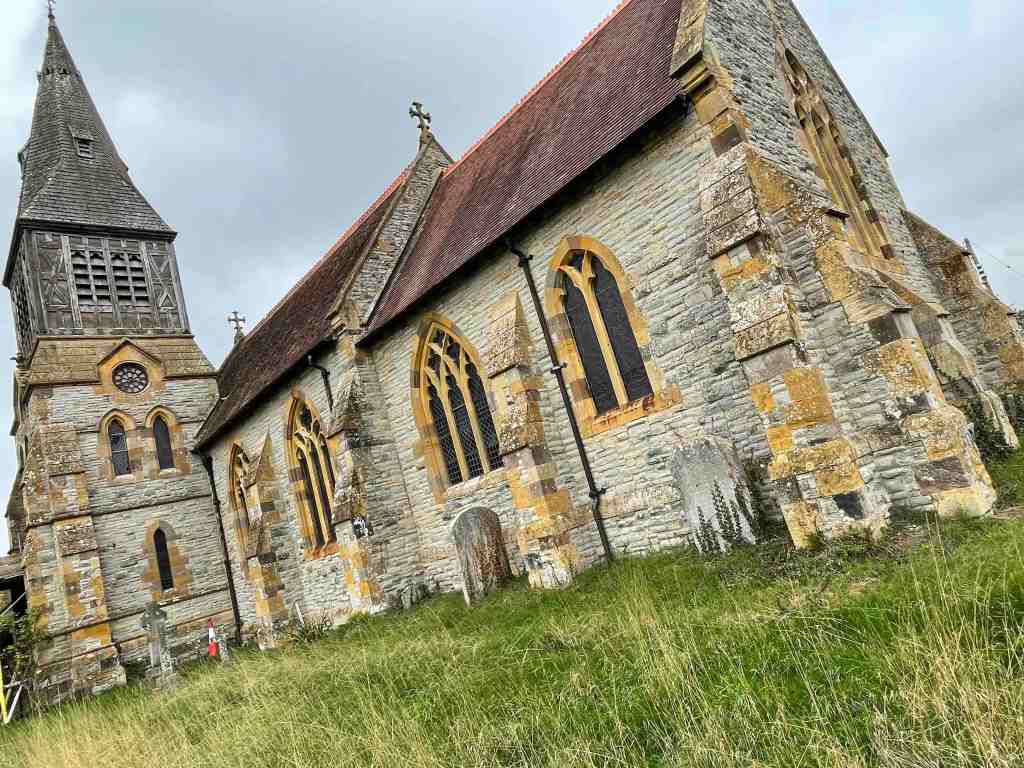
Despite its name, Temple Grafton was never home to the Knights Templar. The “Temple” prefix is a misnomer, born from a clerical error in 1535. The true medieval legacy of this Warwickshire village belongs instead to the Knights Hospitaller of St John of Jerusalem — a powerful military and religious order dedicated to caring for the sick and defending the Christian faith.
Origins of the Commandery
The Hospitallers’ connection with Grafton began in 1189, when Henry de Grafton granted land to the Order. By 1316, they held the manor from Guy de Beauchamp, Earl of Warwick, and by 1338, a fully established Hospitaller commandery was in operation here. The site was later administratively merged with Temple Balsall following the dissolution of the Templars, but due to the close proximity of the two estates, the Hospitallers clearly favoured Grafton. Its greater size, richer farmland, and more substantial buildings made it the preferred residence of the preceptor, who frequently lodged here.
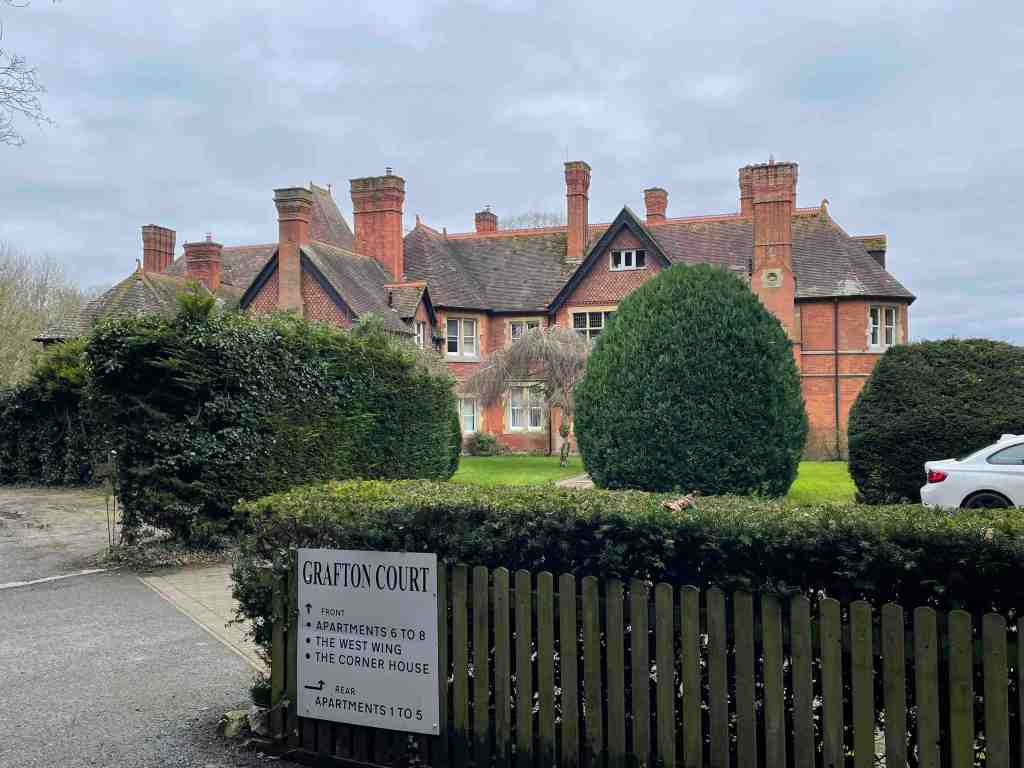
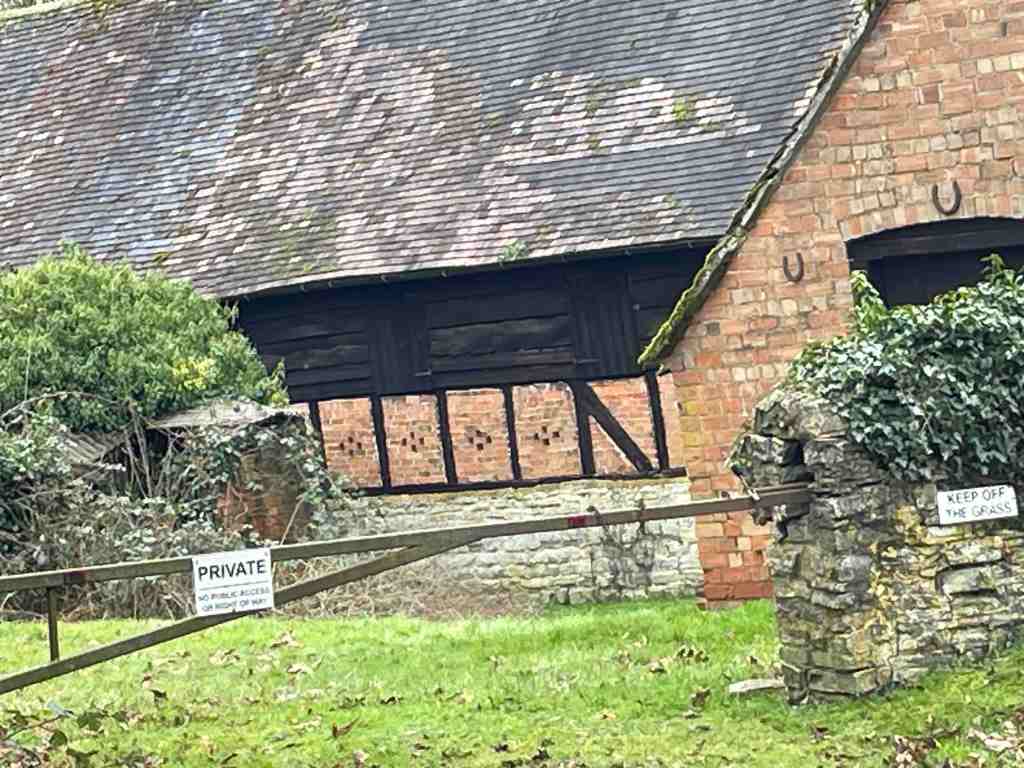
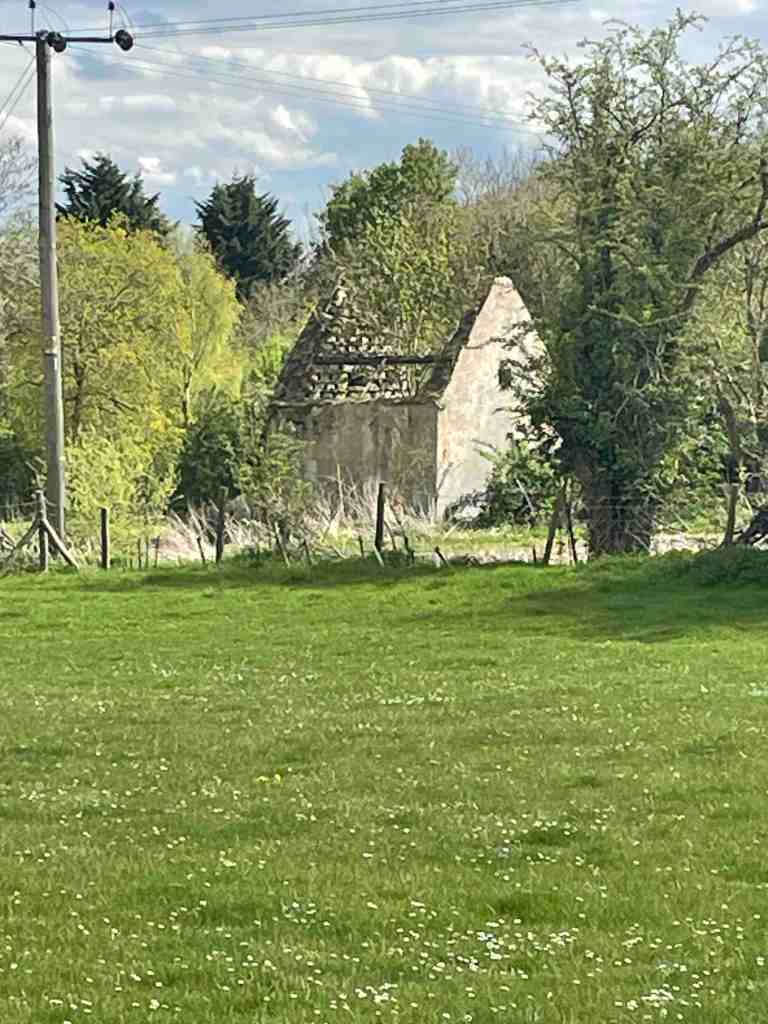
The commandery at Grafton likely stood where Grafton Manor (now a private residence) sits today. The surviving medieval dovecote, tucked away near the farm buildings, still bears silent witness to the estate’s monastic past — a tangible remnant of the Hospitallers’ once-thriving community.
Life and Wealth at Grafton
A detailed account from Philip de Thame’s 1338 Hospitaller report provides a rare glimpse into the scale and prosperity of Grafton at its height:
Grafton
- One messuage with a garden, valued at 1 mark per year
- A dovecote, valued at 6 shillings and 8 pence per year
- 444 acres of land at 8 pence per acre — worth £16 annually
- From assized rents: 25 marks, 4 shillings, and 2 pence
- From the confraternity (voluntary donations): 24 marks annually
- From fines and court profits: 60 shillings (£3)
- From 100 sheep: 20 shillings profit
- From 8 cows: 16 shillings profit
- The Church of Grafton, held in proprios usus (“for their own uses”), valued at £8 per year
Grafton was also linked with Barston, another Hospitaller estate, which yielded additional rents and farmland income. Together, these holdings provided the Order with a steady revenue stream that funded both local operations and the Hospitallers’ wider mission overseas — including hospitals, religious houses, and campaigns in the Holy Land.

The Church of St Andrew
At the heart of the village stands St Andrew’s Church, its history intertwined with that of the commandery. Though the present building largely reflects later medieval and post-medieval development, it is believed that the Hospitallers originally maintained a smaller chapel to the west of the current site, serving the spiritual needs of both the knights and the villagers who worked their lands. As the community expanded, the chapel was enlarged into the parish church that survives today — a place of worship for both the Order and the laypeople of Grafton.
The church was a valuable source of income for the Hospitallers, as recorded in a 1388 report:
“Item ecclesia de Grafton in proprios usus valet per annum viij li.”
“The church of Grafton, for their own uses, is worth eight pounds a year.”
This sum would have helped sustain the Hospitallers’ charitable and military efforts abroad, as well as the upkeep of their English estates.
Legacy and Legend
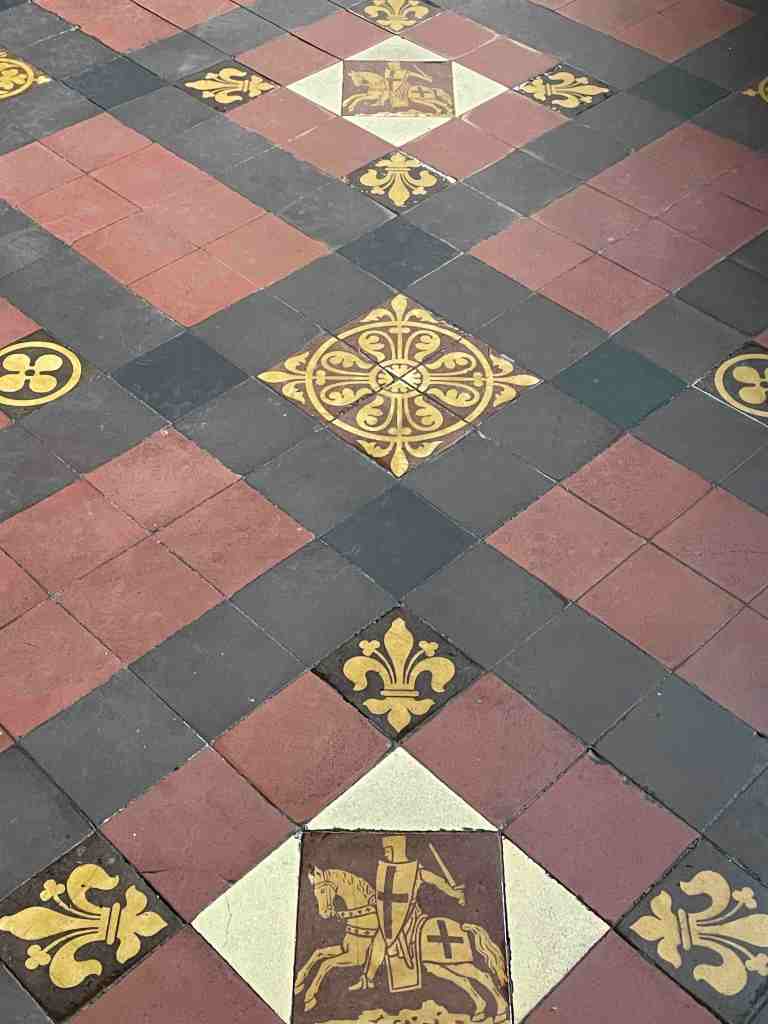
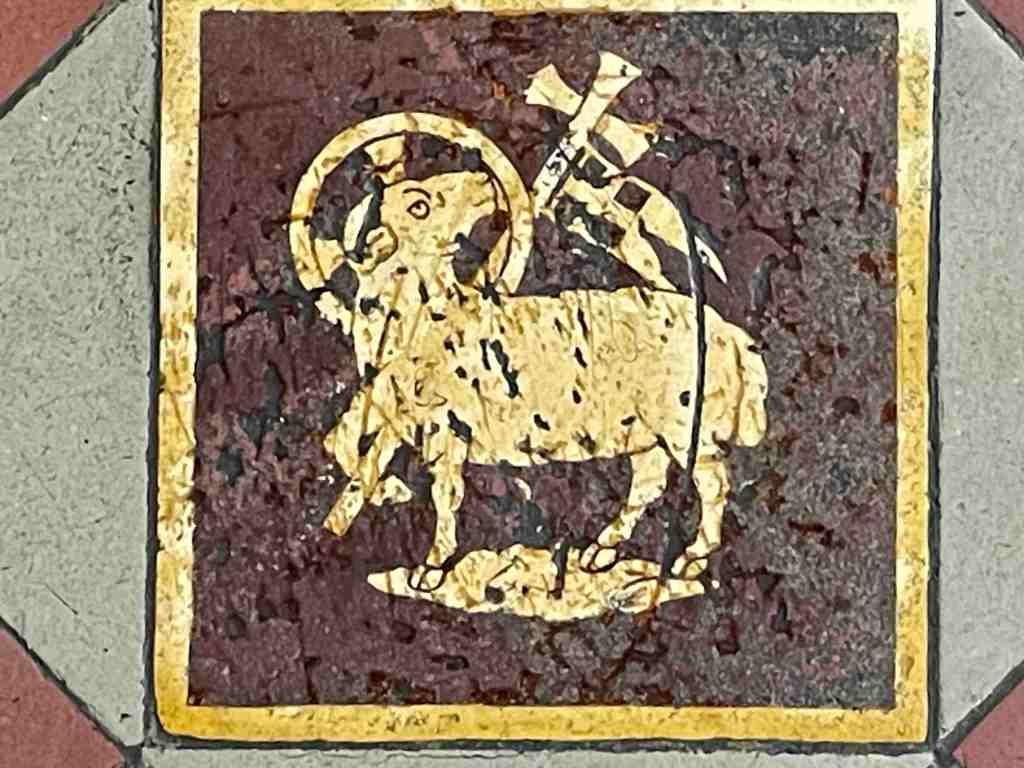
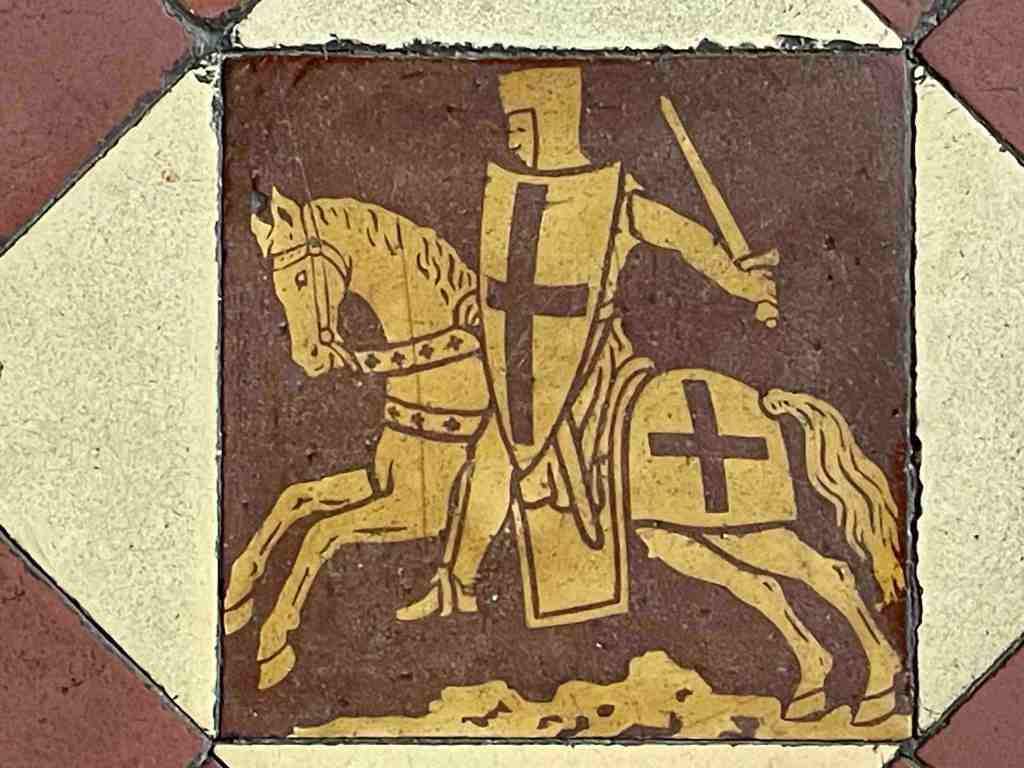
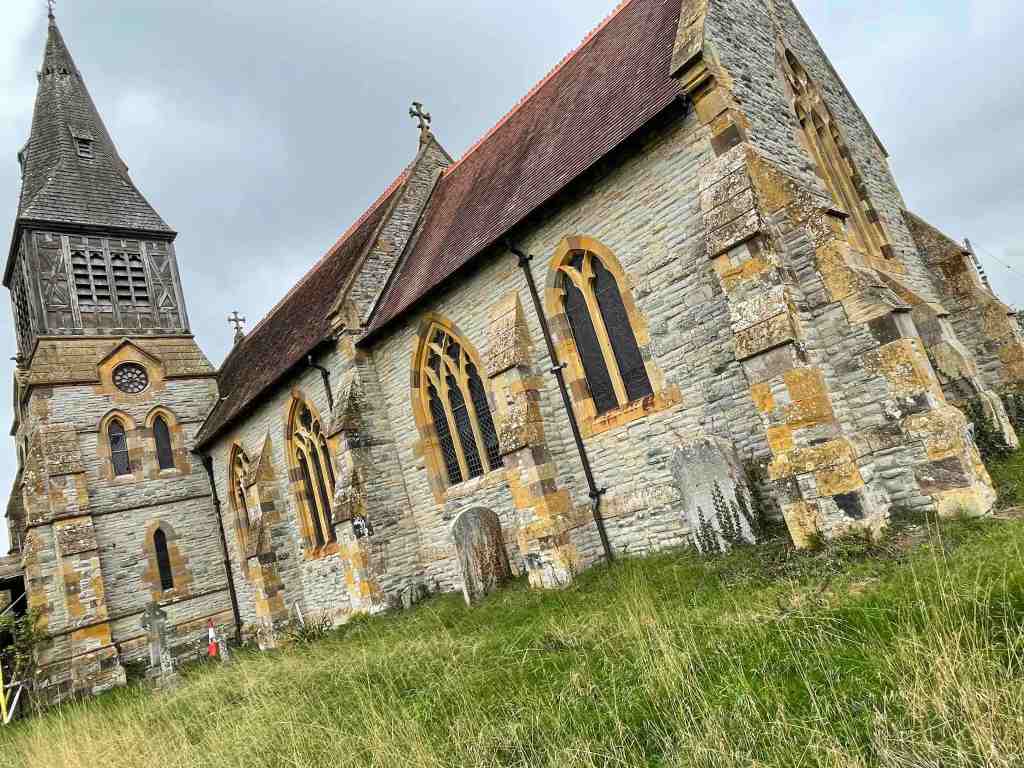
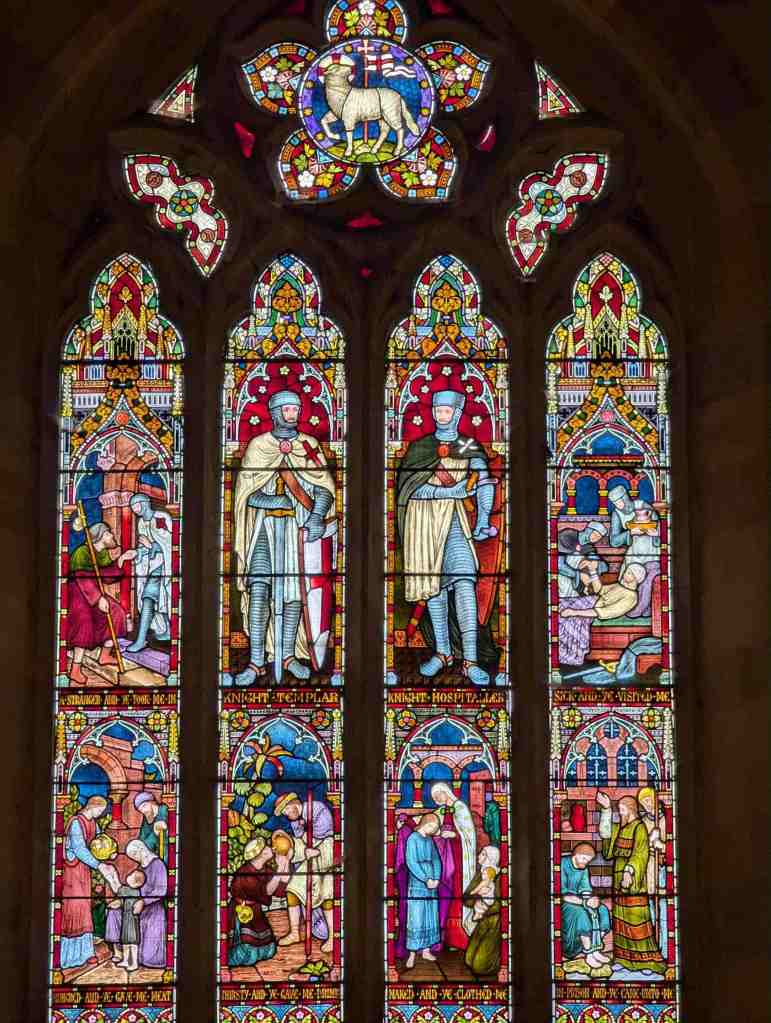
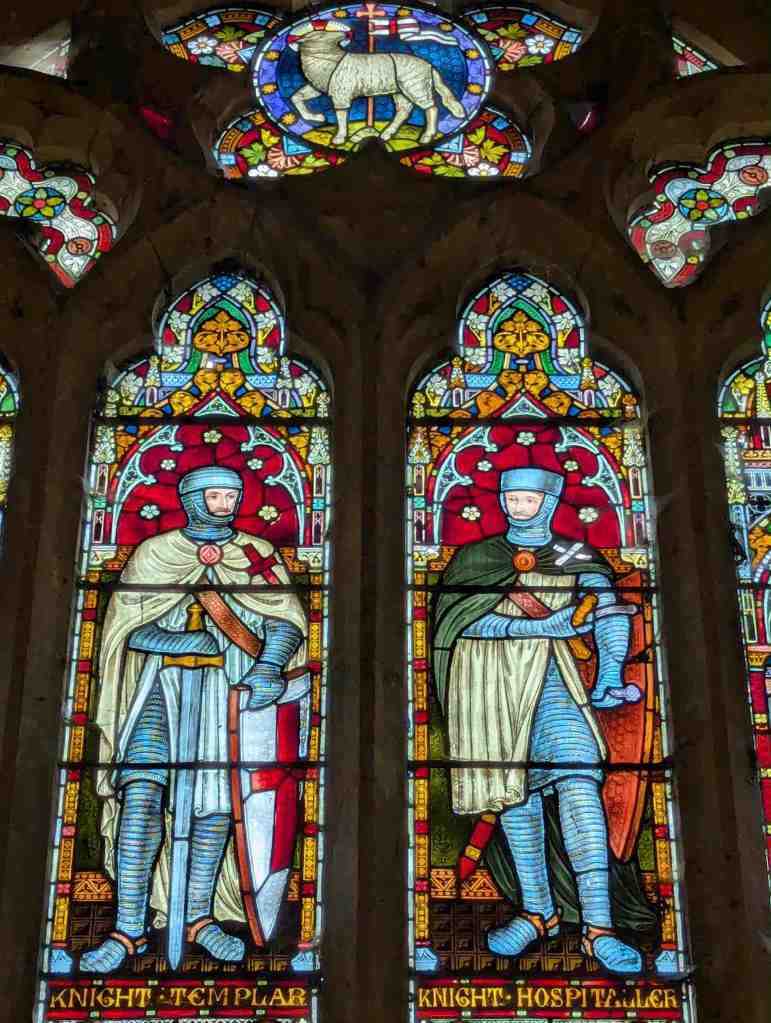
Today, St Andrew’s Church stands proudly above the village, overlooking the landscape once owned and worked by the Knights Hospitaller. The modern Grafton Manor occupies the site of their grand medieval house, while ancient barnson the nearby farm — some still in use — speak quietly of centuries of continuity. The ruined dovecote, though weathered and in disrepair, remains a poignant symbol of the commandery’s long-lost grandeur.
Adding a touch of romantic legend, local tradition holds that William Shakespeare was married at St Andrew’s Church. While documentary proof remains elusive, the story endures, linking the poetic heart of England with the medieval faith and fellowship of the Hospitallers who once called Temple Grafton home.
Learn More about the Knights Hospitallers in the UK on our main website by clicking here
Check Out out Knights Gift Store for your replica Knights Templar, Hospitaller and Order of St Lazarus Armour, weapons clothes & gifts by clicking here
 TheTemplars.Co.Uk