JUNE 2025
Tucked away in the heart of the stunning Pembrokeshire Coast National Park in Wales lies a place steeped in mystery, devotion, and medieval power—the Commandery of Slebech. Once the second wealthiest estate of the Knights Hospitaller in the United Kingdom, this serene riverside location was, in its time, a bustling centre of hospitality, faith, and military enterprise.
A Gift from a Powerful Knight
The story of Slebech as a Hospitaller stronghold begins around 1161, when it was gifted to the order by Wizo the Fleming, the formidable Lord of Wiston—whose name survives in the nearby village of Wiston (from “Wizo’s Town”). Wizo, who would later become a Knight of the Order himself, endowed the Commandery under the patronage of the influential Clare Earls of Pembroke.
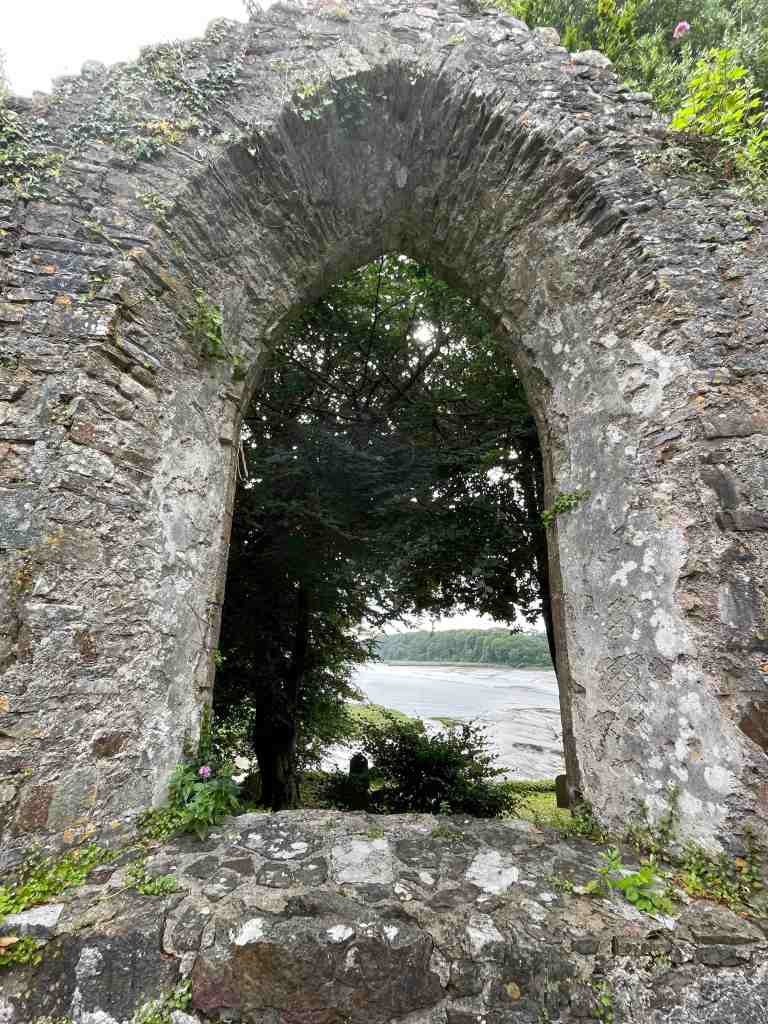
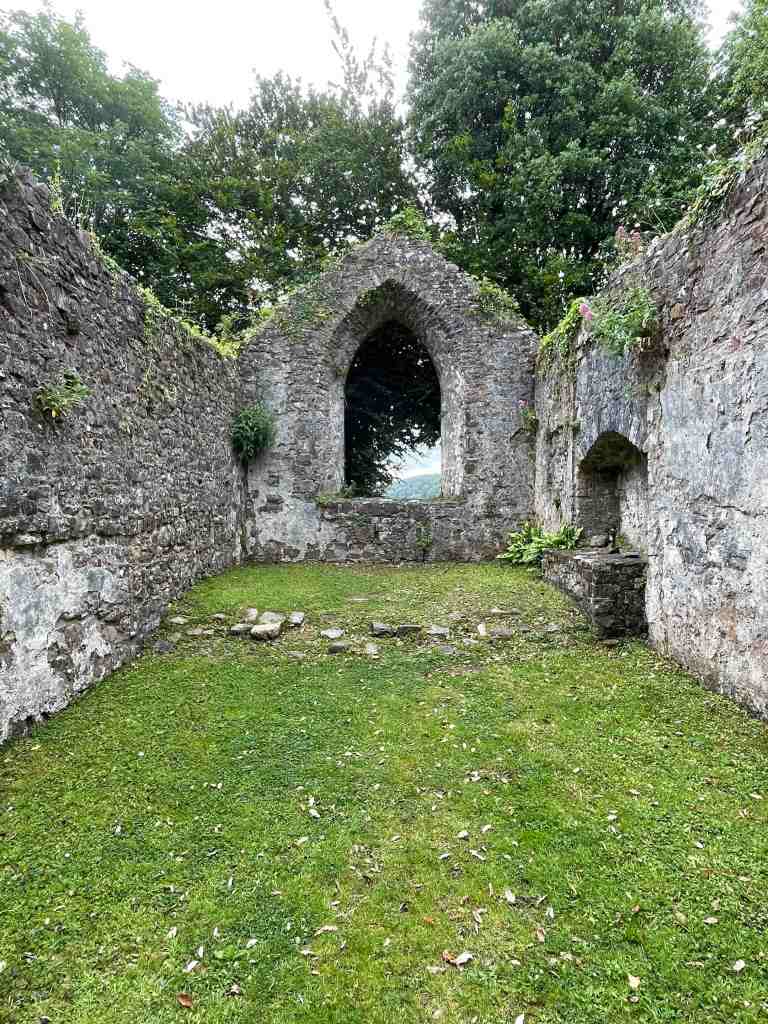
The estate, spanning 100 acres, was more than just a religious outpost. It was a self-sustaining centre, complete with a mill, a fishpond, and the Church of St John, which still stands in ruins today, overlooking the tranquil Eastern Cleddau River.
A Pilgrim’s Refuge
Slebech quickly gained significance as a vital stop for pilgrims journeying to St Davids, a major religious centre in medieval Wales. Pilgrimage to St Davids held considerable spiritual weight: in 1123, Pope Calixtus II (not III as sometimes misattributed) famously decreed that two pilgrimages to St Davids equalled one to Rome, and three equalled one to Jerusalem. This made Slebech an essential hospitality hub, offering shelter, safety, and rest to countless weary travellers.

But its riverside location offered more than just local importance. The Commandery sat along the Eastern Cleddau, a waterway flowing to the Irish Sea, making Slebech a key arrival and departure point for Knights travelling to and from the Holy Land during the Crusades. According to local tradition, it was not uncommon for the hearts of fallen Knights—killed on foreign battlefields—to be removed, preserved, and returned to Slebech for burial, either within the crypt of St John’s or on Slebech Island, where a 12th-century sword was later discovered.
The Heart of the Hospitallers in West Wales
By the 14th century, Slebech had grown into a commanding estate, serving as the headquarters for the Knights Hospitaller in West Wales. In 1338, it had a recorded income of £307 per annum—equivalent to approximately £380,000 today—making it the wealthiest Hospitaller estate in Britain after Clerkenwell in London.
Slebech’s extensive holdings included 31 churches across Wales, many gifted by its benefactor Wizo. These included the churches at Ambleston and Wiston, among others. At its peak, the community at Slebech consisted of the commander John de Frouwyck, two brothers of the order, a chaplain, four corrody holders (laypeople granted lifelong sustenance by the Knights), and thirteen servants.
While the estate flourished, its duty to provide hospitality could also be burdensome. The constant flow of pilgrims and travellers placed significant demands on the Commandery’s resources.
The Legacy That Remains
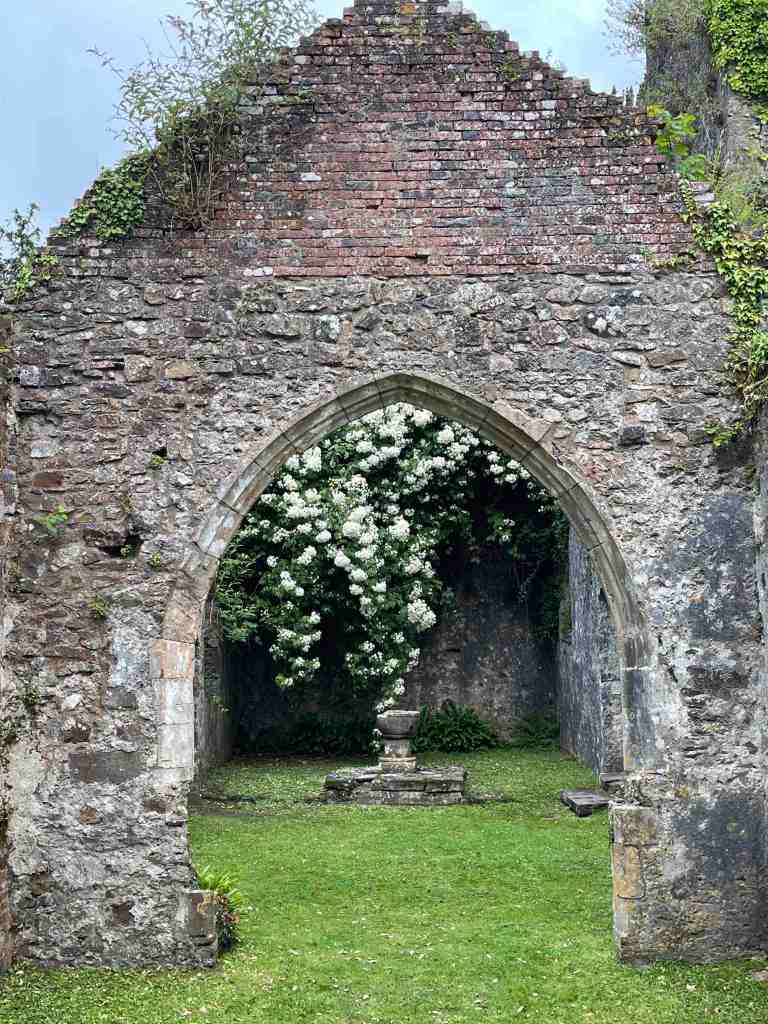
Today, the medieval grandeur of Slebech survives only in fragments. The current Slebech Park mansion is thought to occupy the site of the former domestic buildings of the Commandery, but it is the ruins of St John’s Church that bear the clearest medieval footprint. Although deliberately unroofed in 1844 by Baron de Rutzen when a new (now abandoned) church was constructed, the remaining chancel, transepts, and the distinctive Perpendicular tower still watch over the river, just as they did centuries ago when Knights departed for the Crusades.
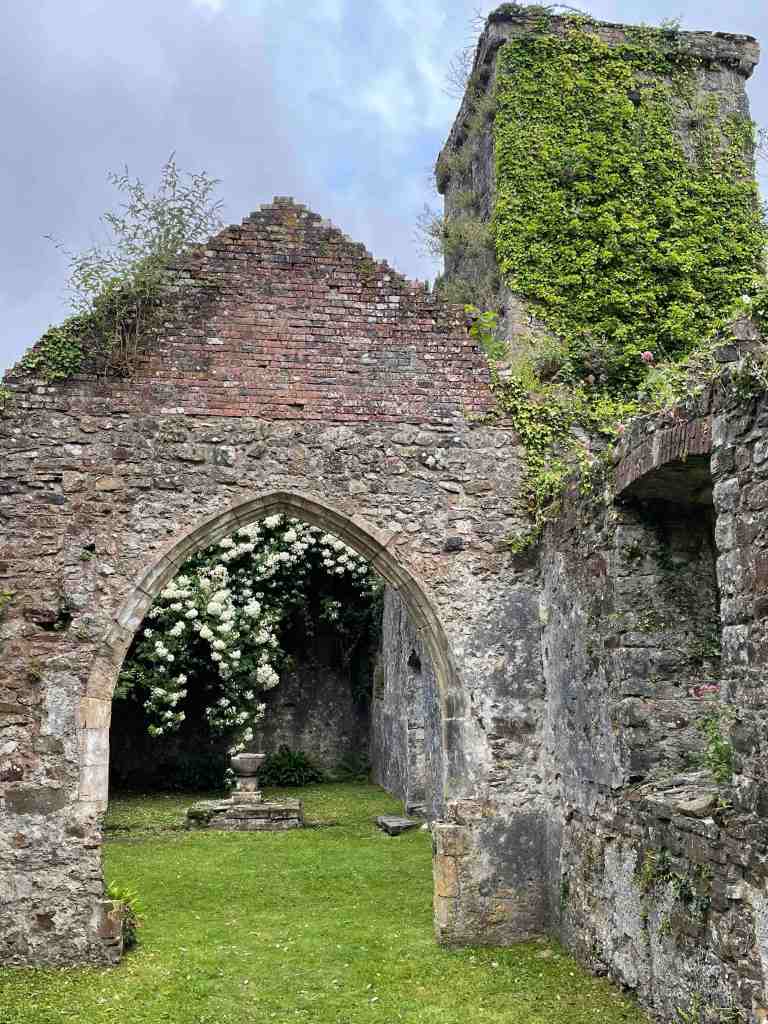

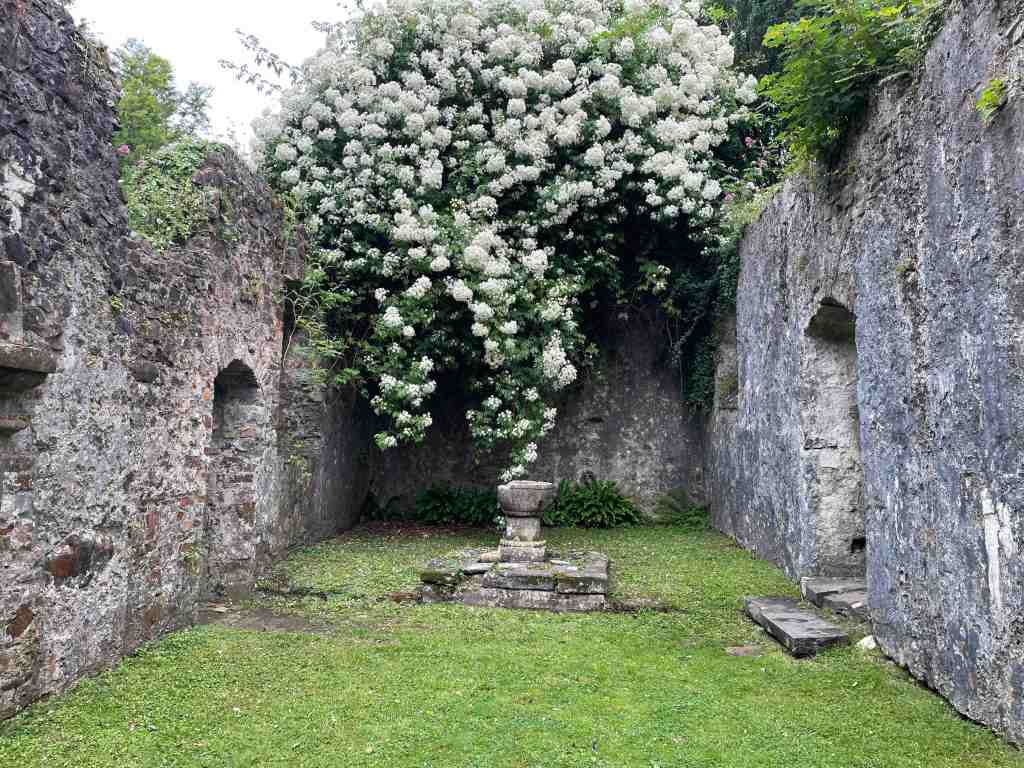
Above the doorway, the Hospitaller cross still proudly marks the building’s sacred past, and inside, a 12th-century fontremains silently in place—a quiet witness to centuries of devotion, conflict, and pilgrimage.

For those exploring the site today, the ancient path known as The Knight’s Way—leading from Slebech Park to Blackpool Mill and on through Canaston Wood to Templeton—offers a rare chance to walk in the footsteps of the Knights Hospitaller, along a route that still echoes with history.
Final Thoughts
The Commandery of Slebech is a powerful reminder of the far-reaching influence of the Knights Hospitaller in medieval Britain. Though its grand buildings have faded, the stories of pilgrimage, crusade, and chivalric duty remain etched in the landscape of Pembrokeshire.
If you ever find yourself wandering the winding paths of Slebech Park or tracing the Knight’s Way, pause and listen—you might just hear the echoes of ancient footsteps.
Learn More about the Knights Hospitallers in the UK on our main website by clicking here
Check Out out Knights Gift Store for your replica Knights Templar, Hospitaller and Order of St Lazarus Armour, weapons clothes & gifts by clicking here
 TheTemplars.Co.Uk