FEBRUARY 2026
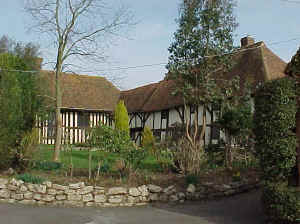
Tucked away in the Kentish countryside, the former preceptory at West Peckham—today known as Dukes Place—offers a rare glimpse into the English estates of the Knights Hospitaller. Though modest in scale, it played an important role in supporting one of medieval Europe’s most influential military-religious orders.
Origins: Earlier Than Once Thought
For centuries, local tradition claimed the preceptory was founded around 1408 by Sir John Culpeper during the reign of Henry IV. Modern research, however, has corrected this view.
The true origins lie in 1337, when Elizabeth de Burgh, Lady of Clare, granted lands at West Peckham and Swanton to the Hospitallers. These estates were immediately attached to the Order’s administrative centre at Tonbridge and Hadlow, forming part of a camera magistralis—a revenue estate reporting directly to the Grand Master.
Rather than housing a community of knights, West Peckham functioned primarily as an income-generating estate. Its revenues helped fund the Hospitallers’ work in the eastern Mediterranean, first in the Holy Land and later in defending Rhodes against Ottoman expansion.
A Revenue Estate, Not a Fortress
West Peckham was never a fortified commandery filled with armoured knights. Instead, it was an agricultural and administrative centre typical of the Order’s English holdings.
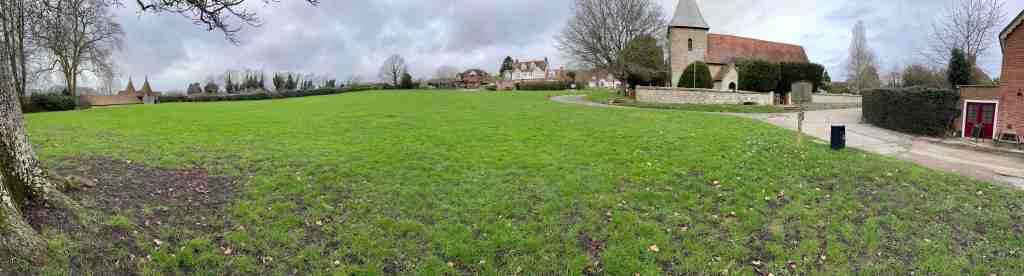
The estate included:
- Around 680 acres of arable and pasture land
- Two messuages (dwelling houses)
- Barns, stables, workshops and gardens
- Income from nearby churches including Hadlow and Rodmersham
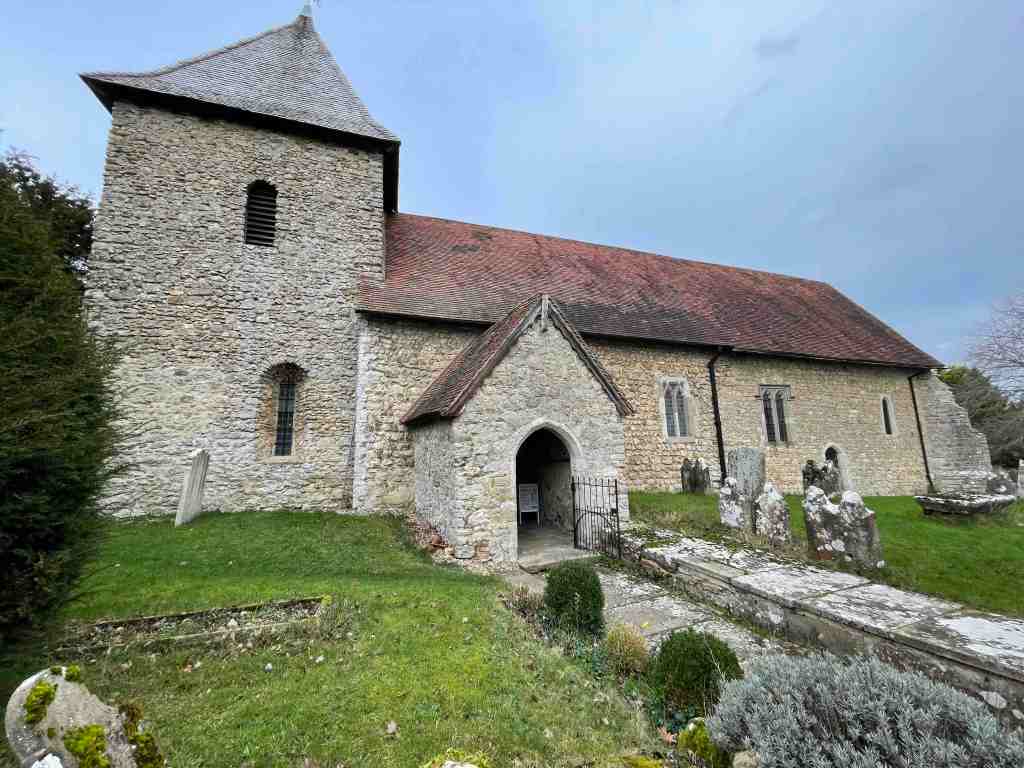
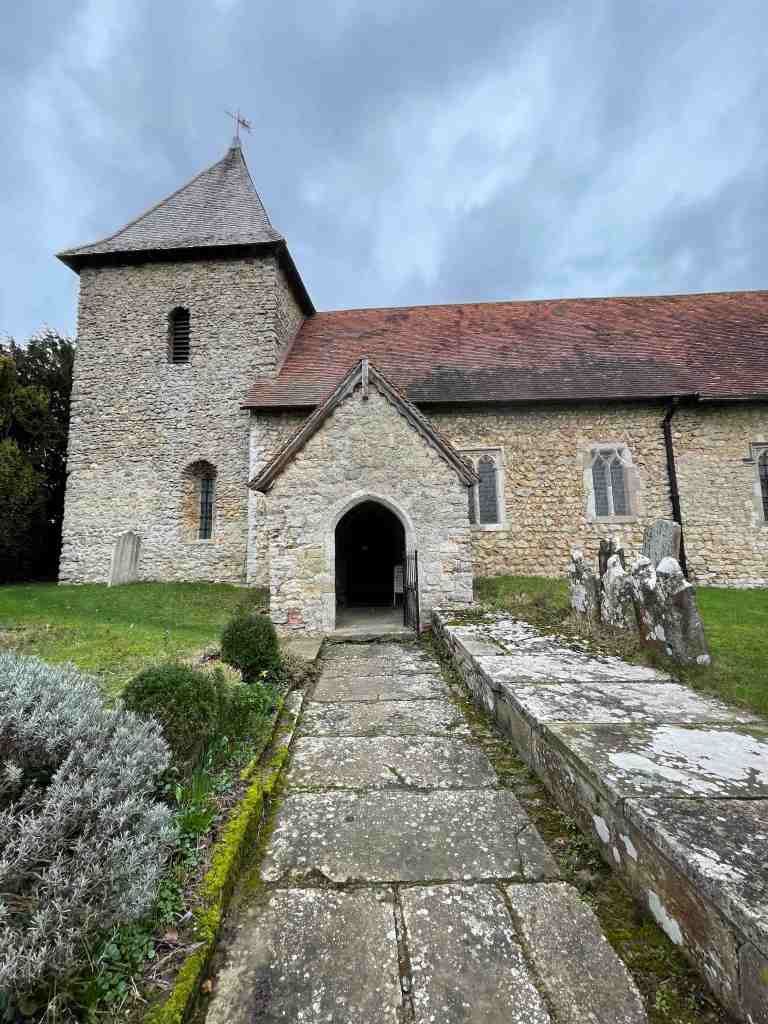
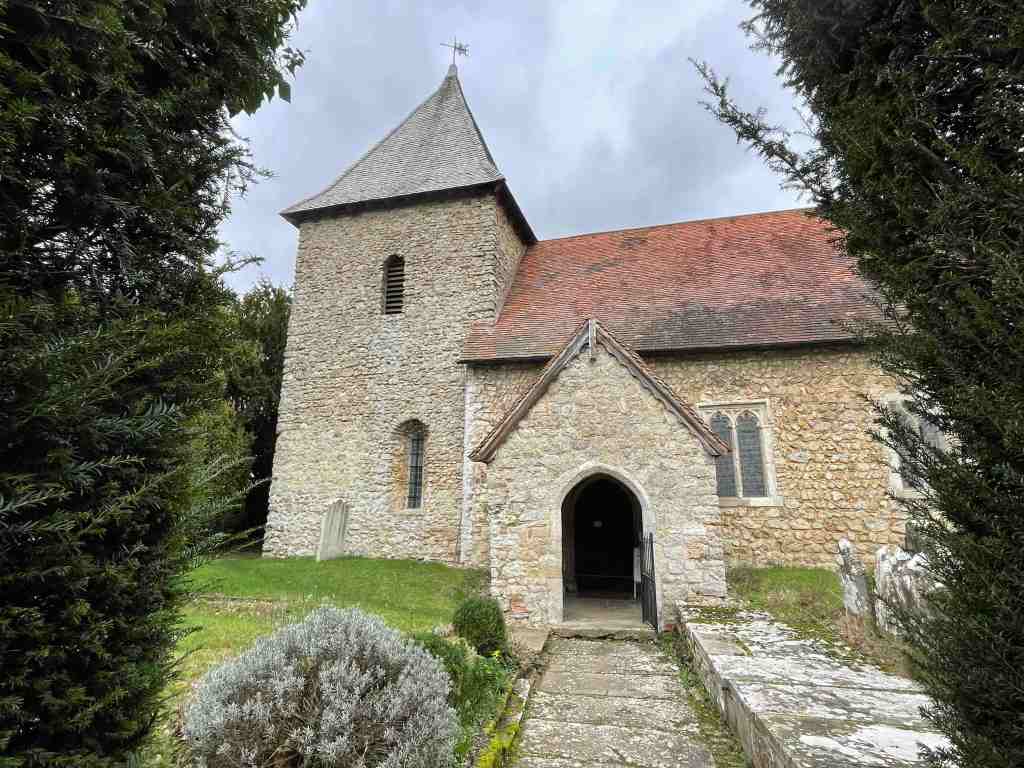
By the 15th century it was commonly referred to as the “Preceptory of West Peckham,” though it remained essentially a managed estate overseen by appointed receivers rather than resident brethren.
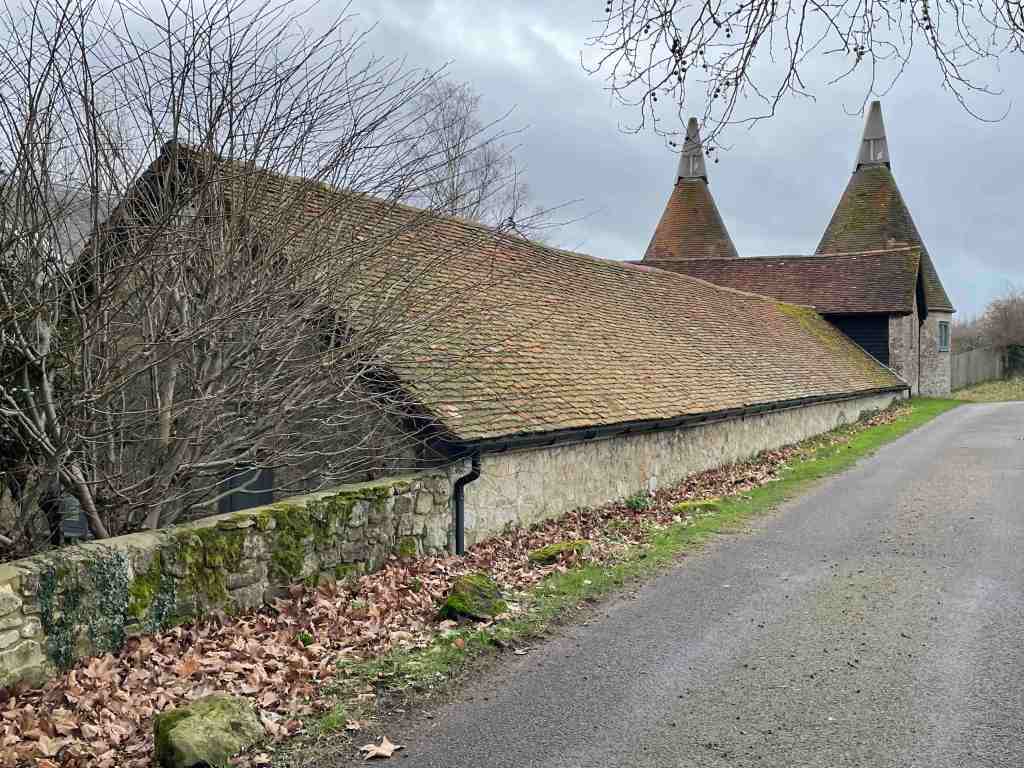
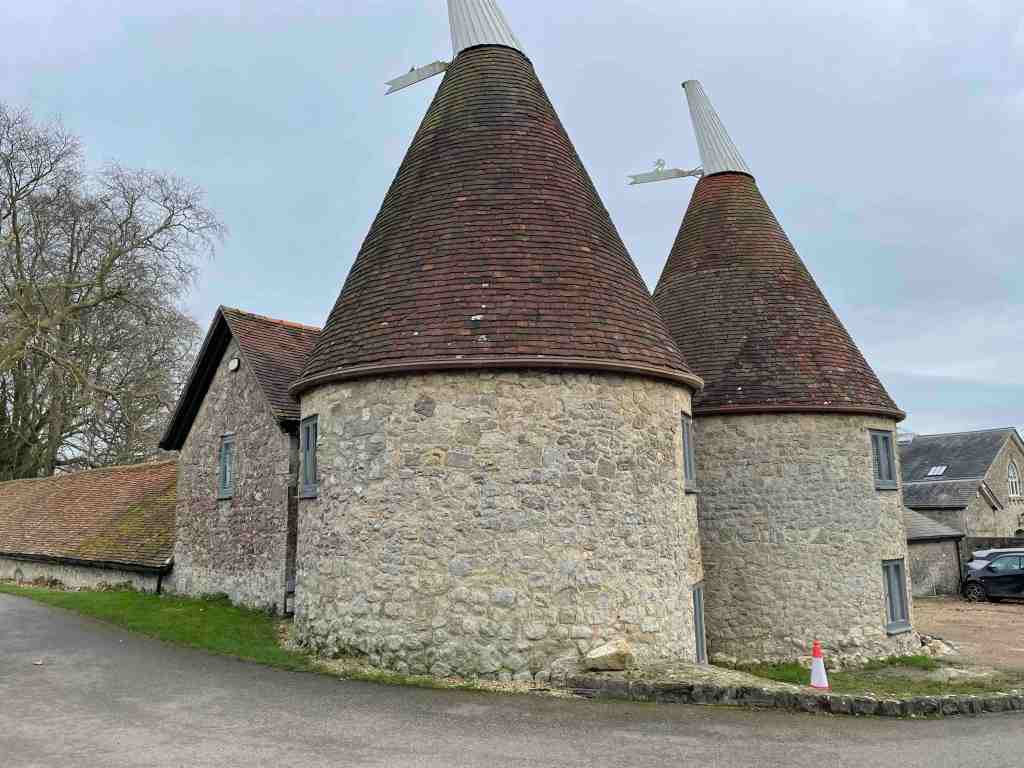
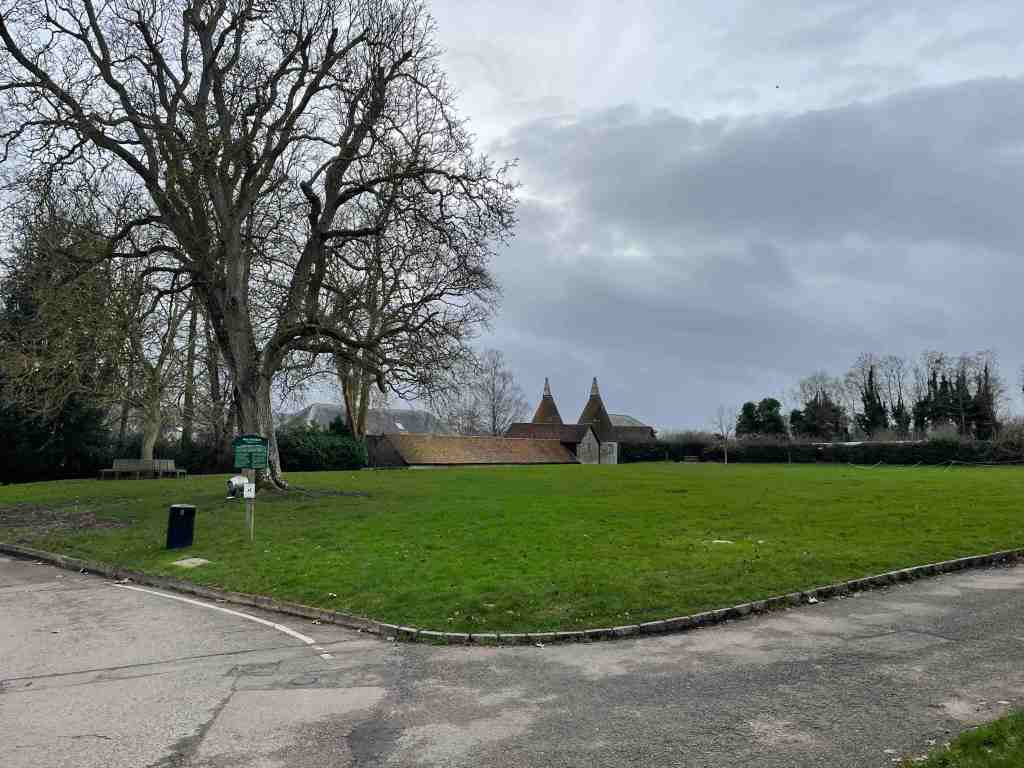
In 1535, shortly before its suppression, the estate was valued at over £100 per year—a respectable sum that reflects its steady contribution to the Order’s finances.
The Buildings: Dukes Place
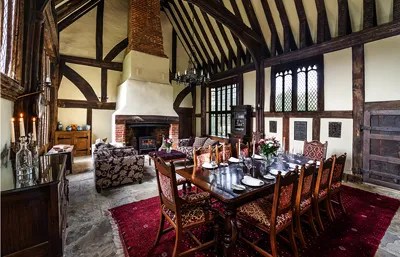
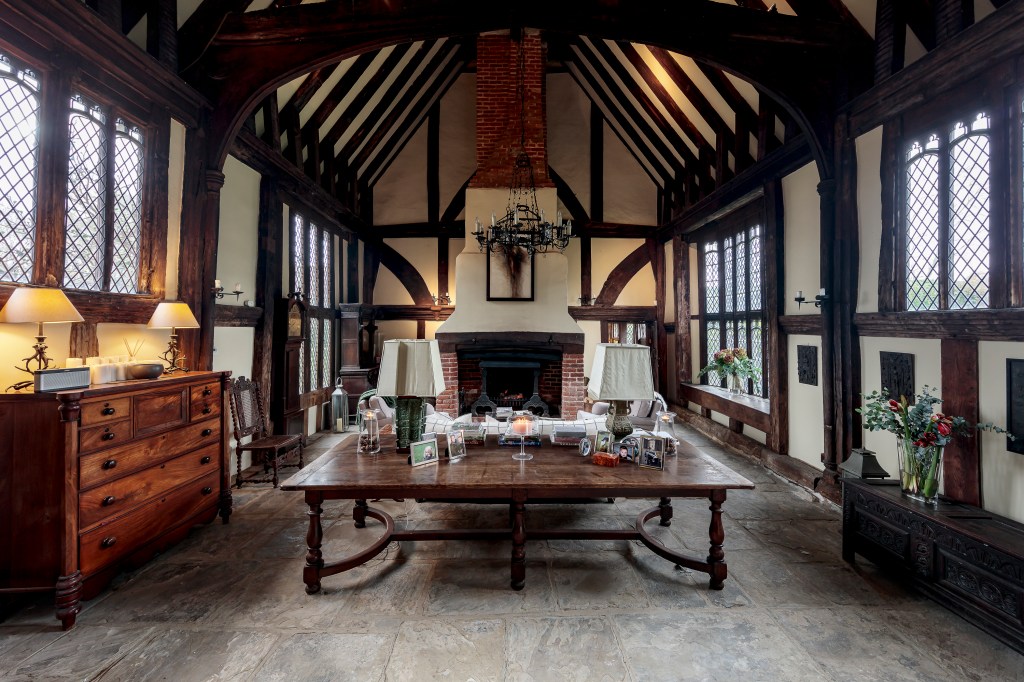
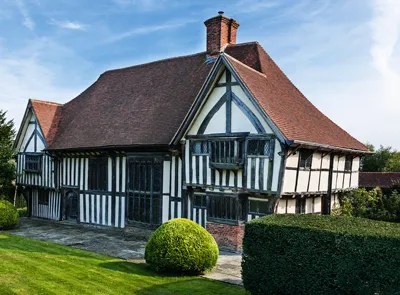
The surviving structure at Dukes Place dates mainly from the early 15th century.
.
Key Features
- An L-shaped timber-framed hall house on a stone plinth
- A main north range containing the original open hall
- Two short gabled cross-wings
- Tudor-style fireplaces
- Evidence of a major fire around 1500, after which the hall and solar were rebuilt
The house was later altered in the 16th century, divided into seven labourers’ cottages in the 18th century, and carefully restored after the Second World War.
Today, the standing buildings are Grade I listed, and the wider site—still marked by a partially infilled moat—is a Scheduled Monument, preserving buried remains of the medieval estate.
Dissolution Under Henry VIII
Like many religious institutions, West Peckham’s Hospitaller estate came to an end during the reign of Henry VIII.
In 1540, Parliament dissolved the Knights Hospitaller in England. Their lands were seized by the Crown and later granted to lay owners, including Sir Ralph Fane. Over time, the property passed through various Kentish families, including the Culpepers.
Unlike larger monasteries, West Peckham appears to have been suppressed quietly—likely because it functioned mainly as an administrative estate rather than a residential religious house.
Correcting the Historical Record
Seventeenth- and eighteenth-century historians mistakenly credited Sir John Culpeper with founding the preceptory. This misunderstanding arose from a 1409 chantry licence that was unrelated to the Hospitaller estate.
Twentieth-century scholarship clarified that the lands had been in Hospitaller possession since 1337, thanks to Elizabeth de Burgh’s grant. The Culpepers were tenants and local gentry—not founders.
This correction reshaped understanding of West Peckham’s place within the wider English network of roughly three dozen Hospitaller preceptories.
Legacy
Although never a major commandery, West Peckham illustrates how the Knights Hospitaller sustained their international mission through carefully managed rural estates in England.
Beneath today’s peaceful farmland lie the remains of barns, workshops, and agricultural buildings that once generated income for crusading campaigns and charitable work far beyond Kent.
Dukes Place stands as a rare architectural survival of that system—a quiet but significant reminder that medieval military orders relied as much on English farmland as on Mediterranean fortresses.
Learn More about the Knights Hospitallers in the UK on our main website by clicking here
Check Out out Knights Gift Store for your replica Knights Templar, Hospitaller and Order of St Lazarus Armour, weapons clothes & gifts by clicking here
 TheTemplars.Co.Uk