MARCH 2026
The Knights Hospitallers at Woodcott: A Hidden Medieval Estate
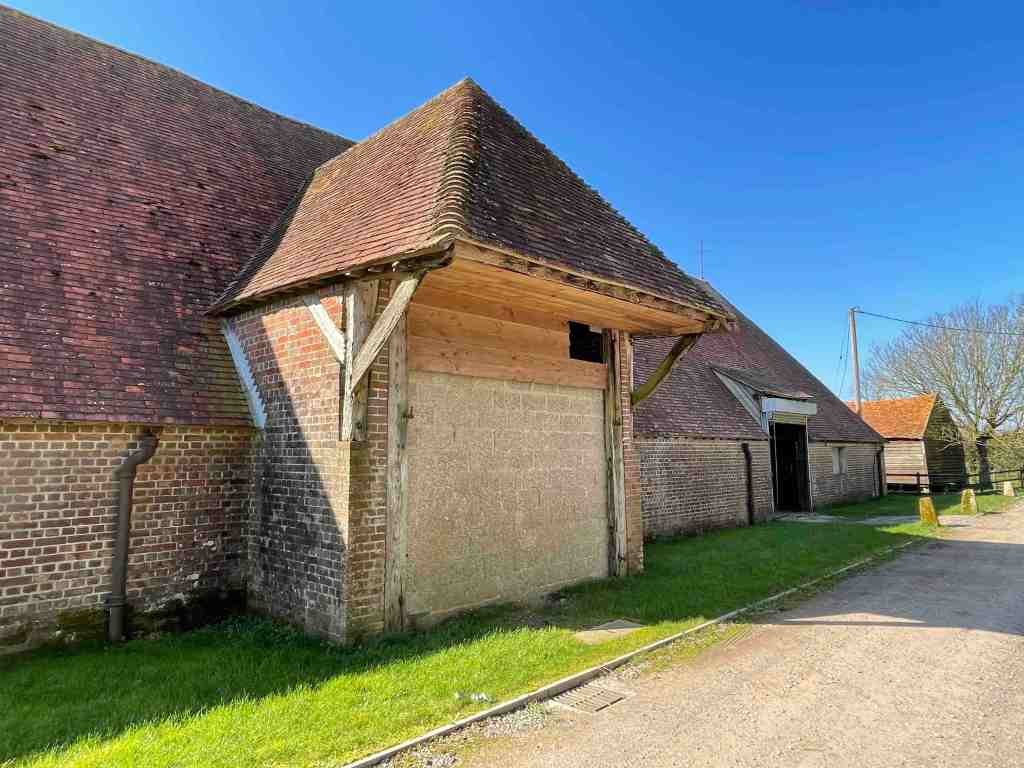
Tucked away just 15 km northeast of Andover, in the parish of Woodcott (SU 43 54), lies the story of a lesser-known but fascinating estate of the Knights Hospitallers—a religious military order better known for their hospitals and crusading legacy.
Unlike larger, bustling preceptories, Woodcott was what the Hospitallers called a “camera.” This wasn’t a fully staffed religious house, but rather an estate held in absentia—owned by a high-ranking official and managed locally by an agent. Quiet, administrative, and income-focused, Woodcott played its part behind the scenes in supporting the wider Order.
How the Hospitallers Acquired Woodcott
The Hospitallers came into possession of one of Woodcott’s two manors in the early 14th century. In 1303, Prior William de Tothale secured a licence allowing Richard de Cardeville to transfer the manor, along with the church and the hamlet of Litchfield, into the Order’s hands.
This followed the Statute of Mortmain (1279), which regulated such transfers to religious institutions.
By 1304–1306, the church at Woodcott had been formally appropriated to the Hospitallers, meaning they controlled its income and appointed clergy. By 1313, they were actively presenting priests to the benefice.
The Church and Its Value
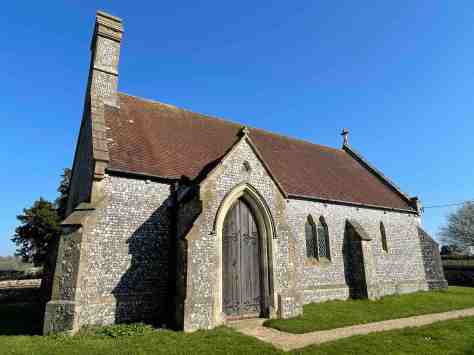
Woodcott’s church became an important part of the estate’s income. In the mid-14th century, it was valued at:
6½ marks (£4 6s. 8d.) per year
This made it a modest but steady source of revenue for the Order.
What Did the Estate Look Like?
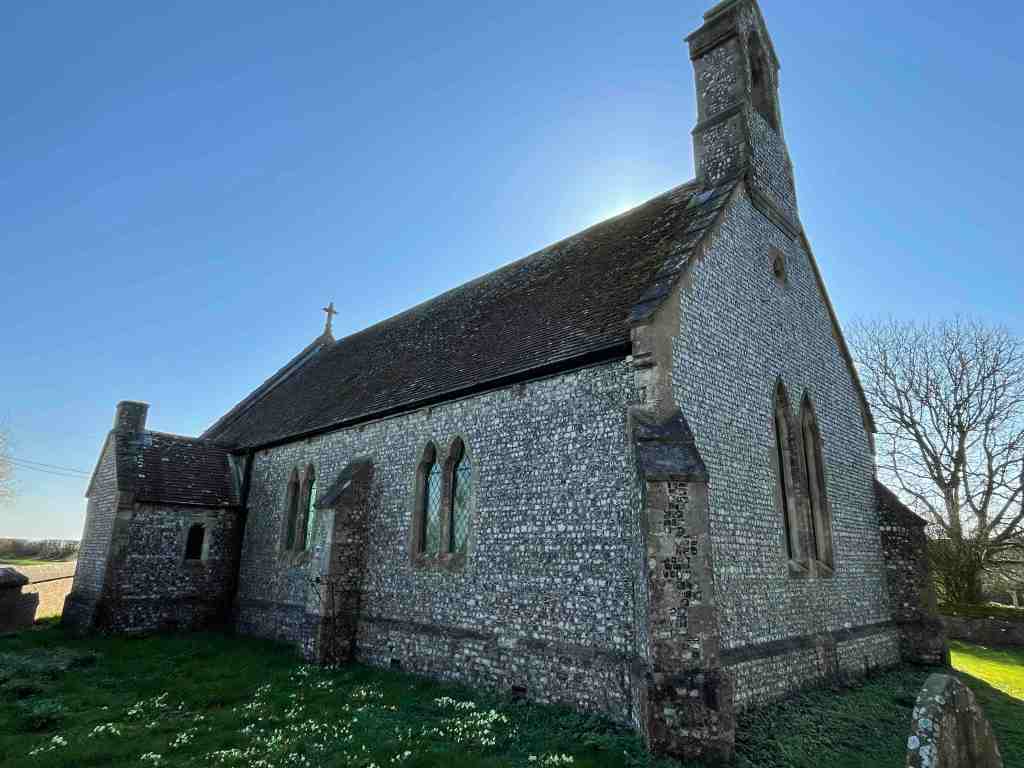
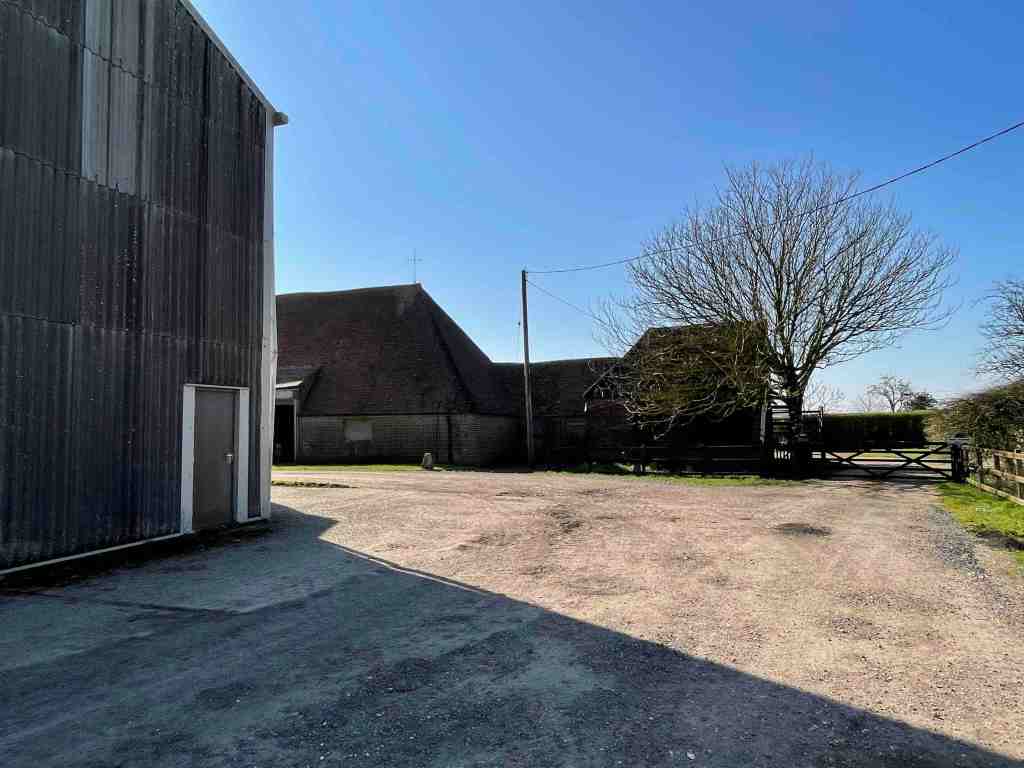
A record from 1338 gives us a rare snapshot of the manor:
- One messuage (a dwelling with land)
- One carucate of sterile land (roughly 80–120 acres, but poor quality)
- One appropriated chantry
- Leased out annually for 20 marks
In modern terms, this was not a wealthy estate. The land was described as sterile, meaning it likely produced limited agricultural returns. Instead, the Hospitallers relied on leasing it out for income.
Decline in Income Over Time
By the early 16th century, the estate’s value had declined:
- In 1509, leased for £11 13s. 4d. per year
- By 1518, a key holding brought in just £6 annually
This suggests changing economic conditions or reduced productivity over time.
Life on the Manor
Court records from 1538 reveal everyday life continuing under the Hospitallers’ authority. Tenants held land according to customary rents and services, and entries show:
- Transfers of property between generations
- Entry fines (e.g. £3 paid by a new tenant)
- The continued operation of manorial courts
The End of the Hospitallers at Woodcott
All of this came to an abrupt end in 1540, when the Knights Hospitallers were dissolved in England during the reign of Henry VIII.
Woodcott, like many of their estates, passed into the hands of the Court of Augmentations, marking the end of its connection to the Order.
Why Woodcott Matters
Woodcott may not have been grand or wealthy, but it tells an important story:
Not all medieval religious estates were rich or prominent
Some, like this camera, quietly generated income to support a global order
Even marginal land played a role in sustaining institutions like the Hospitallers
The Knights Hospitallers at Godsfield: A Medieval Commandery in Hampshire
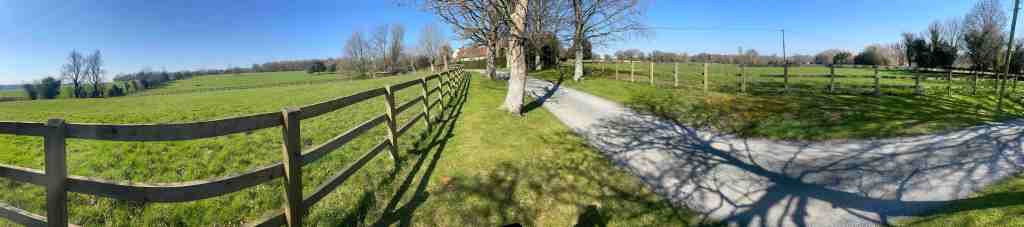
In the Hampshire countryside near modern-day Godsfield once stood an important centre of the Knights Hospitallers, known as a commandery (or preceptory). Established through a series of grants in the 12th and 13th centuries by the Daundelys family, lords of nearby Chilton Candover, this estate became a key administrative and agricultural hub for the Order.
A Hospitaller Commandery
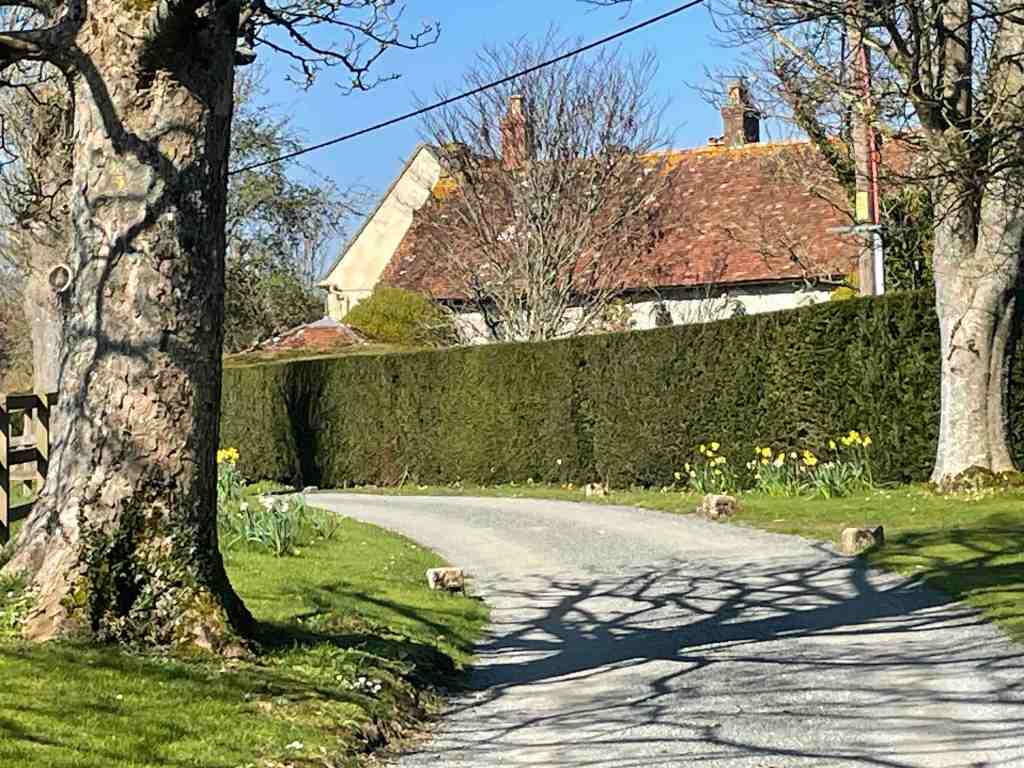
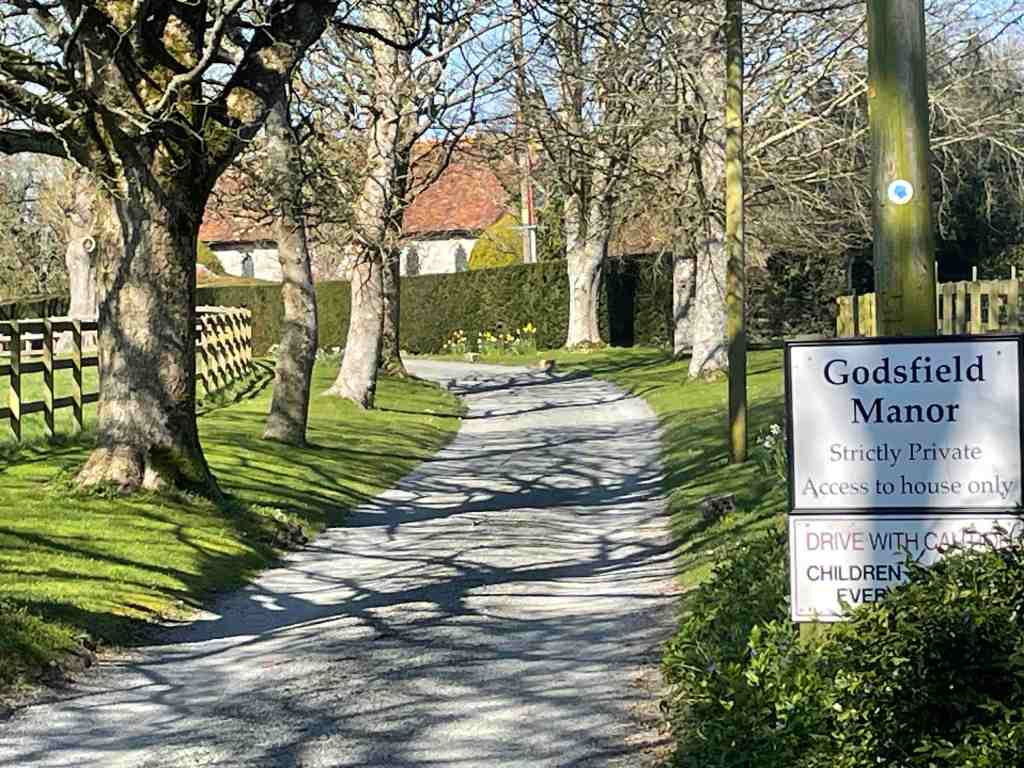
Unlike smaller estates such as Woodcott, Godsfield functioned as a commandery, meaning it was home to a preceptor (the head of the house), a small number of brethren, and the infrastructure needed to manage surrounding lands.
At its centre was a working complex that included:
- A dwelling house (messuage) with garden
- Agricultural buildings such as barns, stables, and outbuildings
- A reliable water supply from a well of “excellent good water”
- An orchard and enclosed grounds
By the 16th century, records describe the chapel as adjoining this domestic complex, reflecting a combined religious and agricultural site.
Land and Resources
The commandery controlled a substantial estate of around 300 acres, though much of the land was of mixed or poor quality:
- Some land was productive, but a significant portion was low-value or uncultivated
- Meadow at nearby Swarveton supplemented the estate
- Pasture supported oxen, draught animals, and sheep
Income was drawn from rents, livestock, agricultural output, and the labour of tenants.
People of the Estate
The estate was overseen by a preceptor, but daily life depended largely on local people:
- Tenants and villeins worked the land
- Labour services were owed, particularly during harvest
- Manorial courts provided both governance and income
Godsfield also supported a confraternity, allowing lay people to participate in the spiritual life of the Order. This once generated significant income, though it later declined.
The Chapel at Godsfield
Between 1360 and 1370, a chapel built of flint and stone was constructed at Godsfield. This chapel still survives today—though it lies on private land and is not publicly accessible.
A 16th-century report describes it as part of a larger complex, standing beside a dwelling house with gardens, orchard, barns, and other buildings—offering a rare glimpse of what the commandery may have looked like at its height.
Hardship and Decline
By the mid-14th century, the estate was under strain. Income had fallen from over £20 annually to around £14 10s., due to:
- The poor quality of the land
- Damage caused by raids on Portsmouth and Southampton
- Heavy taxation, royal demands, and compulsory levies
These pressures were part of a wider pattern affecting many religious houses across England
Move to North Baddesley
In 1365, the Hospitallers relocated their commandery from the relatively remote Godsfield to North Baddesley, likely seeking a more accessible and economically viable base.
After this move, Godsfield continued as an estate but lost its role as the administrative centre
Dissolution and Legacy
The final chapter came in 1540, when the Knights Hospitallers were dissolved in England under Henry VIII. The estate passed into royal control, ending centuries of Hospitaller presence.
What Remains Today?
Although little survives above ground, the legacy of the Hospitallers at Godsfield endures:
- The flint-and-stone chapel still stands on private land
- The surrounding landscape reflects its medieval agricultural origins
- Historical records preserve the story of a working religious estate
Godsfield offers a glimpse into the everyday reality of the Knights Hospitallers—not just as crusaders, but as landowners, administrators, and members of a rural medieval community.
The Knights Hospitaller at Baddesley: Estate, Economy and Change in Medieval Hampshire
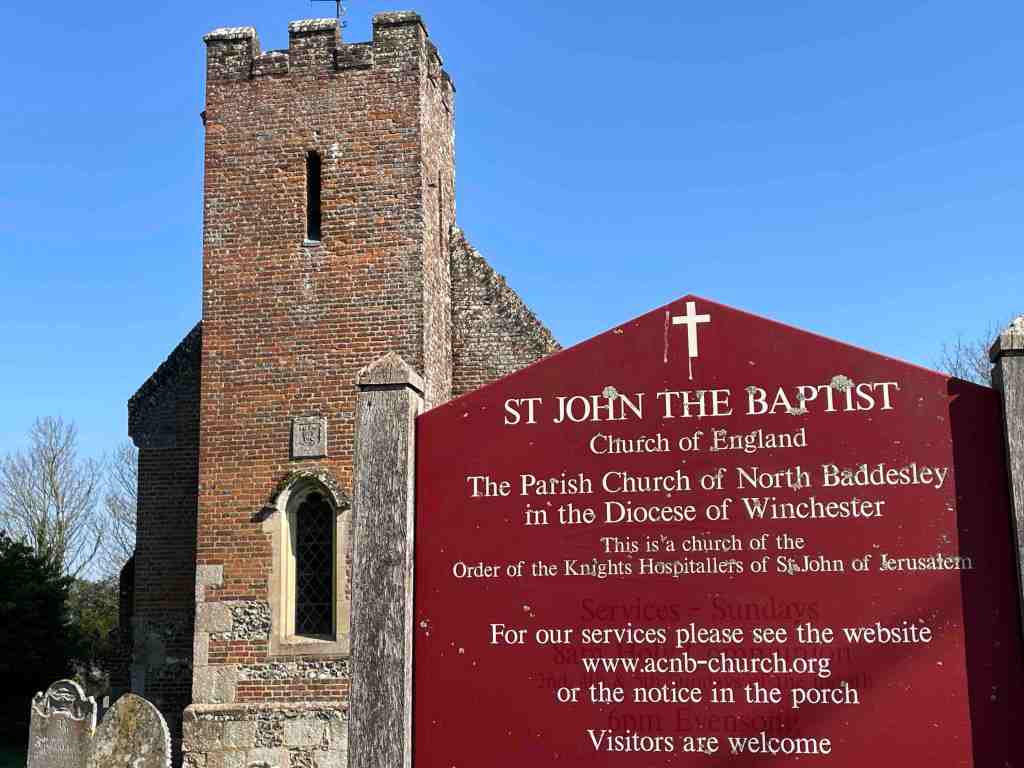
In the rolling landscape of the River Test valley lay one of the lesser-known but revealing estates of the Knights Hospitaller — the manor of North Baddesley. By 1338, this estate was recorded as a membrum (a dependent holding) of the nearby preceptory at Godsfield, forming part of a wider network of landholdings that supported the Order’s religious and military activities.
A Working Medieval Estate
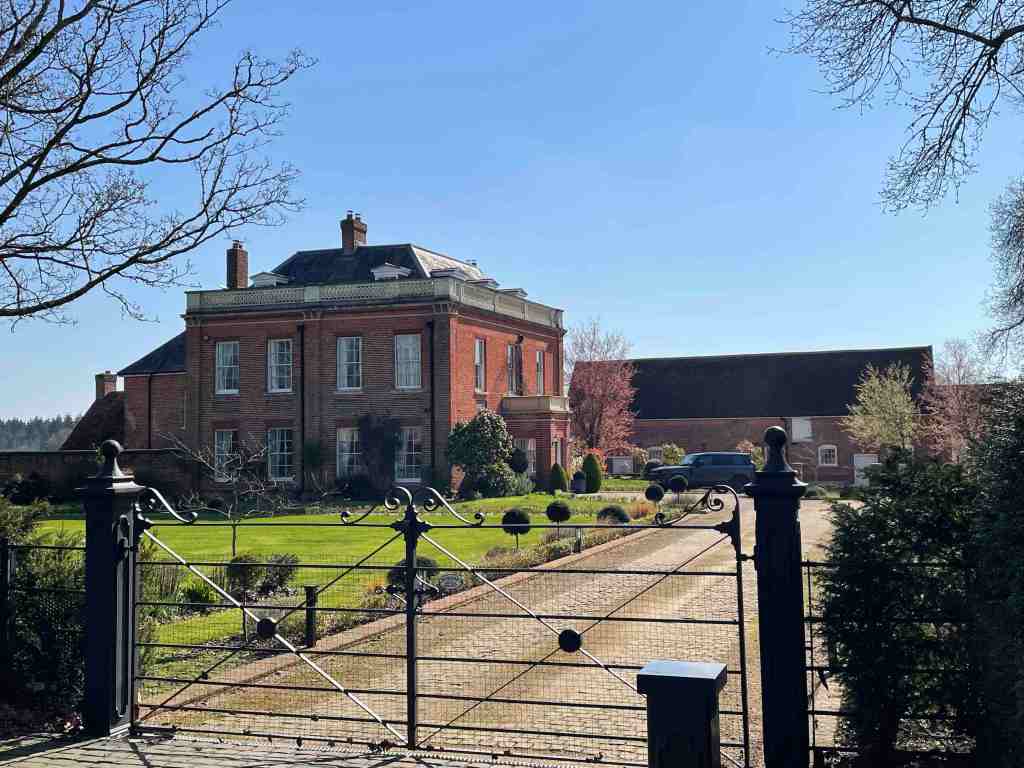
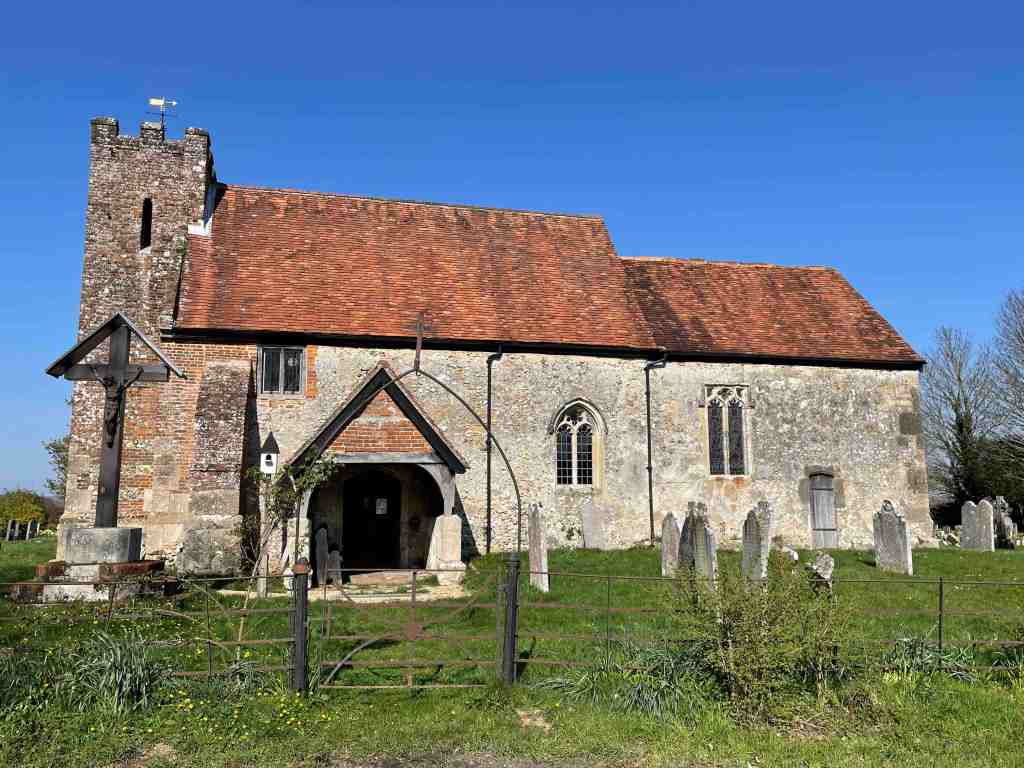
The surviving account of Baddesley paints a vivid picture of a well-organised rural economy. At its centre stood a messuage with a garden and dovecote, modest in appearance but central to estate management. Surrounding it were over 160 acres of arable land, divided into parcels of differing value, alongside meadow and enclosed pasture.
Livestock farming was key. The estate supported:
- 24 oxen, essential for ploughing heavy soils
- 30 cows, providing dairy and secondary income
- Hundreds of sheep, a valuable source of wool — England’s most important medieval export
Income was carefully calculated. Pasture was priced per animal, while additional revenue came from pannage, allowing pigs to forage in woodland, and from tenant rents, labour services, and customary dues. Even relatively small assets — such as the dovecote and orchard — contributed to the estate’s overall value.
Woodland and Resource Management
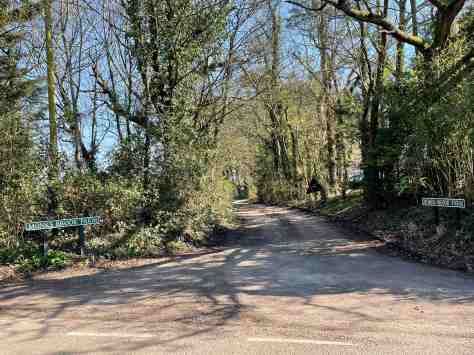
One of Baddesley’s most significant features was its 100-acre wood of large timber. Unlike other resources, this woodland was not freely exploited. Instead, it was held in common and carefully protected from overuse, reserved specifically for maintaining buildings across the Hospitaller estates. This included properties as far afield as Templecombe and Ansty — a reminder of how interconnected these holdings were.
A Moving Preceptory
Baddesley’s importance lies not only in its economy but also in its administrative role. A preceptory — the local headquarters of the Hospitallers — is first clearly recorded here in 1332, although activity at the site stretches back to the late 13th century. Charters were issued both at Baddesley and at Godsfield, suggesting a flexible system of governance.
Rather than remaining fixed in one place, the preceptor and his household likely moved between the two manors. This itinerant lifestyle was common in medieval England. Seasonal factors may have played a role: Baddesley, situated in the sheltered valley, offered a more comfortable residence during winter months, while the higher ground at Godsfield may have been preferred at other times of year.
Crisis and Change in the 14th Century
The 14th century brought significant challenges. A period of climatic deterioration between 1315 and 1322 led to poor harvests and livestock disease. Falling yields are reflected in reduced rents recorded in 1338. Soon after, the arrival of the Black Death in 1348 devastated populations across Hampshire, reducing the number of tenants available to work the land.
These pressures forced adaptation. Arable land may have been converted to pasture, particularly for sheep farming, while some estates were increasingly leased out rather than directly managed. Over time, Baddesley appears to have gained prominence, possibly becoming the principal preceptory as Godsfield declined in administrative importance.
Faith, Buildings and Legacy
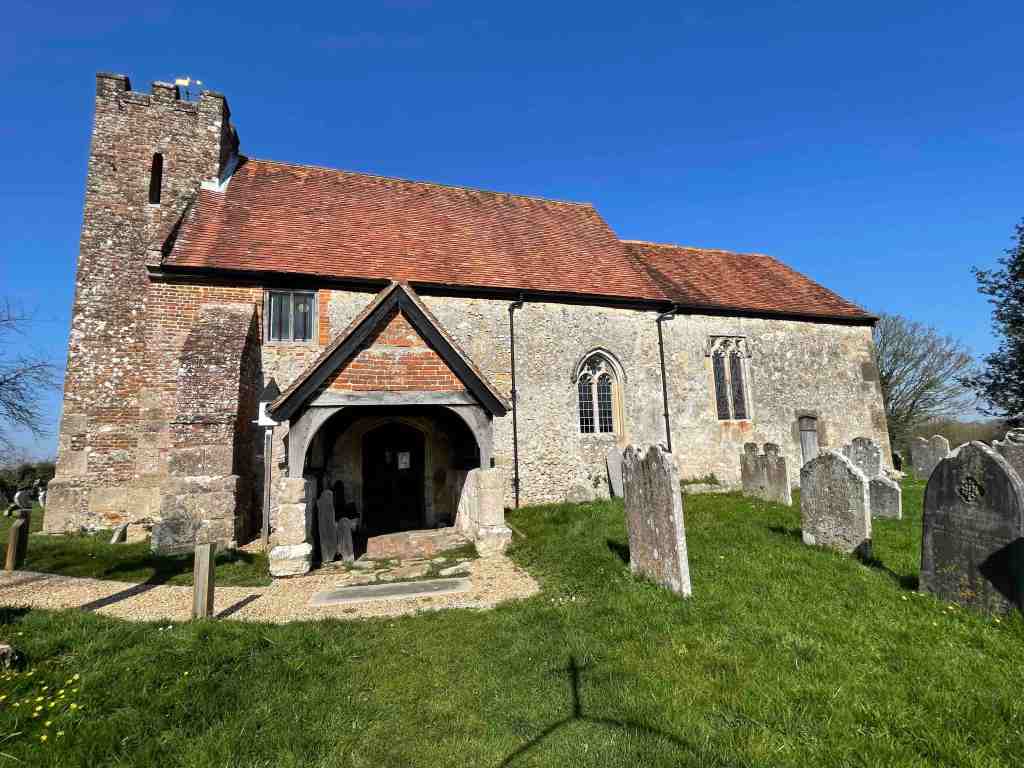
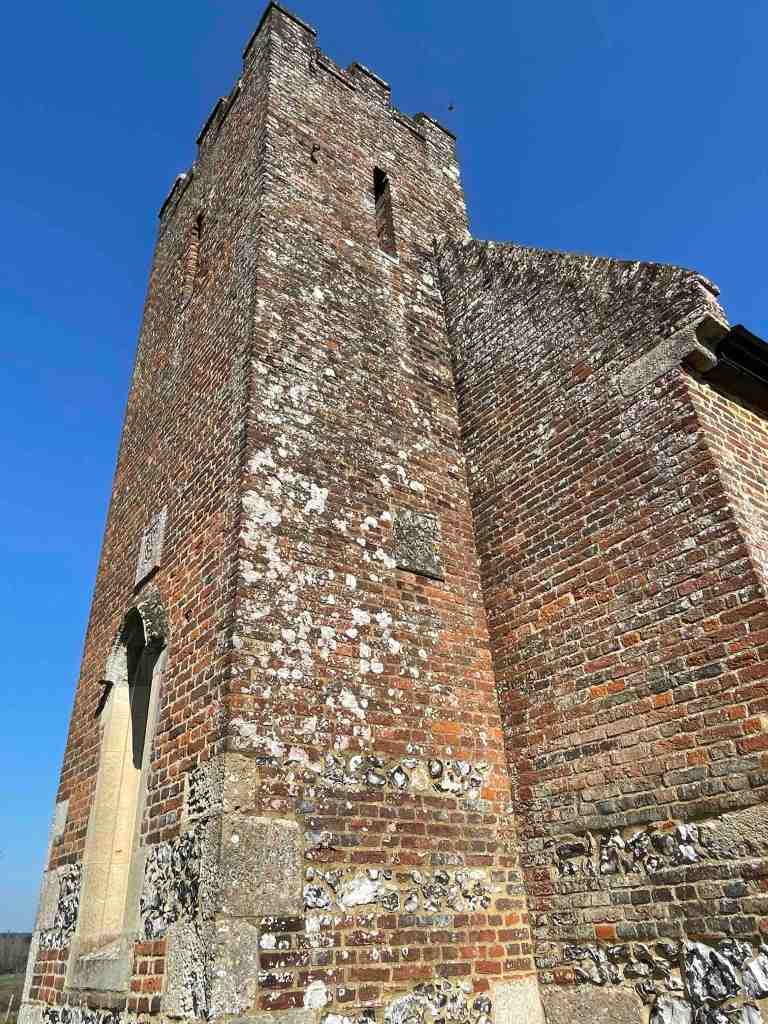
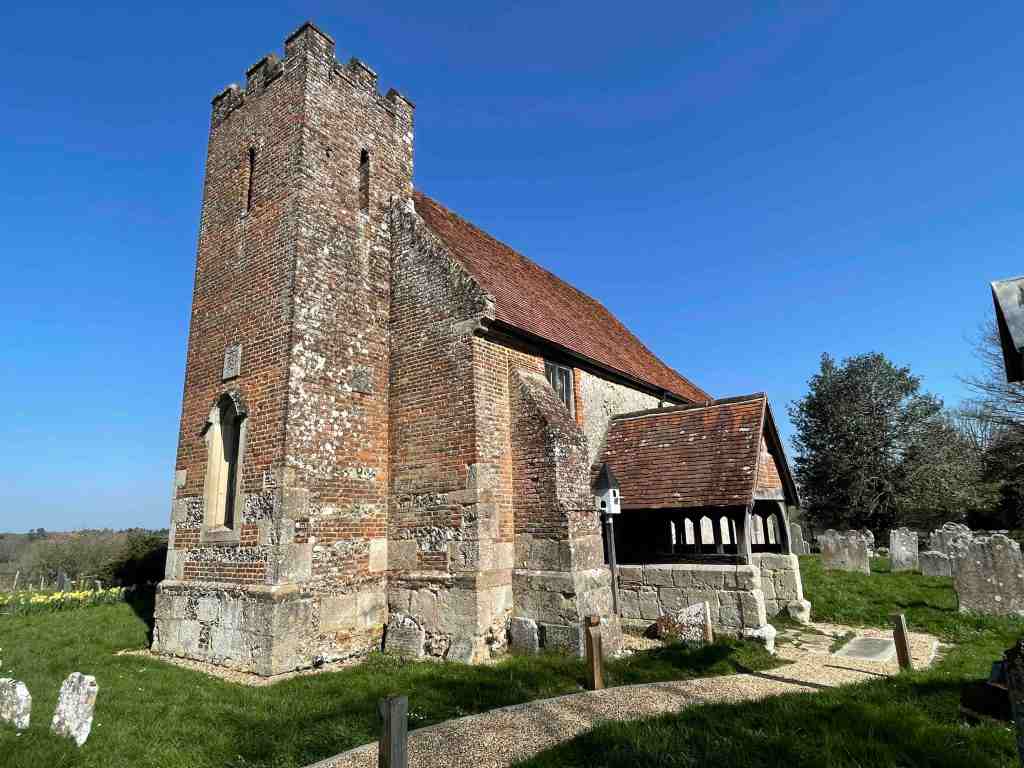
The Hospitallers’ presence at Baddesley extended beyond farming. The Order appropriated the local church in 1304, dedicating it to St John the Baptist. Although the original preceptory buildings have not survived, the site lay just south of the church, and the landscape still bears traces of this medieval past.
By the 15th and early 16th centuries, the estate had been reorganised further, at times combined with other Hospitaller properties such as Friar Mayne. Eventually, like many ecclesiastical estates, Baddesley was leased out, and by 1516 even the preceptory itself was in private hands.
A Window into Medieval Life
The story of Baddesley offers a valuable glimpse into how the Knights Hospitaller operated in England — not just as warriors and crusaders, but as landowners, farmers, and administrators. Through detailed records of acres, animals, rents, and resources, we see a community shaped by both careful management and the wider forces of medieval crisis and change.
Though little of the preceptory remains today, its records preserve a rich picture of a working estate at the heart of a global religious order — where the rhythms of agriculture, governance, and faith were closely intertwined.
Learn More about the Knights Hospitallers in the UK on our main website by clicking here
Check Out out Knights Gift Store for your replica Knights Templar, Hospitaller and Order of St Lazarus Armour, weapons clothes & gifts by clicking here
 TheTemplars.Co.Uk