MARCH 2026
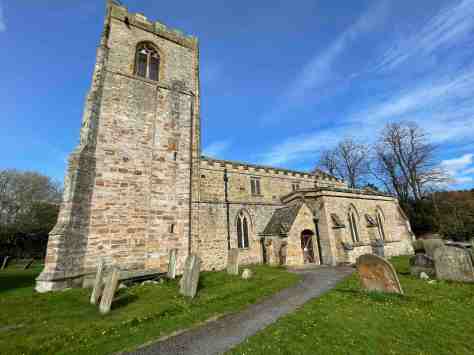
Landholding, Ecclesiastical Control, and the Effigy of Nicholas Stapleton
Introduction
The parish of Kirkby Fleetham provides a valuable case study for examining the localised operation of the Knights Templar and their successors, the Knights Hospitaller, within northern England. Through documentary evidence—including the 1185 Templar inquest, later Hospitaller surveys, and antiquarian accounts—combined with surviving material culture such as the effigy of Nicholas Stapleton, it is possible to reconstruct both the economic and ecclesiastical significance of the site from the late twelfth to fourteenth centuries.
The 1185 Templar Inquest and Early Landholding
The earliest documentary reference to Kirkby Fleetham appears in the Templars’ Inquest of 1185, a survey of their English estates. The entry:
“Apud Fletam… ex dono Georgii… j. bouatam… quam Willelmus tenet… pro iiij. sol. pro omni servicio”
records the grant of a bovate of land (c. 15 acres) by an individual named George, held by a tenant William for a fixed rent of four shillings.
This brief entry reflects typical Templar estate management practices:
- Donative acquisition: land granted by local patrons
- Tenurial leasing: land held by tenants rather than directly exploited
- Commutation of labour services: rent replacing feudal obligations
Such arrangements illustrate the integration of the Templars into the manorial economy, functioning as institutional landlords rather than purely military actors. Comparable patterns are observed across Yorkshire Templar holdings associated with centres such as Temple Hirst Preceptory, which administered extensive regional estates.
The Templar Church and Local Ecclesiastical Structure
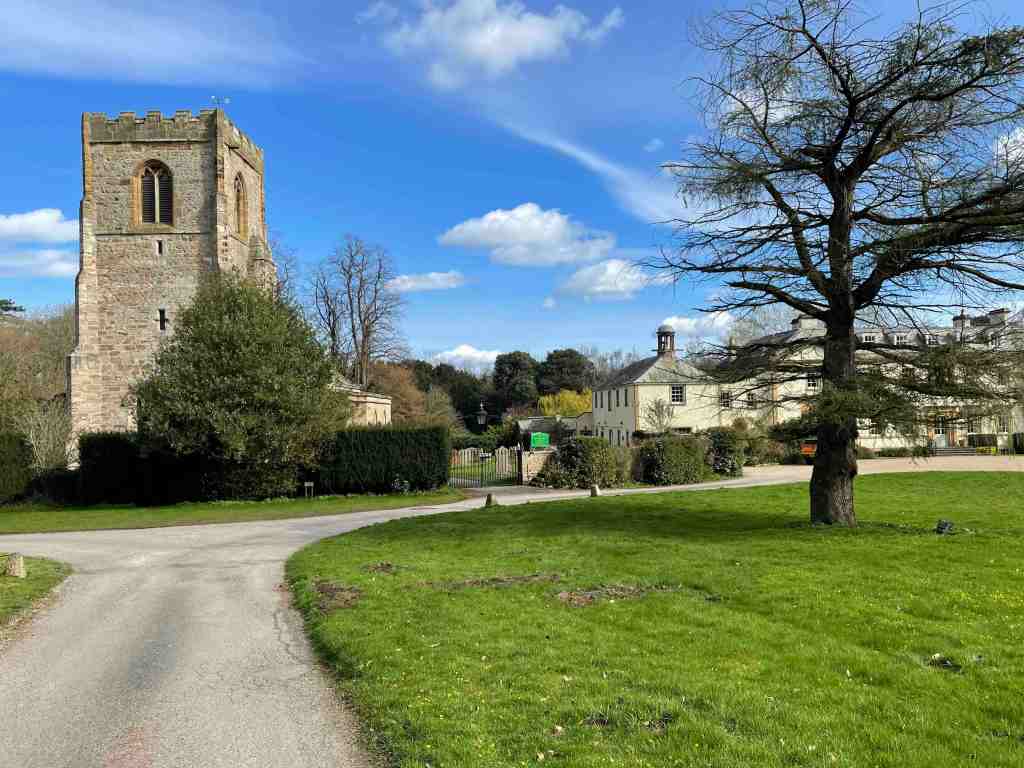
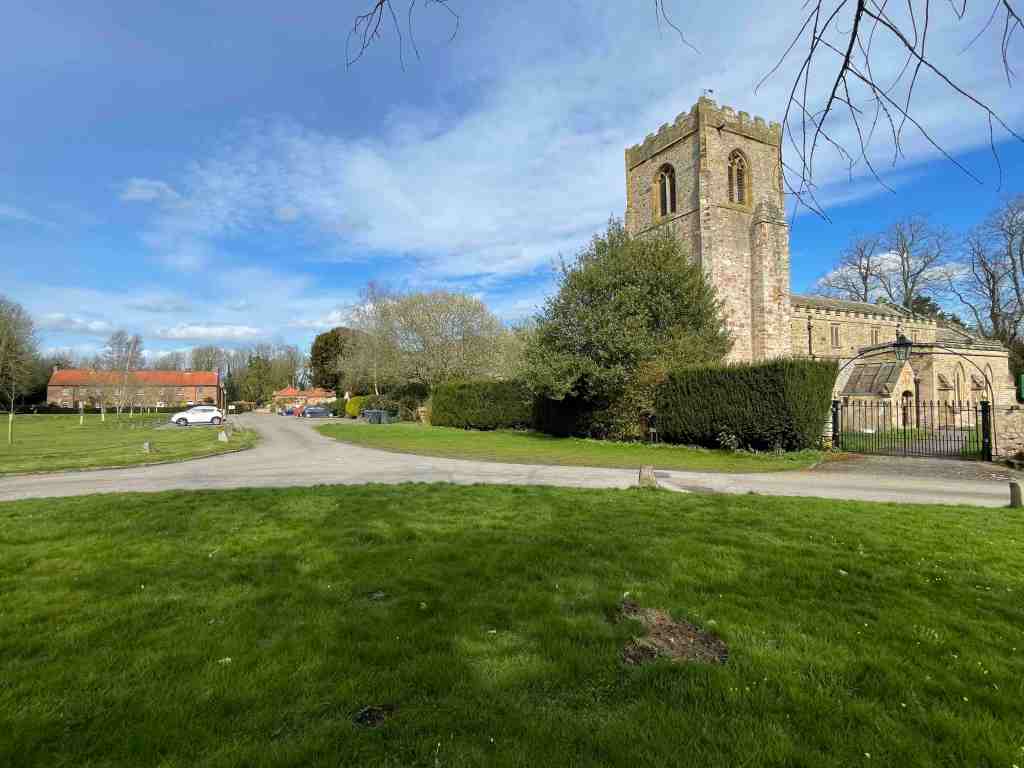
By the thirteenth century, Kirkby Fleetham had developed into a Templar ecclesiastical site. Architectural evidence indicates that St Mary’s Church, Kirkby Fleetham originated in the Norman period, with significant twelfth- and thirteenth-century phases surviving in the present structure.
Antiquarian sources further suggest that:
- The church was held directly by the Templars
- It functioned within a network of dependent religious sites
- It was likely administratively linked to nearby preceptories such as Temple Hirst or Cowton
The possession of churches “in proprios usus” (for their own use) was characteristic of both Templar and Hospitaller administration, allowing the orders to appropriate tithes and ecclesiastical revenues. This is paralleled at other Yorkshire sites such as Kellington, where the Templars similarly controlled the parish church.
The Stapleton Family and Templar Patronage
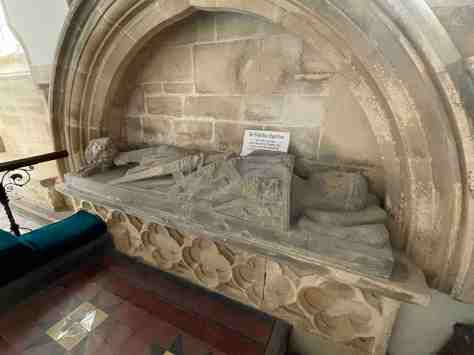
The association between the Templars and the Stapleton family of Haddlesey is central to understanding the local significance of Kirkby Fleetham.
Documentary evidence records that:
- Sir Miles Stapleton granted lands to the Templars in 1302, reinforcing their holdings in the region
- A member of the family, likely an elder son, was buried at Kirkby Fleetham and identified through heraldic evidence as a Templar brother
This relationship reflects a broader pattern in which local gentry families acted as patrons and participants within military-religious orders, contributing land and, in some cases, personnel.
The Effigy of Nicholas Stapleton
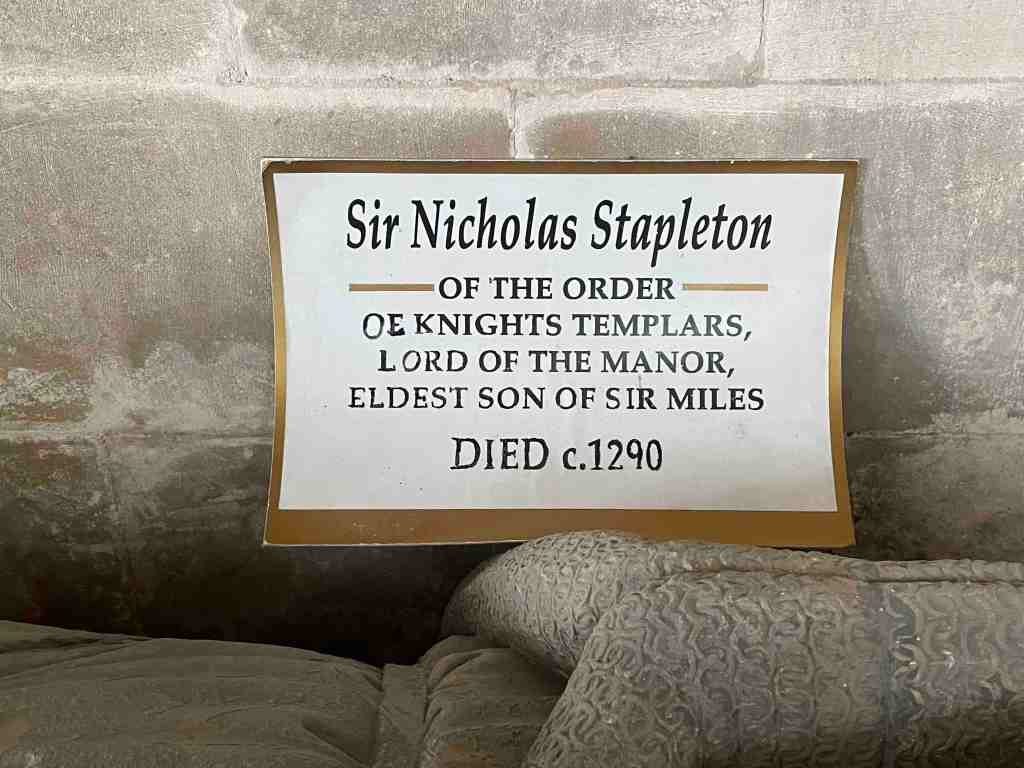
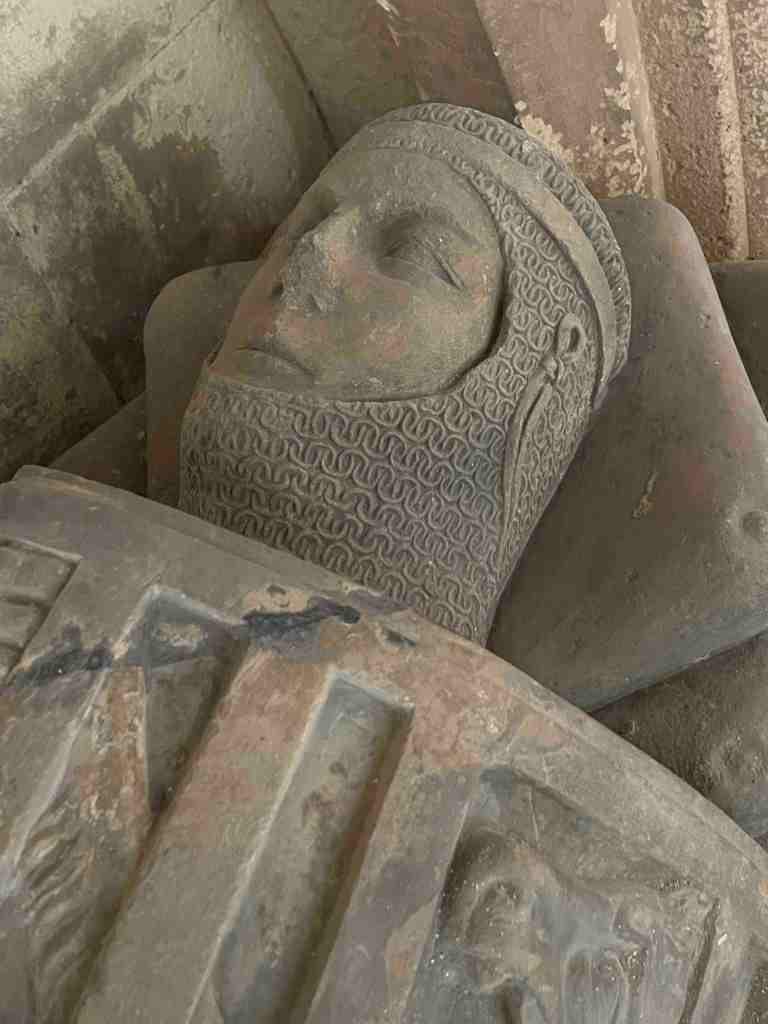
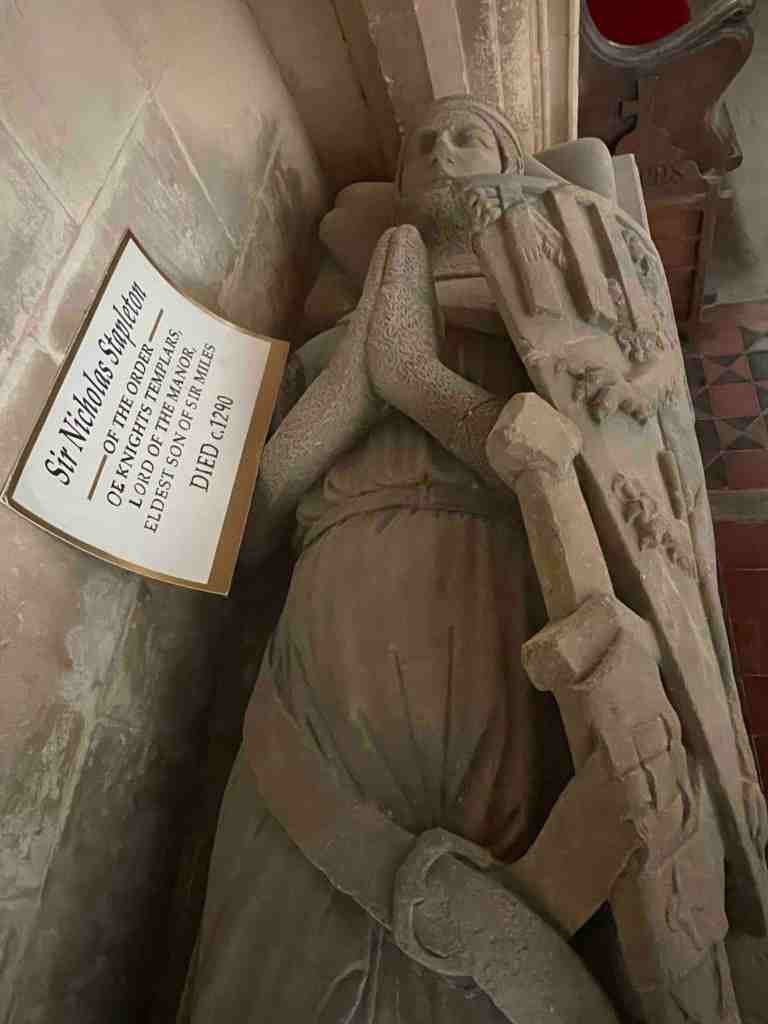
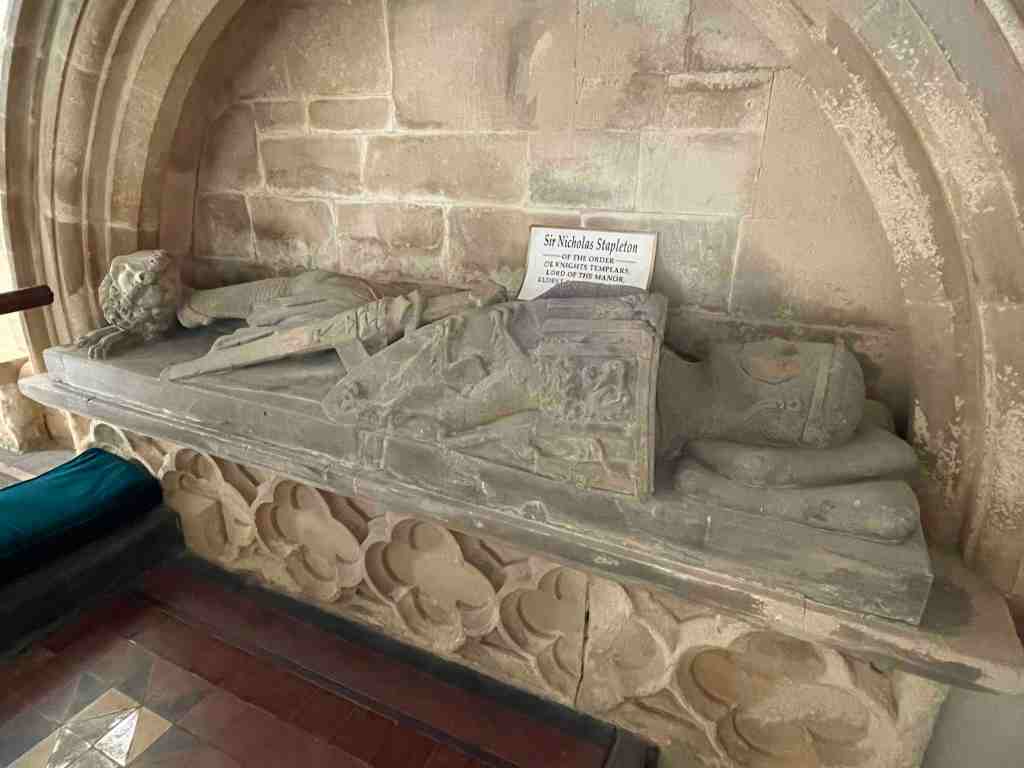
The most striking physical survival of this connection is the effigy of Nicholas Stapleton within St Mary’s Church.
Key features and interpretations include:
- Date: early fourteenth century (c. 1290–1322)
- Martial costume: indicating knightly status
- Heraldic shield with label: denoting an eldest son
- Possible Templar affiliation: supported by antiquarian accounts
Local tradition identifies the effigy as that of a Templar knight and lord of the manor, preserved in situ within the choir.
While the attribution to a specific individual remains debated, the effigy provides important evidence for:
- The social status of Templar associates
- The funerary practices of knightly elites
- The integration of crusading identity into local memorial culture
Transition to Hospitaller Control
Following the suppression of the Templars in the early fourteenth century, their estates were transferred to the Knights Hospitaller. This transition is well documented across England and is consistent with developments at Kirkby Fleetham.
A fourteenth-century Hospitaller survey (1338) records:
- Extensive agricultural holdings (hundreds of acres under varying rents)
- A water mill at Sowerby
- Declining rental income (from £40 to £36)
- The church of Kirkby Fleetham valued at 40 marks
The report explicitly states that the church was held “in proprios usus,” confirming its appropriation to the Hospitaller estate centred at Cowton.
This reflects continuity rather than rupture:
- Administrative structures remained largely intact
- Revenues continued to support the order’s wider activities
- The church retained its economic as well as spiritual function
Economic and Institutional Significance
The cumulative evidence demonstrates that Kirkby Fleetham formed part of a regional network of estate management, characterised by:
- Agricultural production (arable land and pasture)
- Rental income from tenants
- Ancillary assets (mills, courts, grazing rights)
- Ecclesiastical revenues from appropriated churches
Such estates were essential in financing the international activities of both the Templars and Hospitallers, particularly in the eastern Mediterranean.
Conclusion
Kirkby Fleetham offers a rare convergence of documentary, architectural, and material evidence for the study of military-religious orders in medieval England. From the 1185 inquest entry to the Hospitaller financial survey, the site illustrates:
- The evolution of Templar landholding strategies
- The integration of ecclesiastical and economic functions
- The role of local gentry, particularly the Stapleton family
- The persistence of institutional structures following the Templars’ suppression
Above all, the effigy of Nicholas Stapleton stands as a powerful testament to the local embodiment of crusading identity, linking a small Yorkshire parish to the wider religious and military networks of medieval Europe.
References (Selected)
- Templars’ Inquest of 1185 (translated extract provided)
- Victoria County History, Yorkshire (Templar holdings)
- Yorkshire Archaeological Journal, Vol. X
- St Mary’s Church, Kirkby Fleetham architectural history
- Effigy records (Stapleton monument)
- Local historical accounts of the Stapleton family and Templar affiliation
- Regional Templar administration (Temple Hirst)
Learn More about the Knights Hospitallers in the UK on our main website by clicking here
Check Out out Knights Gift Store for your replica Knights Templar, Hospitaller and Order of St Lazarus Armour, weapons clothes & gifts by clicking here
 TheTemplars.Co.Uk