FEBRUARY 2026
A Shared Medieval Landscape
The quiet Warwickshire village of Barston, historically recorded as Berstanton, holds a remarkable medieval heritage. Situated in the hundred of Hemlingford, around twelve miles from Warwick and within the parish of Berkswell, this ancient settlement once lay within a landscape shaped by two of the most influential military-religious orders of the Middle Ages: the Knights Templar and the Knights Hospitaller.
Close to Temple Balsall, one of the most important Templar centres in England, Barston formed part of a wider network of estates that funded crusading activity and religious life. By at least 1185, the manor of Barston had already been divided between the two orders, each maintaining lands and revenues there.
Barston itself was no insignificant place. Mentioned in the Domesday Book, it was an established settlement long before the arrival of the crusading orders, making it an attractive acquisition for religious foundations seeking reliable income from English estates.
Templar Holdings at Barston
The Knights Templar held part of Barston from an early date. Records suggest their portion was granted from the fee (feodum) of Robert Marmion, a prominent Norman baron, though no specific donor is named.
By the 31st year of Henry II’s reign (1185), the yearly value of the Templars’ lands at Barston stood at £1 0s. 7d. — a modest but steady revenue typical of smaller rural holdings. These lands would have contributed to the upkeep of nearby Templar establishments, especially Temple Balsall, which functioned as a preceptory and administrative centre.
Although small in comparison with major Templar estates, such properties formed the backbone of the order’s English income. Agricultural rents, grazing rights and manorial dues were carefully managed to support the Templars’ military and religious activities abroad.
Hospitaller Possessions and Income
The Knights Hospitaller held a substantial share of Barston — reportedly half the village — bestowed upon them by Alan de Faleis and later confirmed in the reign of King John. Their estate appears to have been more extensive and economically productive than that of the Templars.
Records from Dugdale’s Warwickshire detail the Hospitaller assets:
- One messuage (a dwelling house with attached land)
- One carucate of land with meadow, valued at 100 shillings per year
- Assize rents producing £10 annually
- Pasture for 200 sheep, worth 16s. 8d. per year
- Mill
From these and other associated revenues, the total annual receipts and profits of the Hospitaller bailiwick at Barston amounted to £78 15s. 2d. — a significant sum demonstrating the importance of the estate within their Warwickshire holdings.
The Manor at Eastcote
The Hospitallers’ manor of Barston was likely situated on the outer reaches of the estate, in what is now the hamlet of Eastcote (pronounced Escot). This small settlement lies on the north-western end of the sand and gravel ridge that extends through Barston.
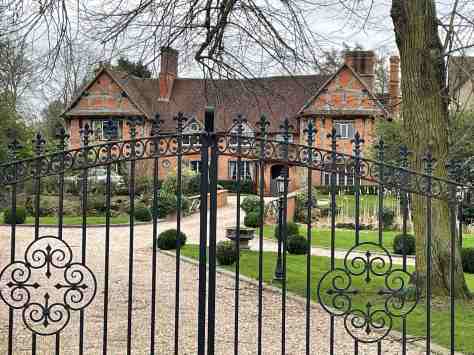
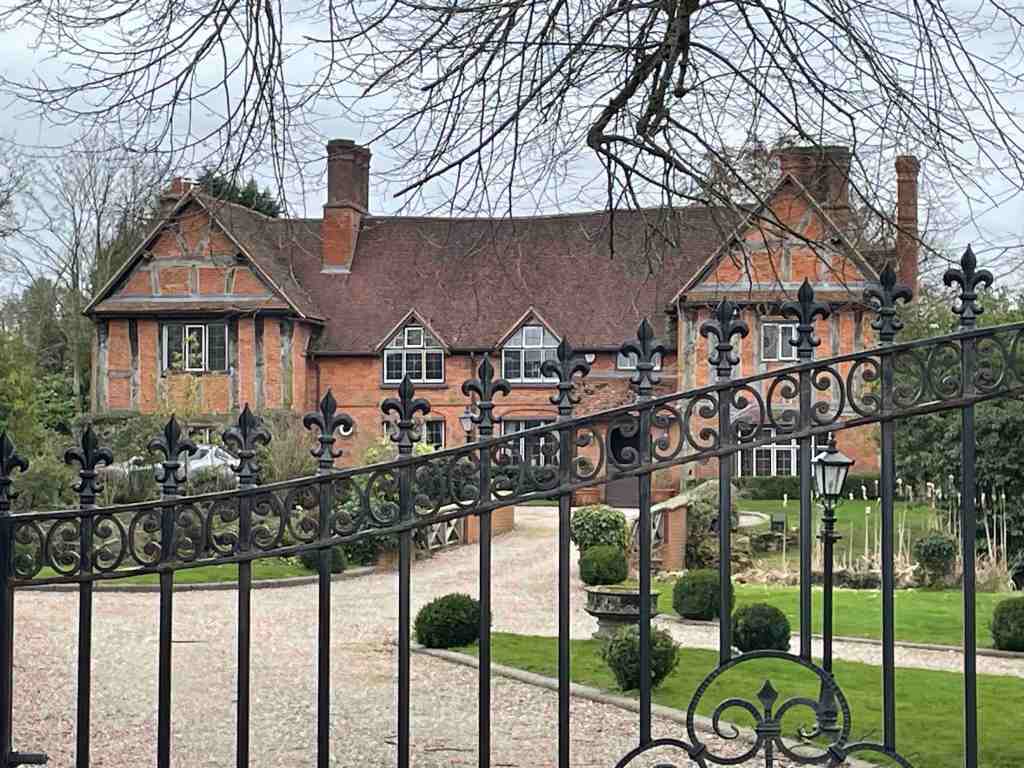
Today, Eastcote Hall, a moated manor house built in the 15th century, probably occupies the site of the former Hospitaller manor. The presence of a moat, farmstead and surrounding almshouses mirrors the layout of nearby Temple Balsall, suggesting a similar manorial and charitable function under Hospitaller management.
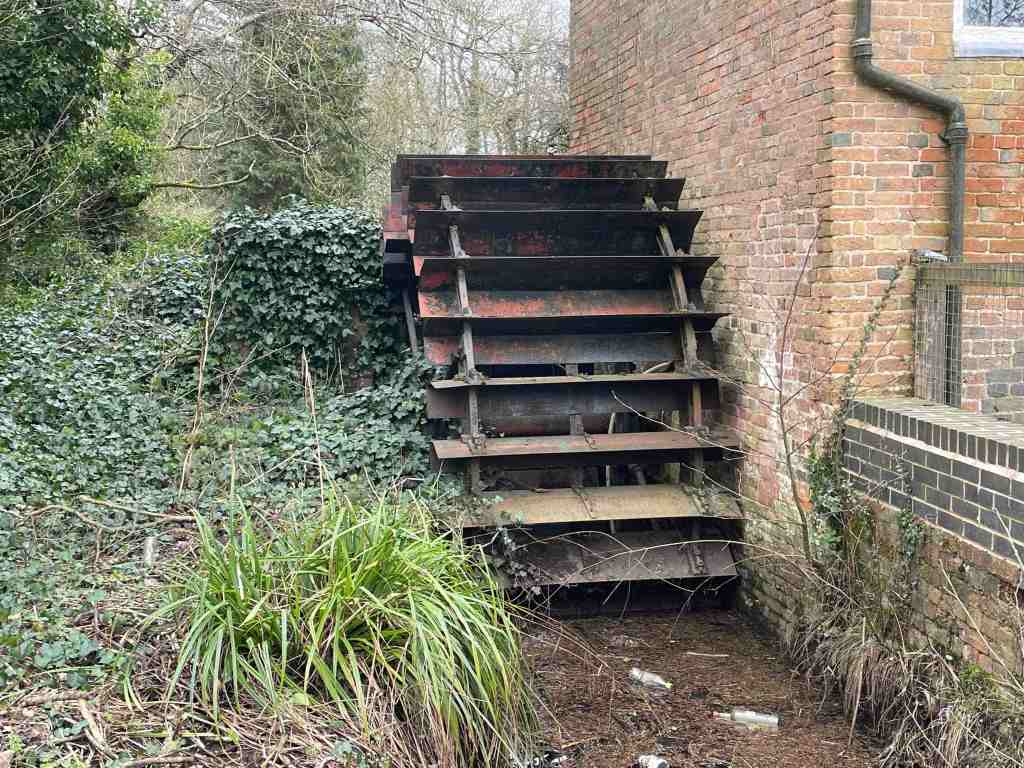
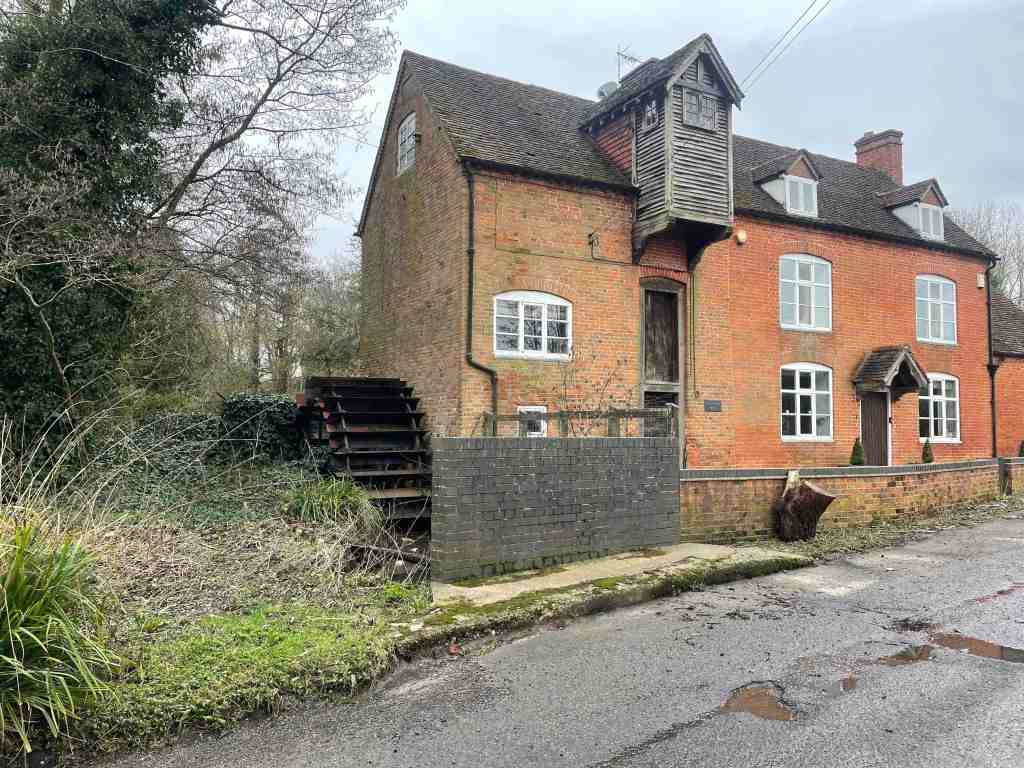
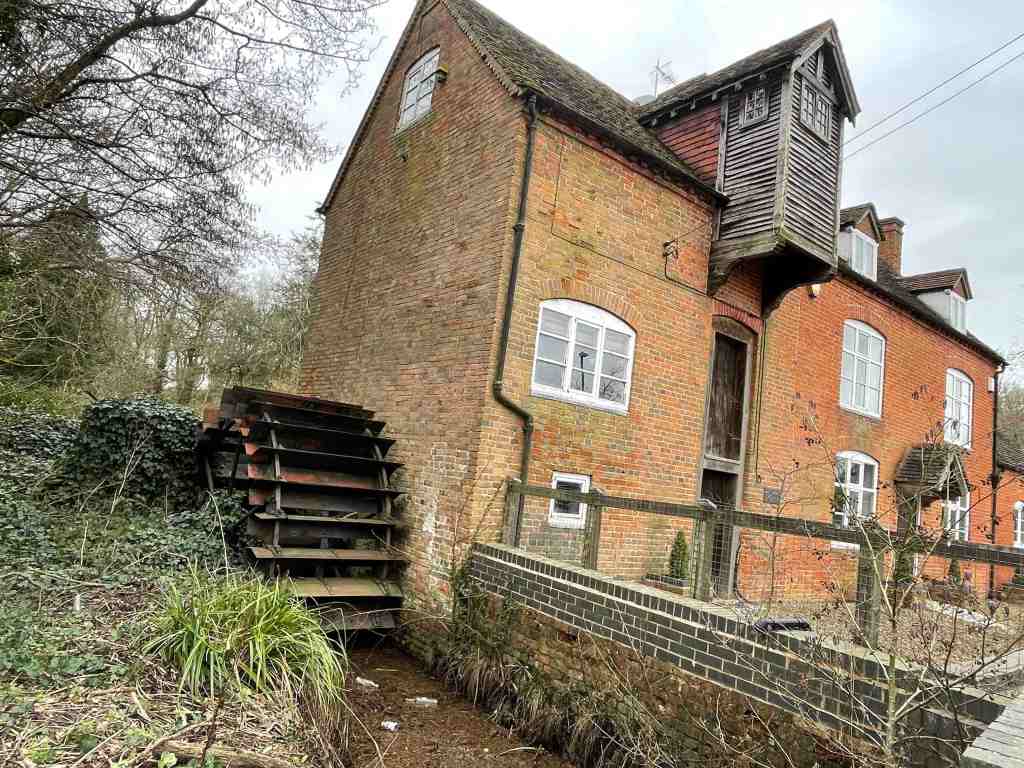
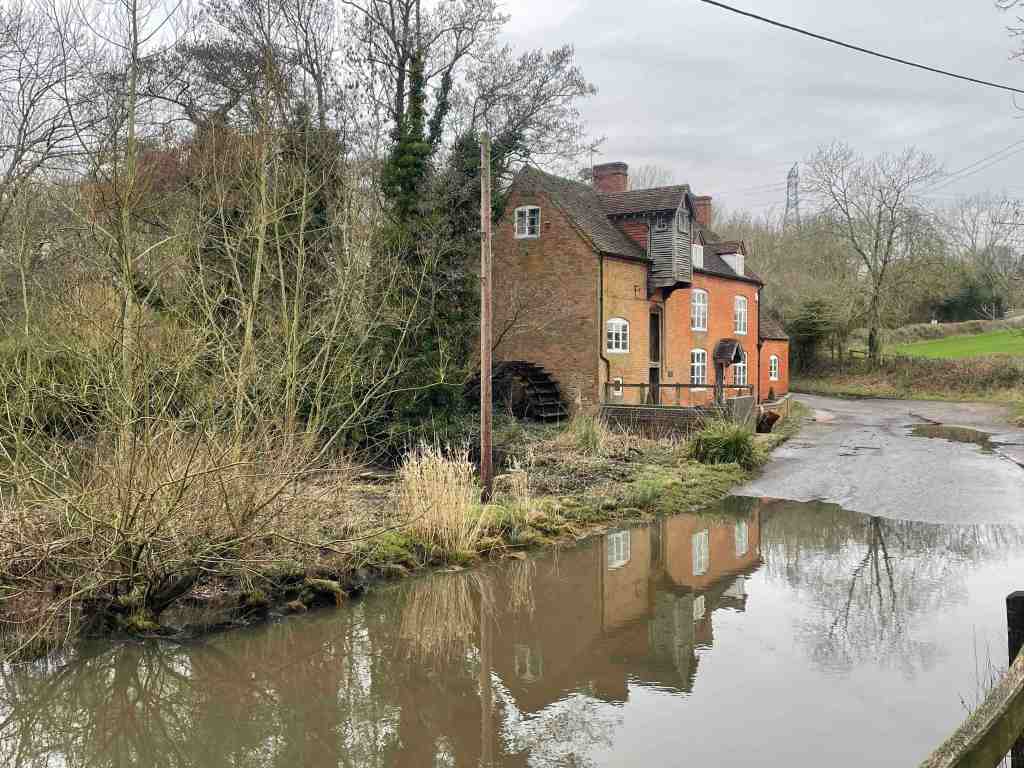
Nearby stands the Mill at Barston, likely built on or near the site of an earlier Hospitaller mill. Even if rebuilt in later centuries, it may still utilise medieval watercourses and leats first engineered to serve the manorial economy of the religious order.
After the Fall of the Templars
The suppression of the Knights Templar in the early 14th century dramatically altered land ownership across England. Their estates were largely transferred to the Knights Hospitaller, and Barston was no exception.
Following this consolidation, the Hospitallers leased out much of their land in Barston and nearby Temple Balsall in demesne — meaning it was managed directly or rented to tenants rather than worked solely by the order. Administrative focus shifted to larger and more prestigious centres, including their preceptory at Temple Grafton, which became a principal residence.
This transition reflects a broader change in the Hospitallers’ English operations: from locally managed agricultural estates to a more centralised system designed to maximise revenue for their international commitments.
A Hidden Crusader Heritage
Today, Barston appears a peaceful Warwickshire village, yet beneath its fields and lanes lies a layered history of crusading orders, medieval landholding and religious administration.
From modest Templar revenues to substantial Hospitaller manorial income, Barston formed part of a network that connected rural England to the wider world of crusader states and religious warfare. The landscape around Eastcote, Temple Balsall and Barston still quietly reflects that legacy — a reminder that even small villages once played a role in the grand narrative of medieval Christendom.
Learn More about the Knights Hospitallers in the UK on our main website by clicking here
Check Out out Knights Gift Store for your replica Knights Templar, Hospitaller and Order of St Lazarus Armour, weapons clothes & gifts by clicking here
 TheTemplars.Co.Uk