SEPTEMBER 2025

In the quiet rolling hills near St Ive in eastern Cornwall lies a place steeped in medieval mystery and monastic might — the Manor of Trebeigh. Once a vital stronghold of the Knights Templar, later passed to the Knights Hospitaller, this hidden gem offers a glimpse into a forgotten chapter of Cornwall’s sacred and military past.

A Gift of Power: The Templars Arrive in Cornwall
The origins of Trebeigh’s remarkable history trace back to 1150, when King Stephen granted the manor of Trebeigh — then known as Trebythe or Trebighan — to the Knights Templar. This military monastic order had already begun to establish a presence across England, and Trebeigh became their principal preceptory in Cornwall, managing not only estates but also spiritual and social responsibilities.
The Templars’ reach extended beyond Trebeigh itself to include nearby Temple on Bodmin Moor, where a chapel dedicated to St Catherine had been founded around 1120. These two locations formed the Preceptory of Trebeigh, a regional centre for the Templars’ activities, complete with religious duties, economic management, and hospitality for pilgrims travelling westward — perhaps en route to St Michael’s Mount or continental Europe via Fowey.
Trebeigh in 1185: A Snapshot of Templar Wealth
A surviving Templar inventory from 1185 provides a rare and detailed insight into Trebeigh’s estate. This wasn’t merely a manor house — it was a fully functioning monastic economy with:
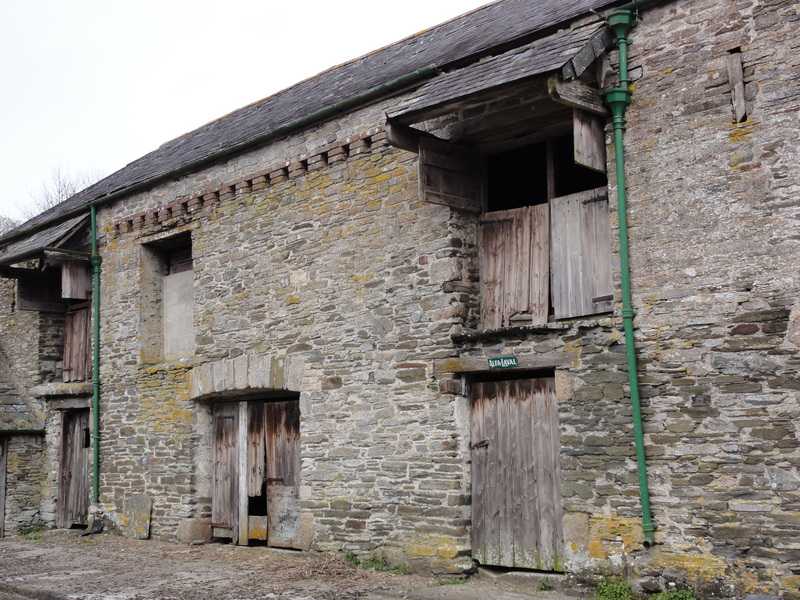
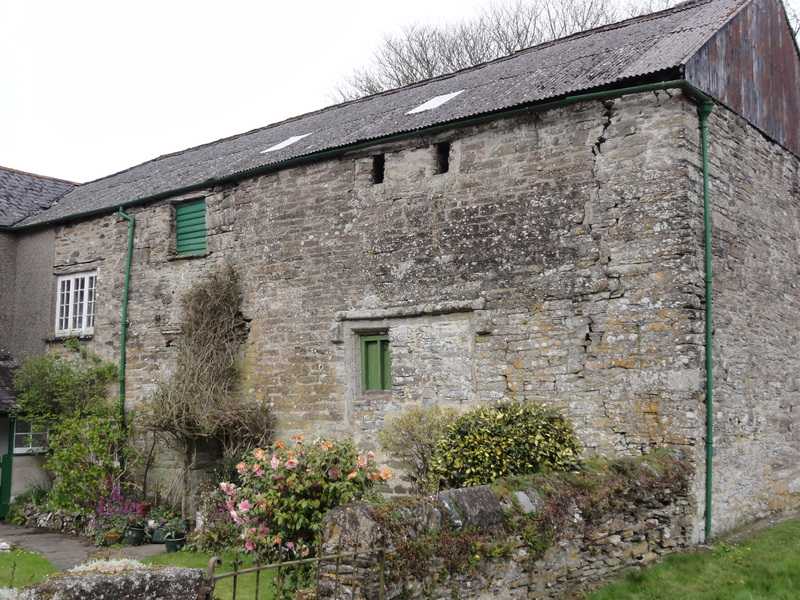
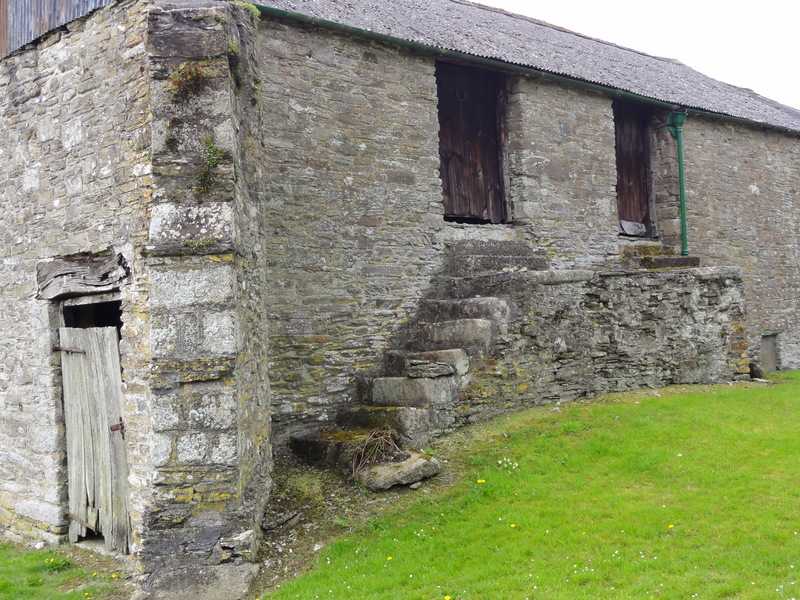


- A messuage (dwelling) with garden and dovecote, worth 16s 3d per year
- A water mill, likely located at what is now Bicton Mill on the River Lynher, valued at 10s 8d
- 200 acres of arable land and pasture, plus 3.5 acres of meadow
- Assized rents collected from tenants amounting to 30s annually
- Income from churches and vicarages, including:
- St Ive, St Maddern, and St Clare
- The appropriated church of Trebeigh, yielding 28 marks
- Tithes and pensions from St Maddern, totalling 48 marks
Altogether, the estate generated 113 marks, 4 shillings, and 8 pence, showcasing its spiritual and economic importance.
From Templars to Hospitallers
The fall of the Knights Templar in 1312, driven by political intrigue and Papal decree, saw their estates transferred to the Knights Hospitaller — the Order of St John. The Hospitallers continued the administration of Trebeigh, with accounts from 1338 (found in Malta) recording the value of livestock, crops, honey, and even dovecotes.
Their stewardship preserved Trebeigh’s function as a spiritual and economic centre well into the Reformation, after which the property passed into private hands.
A Manor of Many Layers
By the 17th century, Trebeigh had been converted into a private estate, home to the Wray family. However, the medieval roots of the site remain embedded in its architecture:


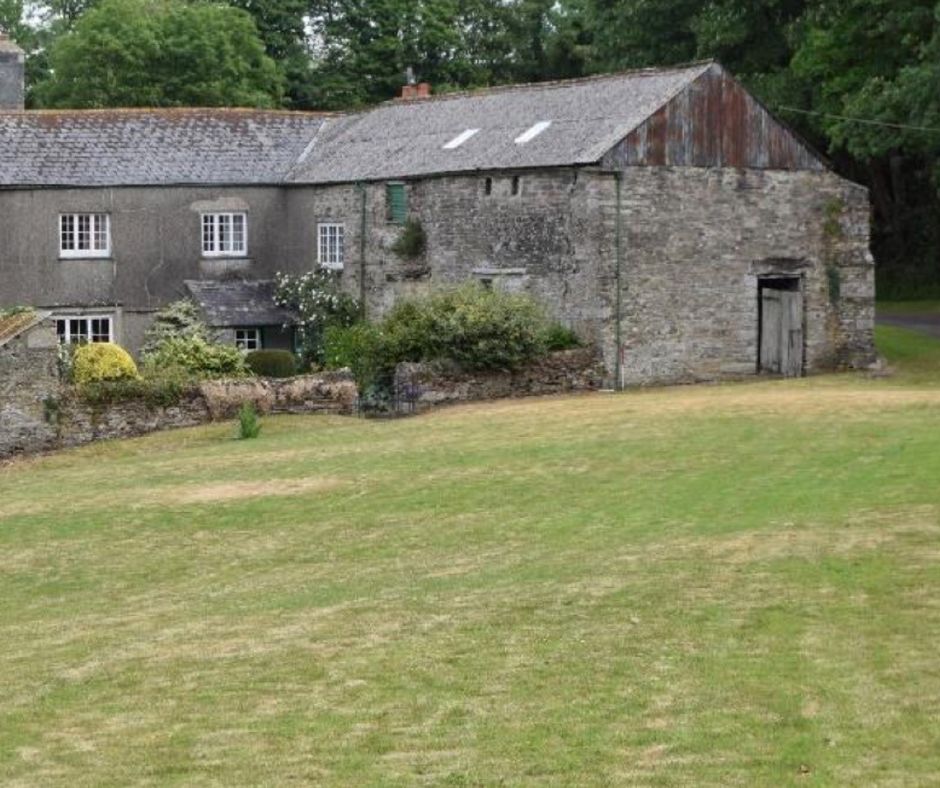


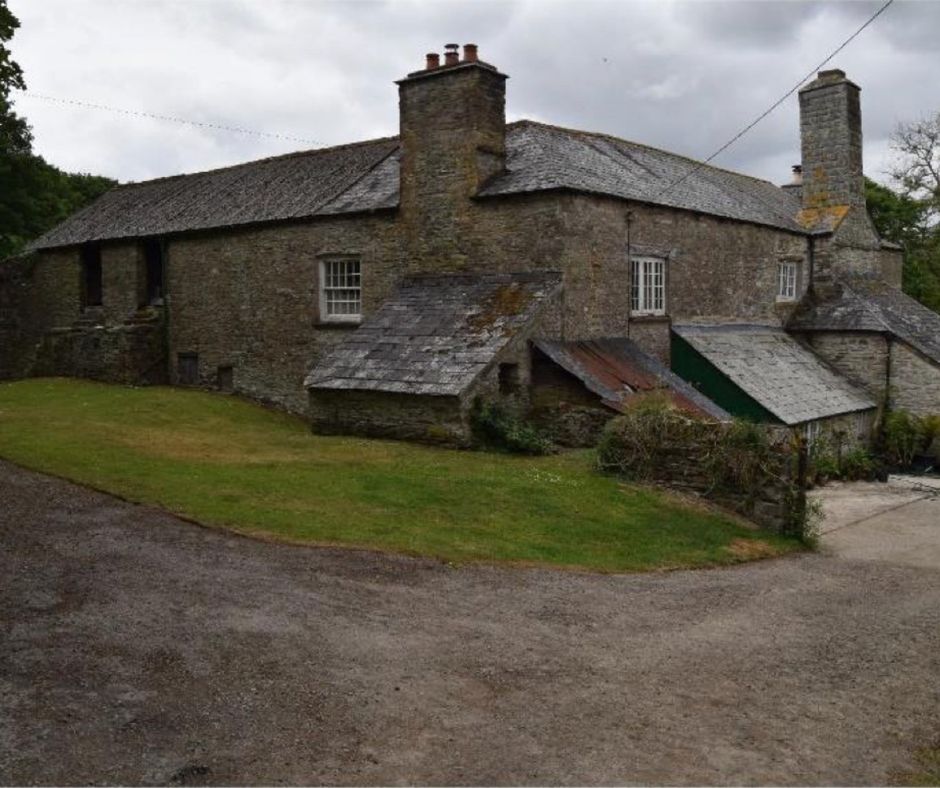
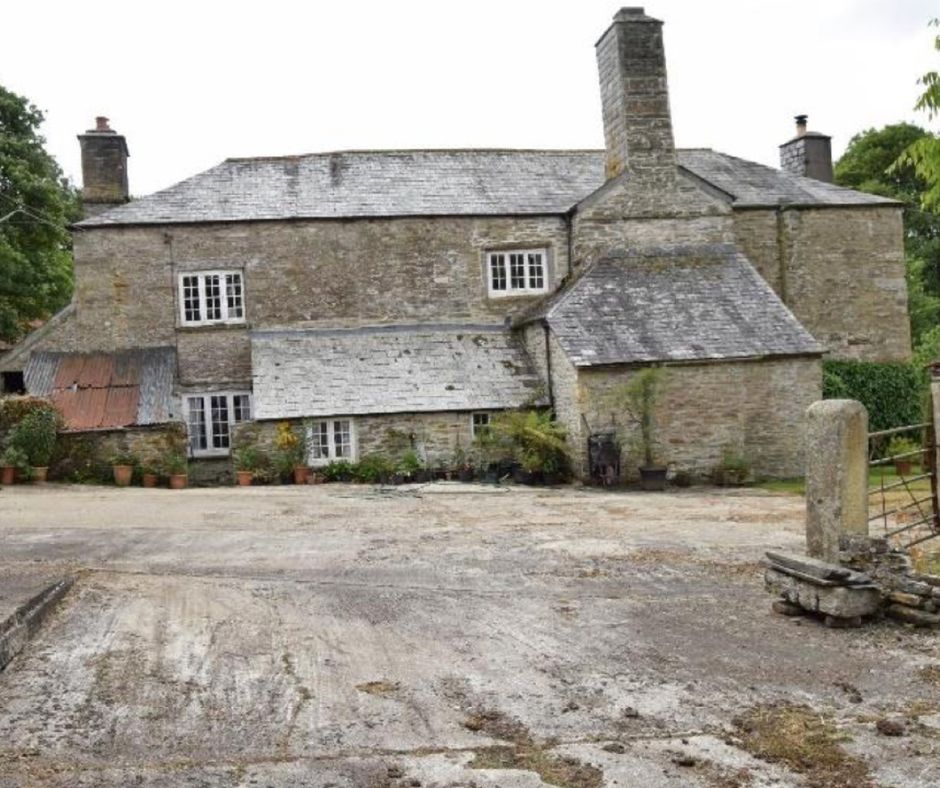
- A buttressed wall on the southeast corner
- A granite lintel with worn carvings resembling Maltese crosses
- A massive Tudor fireplace uncovered in 1982, complete with a cloam oven
- A hidden upper chamber still retaining its original beams and plaster
These features reflect layers of use — from monastic to manorial — making Trebeigh a living palimpsest of Cornwall’s history.
Temple and the Sacred Landscape
Trebeigh’s story is incomplete without mention of the hamlet of Temple. Isolated on Bodmin Moor, this remote site once held a Templar chapel, hospice, and lands, forming the other half of the Preceptory of Trebeigh. The name “Temple” itself reflects this sacred heritage.
Before the Templars arrived, the manor — then Trebighan — belonged to Robert, Count of Mortain, half-brother to William the Conqueror. The Domesday Book records it as a significant estate, with its own steward, bailiff, courtleet, and even a prison.
When King Henry II inherited the lands, he granted them to the Templars, permanently linking Trebeigh and Temple as sites of religious governance, refuge, and regional authority.
Click Here to view our Blog on the Knights Templar at Temple
Legacy in the Landscape
Though the Templars and Hospitallers are long gone, their imprint endures in the place names, field boundaries, and stonework still visible today around St Ive and Trebeigh Wood. The mill at Bicton, now a private dwelling, retains its wheel — a silent witness to centuries of Cornish labour and ingenuity.
The manor at Trebeigh may now be a working farm, but its deep historical roots — intertwined with faith, war, and rural life — remain as compelling as ever.
Visiting Trebeigh and Temple
While much of the manor is private, the parish of St Ive, surrounding countryside, and Temple hamlet are rich in walking opportunities and local history. With a bit of imagination, visitors can still sense the medieval rhythm of life, where knights, monks, and peasants shaped the landscape that remains today.
Sources and Acknowledgements:
Malta Hospitaller Archives (1338)
Templar Inventory of 1185
Domesday Book
Cornwall Historic Environment Record
Learn More about the Knights Hospitallers in the UK on our main website by clicking here
Check Out out Knights Gift Store for your replica Knights Templar, Hospitaller and Order of St Lazarus Armour, weapons clothes & gifts by clicking here
 TheTemplars.Co.Uk