OCTOBER 2025

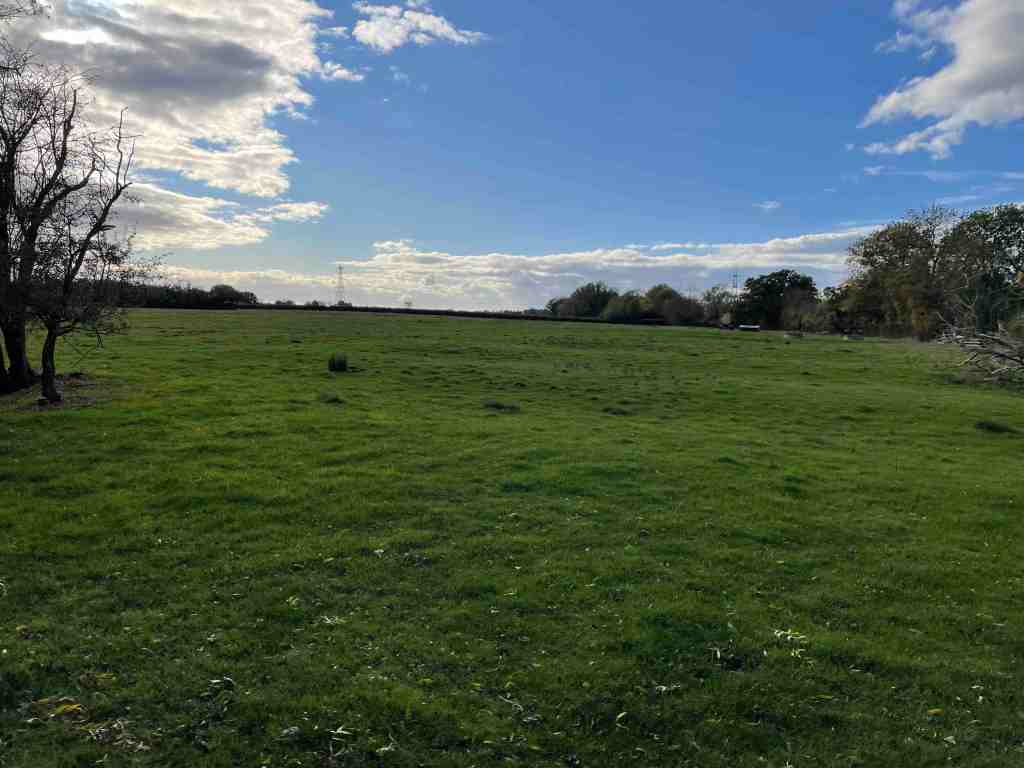
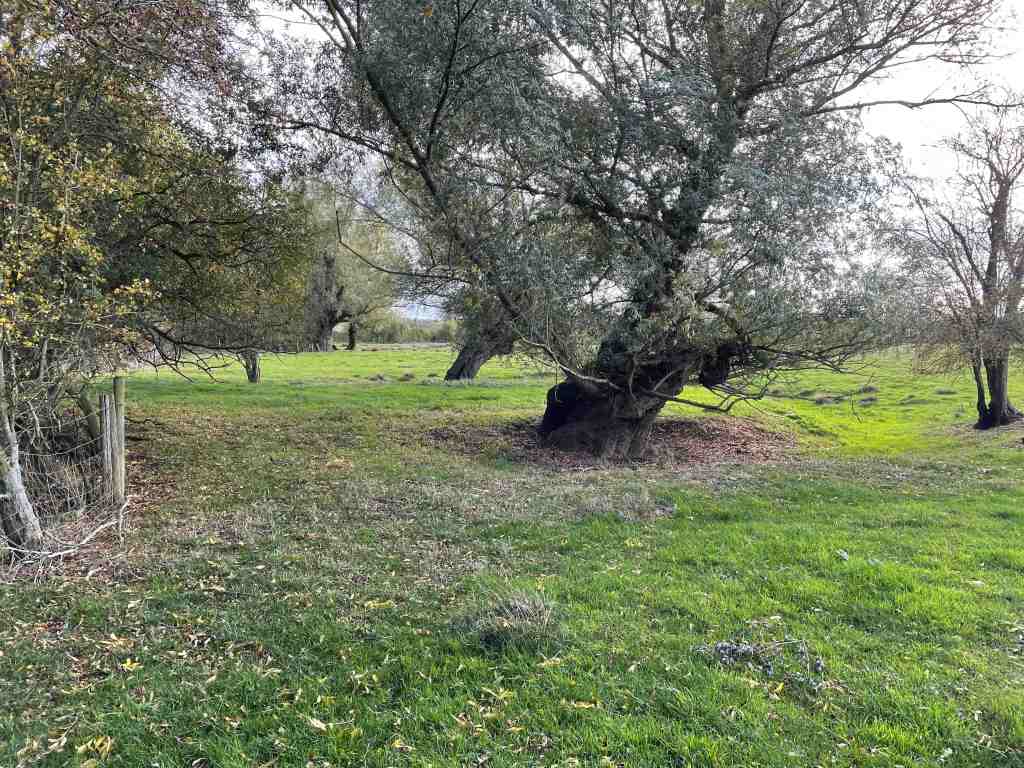
Hidden beneath the quiet fields and woodlands of Huntingdonshire lies the faint memory of a vanished medieval village — Ogerstan, or Ogerston, once the administrative heart of the Knights Templar estates in this region. Though its name has faded from maps and local memory, Ogerstan once stood at the crossroads of medieval piety, feudal power, and the Templars’ remarkable network of landholdings.
What Was a Templar Bailiwick?
The term “bailiwick” (from the French baillie, meaning “district” or “jurisdiction”) described a regional administrative division within the vast holdings of the Knights Templar. Each bailiwick oversaw multiple manors, villages, and estates, ensuring that rents, tithes, and produce were properly collected and forwarded to higher Templar houses — in this case, the Preceptory of Temple Bruer in Lincolnshire, one of the most important Templar commanderies in England.
The bailiwick system allowed the Templars to manage their far-flung lands efficiently, supporting their primary mission: defending the Holy Land and maintaining the Order’s spiritual and military commitments.
The Enigma of Ogerstan
The Bailiwick of Ogerstan is mentioned in medieval documents as one of two “extra-comital” bailiwicks (those outside a county’s direct administrative center) included in a joint Summa with Witham, another major Templar property. Yet Ogerstan itself presents a mystery — for this small, now-lost settlement seems an unlikely choice for such an important administrative role.
The most probable explanation lies in geography. Ogerstan — sometimes recorded as Ogerston in Morborne — was located near Washingley and Folkesworth, close to the boundary between Huntingdonshire and Northamptonshire. Its position made it a natural hub for Templar properties spread across the two shires.
Though Ogerstan does not appear in the Domesday Book (1086), it emerges later in the Hundred Rolls of Edward I (late 13th century), linked with Washingley and Sibson — places where the Templars held land. Evidence suggests that Ogerstan was originally granted to the Order by Bertram of Washingley, and that parts of it were forest land. Indeed, a charter of Richard I (dated October 9, 1189) confirms the Templars’ exemption from royal payment on “seven acres of essart” — newly cleared land — “in Huntendunsira apud Oggirstan.”
A Lost Village Remembered
The name “Ogerstan” vanished long ago, but its site could still be traced as late as the late 18th century. Foundations and ruins were visible when the first Ordnance Survey maps were being compiled around 1791. The historian Professor F. M. Stenton, who personally inspected the area, confirmed that the remains were once clearly marked near Morborne — a silent witness to centuries of forgotten history.
The Bailiwick’s Holdings
From Ogerstan, the Templar bailiff managed an impressive network of estates across Huntingdonshire and Northamptonshire. Surviving records list the lands and tenancies held under its administration:
- At Stivecle (Great Stukeley) – By gift of the King of Scotland, William held one bovate, one virgate, and four acres of meadow for ten shillings and customary service.
- At Gedinges (Great and Little Gidding) – By gift of Warner Engaine, William held one toft and three acres for twelve pence.
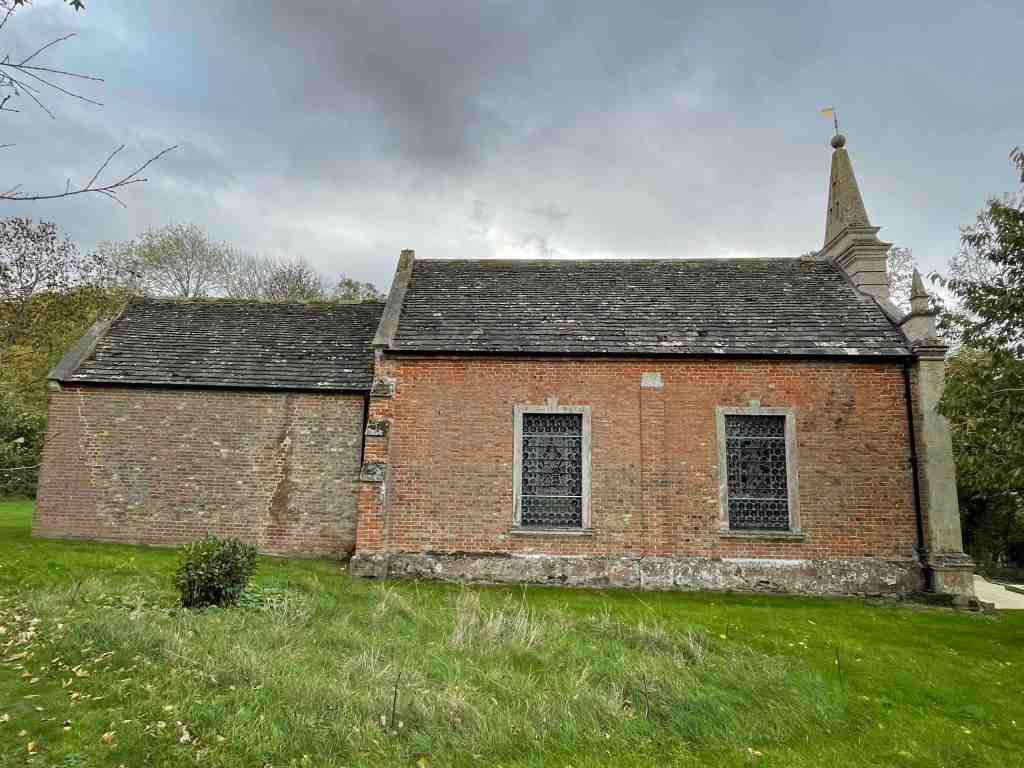
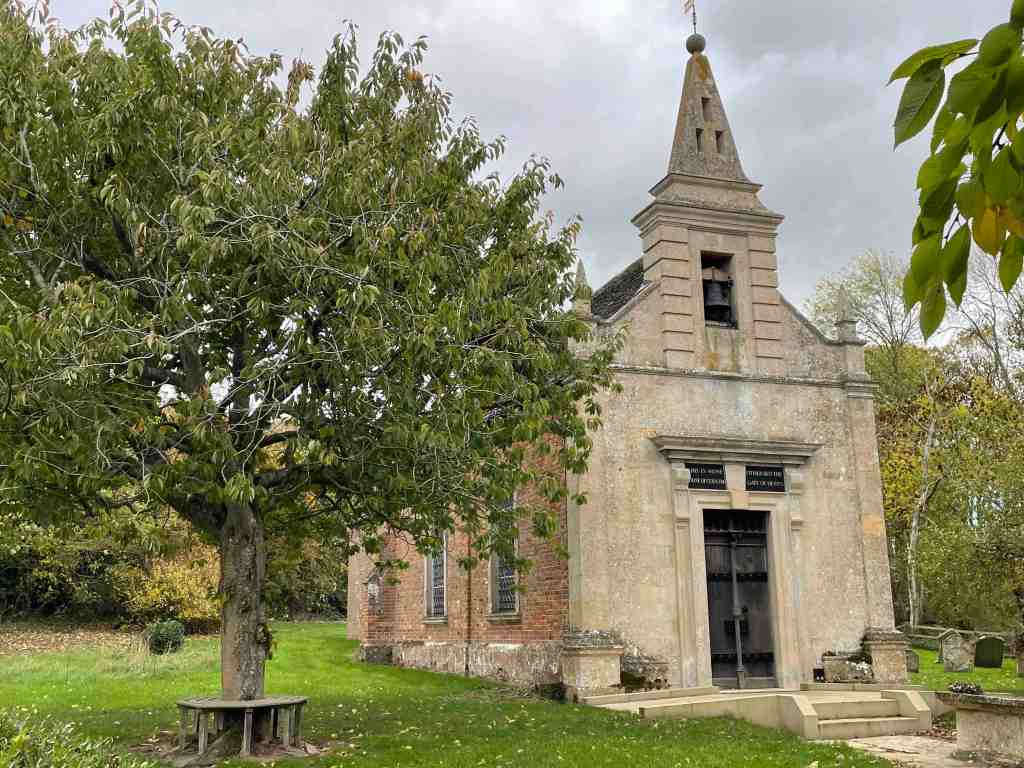


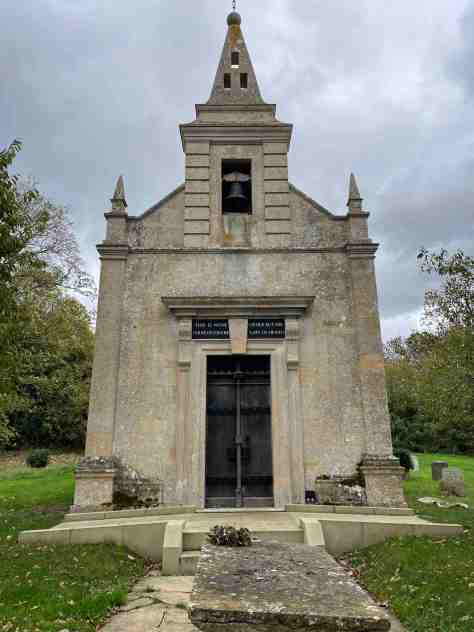
In 1185 Maud Engaine granted Little Gidding church to the Order of Knights Templars at Temple Bruer in Lincs., but the Inquiry of the Knights Templars in 1186 reveals that the church returned ‘no geld’.(The gift would have been of the revenue due to the church in tithes.)
- At Winewic (Winwick) – By gift of William Cardun, Lefwin Claudus held one toft and three acres for eighteen pence; the local priest held one acre by gift of Geoffrey son of Suan.
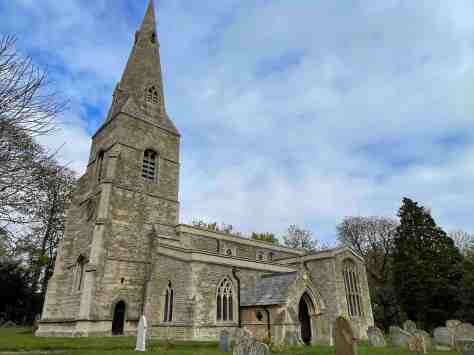
- At Clottone (Clopton) – By gift of William of Clotton, Robert and Richard held one virgate for six shillings.
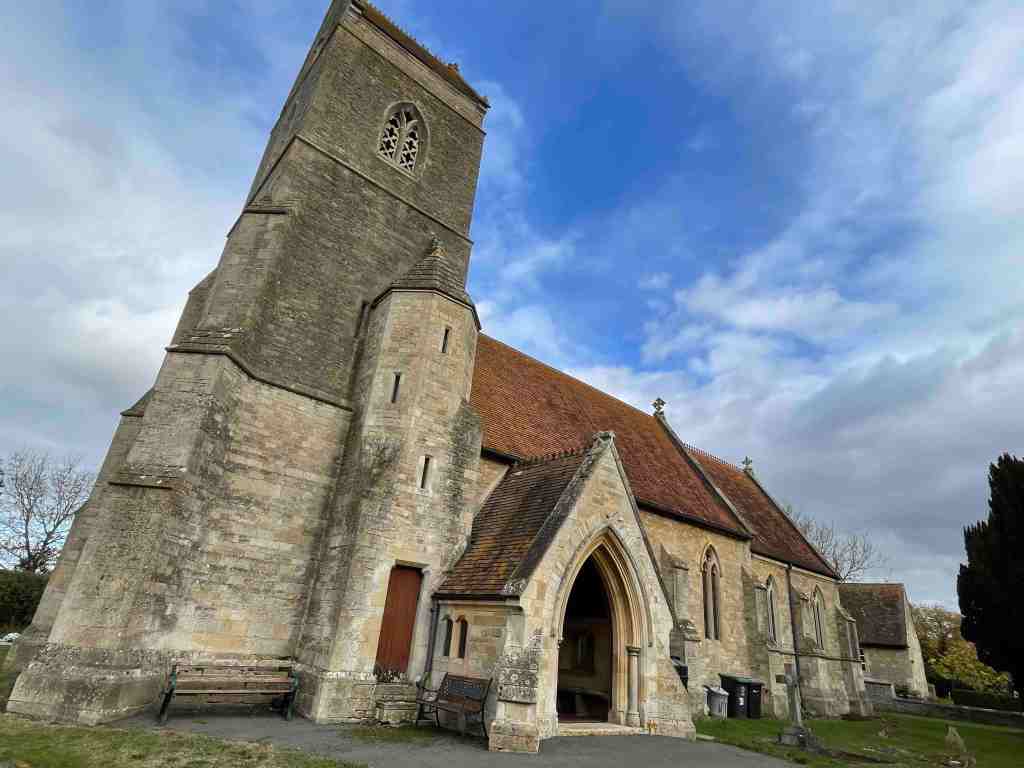


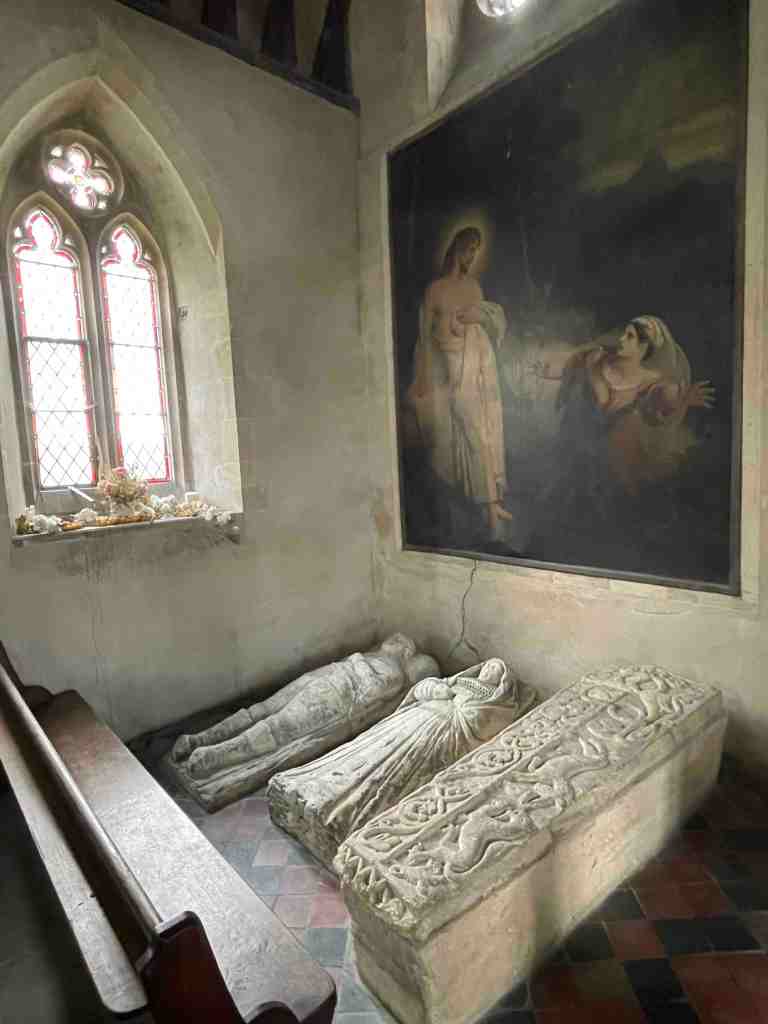
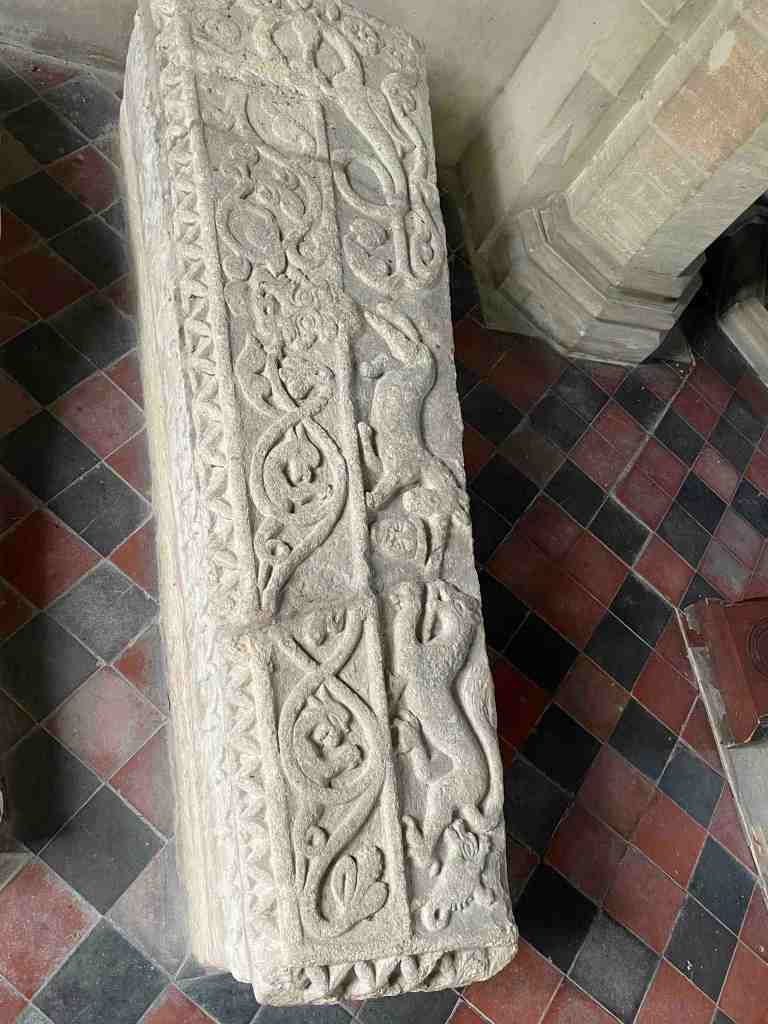
- At Trapestune (Thrapston) – By gift of Robert, Arnald held five acres and a toft for three shillings.
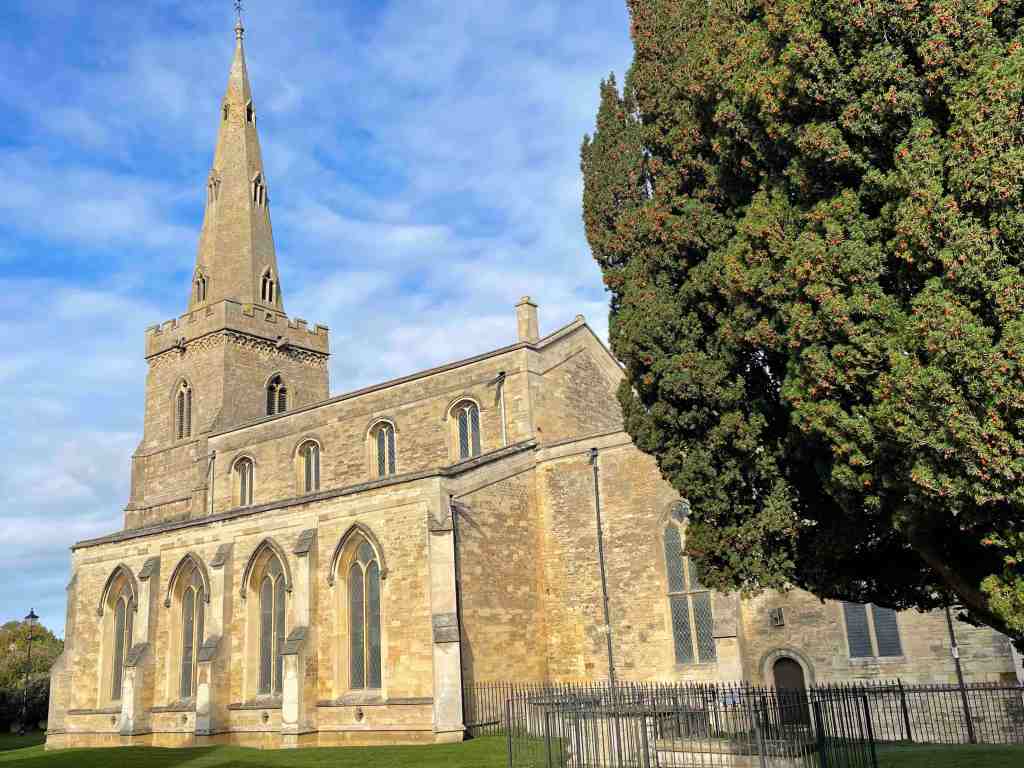
- At Audewicle (Aldwinkle) – By gift of William de Musca, Ralph held one virgate for five shillings.
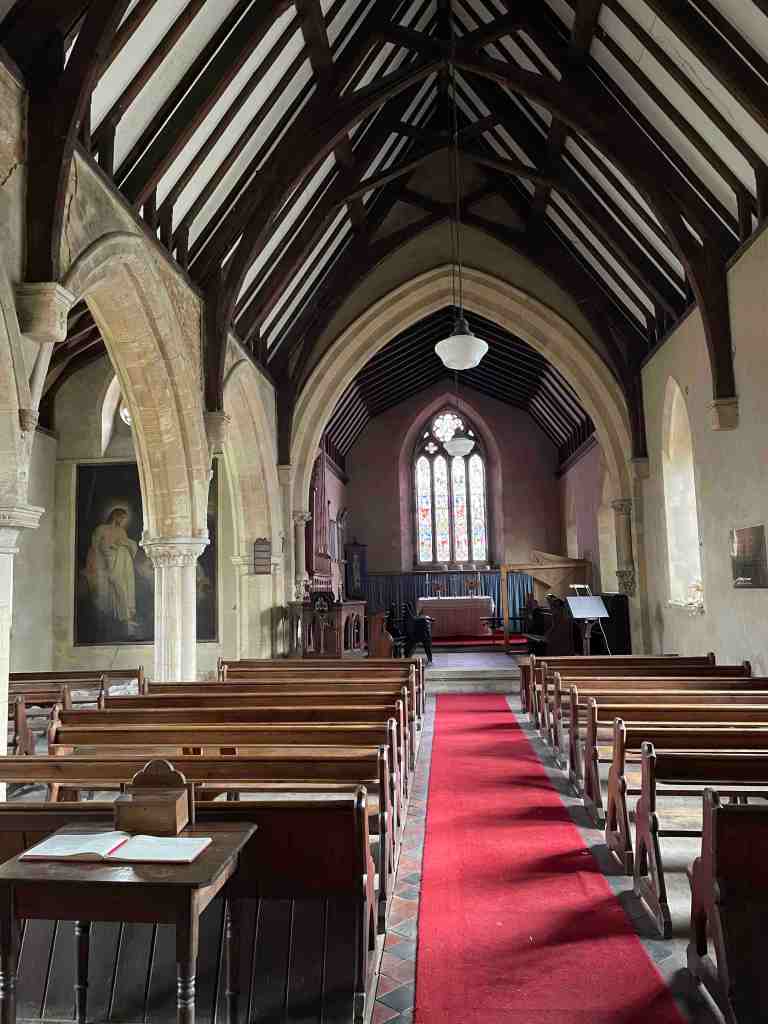
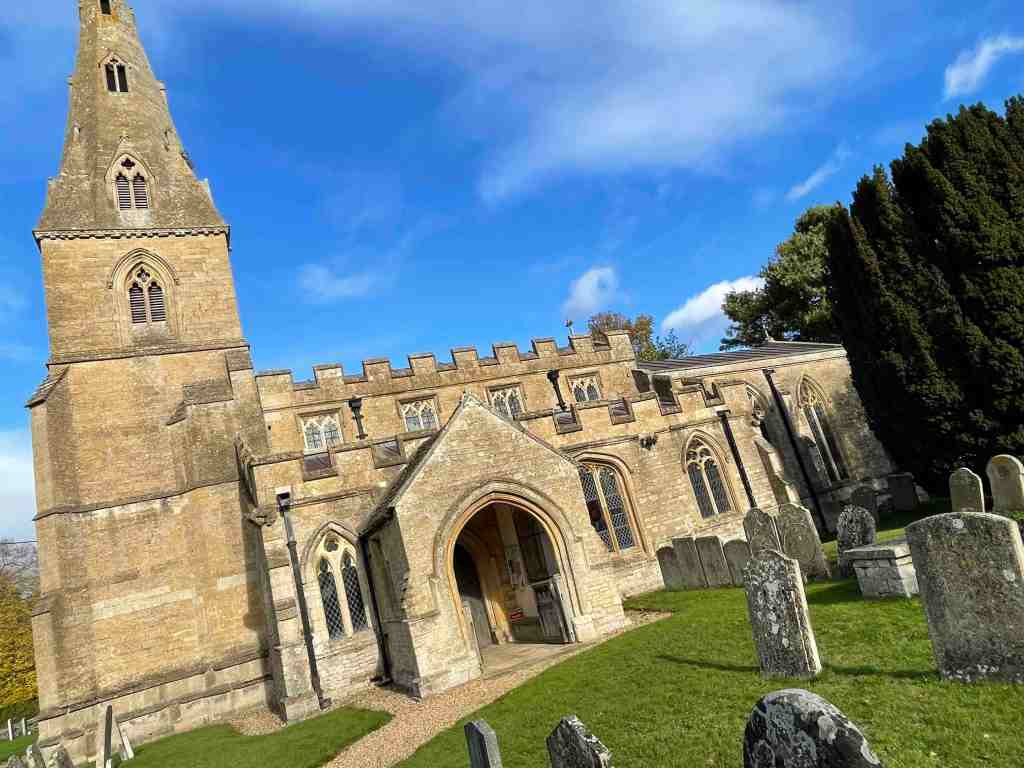
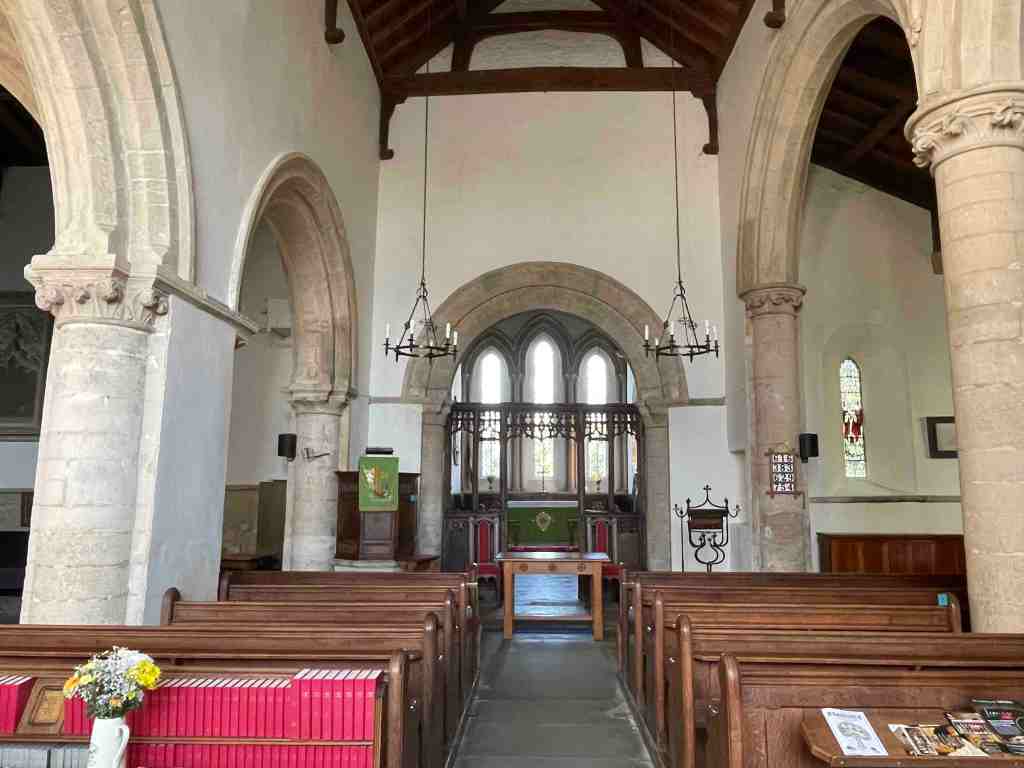
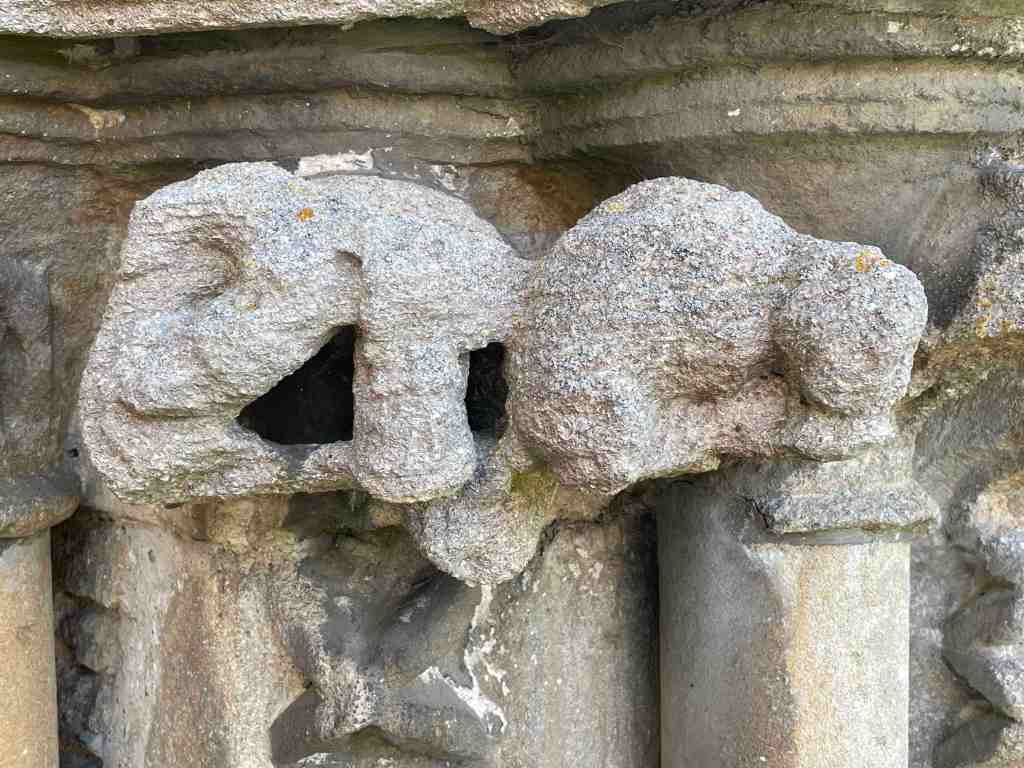
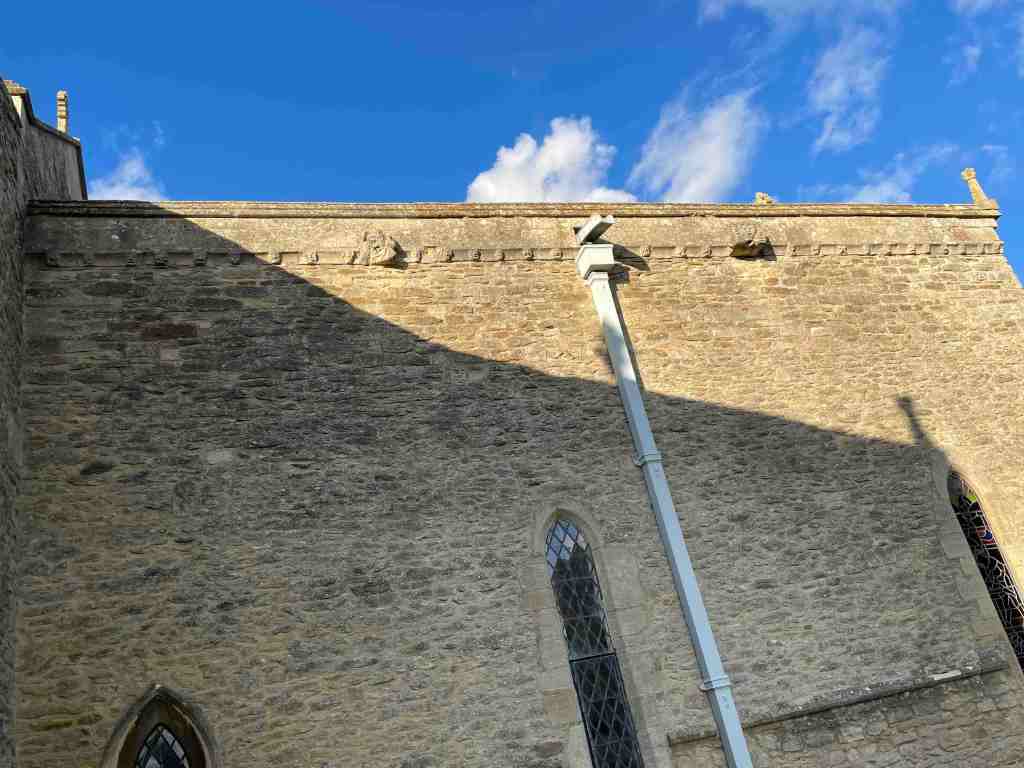
ALL SAINT’s CHURCH – The church has early links with the Knights Templar who held land in the village and the patronage between 1245 and 1330.
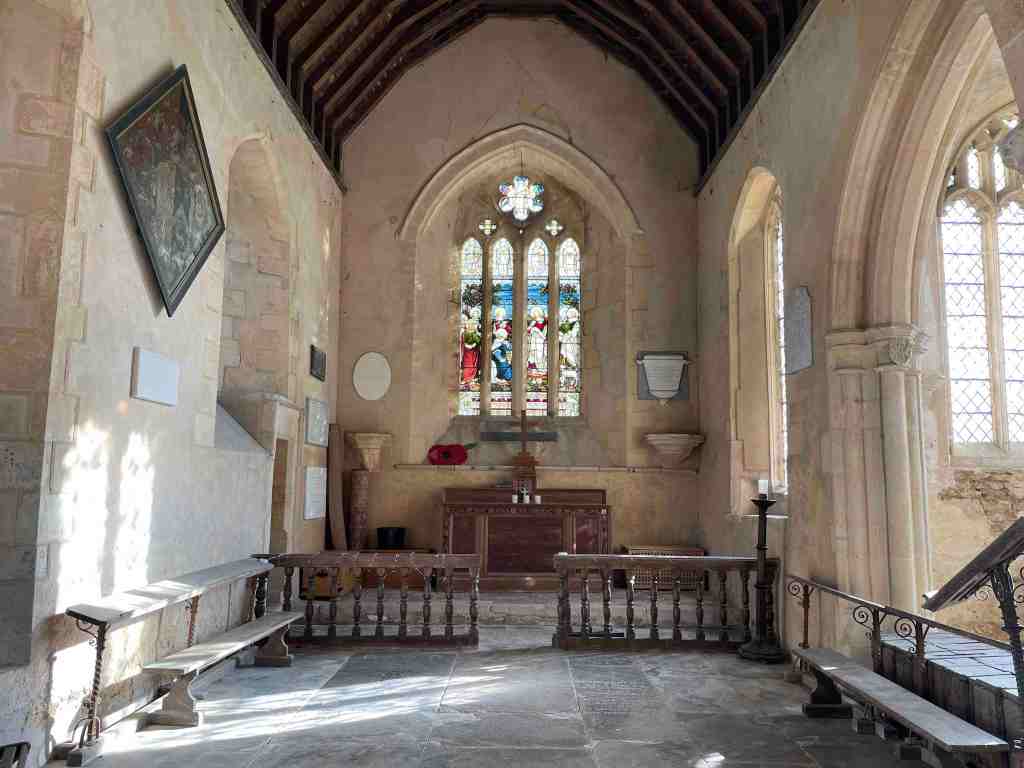
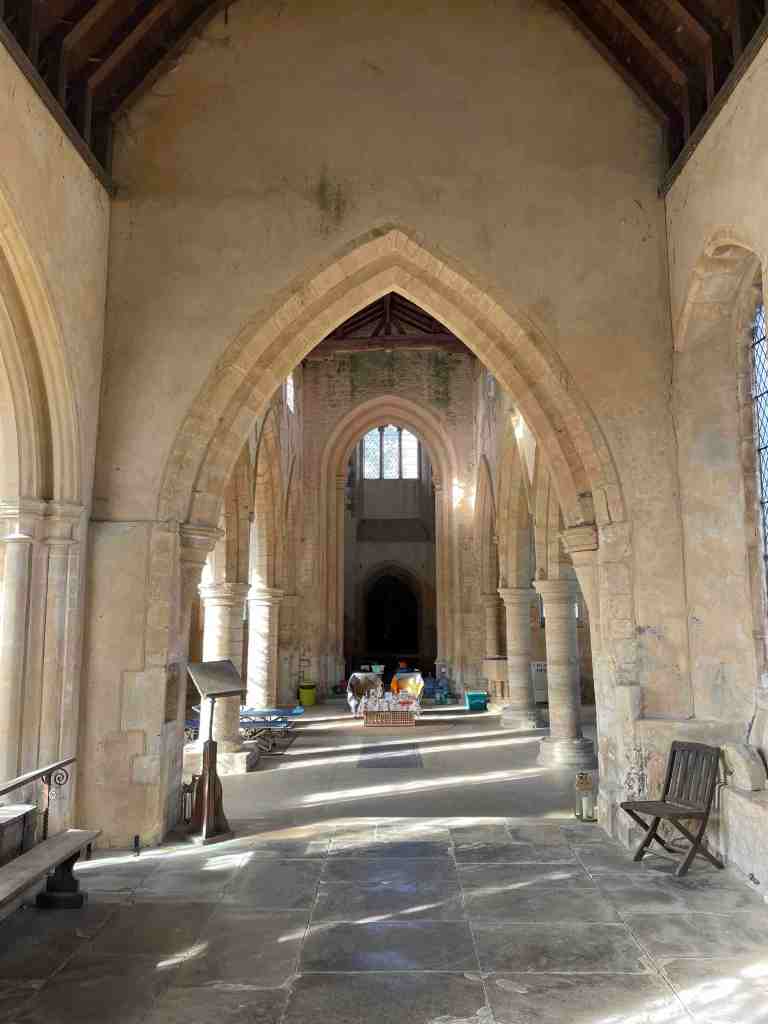
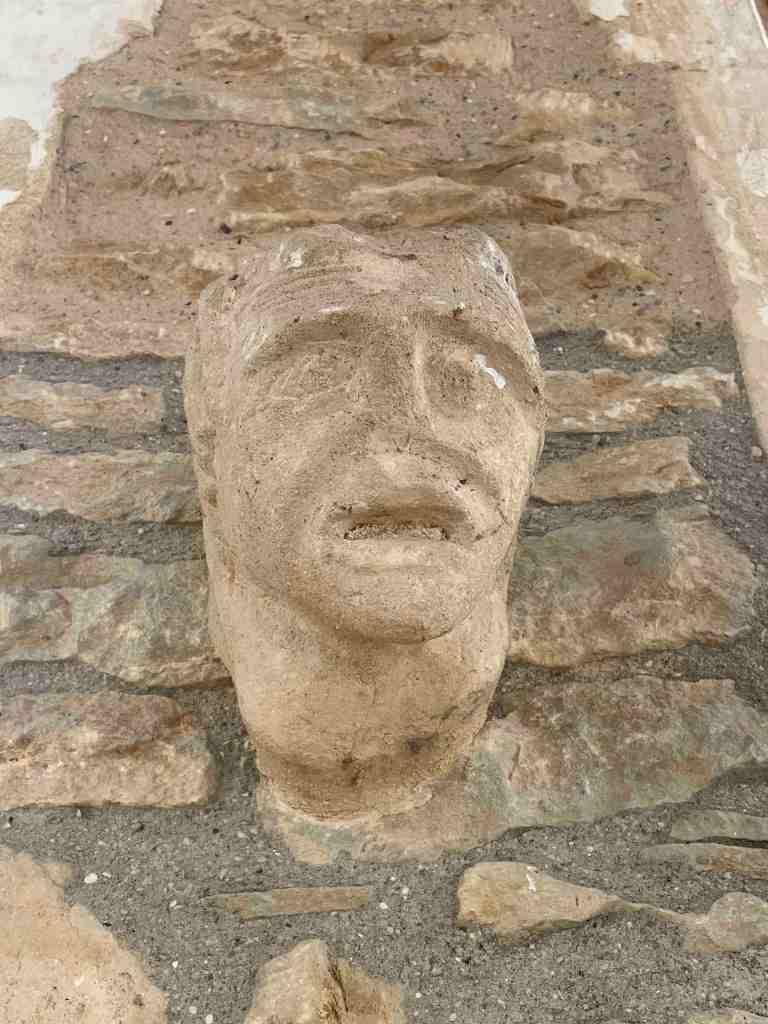
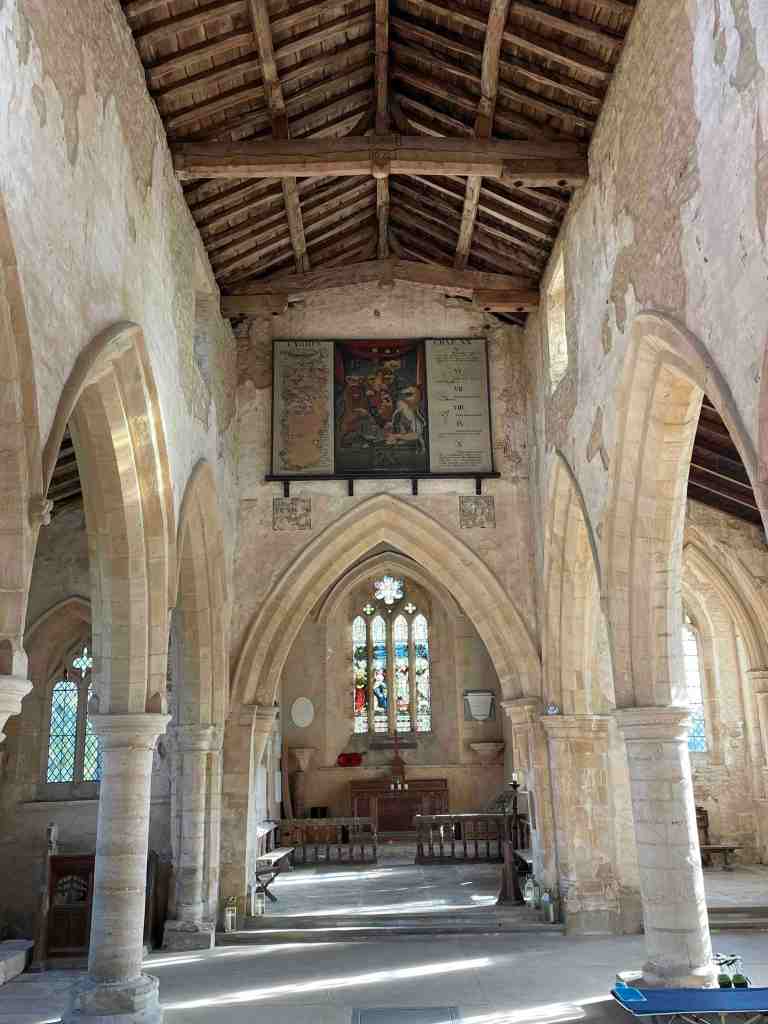
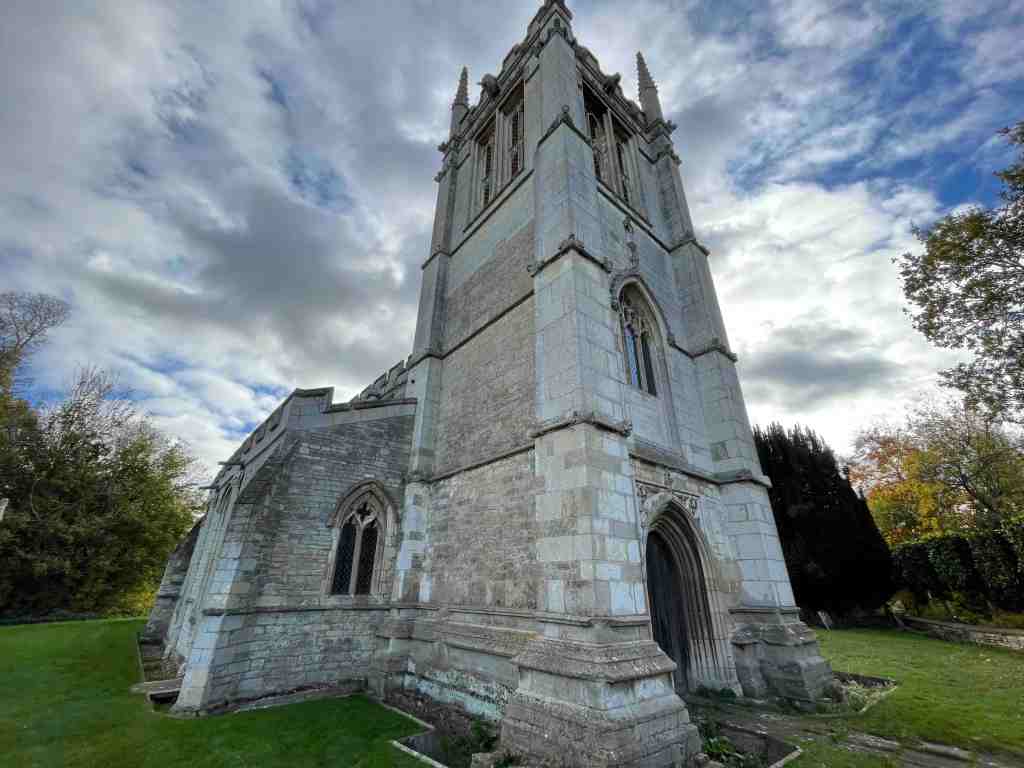

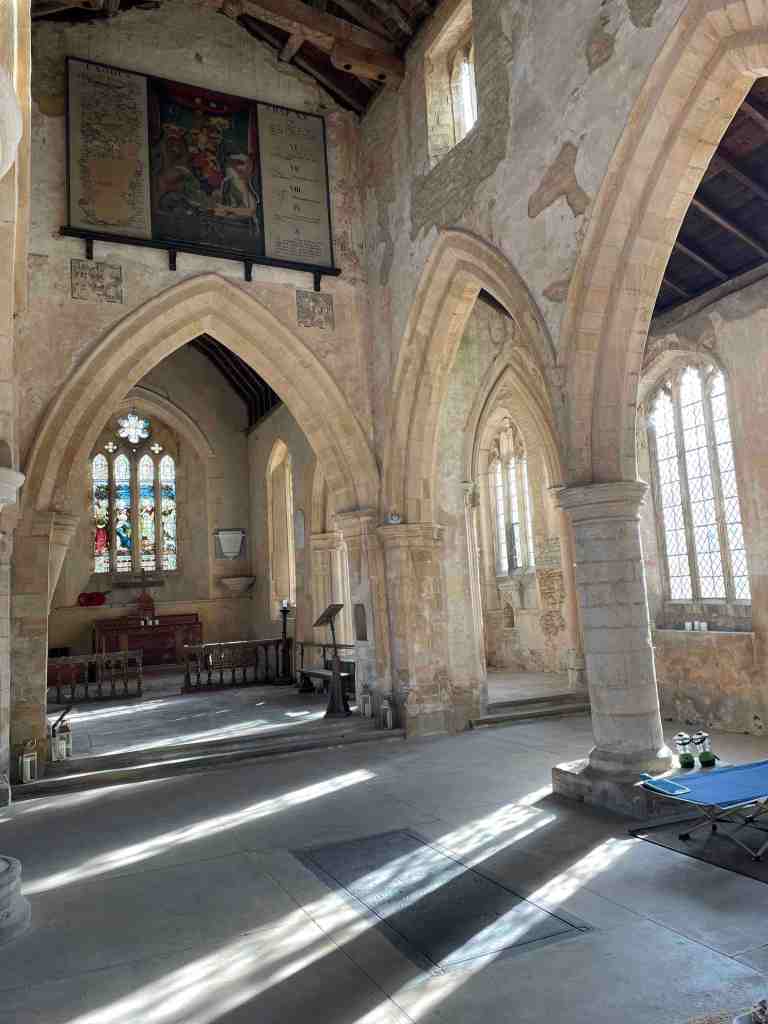
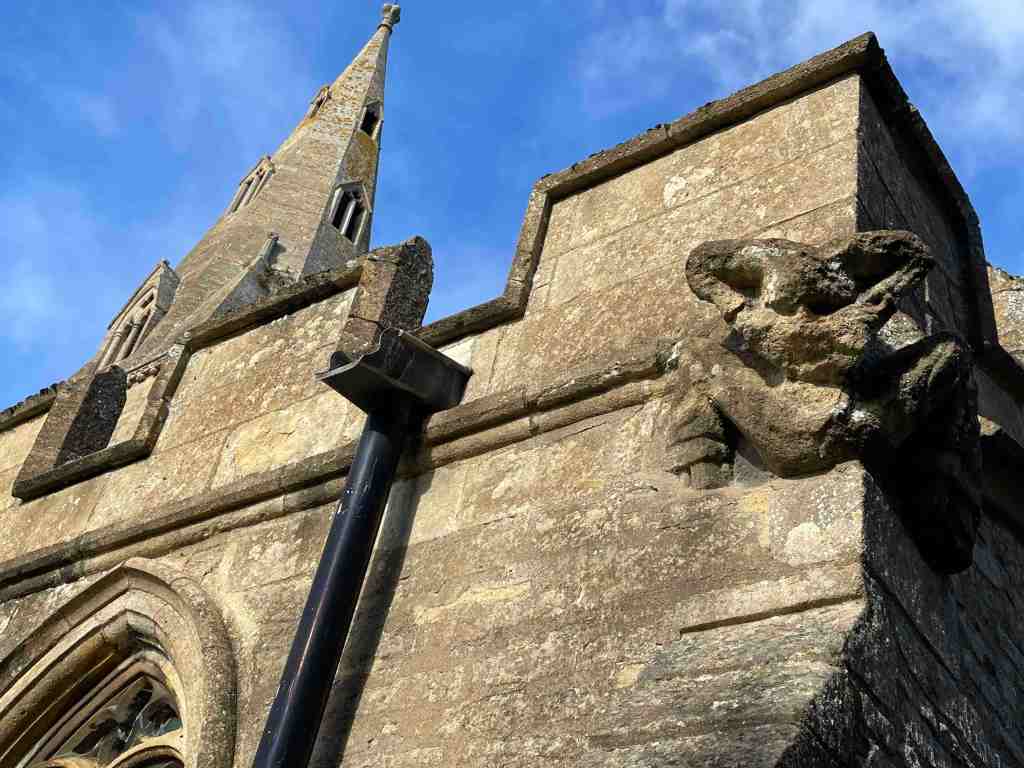
ST PETER’s CHURCH – Aldwincle
- At Benigfeld (Benefield) – By gift of Fulk de Lisurs, the smith held three acres for three shillings.
- At Pochebroc (Polebrook) – By gift of Robert the Knight, Robert of Grendon held one toft and three acres for twelve pence.



- At Gendelaie (Yardley Hastings) – By gift of the King of Scotland, Roger of Angaie held two virgates for eighteen pence.
- At Stupentune (Stibbington) – The same Roger held one virgate for twelve pence.
- At Hauertune (Orton Waterville) – By gift of Ralph de Amundaville, Bartholomew held three virgates for six shillings.
- At the other Hauertune (Orton Longueville) – By gift of Henry de Longaville, Richard held land (entry continued in later records).
These details illustrate how the Templars’ network spanned dozens of small manorial units — each contributing modest rents or services, yet collectively providing the wealth that sustained the Order’s far-reaching missions.
Ogerstan and the Legacy of the Templars in Huntingdonshire
Though the Templars’ English estates were confiscated after the Order’s suppression in 1312, their impact on the landscape endured. The Bailiwick of Ogerstan stands as a reminder of how even remote rural settlements played key roles in one of the most powerful organizations of the medieval world.
Today, the fields near Morborne, Washingley, and Folkesworth may seem quiet, but beneath their soil lies the legacy of a lost community — the financial and administrative heart of the Knights Templars in Huntingdonshire.
Learn More about the Knights Hospitallers in the UK on our main website by clicking here
Check Out out Knights Gift Store for your replica Knights Templar, Hospitaller and Order of St Lazarus Armour, weapons clothes & gifts by clicking here
 TheTemplars.Co.Uk