
JUNE 2025
The Gower Pilgrimage is a historic spiritual journey that winds through the breathtaking landscapes of the Gower Peninsula in South Wales. In medieval times, pilgrims would have undertaken this route as an act of devotion, penance, or in search of healing, often traveling to sacred sites such as churches, holy wells, and relic shrines believed to hold miraculous powers. Remarkably, the pilgrimage links 17 ancient churches, nine of which were connected to the Knights Hospitallers and their nearby commandery at Slebech, a powerful medieval religious order known for their role in caring for pilgrims and the sick. For these early travelers, the pilgrimage was both a physical and spiritual journey—a chance to step away from everyday life, seek forgiveness, and draw closer to the divine.
Today, modern pilgrims can retrace these historic steps, visiting the churches that formed part of this meaningful route. The Route consists of the below Churches:
#1 – ILSTON – St. Illtyd Church
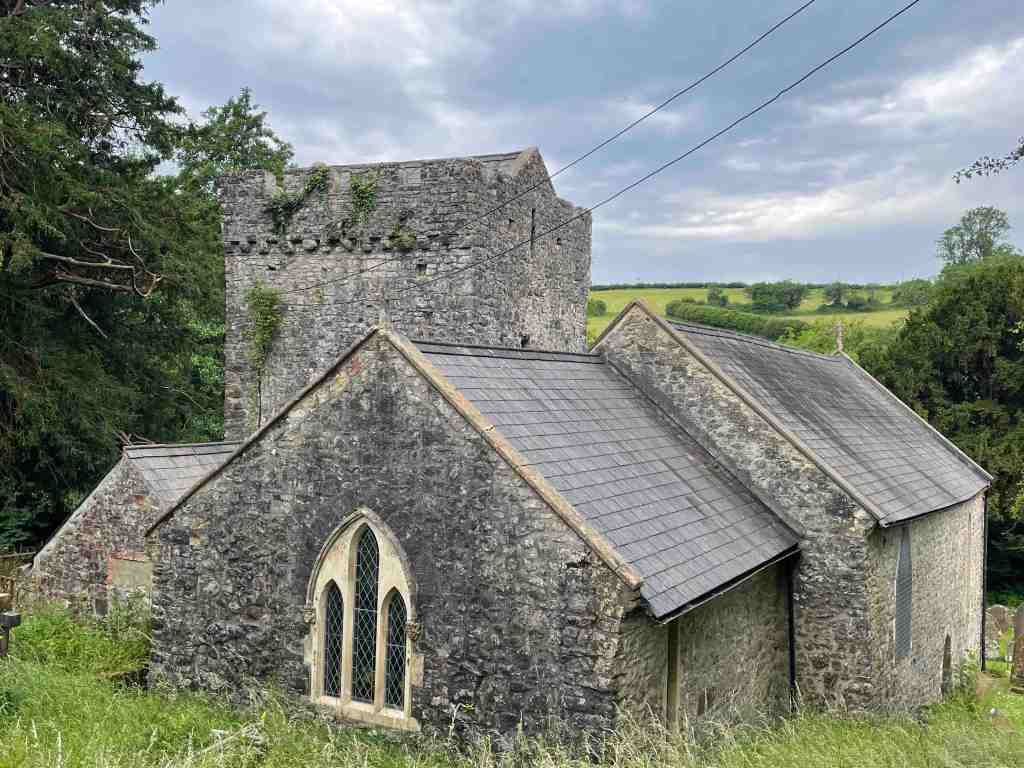
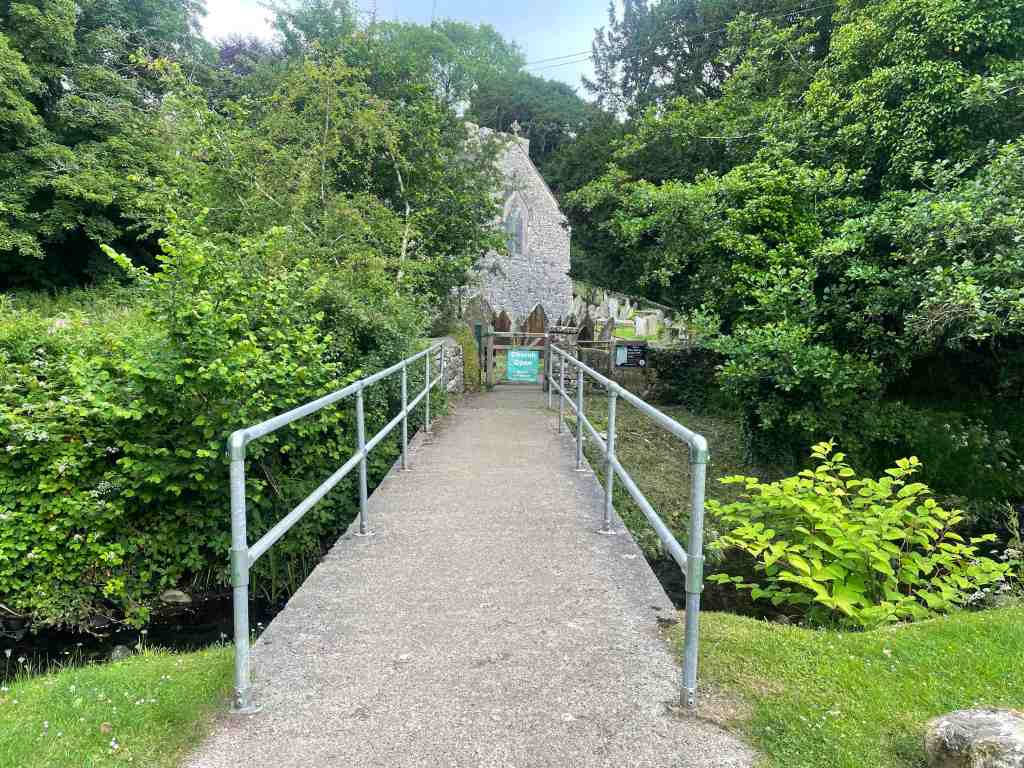
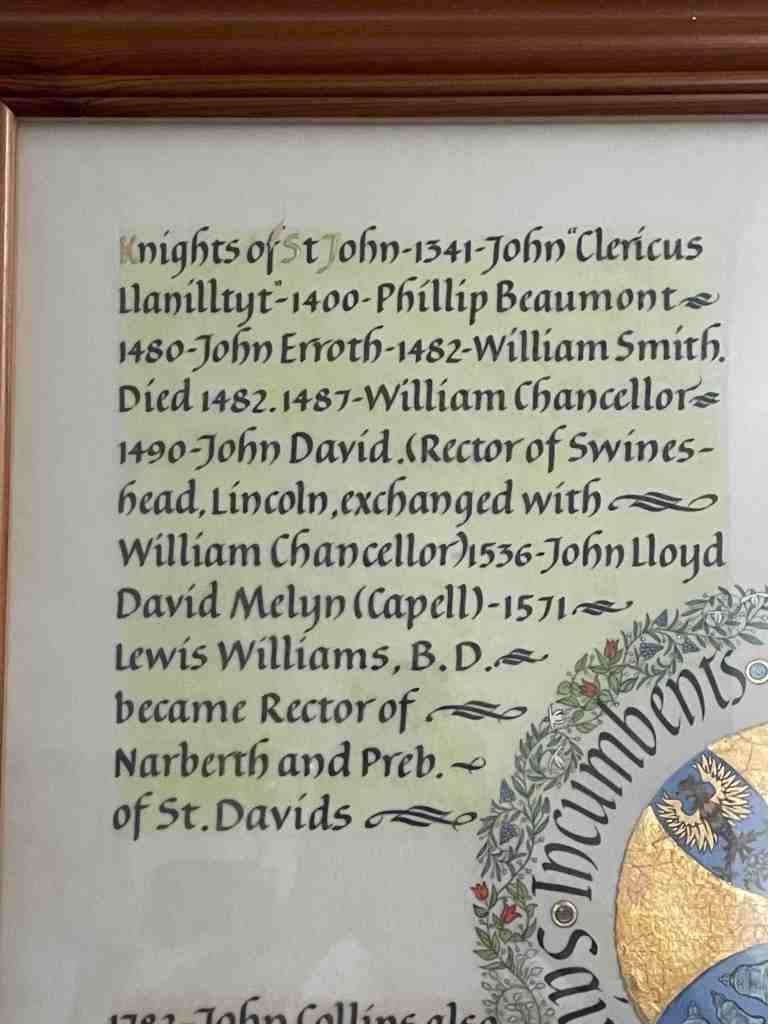
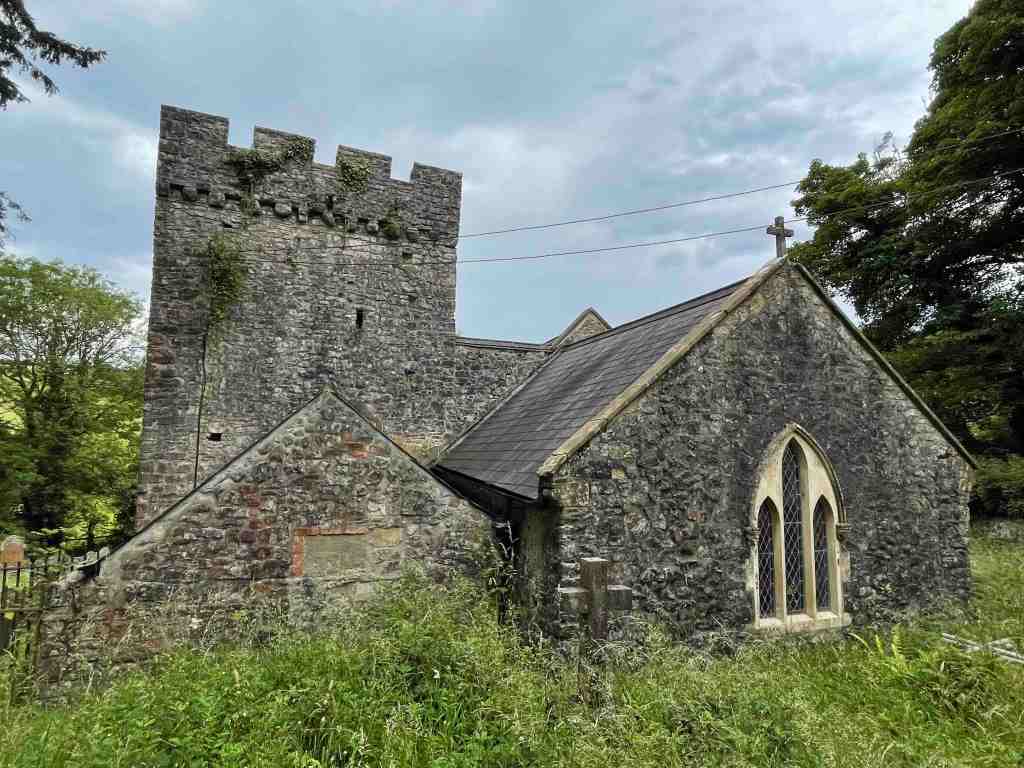


Tucked away in the peaceful countryside, St Illtyd’s Church at Ilston is a beautiful 13th-century building that holds layers of spiritual history. Beneath its medieval stone walls lie the remains of a much earlier religious site, believed to date back to the 6th century, when a simple monastic cell may have first been established here.
The earliest written record of a church at Ilston appears in 1119, marking it as a place of Christian worship for over 900 years. In 1221, the church gained new significance when it was granted to the Knights Hospitallers of Slebech, linking this quiet corner of Wales to one of the most powerful and far-reaching religious military orders of the medieval world.
Today, St Illtyd’s remains a place of peace and reflection, where visitors can experience the layers of history—from its ancient Celtic beginnings to its medieval ties with the Hospitallers.
#2 – PENMAEN – St John the Baptist Church

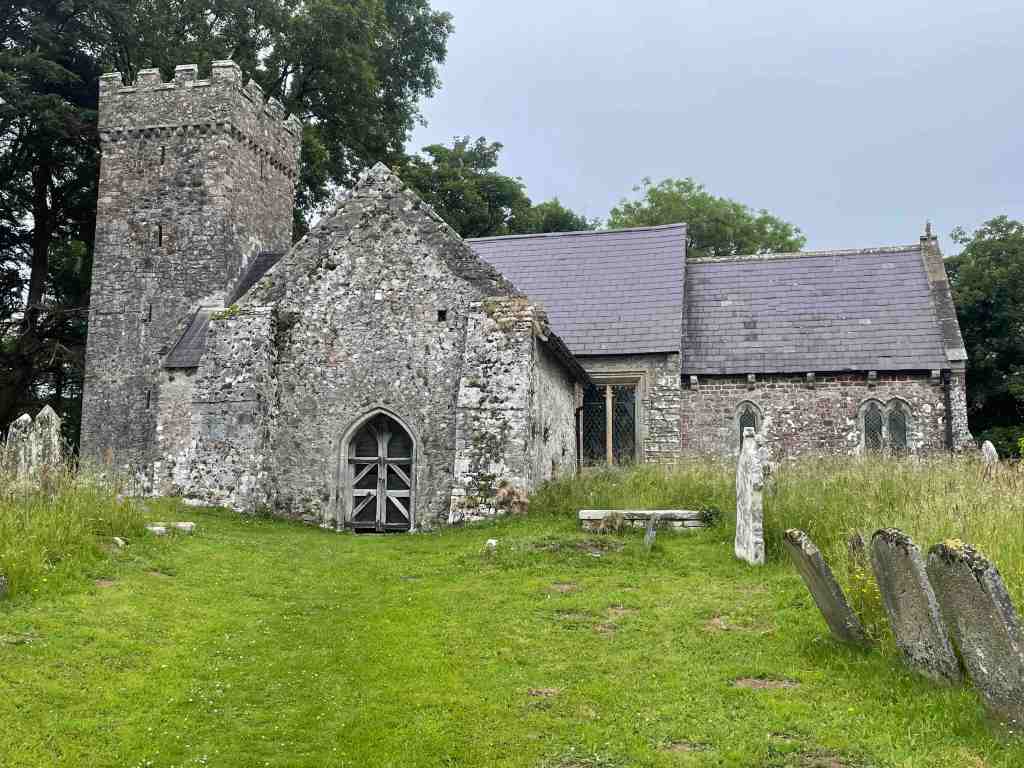
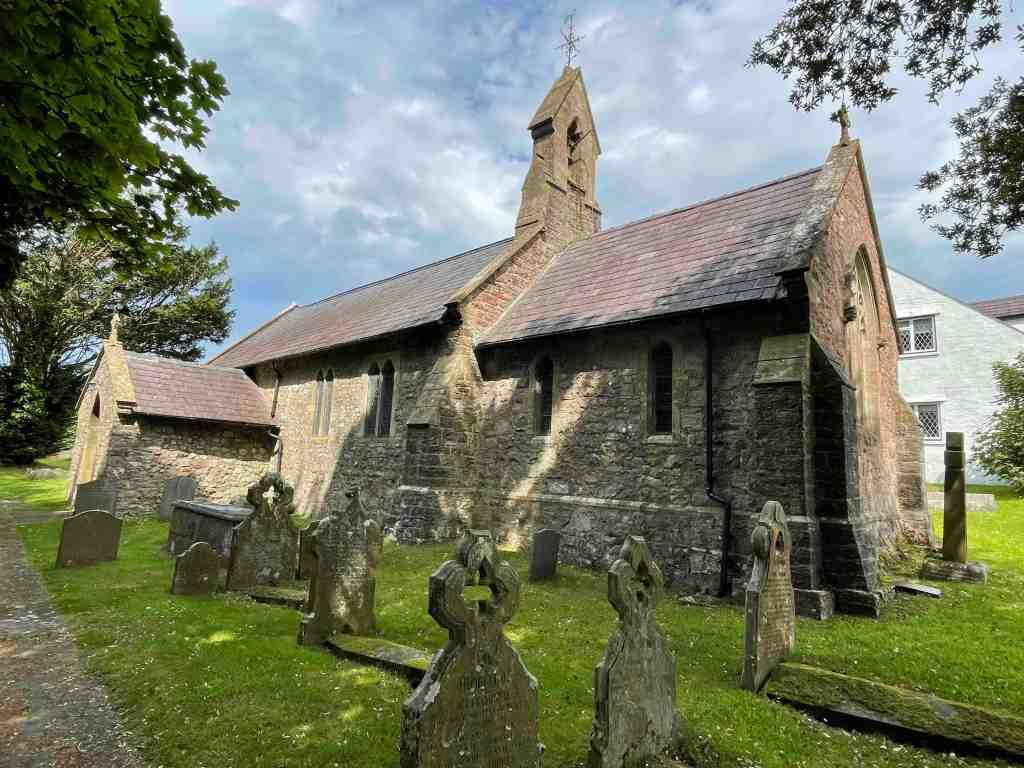
The original Penmaen Church is believed to have been abandoned and gradually buried by sand in the early 14th century, a time marked by climate change and violent storms along the south coast of Gower. The church once stood on the Burrows, not far from the ruins of Penmaen Old Castle, which overlooks the stunning Three Cliffs Bay.
Today, the remains of the church are largely hidden beneath the sands, but visitors can still see two prominent grassy banks nearby. These are thought to be the earthworks of a simple 12th-century motte and bailey castle, which is still marked on local maps.
By the 14th century, a new Gothic-style church was built further inland, along what is now the main South Gower road. This new church was dedicated to St John the Baptist, the patron saint of the Knights Hospitallers of St John of Jerusalem, who had held the living of the original Penmaen Church.
Though much of the old church has been lost to time and the shifting sands, its story remains an important part of Gower’s rich medieval heritage, closely tied to the influence of the Knights Hospitallers in the region.
#3 – PENRICE – St. Andrew’s Church
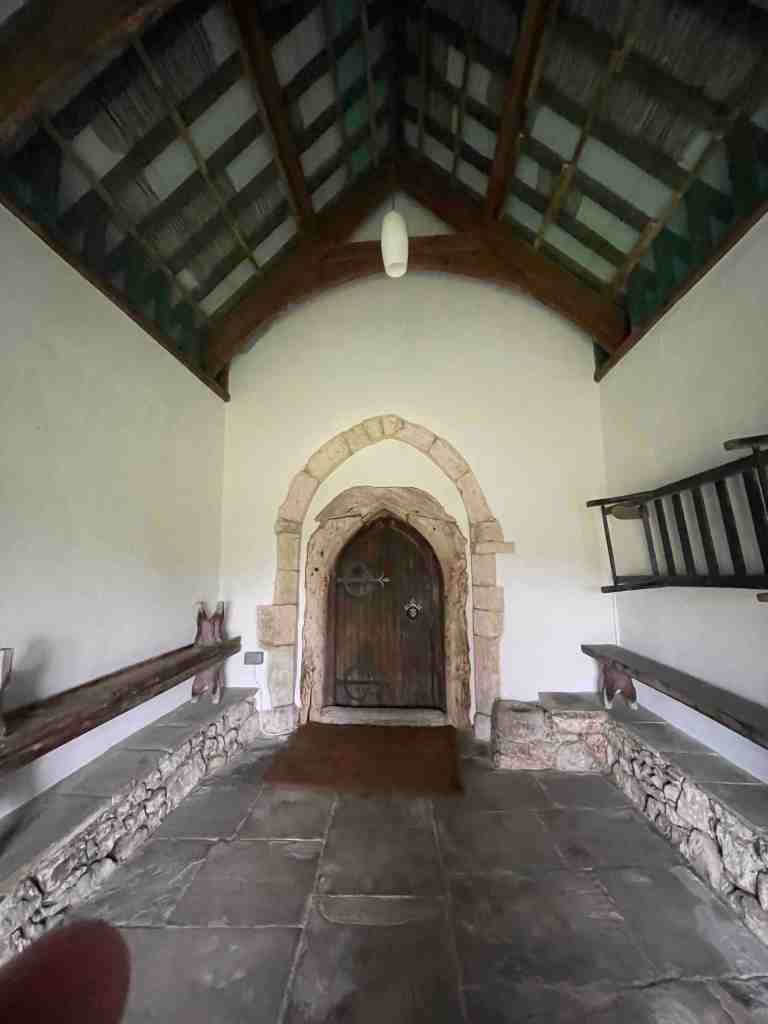


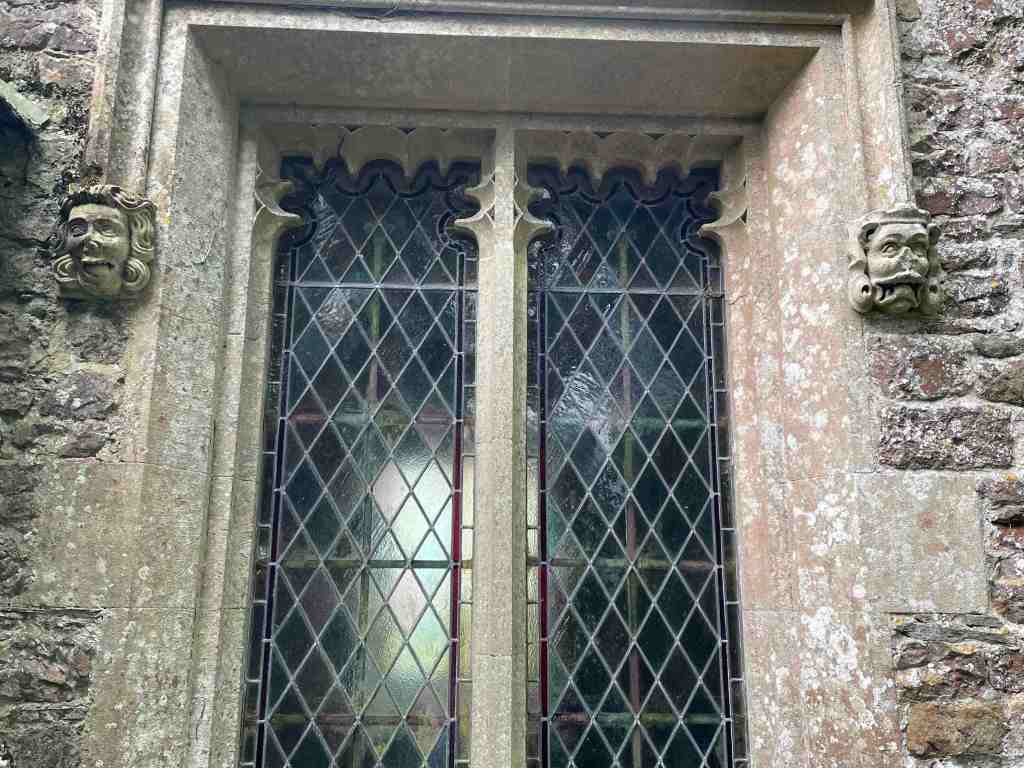

Nestled in the village of Penrice, Swansea, The Church of St Andrew is a remarkable example of early medieval architecture, dating back to the 12th century. Dedicated to St Andrew, the church has stood for centuries as a place of worship and community.
In the latter part of the 12th century, the church gained new significance when it was granted by the de Penrice family—Norman lords who acquired lands in Gower during the Norman invasion of Wales. They gifted the church to the Knights Hospitaller of Slebech, one of the most influential religious and military orders of the medieval world.
This historic connection ties the Church of St Andrew to the wider network of the Knights Hospitaller, whose presence shaped much of the region’s spiritual and social life during the Middle Ages.
#4 – PORT EYNON – St. Cattwyg Church


The village of Port Eynon, located on the south-western tip of Gower, takes its name from the once-thriving port that served the local community and traders along the coast.
The village church is dedicated to St Cattwg of Llancarfan, and tradition holds that the site was originally founded in the 6th century by St Cenydd, who brought Christianity to Gower as part of his missionary work.
The first stone church on the present site was built in the late 12th century, and like many churches in Gower, it came under the patronage of the Knights Hospitallers of St John of Jerusalem. In 1165, Robert de Mare gifted the advowson (the right to appoint the parish priest) to the Knights, linking Port Eynon to their wider network of influence.
St Cattwg’s Church remains a testament to the deep religious history of Gower and its connections to one of the most powerful medieval military orders in Europe
#5 RHOSSILI – St. Mary the Virgin Church
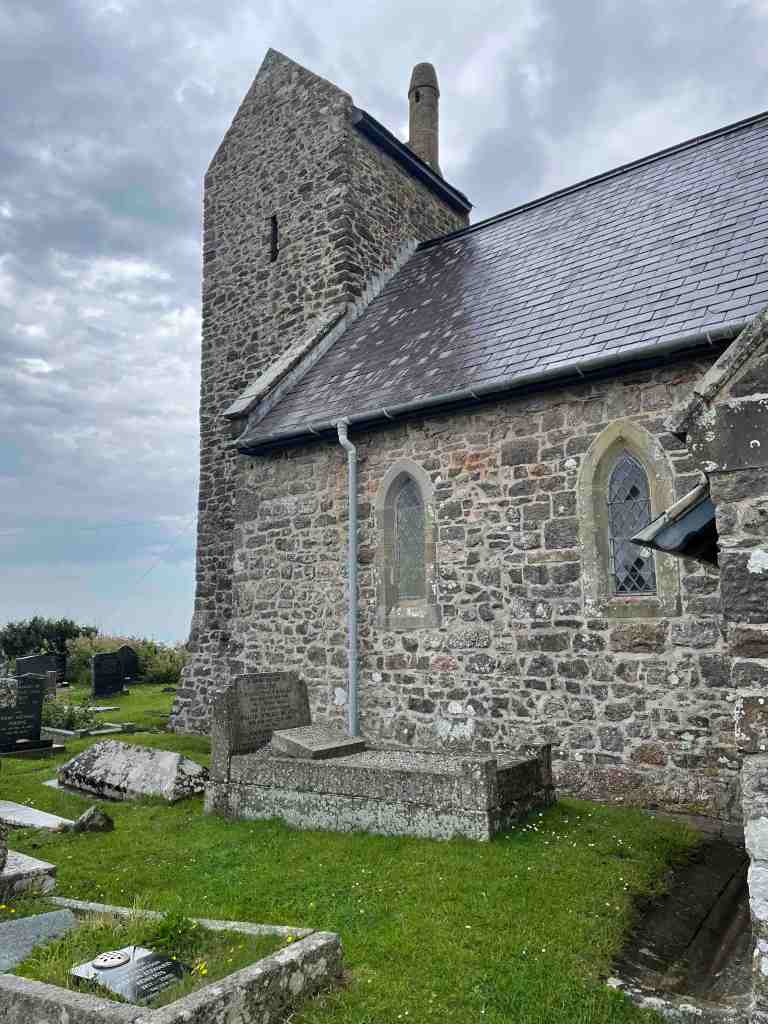

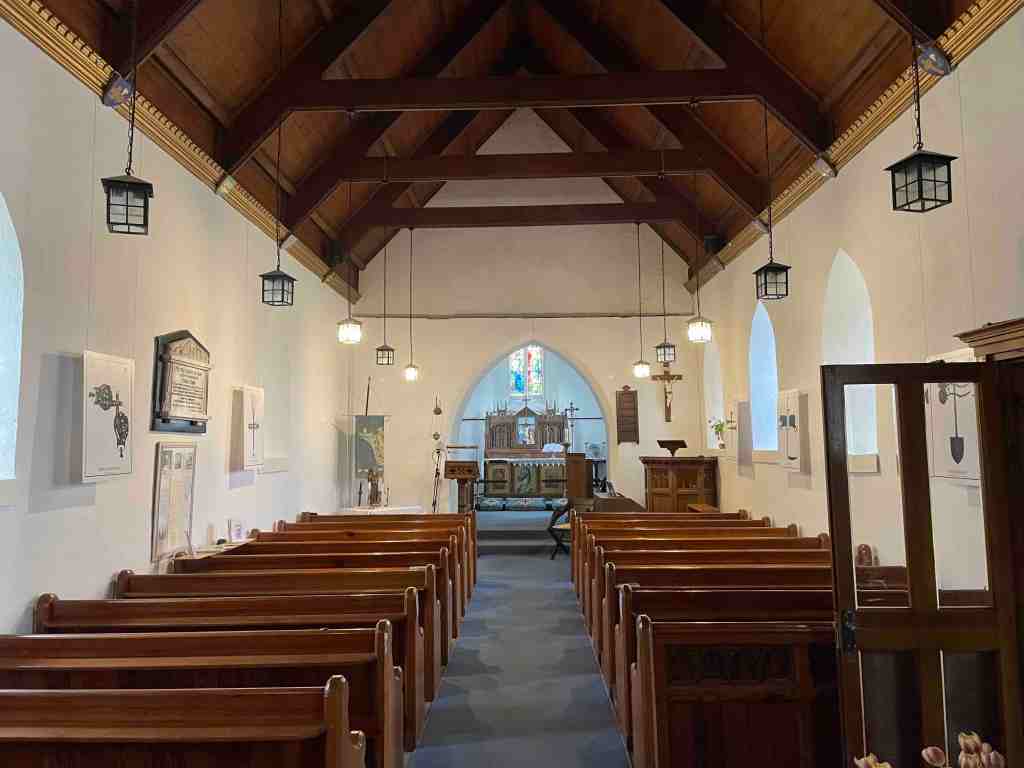
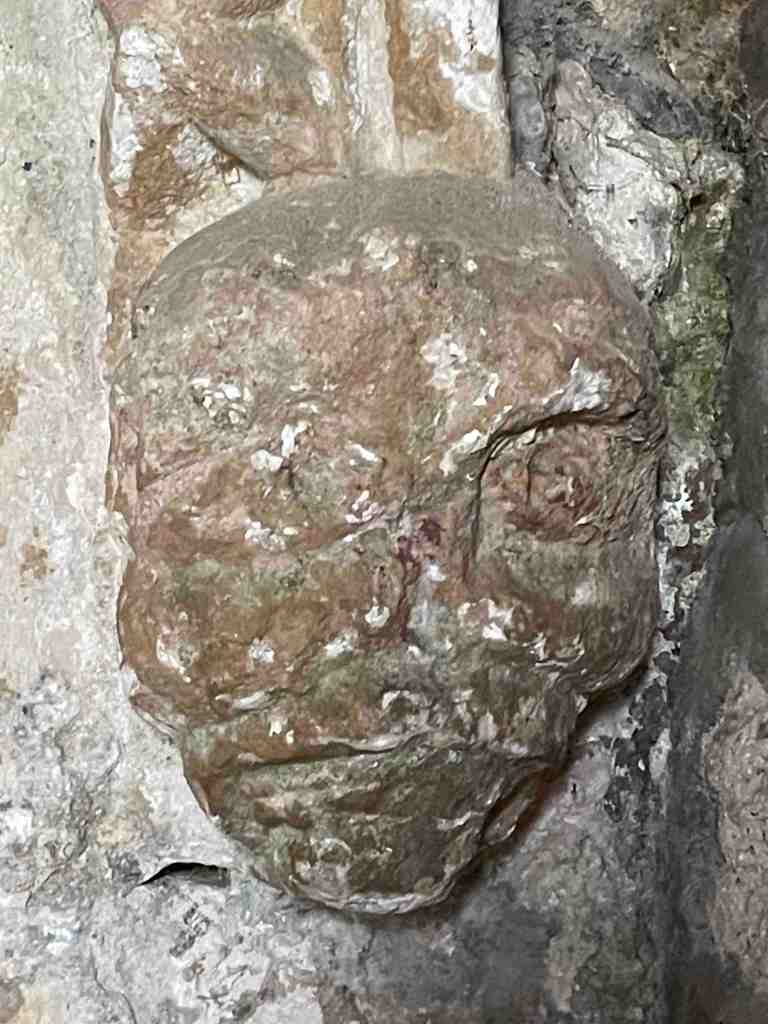


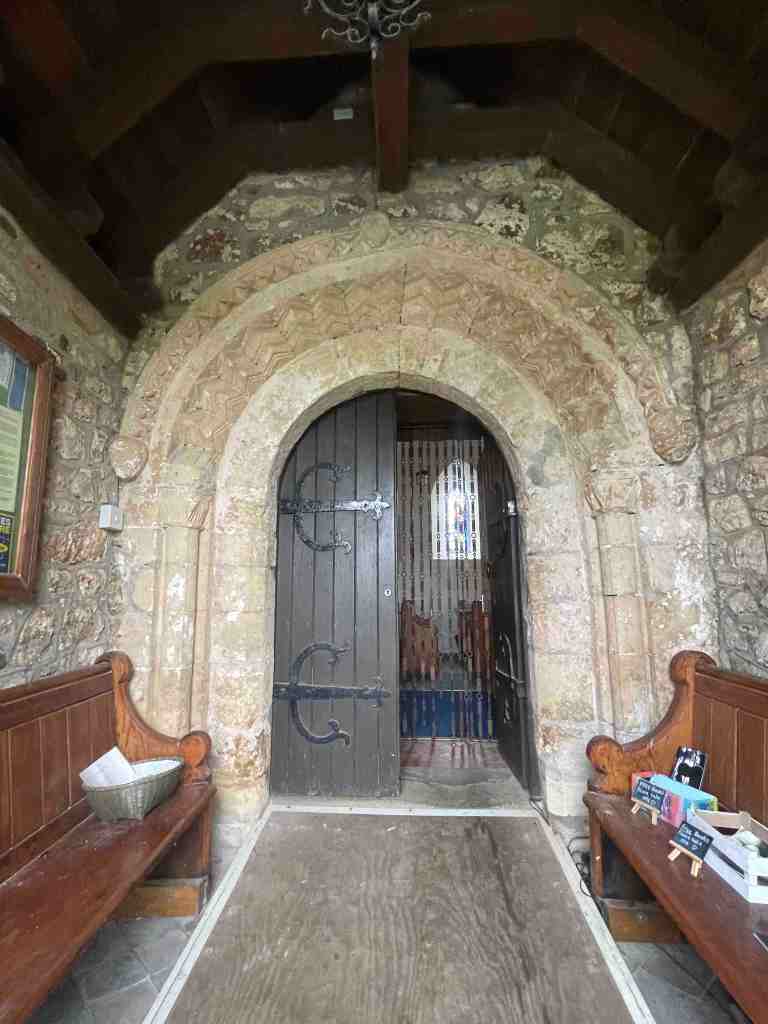
The first recorded mention of St Mary’s Church, Rhossili dates to the period following the Norman conquest of the Gower Peninsula. Between 1135 and 1230, William de Turberville granted the church at Rhossili—along with those at Landimore and Llanrhidian—to the powerful Knights Hospitaller of St John at Slebech in Pembrokeshire.
The church’s dedication to the Virgin Mary is believed to have originated in the 12th century, as confirmed by historical records (Merrick, ed. James, 1983). For centuries, the Knights Hospitaller held the right to appoint the rectors of Rhossili until the dissolution of the order in 1540. Following this, the Crown assumed patronage until the disestablishment of the Church in 1920.
Today, St Mary’s Church stands as a quiet monument to this remarkable history. Visitors can still see the original Norman doorway and font, architectural reminders of its medieval past. The church also features a Leper Squint—a small window through which those suffering from leprosy could observe religious services without coming into contact with the main congregation, reflecting both the social challenges and compassionate practices of the time.
St Mary’s remains a treasured part of Rhossili’s heritage, beautifully overlooking the coastline and welcoming visitors to explore its rich story.
#6 – LLANMADOC – St. Madoc Church, Lands & Water Mill

Llanmadoc and the Knights Hospitaller: A Hidden Chapter in Gower’s Sacred Past
Tucked away at the western edge of the Gower Peninsula, Llanmadoc is a place rich in history and legend. Tradition tells us that St Madoc established a church here as early as the 6th century, and the present stone church, dating from the 13th century, stands as a lasting reminder of the site’s long spiritual heritage.
Within the church, several ancient features survive. A crude pillar cross is set into the west wall, alongside a boundary marker carved with a cross and smaller crosslets—remarkably similar to those found at Garway, a church also once held by the Knights Hospitaller. These markers are believed to date from the 7th to 9th centuries, suggesting that Llanmadoc’s sacred significance extends far beyond the medieval period. The church’s simple Norman font adds further weight to its deep-rooted history.
In the 12th century, Llanmadoc became part of the estates controlled by the Knights Templar. The manor was attached to the Preceptory of Garway in Herefordshire, a key Templar stronghold. Historical records note that 60 acres of Llanmadoc’s lands were farmed by local tenants, while an additional 50 acres were held in demesne, worked directly for the Templars’ own profit.
Following the suppression of the Templars in the early 14th century, the Sheriff of Carmarthen was instructed to arrest the Templar brothers at Llanmadoc. According to tradition, the sheriff made no haste, taking three days to arrive while charging his fee by the day. By the time he reached Llanmadoc, his expenses nearly matched the entire annual value of the estate.
After the Templars’ dissolution, control of the church and manor passed to the Knights Hospitaller of St John of Jerusalem. The advowson (the right to appoint the parish priest) would have transferred to the Commandery of Slebech in Pembrokeshire, bringing Llanmadoc into a more local network of Hospitaller estates.
The Templars, and later the Hospitallers, are also believed to have operated a mill near Cheriton, close to the Burry stream and the Church of St Cadoc. The building thought to have been the medieval mill now serves as a pottery shop near St Cadoc’s Church.
Although the grand days of the Templars and Hospitallers have long passed, Llanmadoc still carries the quiet legacy of these legendary orders. The ancient stones, winding paths, and stories woven into the landscape invite visitors to pause and imagine the footsteps of knights, pilgrims, and farmers who once shaped this sacred corner of Gower
#7 – CHERITON – St. Cadoc Church


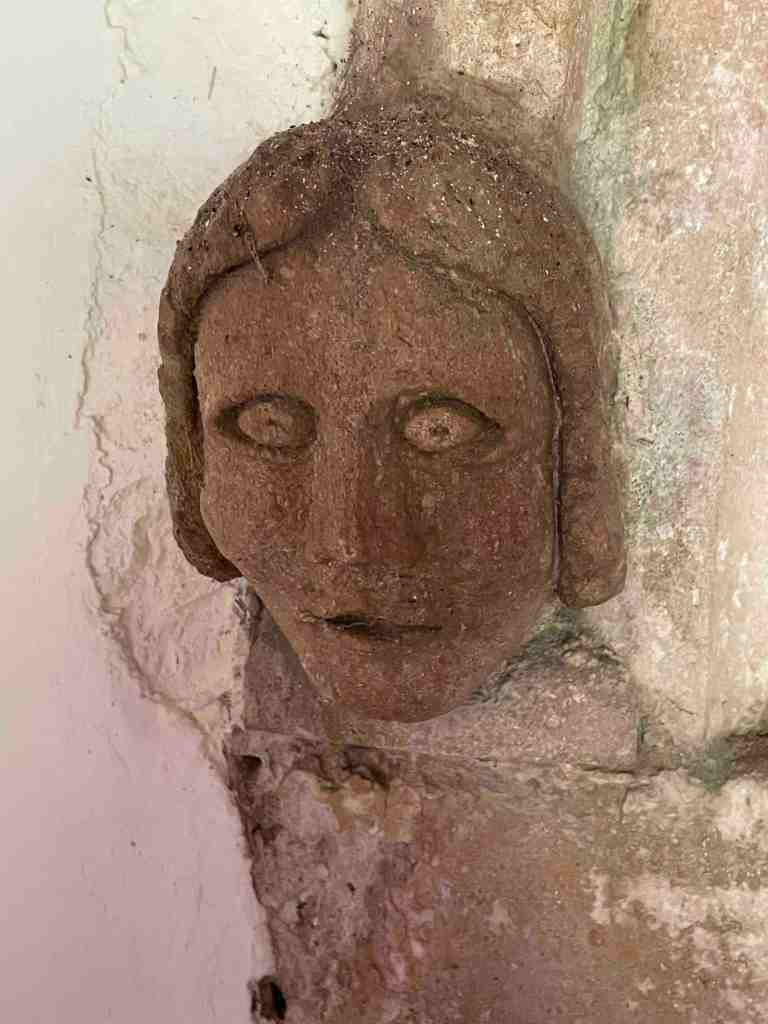


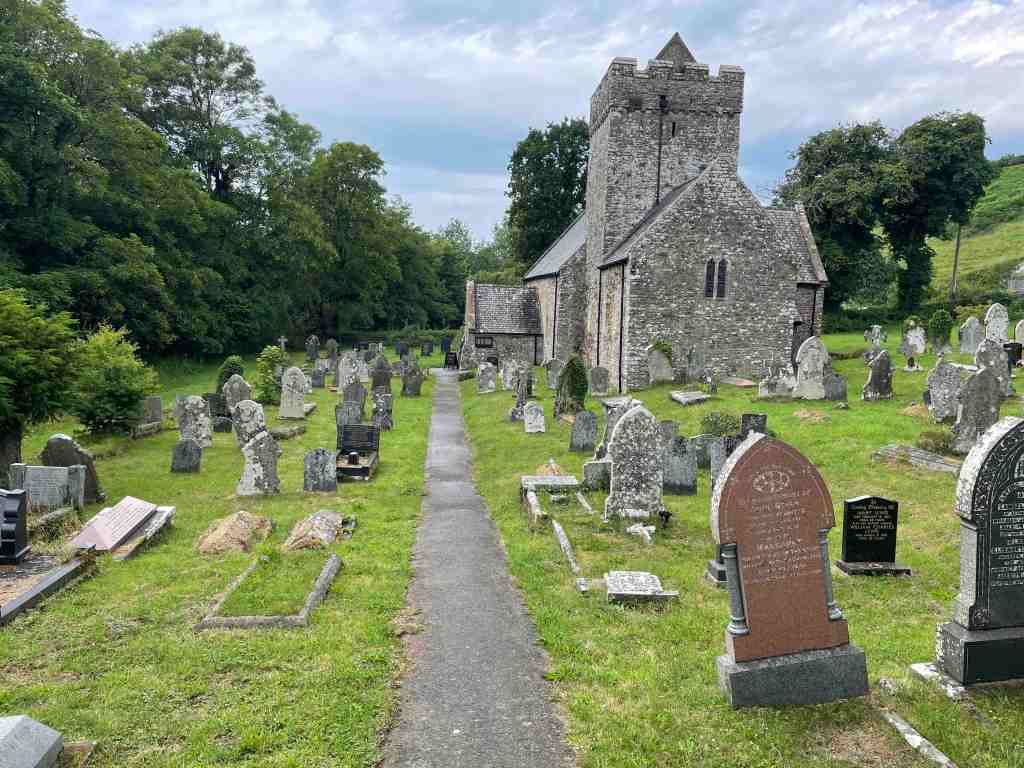
Landimore: Lost Church of the Knights Hospitaller
Just east of Llanmadoc, along the banks of the Burry stream, lies the ancient manor of Landimore. Its Welsh name is thought to mean ‘Church by the Sea’, a fitting title for this once-significant settlement.
The manor was later acquired by the de Turberville family, who also gifted several churches in the Gower region to the Knights Hospitaller of St John of Jerusalem. Among these was the church of Llanrhidian, Rhossili, and one referred to in medieval records as ‘Llandunnor’. Historians now widely agree that ‘Llandunnor’ was most likely a misrecording or corruption of Landimore, and that the original church granted to the Hospitallers would have stood here.
It is believed that the church at Landimore was abandoned by the 13th century, possibly due to coastal erosion or flooding from the encroaching sea. As the settlement declined, the nearby church at Cheriton appears to have been built to serve the local community, possibly replacing the lost church at Landimore. This would also explain Cheriton’s close proximity to both Llanmadoc Church and the mill originally held by the Knights Templar.
The timing of Cheriton’s construction may coincide with the dissolution of the Templars in the early 14th century, when their lands, including the mill near Llanmadoc, passed to the Knights Hospitaller. Together, these sites formed part of the wider Hospitaller estate that shaped the spiritual and agricultural life of this part of Gower.
Though little now remains of the medieval church at Landimore, its story survives in the landscape and in the enduring connections between the churches, mills, and manors that once belonged to these powerful military orders.
#8 – LLANRHIDIAN – St. Rhidian Church

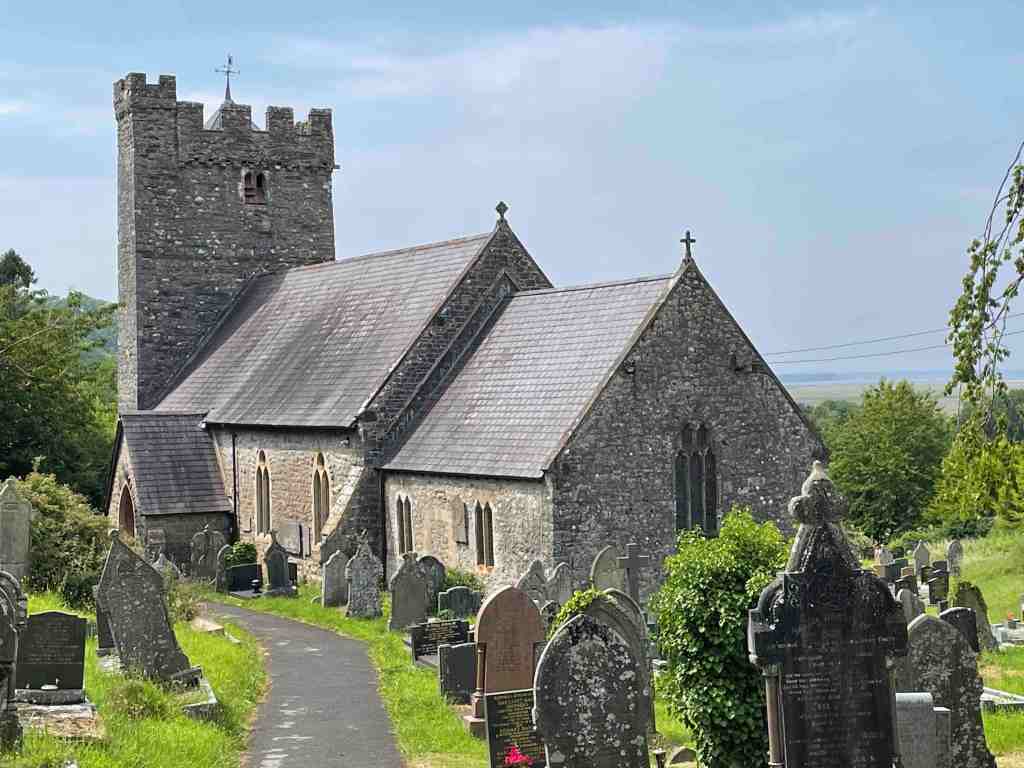
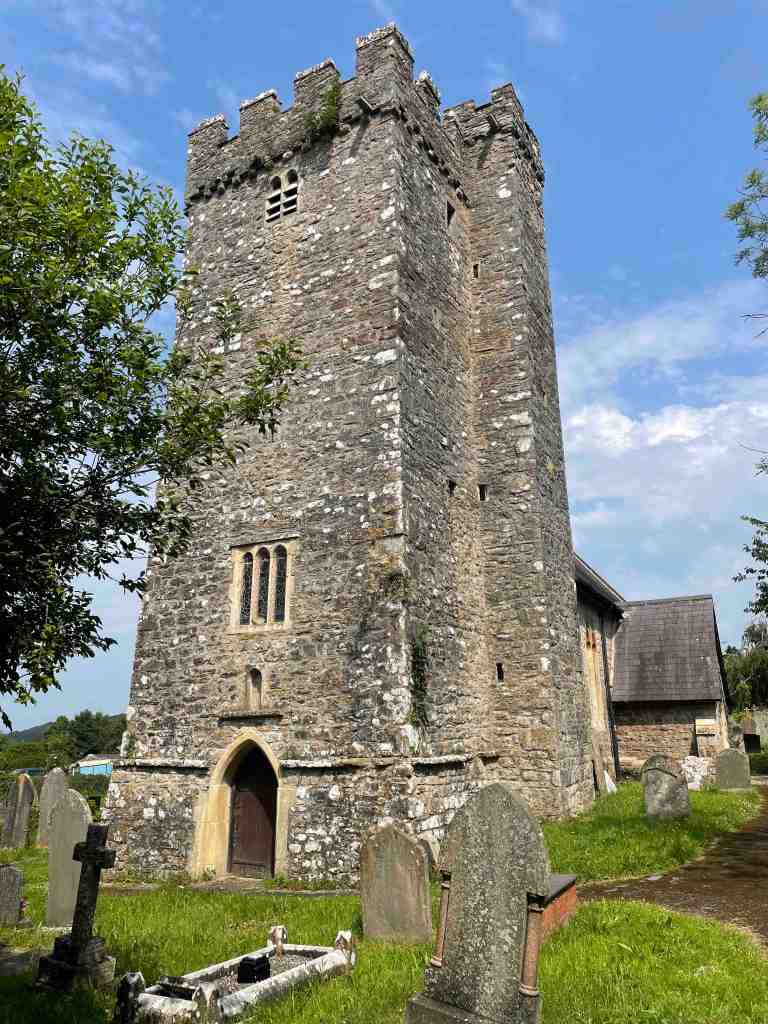
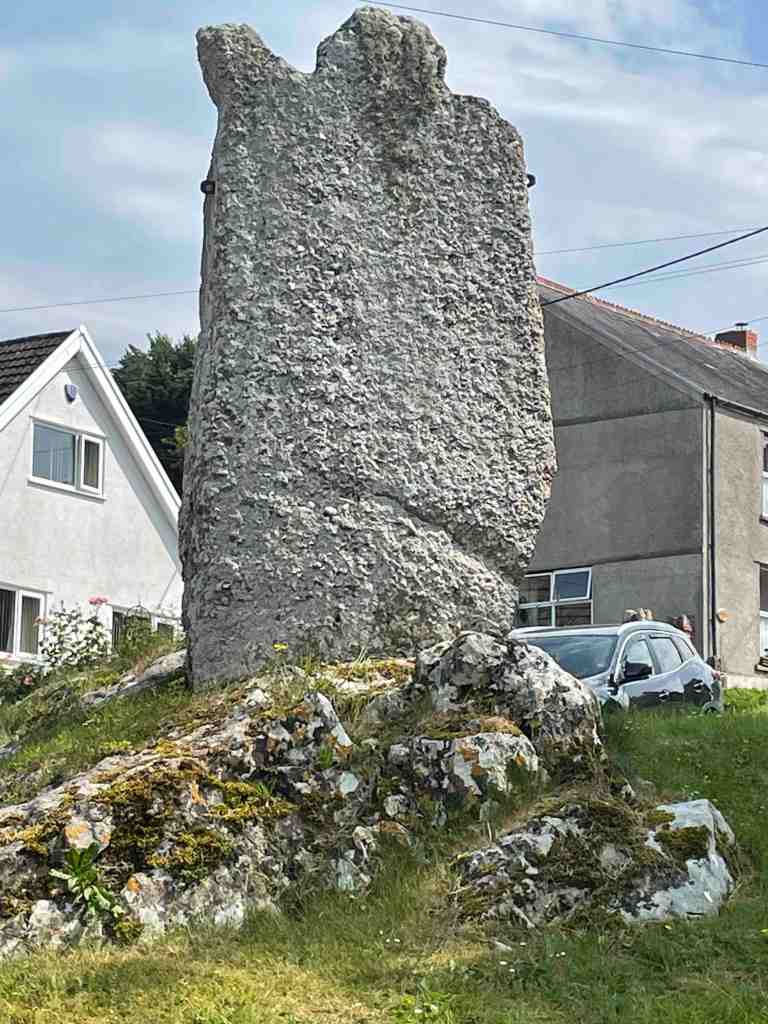


The striking stone church of St Rhidian and St Illtyd in Llanrhidian has deep medieval and possibly early Christian roots. According to tradition, the church was built in the 13th century by the Knights Hospitaller of St John, on the site of an earlier religious settlement founded in the 6th century by Saint Rhidian.
The church and surrounding estates were gifted to the Hospitallers by William de Turberville, a prominent Norman landowner who was instrumental in establishing several Hospitaller holdings across Gower. Records show that religious buildings already stood here as early as 1167, when the Knights began to develop the estate.
In the 14th century, the church was enlarged with the addition of a chancel and a substantial west tower. The tower’s massive, fortified construction suggests that it may have served a defensive purpose, likely offering refuge in troubled times. Local tradition also holds that the tower was used as a navigation beacon for sailors, with a fire sometimes lit at its summit to guide ships along the Gower coast.
The Knights Hospitaller retained patronage of the church until 1540, when the Welsh commanderies were dissolved as part of Henry VIII’s wider suppression of the monastic orders.
One of the church’s most curious features lies just inside the porch—a mysterious carved stone, sometimes referred to as a ‘Leper Stone’. Measuring around two metres in length, the stone bears intricate carvings of human and animal figures. Traditionally, leper stones were placed outside churches to collect alms for sufferers of leprosy, often featuring a small indentation where coins could be left. The true origins and meaning of the Llanrhidian stone remain a mystery, adding to the site’s rich layers of history and legend.
#9 – LOUGHER – St. Michael Church


The parish of Loughor, situated on the estuarine banks of the River Loughor (Afon Llwchwr) in western Glamorgan, holds a notable connection to the medieval Knights Hospitaller. Between 1156 and 1184, Henry de Newburgh gifted the advowson (the right to appoint the parish priest) of the Church of St Michael in Loughor to the Knights Hospitallers of the Commandery at Slebech.
Although the original medieval church no longer survives, the present Church of St Michael stands on the same site, having been completely rebuilt in 1885. The gift of this church helped extend the reach of the Hospitallers across South Wales, strengthening their influence in the region both spiritually and economically.
Learn More about the Knights Hospitallers in the WALES on our main website by clicking here
Check Out out Knights Gift Store for your replica Knights Templar, Hospitaller and Order of St Lazarus Armour, weapons clothes & gifts by clicking here
 TheTemplars.Co.Uk