Posts
The Templars in Herefordshire: Echoes of a Mysterious Past
MARCH 2025
Nestled where England meets Wales, Herefordshire has long been a region of both cultural blending and territorial unrest. Among its many layers of history, the presence of the enigmatic Knights Templar stands out as one of the most intriguing. The Templars held two key preceptories in the county: one at Garway in the south and another at Upleadon in the north. These sites, rich with historical significance, offer fascinating glimpses into the Templars’ time in the region.
Garway: A Templar Stronghold
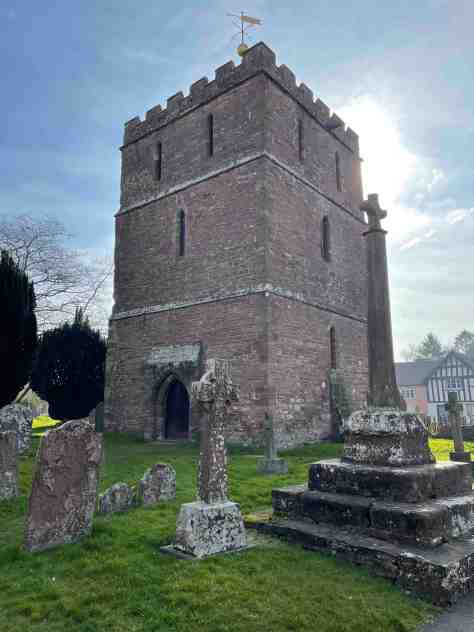
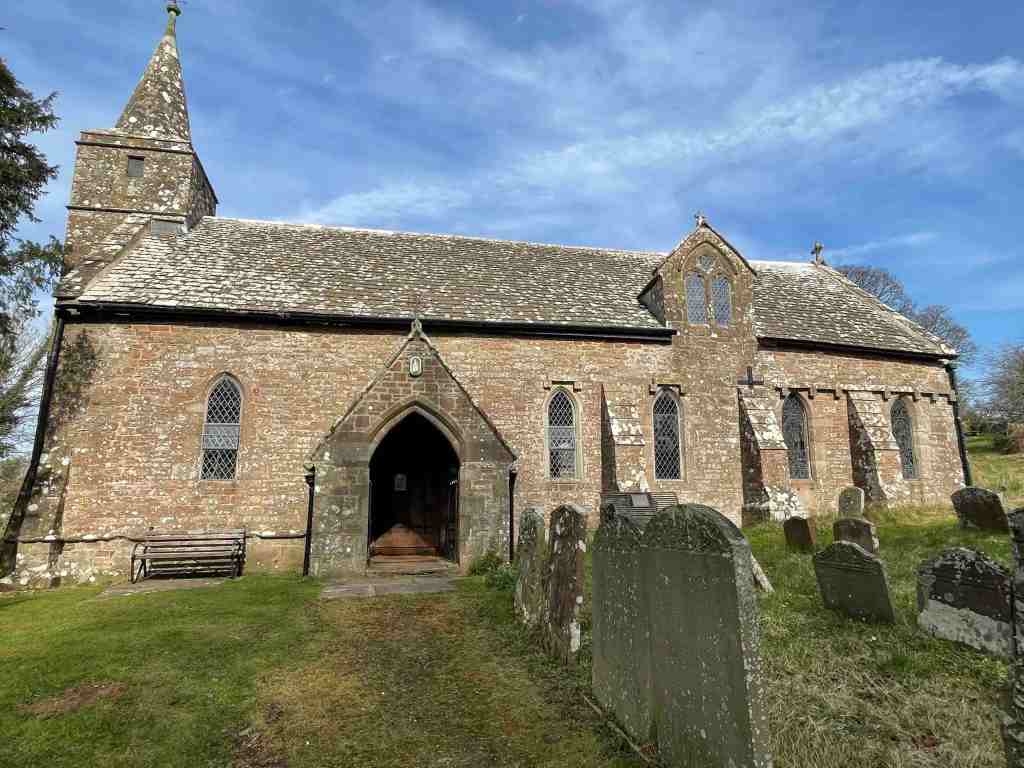
Founded around 1186, the Garway Preceptory was one of the most significant Templar sites in England. Set in an isolated location near the River Monnow, the preceptory left behind a wealth of evidence that can still be seen today—most notably at St. Michael’s Church. This remarkable church, seemingly untouched by time, holds numerous symbols and architectural elements that hint at the Templars’ presence.
Evidence suggests that two churches once stood on this site. In 1927, remains of a Templar round church were discovered, with a segment of the round nave’s foundation still visible on the north side of the current structure. This circular nave was likely demolished after the Templar order was disbanded, replaced by a more traditional rectangular nave built by the Knights Hospitaller, who took over the preceptory.
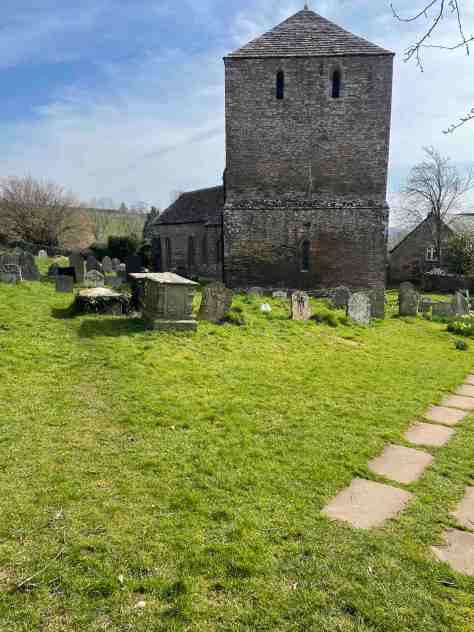
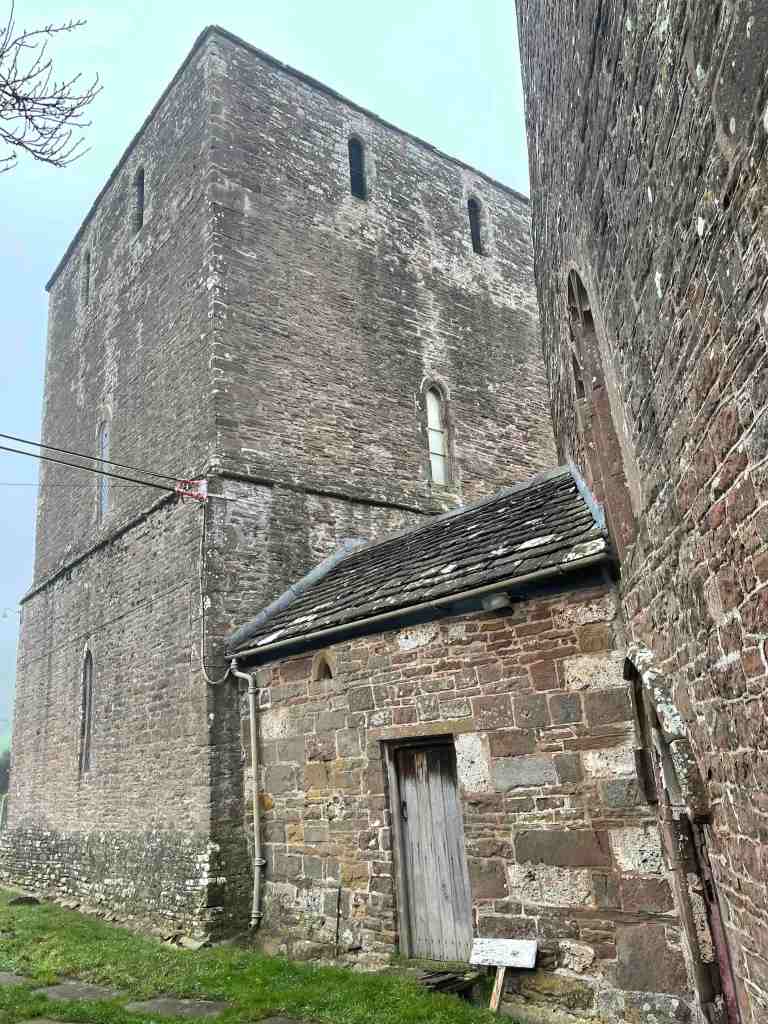
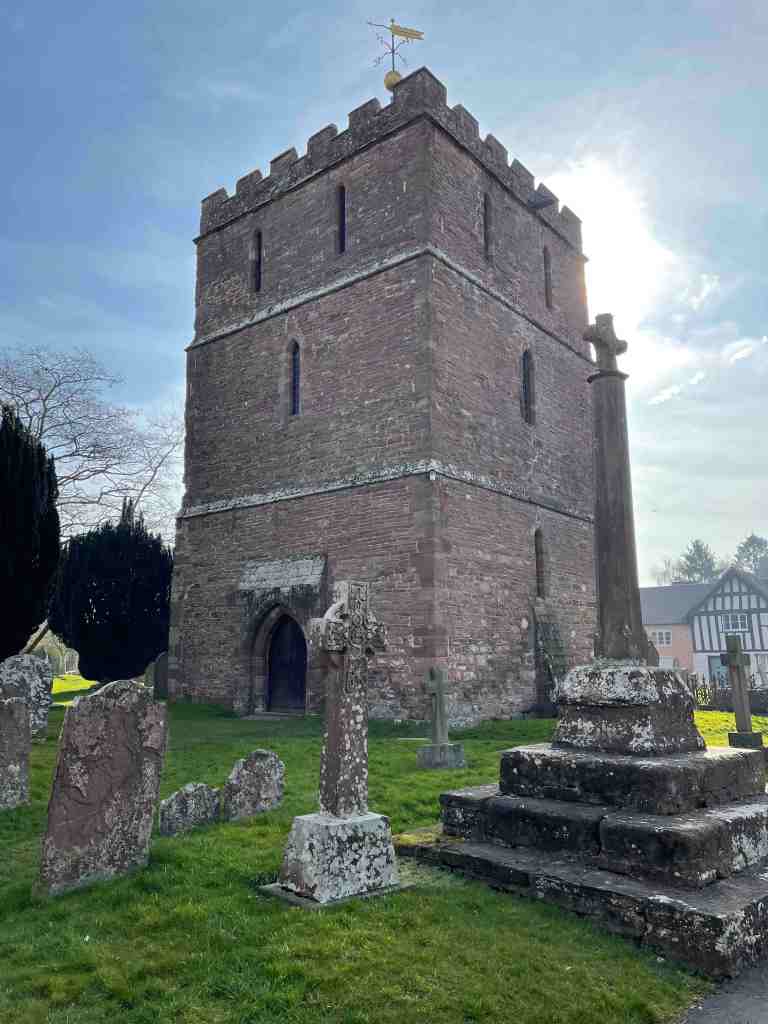
A particularly striking feature of both Garway and Upleadon is their massive, detached towers—unusual in design, with thick walls and minimal lighting. These may have served as defensive structures, safeguarding sacred relics or valuable possessions of passing pilgrims.
Symbolism and Secrets of St. Michael’s Church
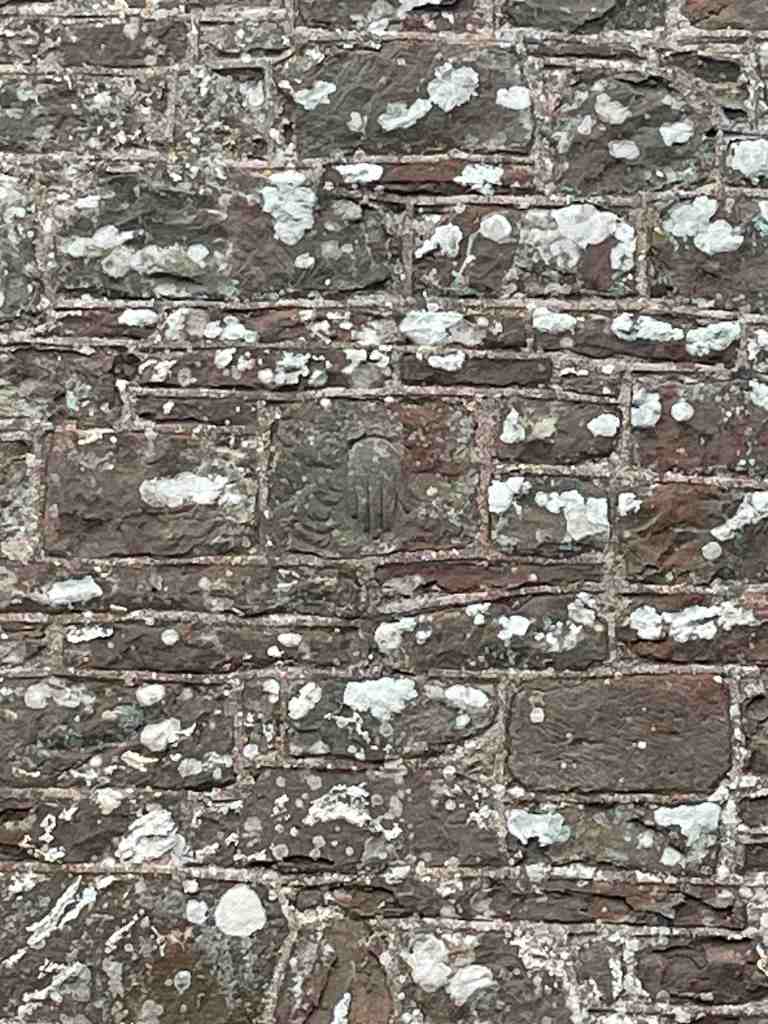
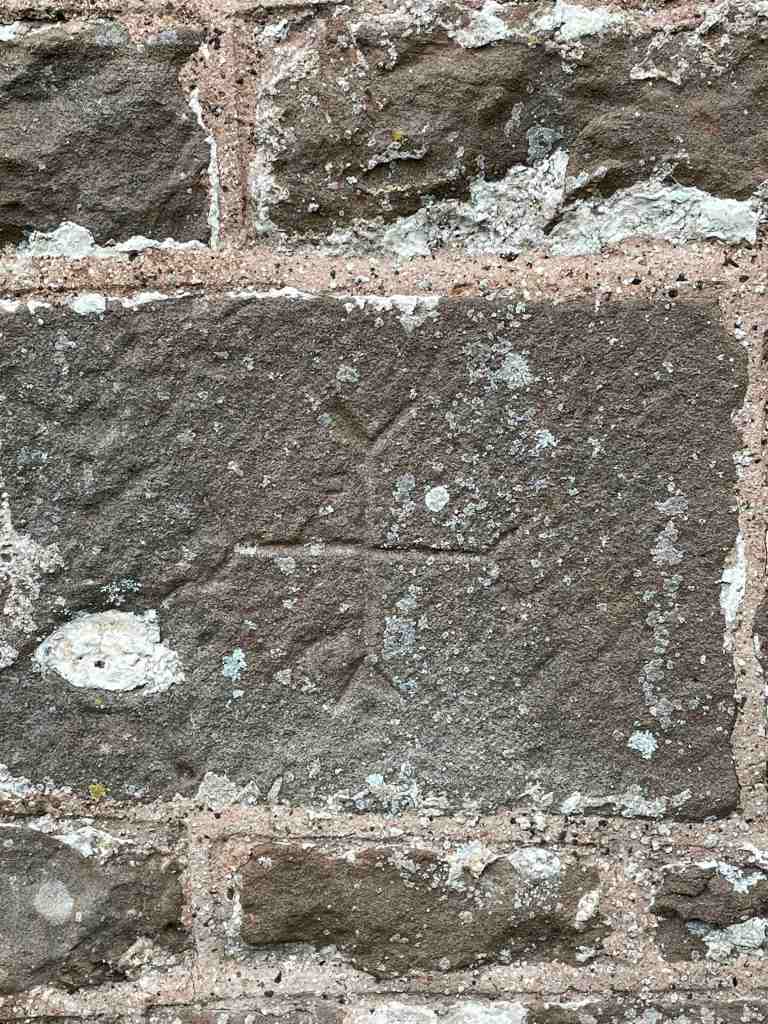
The true beauty of St. Michael’s lies in its hidden symbols, offering subtle yet powerful nods to its Templar past. Among the carvings on the church walls are a Maltese cross, a cross fouchée, and the Agnus Dei (Lamb of God) above the south chapel’s west door. One of the most intriguing carvings is a Hebrew swastika—a symbol of good fortune before it was later repurposed for darker purposes.
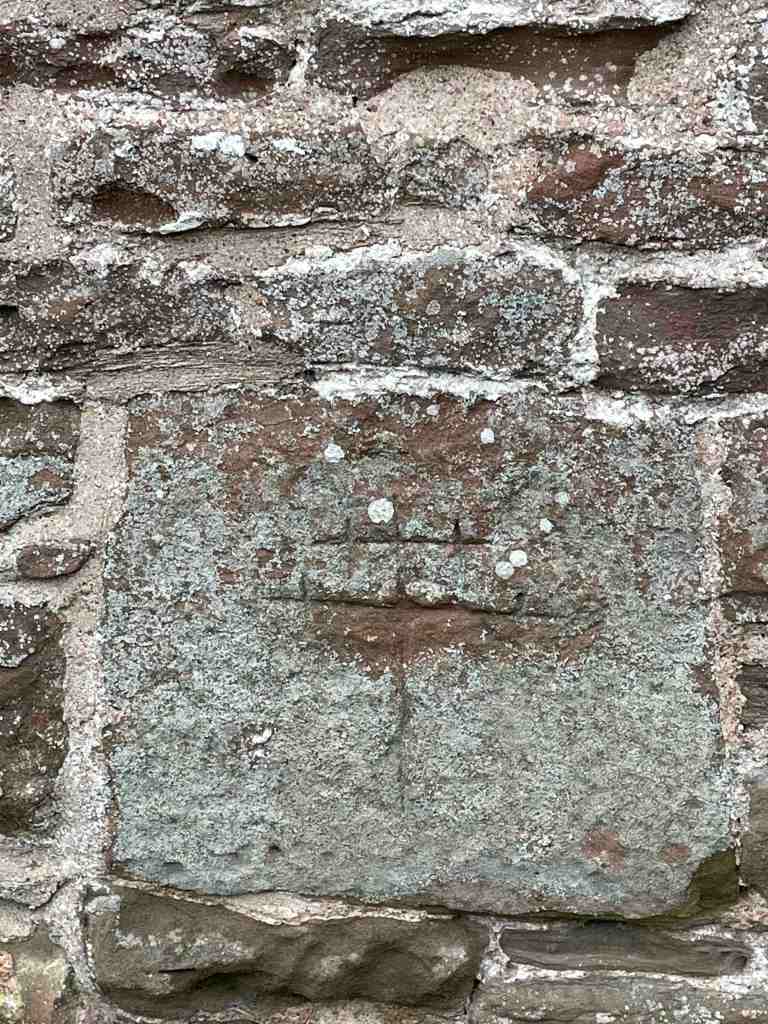
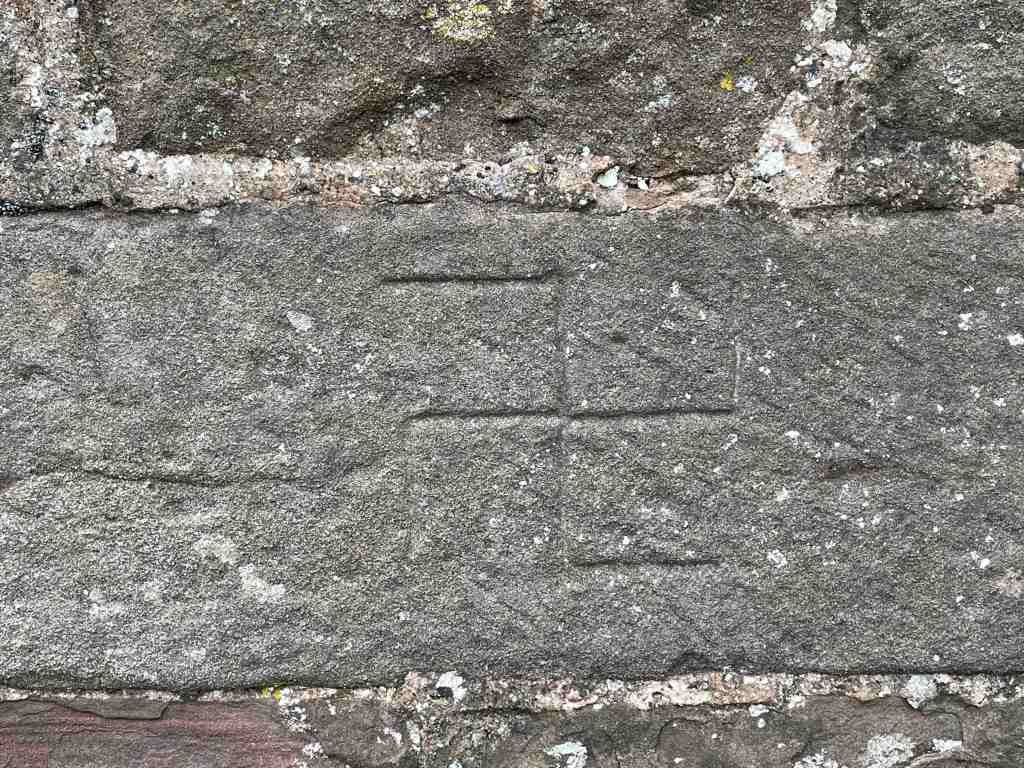
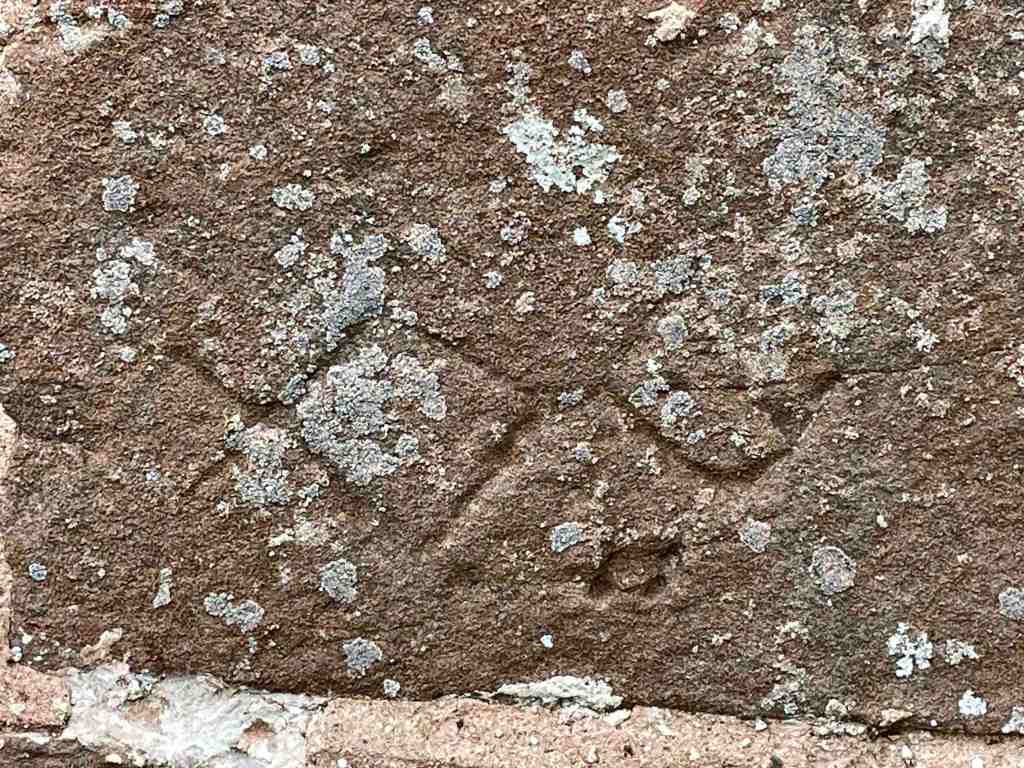
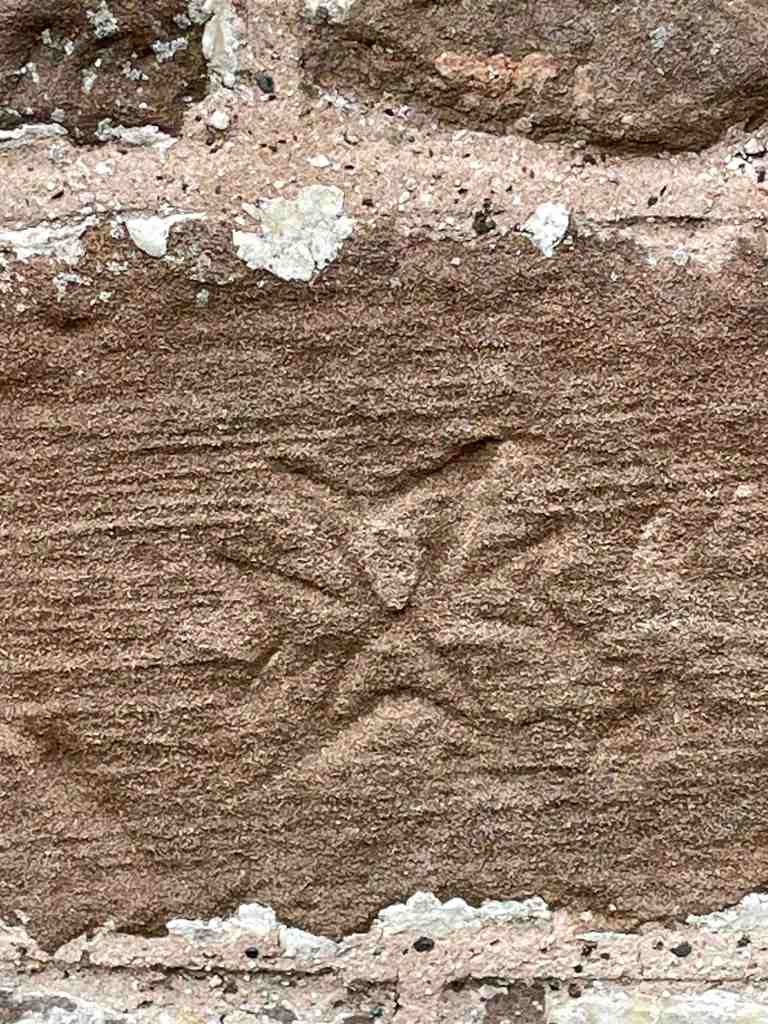
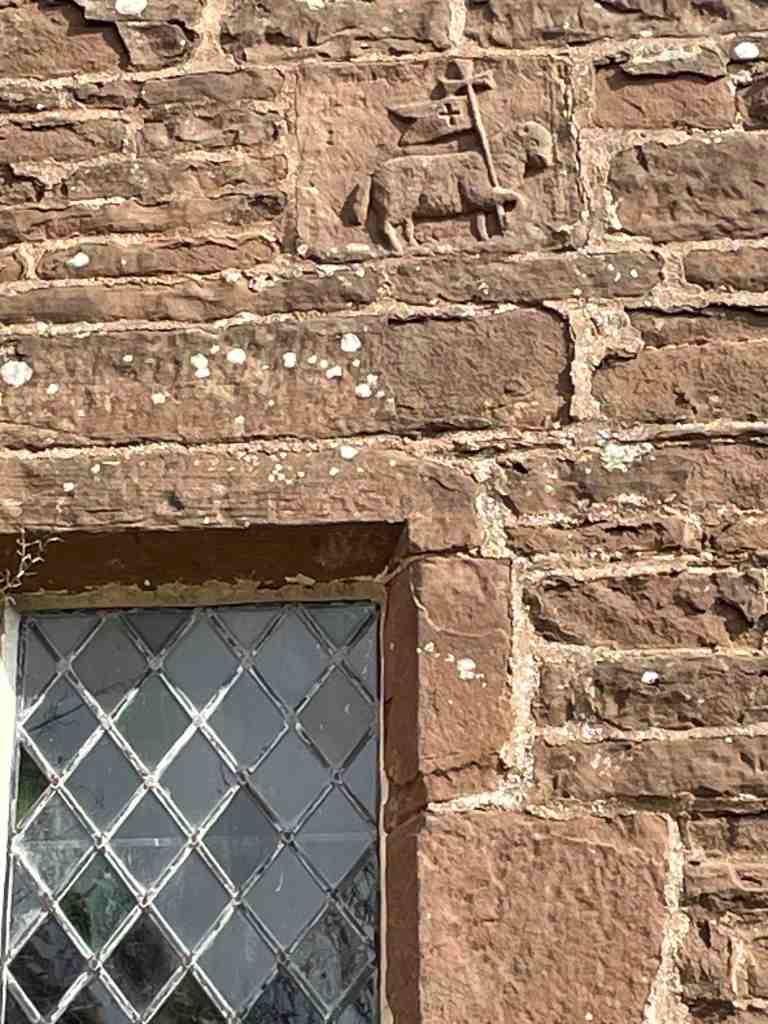
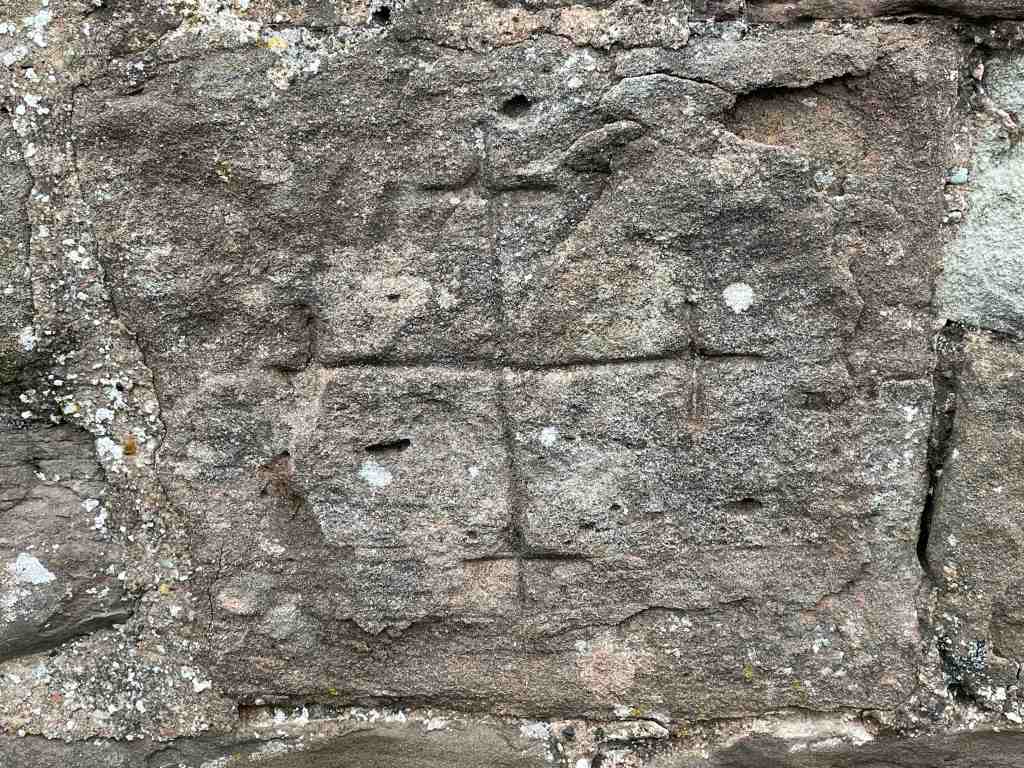
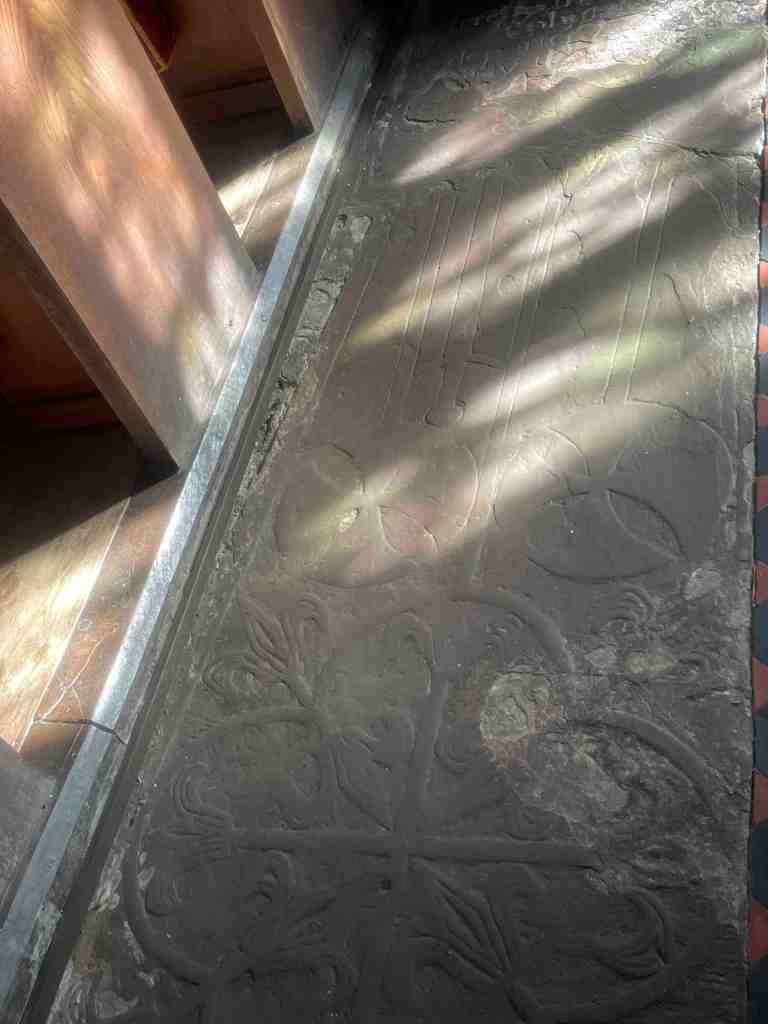
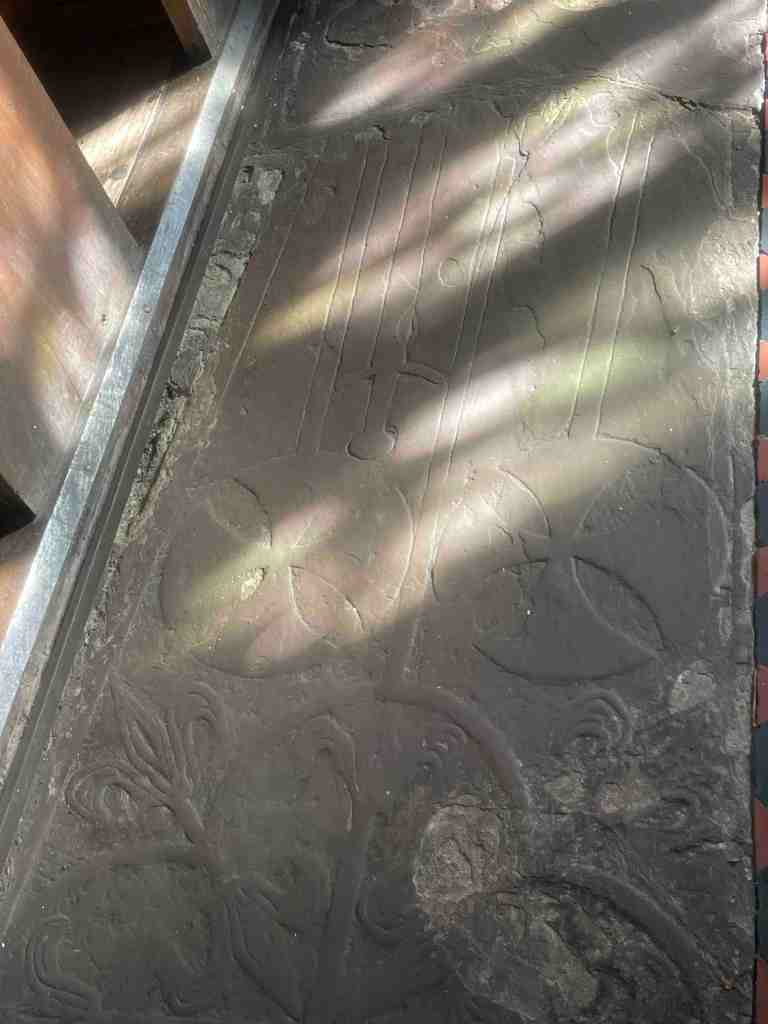
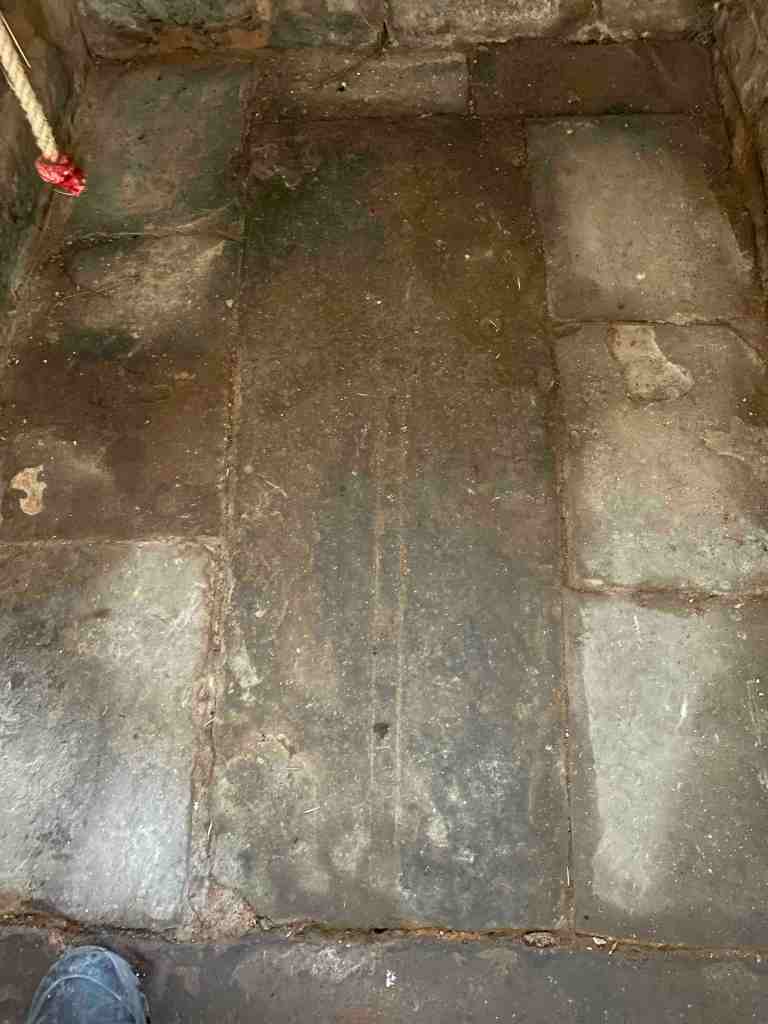
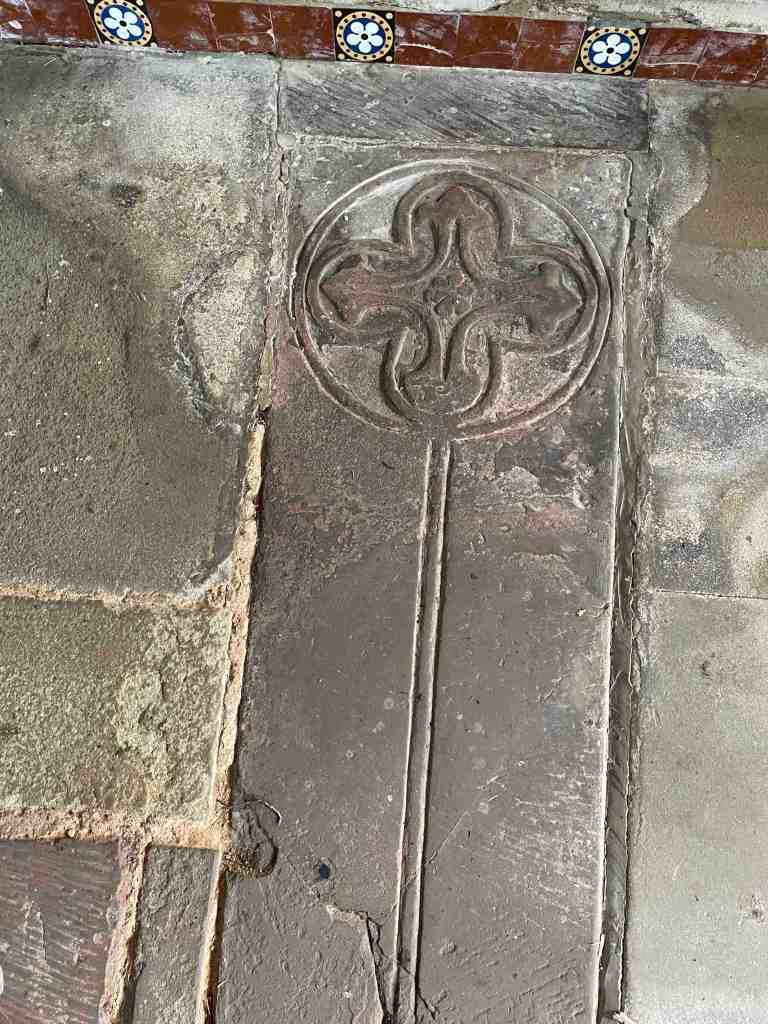
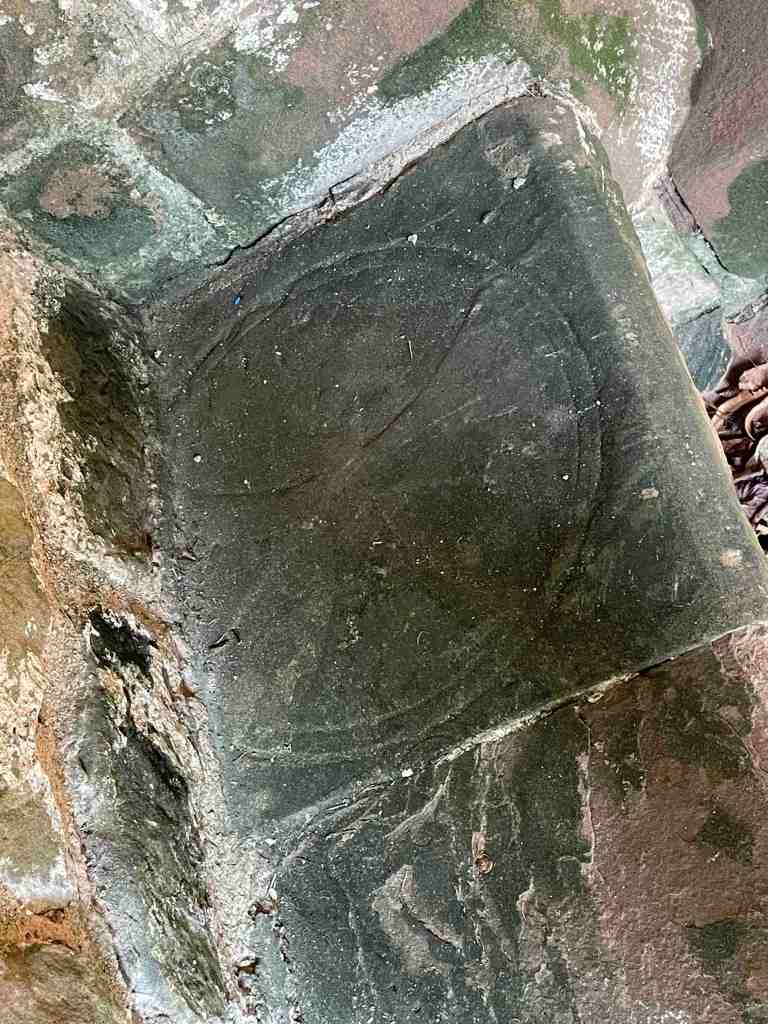
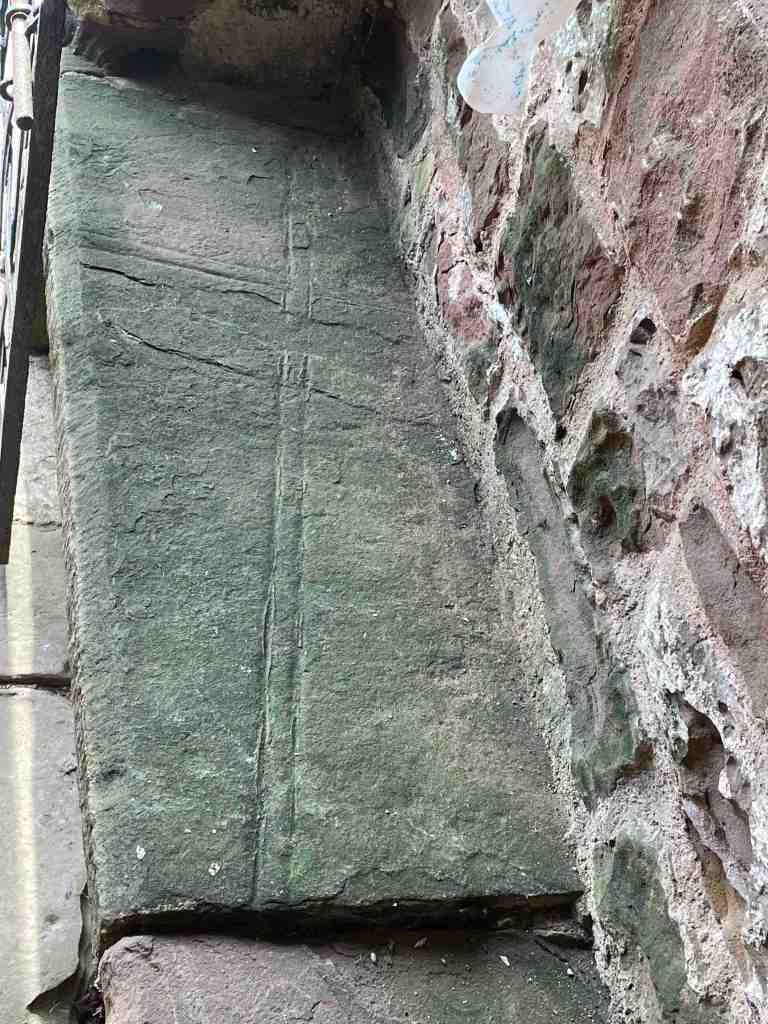
Inside the church, numerous clues further reveal the Templars’ influence. Eight repurposed Templar graves can be found within, including two prominently placed at the chancel step. The altar itself bears numerous inscribed crosses, believed to represent the wounds of Christ. The piscina in the south chapel is adorned with carvings of a chalice, a round wafer, and a fish—symbolic of Christ and his teachings.
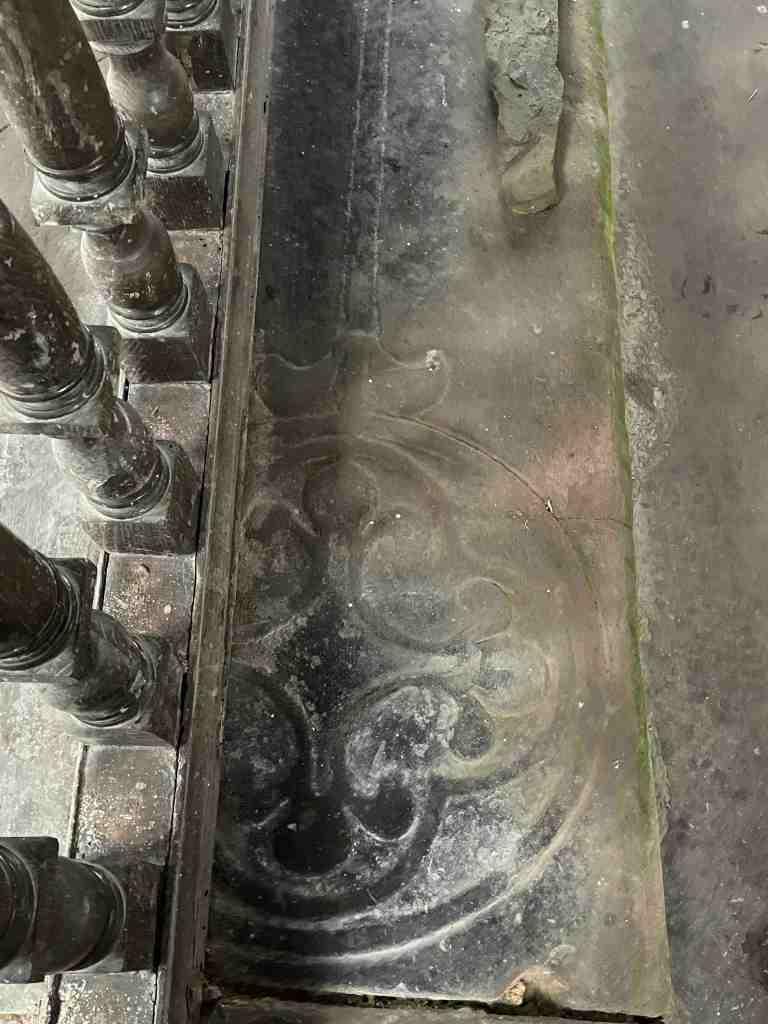
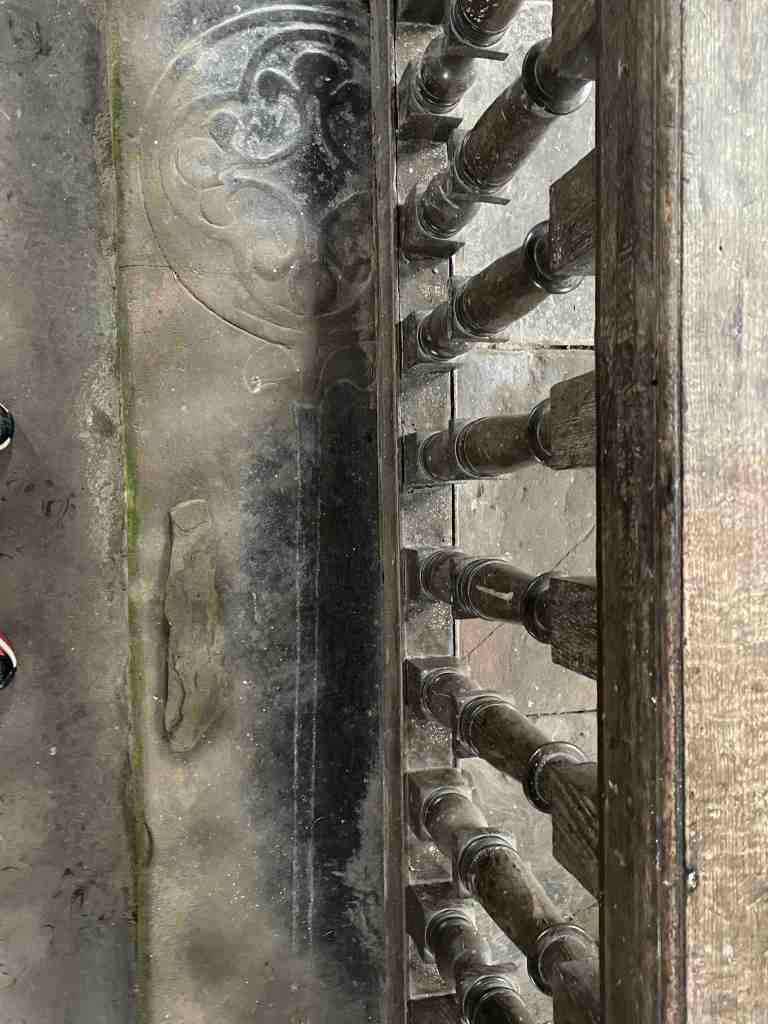
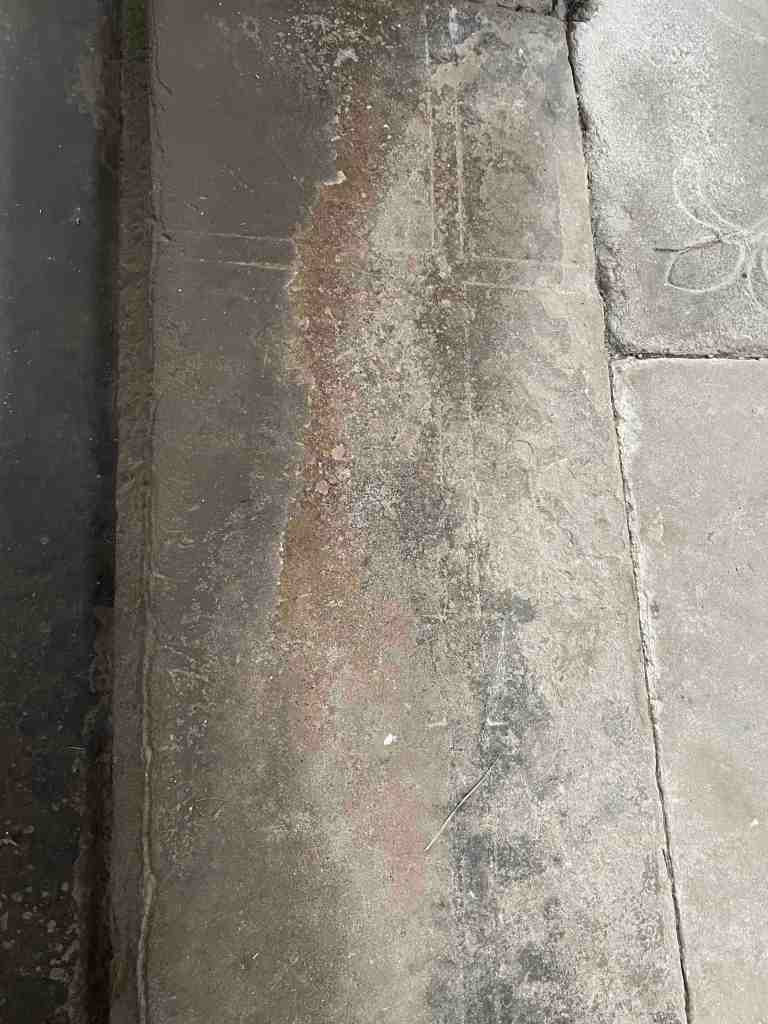
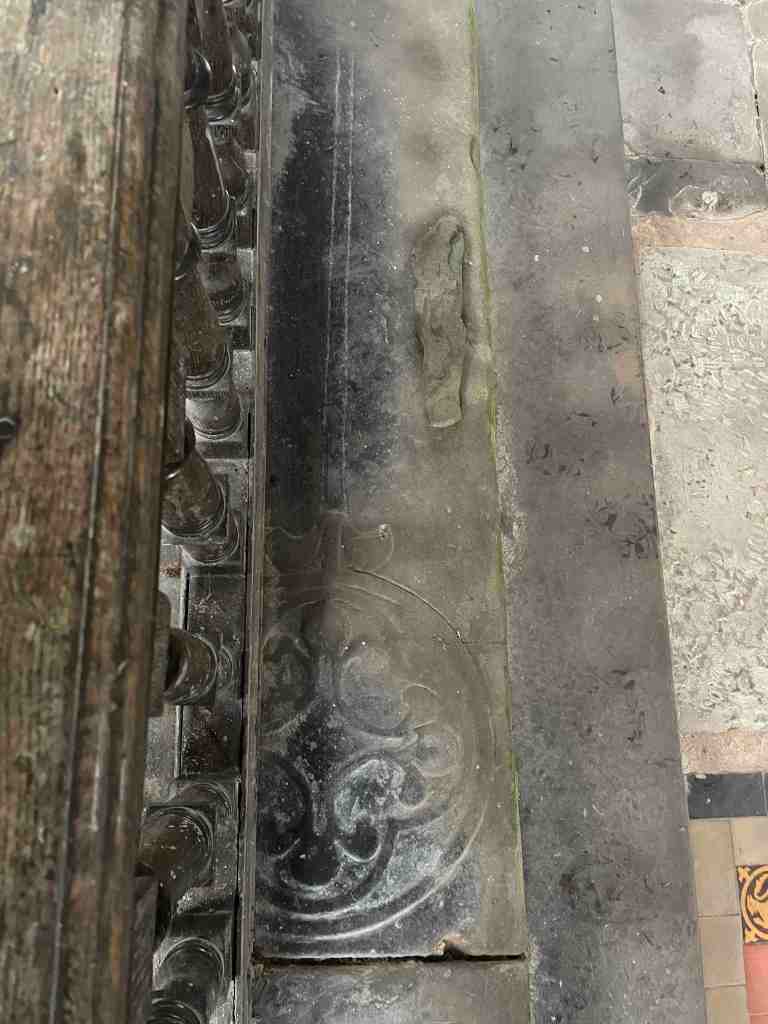
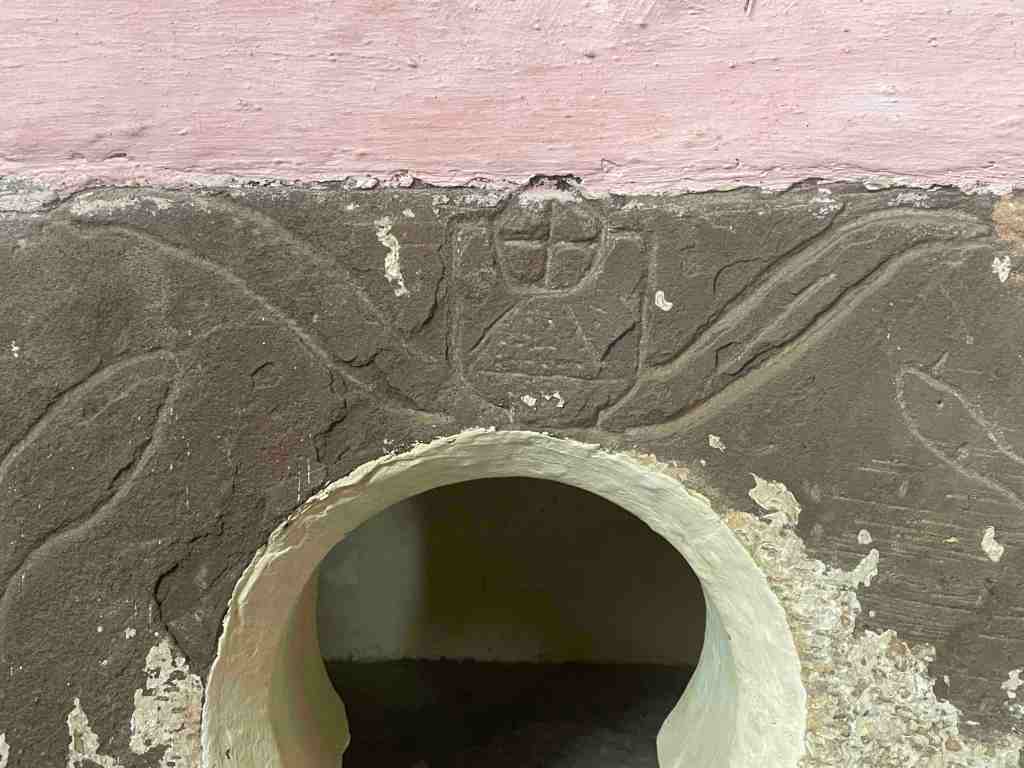
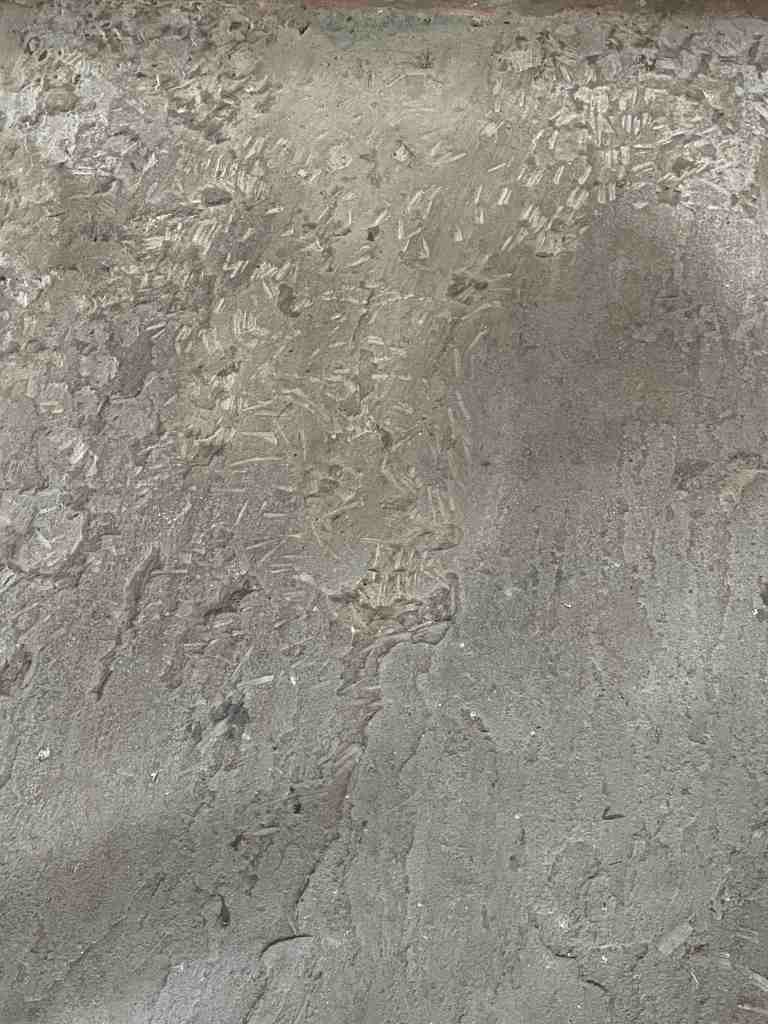
Another fascinating feature is a well-worn stone slab near the piscina. Some speculate that the markings could be from swords resting against it—perhaps left by Templars as they knelt in prayer before embarking on their sacred duties.
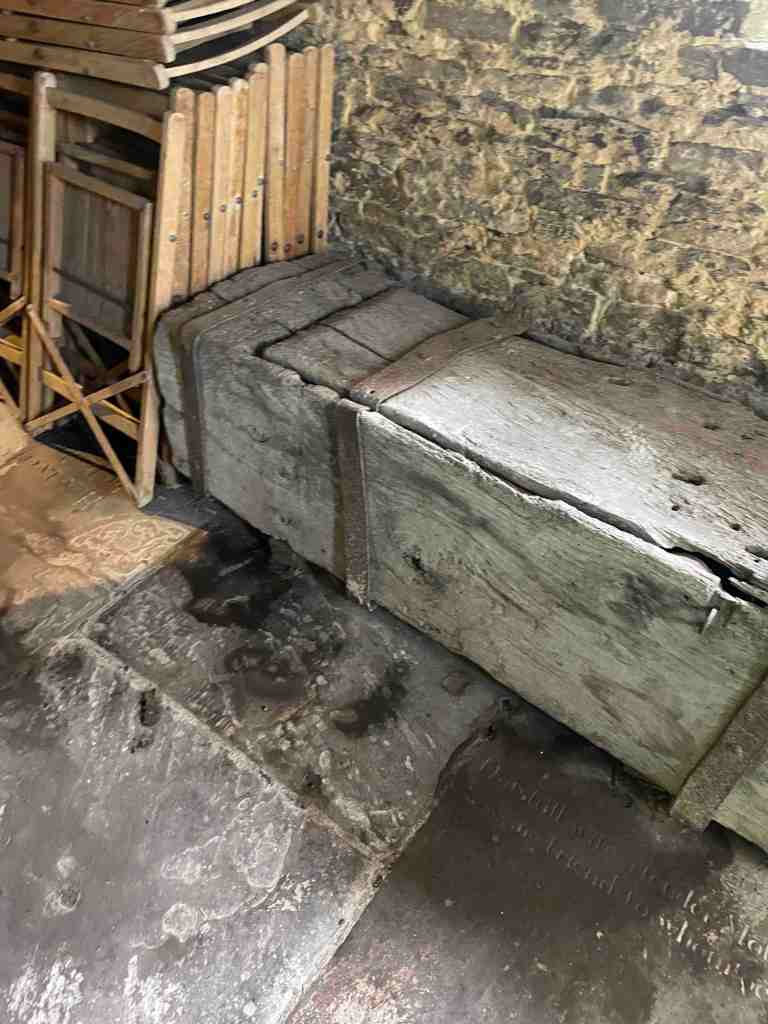
The church tower holds yet another relic of the Templars’ time at Garway—a massive 12th-century dugout chest. Originally locked with three keys (held by a bishop, a priest, and a devout layman), this chest may have been used to store crusade funds or even relics brought by pilgrims.
Upleadon and Other Templar Sites in Herefordshire
Approximately 30 miles northwest of Garway lies Upleadon’s preceptory, home to Holy Trinity Church in Bosbury. Like St. Michael’s, this church features a strikingly tall and imposing detached tower. Within its south aisle, unmarked Templar graves can be found, each adorned with a Templar cross and long sword.
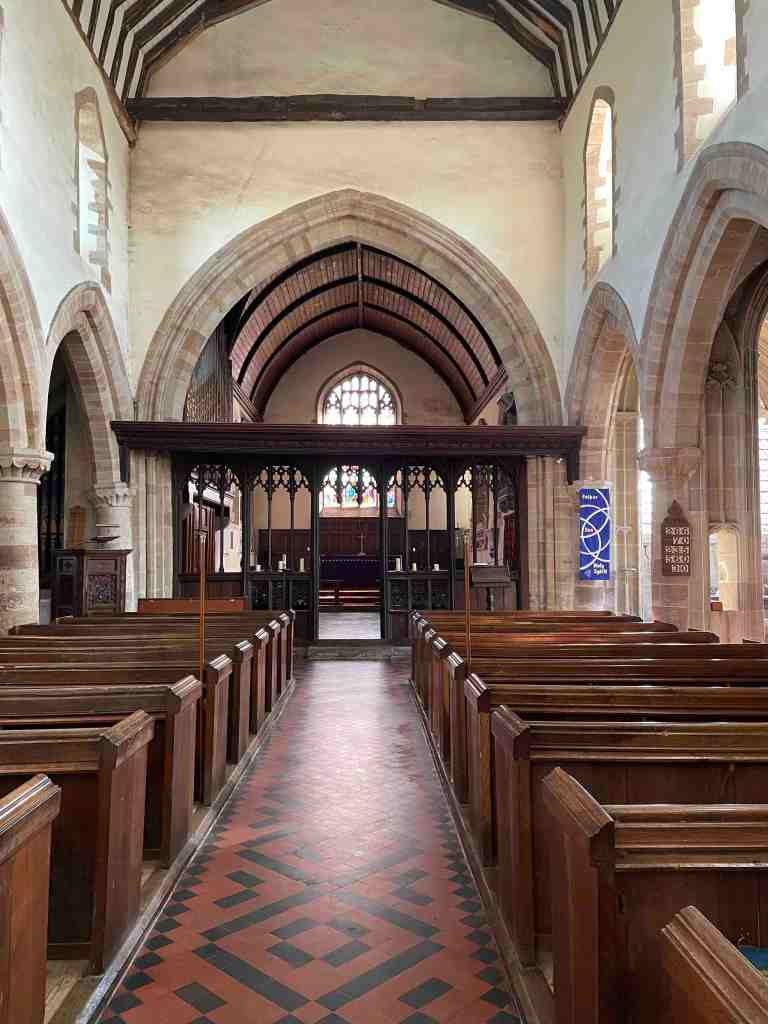
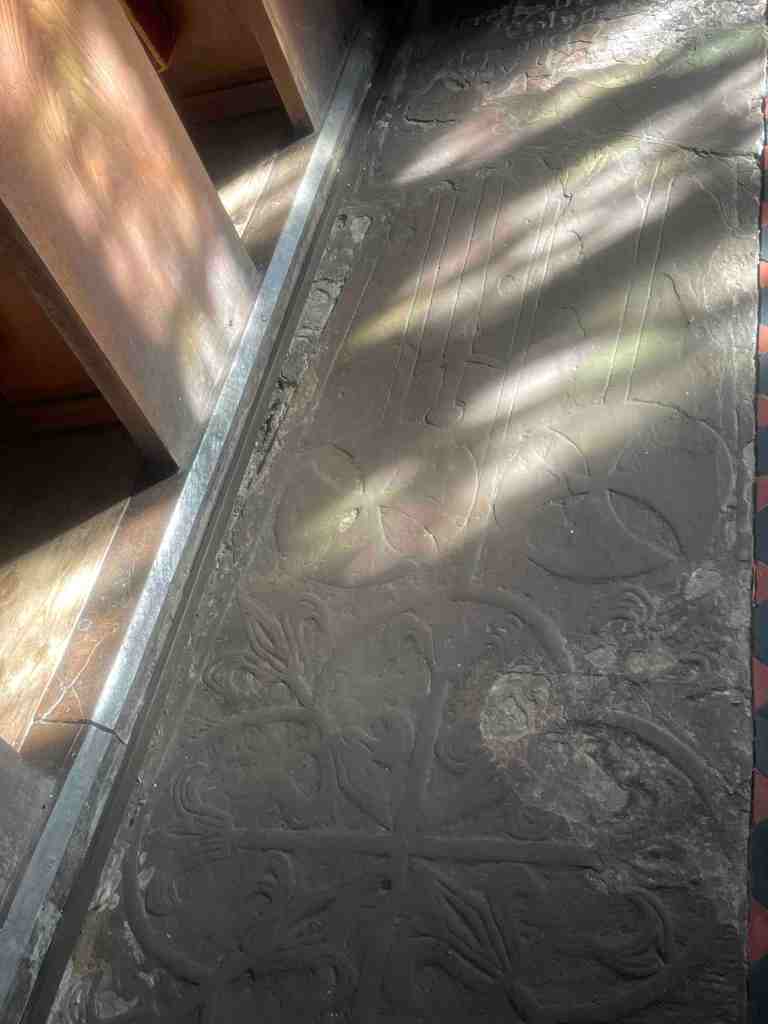
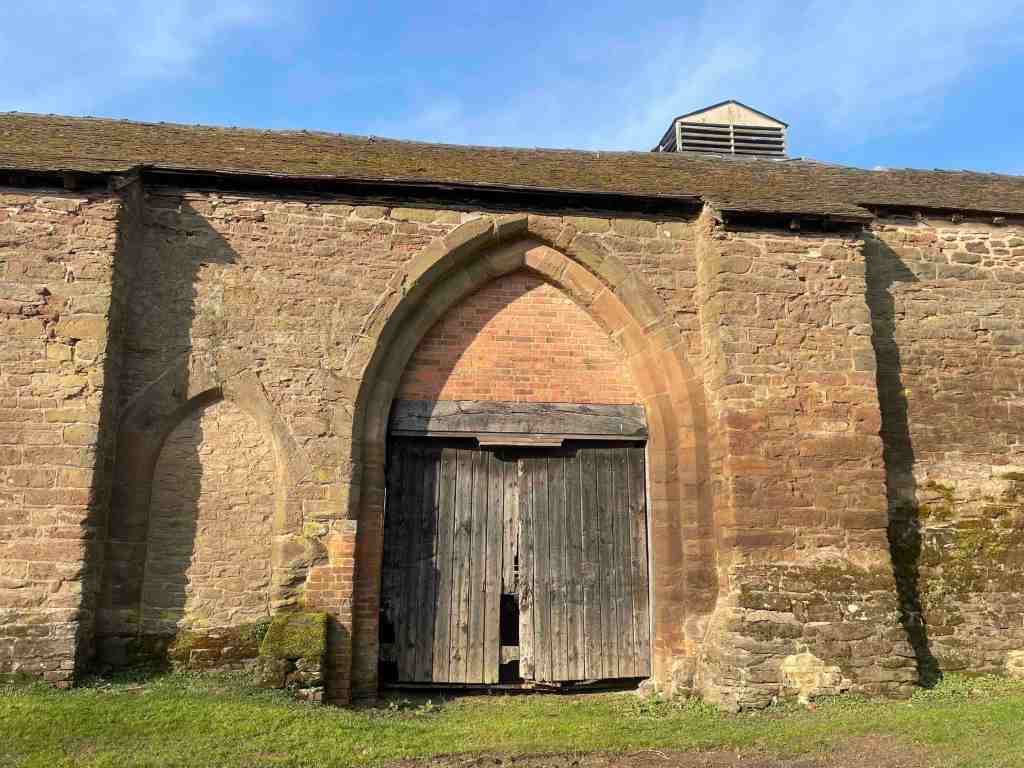
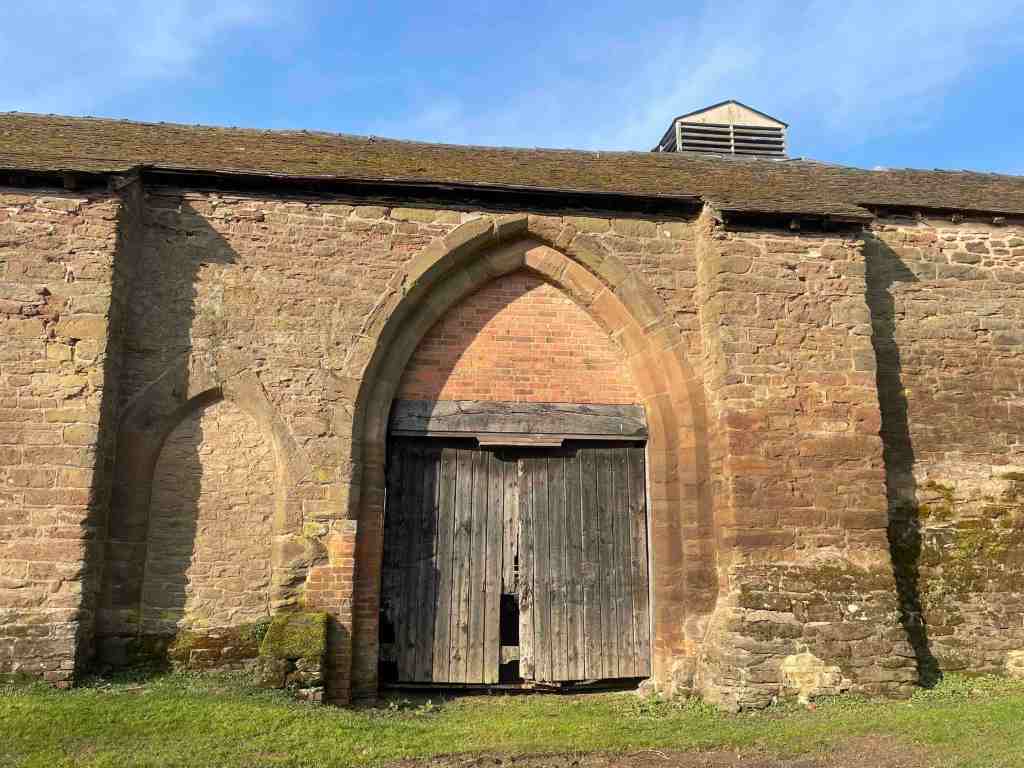
Nearby, a series of barns may mark the site of the original preceptory, including a distinct structure with two separate doorways—one for people and another for horses and wagons. This design closely resembles the entrance to a Knights Hospitaller preceptory at Quenington, suggesting a similar function for the Templars at Upleadon.
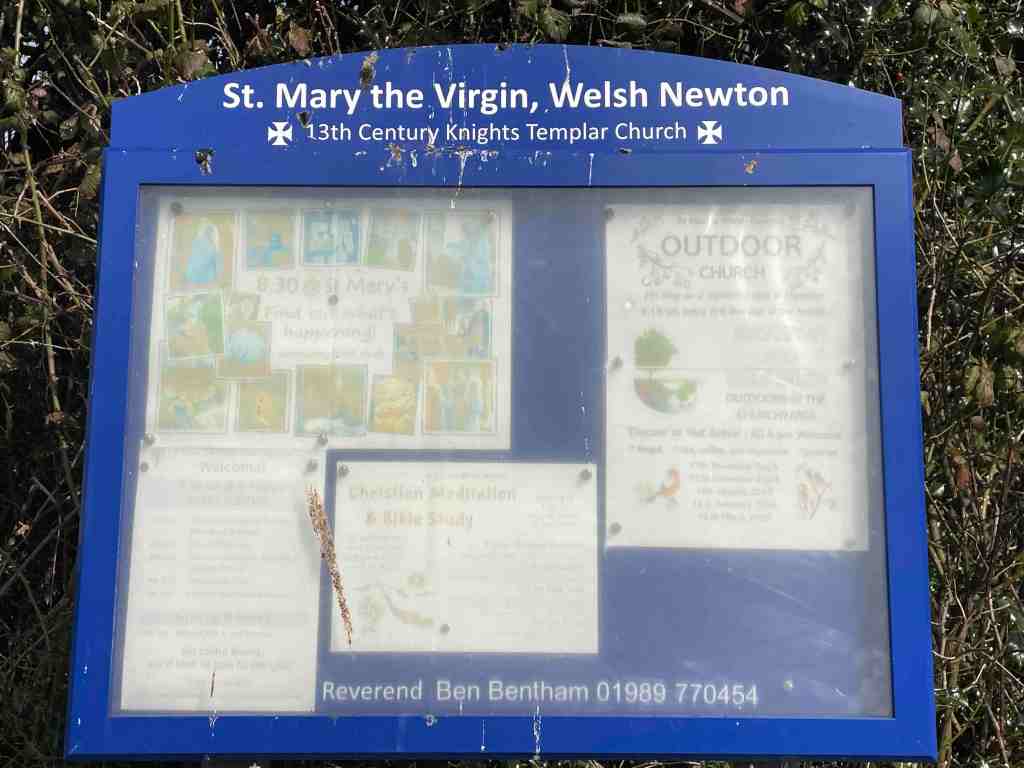
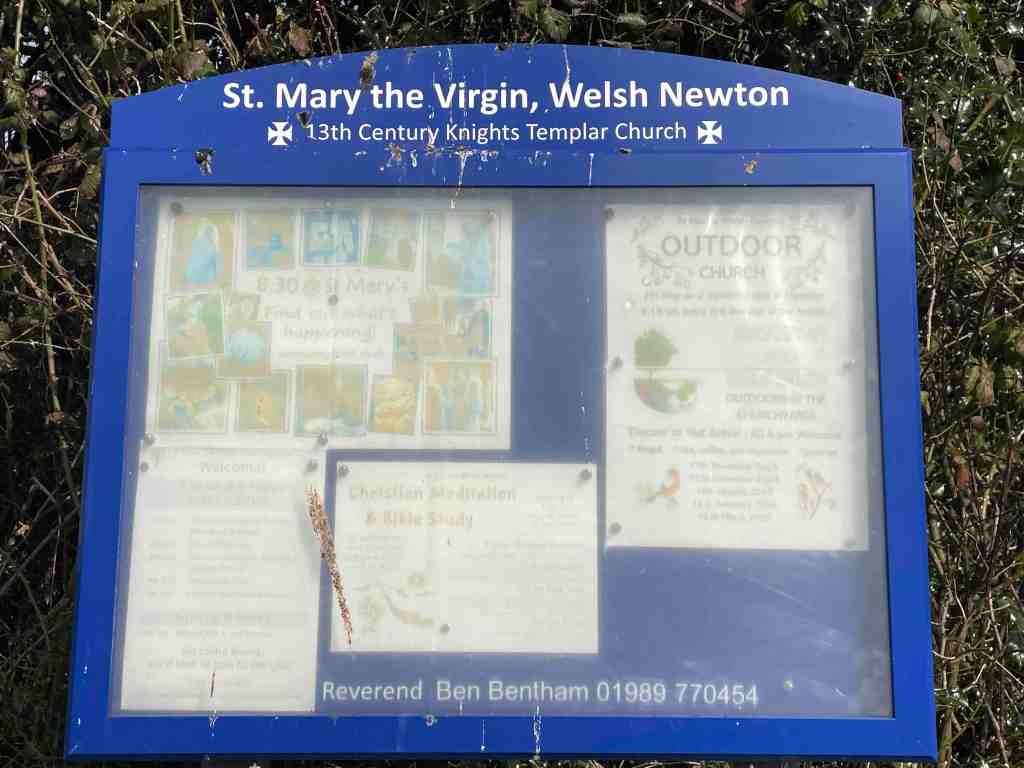
Beyond these two primary preceptories, the Templars held other properties across Herefordshire, including St. Wulstan and the Church of St. Mary the Virgin, recognized today as a 13th-century Templar church. The Templars’ holdings included a house, outbuildings, and 100 acres of arable land. Within St. Wulstan’s entrance lies yet another repurposed Templar grave, with additional graves found before the altar and within the exposed bell tower—worn smooth by centuries of use.
Another significant Templar site in the region is Harewood, near Dinmore—the primary preceptory of the Knights Hospitaller in Herefordshire. Here, the Templars held a manor house, a watermill, and 200 acres of land. This property was gifted to the Templars at Garway by Godscall, who had received the land from King John.
The Templars’ Presence in Hereford
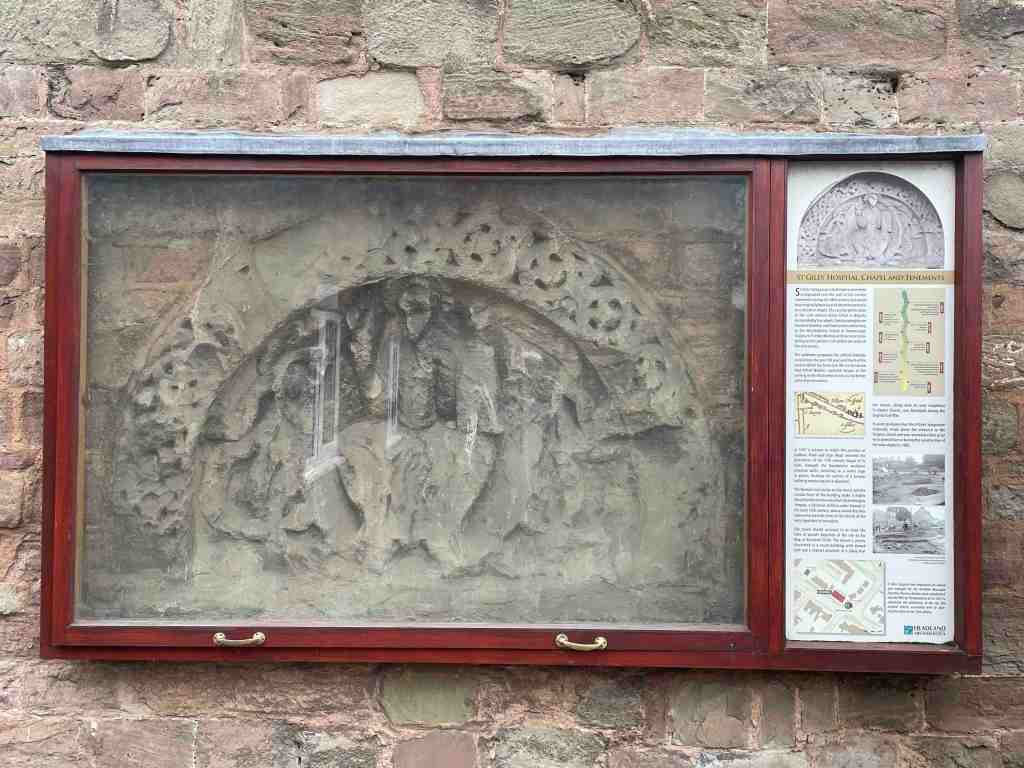
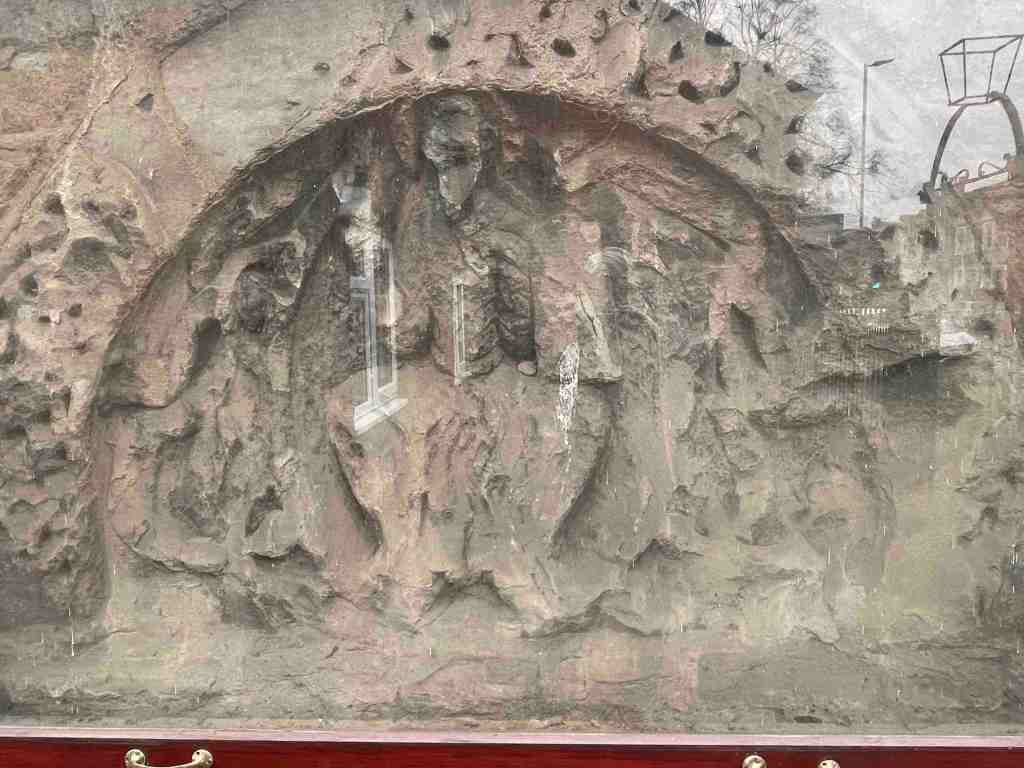
Within the city of Hereford itself, traces of the Templars can still be found. St. Giles Hospital, founded in the 12th century, was initially under Templar control before passing to the Hospitallers. Though the original chapel was demolished in 1927 to make way for modern roads, a weathered tympanum depicting Christ now resides within the wall of nearby almshouses, serving as a quiet reminder of the Templars’ fleeting presence.
A Legacy That Endures
The Herefordshire preceptories of the Templars were strategically secluded yet well-protected, providing both sanctuary and sustainability for their cause. Even today, these locations retain their historic charm, as Hereford remains one of England’s most untouched regions.
Want to explore these sites yourself? Visit our website for an interactive map of Templar preceptories and properties. And don’t forget to stop by our Knights Templar and Knights Hospitaller gift shop for themed replicas and memorabilia! Click here for our main website
 TheTemplars.Co.Uk