
March 2025
The Grand Master & The Hidden Legacy of the Knights Hospitallers in Rural Northamptonshire
Tucked away in the quiet countryside of Northamptonshire lies a rich and often-overlooked history of the Knights Hospitallers. Within a 10-mile radius of Northampton, traces of their influence remain—from grand preceptories and hidden lodges to the final resting place of a grand master of the monastic order. As we explore Rushton and Dingley, we uncover the fascinating remnants of this medieval brotherhood.
The Preceptory at Dingley
Dating back to the reign of King Stephen, the preceptory of the Knights Hospitallers at Dingley played a vital role in medieval Northamptonshire. Founded through the generosity of William de Clopton and his wife Emma during the reign of Henry II, the preceptory flourished as a center of hospitality and military preparation. A court roll from 18 March 1482 names Sir Henry Halley as the preceptor, and records indicate that Sir Giles Russell was the last commander before the dissolution of the order.
The Hospitallers were known not only for their military prowess but also for their dedication to caring for the sick and offering aid to pilgrims. Similar to their counterparts, the Knights Templar, the Hospitallers established preceptories as local headquarters, serving both as training barracks and places of charity. However, their prosperity came to an abrupt end in 1540 when King Henry VIII ordered the dissolution of the monasteries. Those who resisted the king’s rule faced persecution, while those who submitted were granted pensions. Among them was Sir Giles Russell, who received an annual pension of £100.
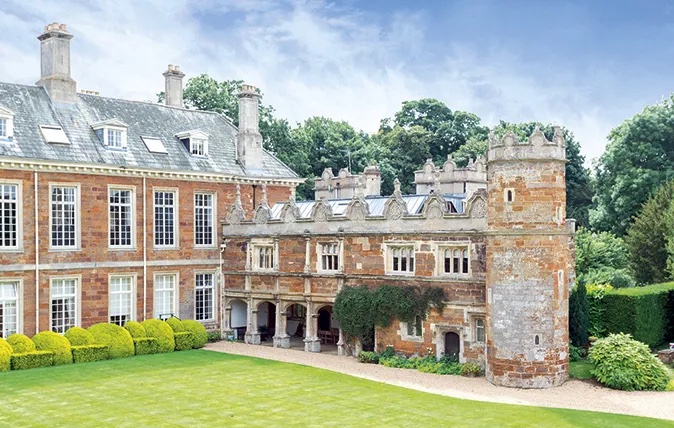
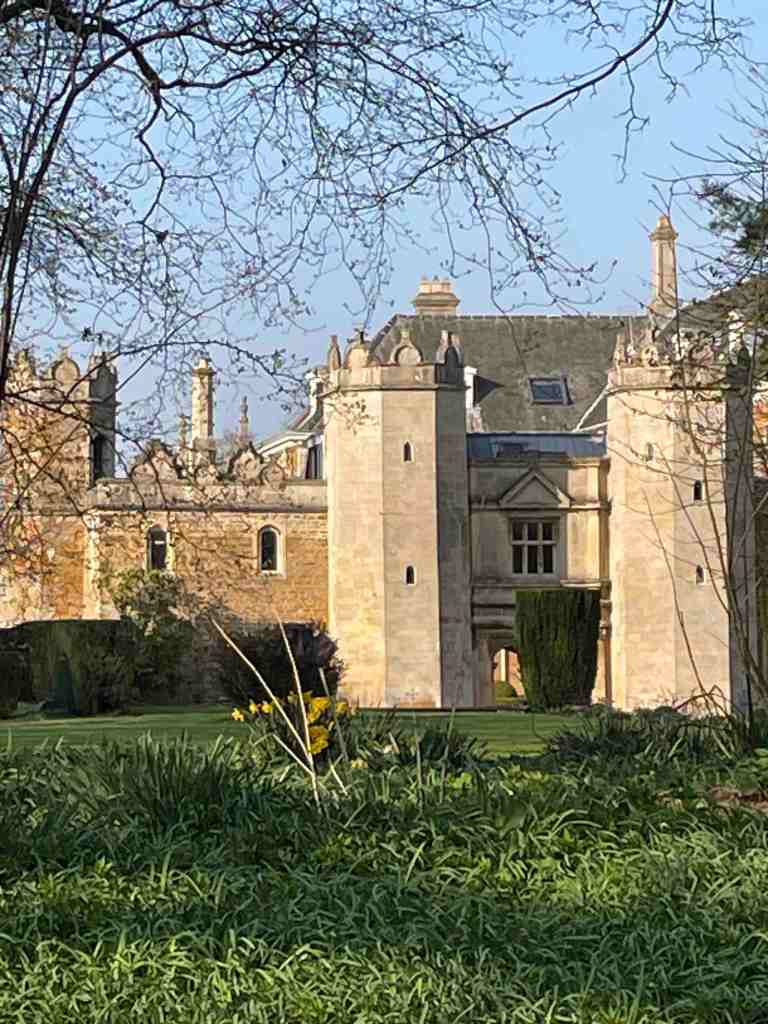
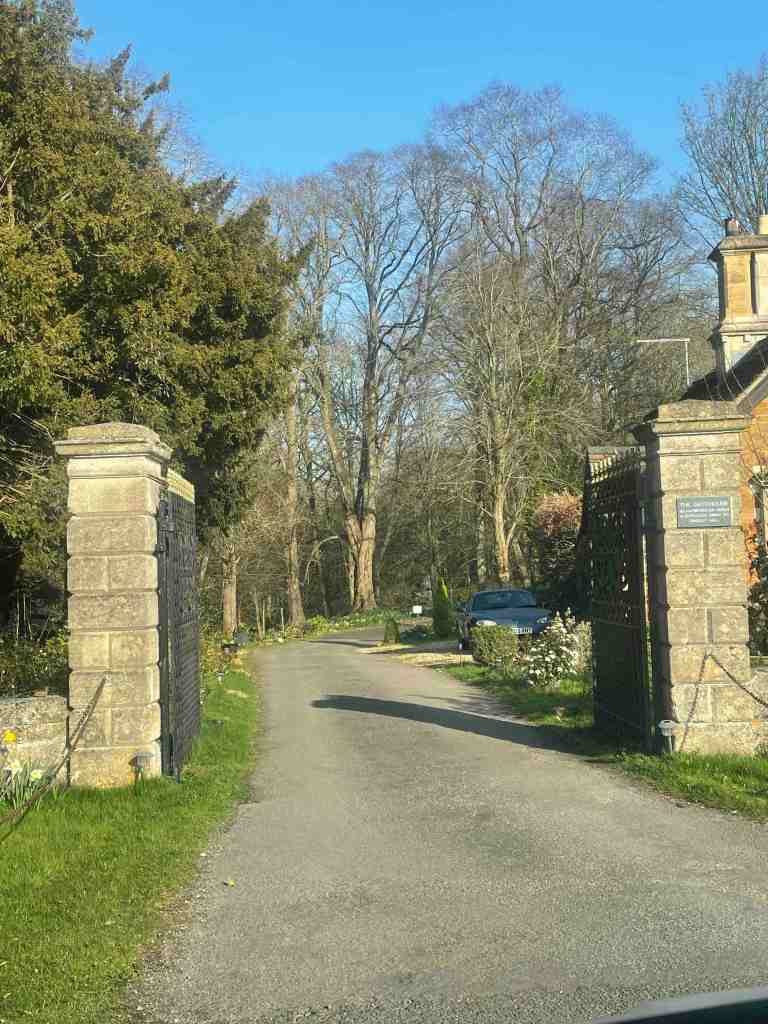
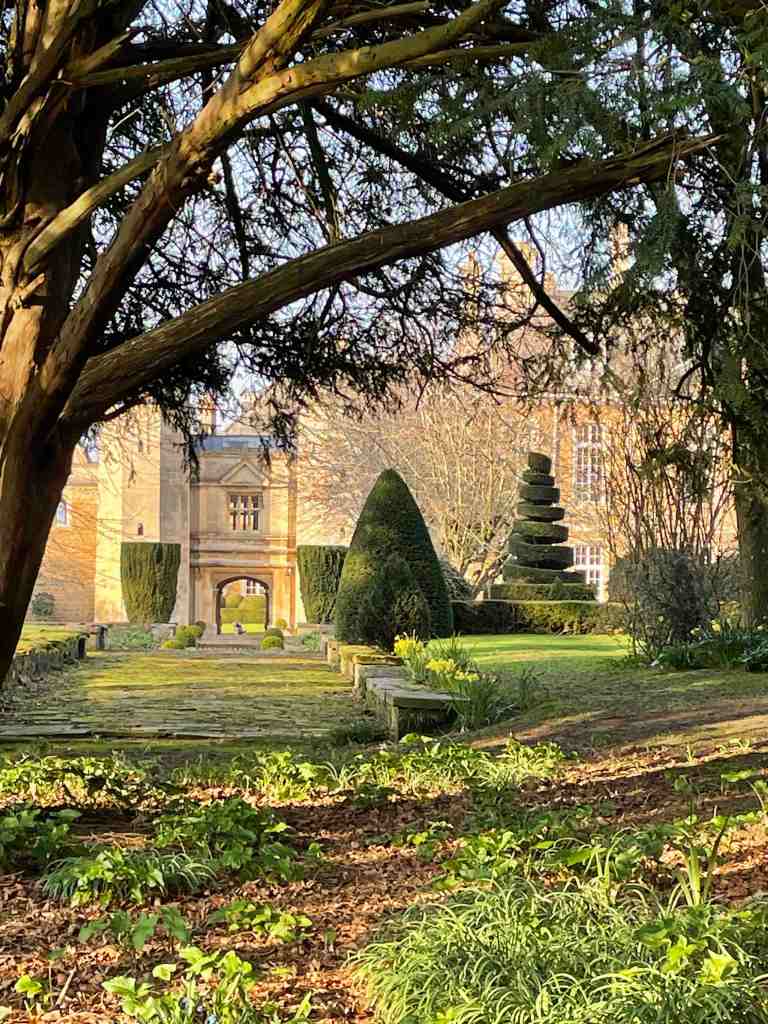
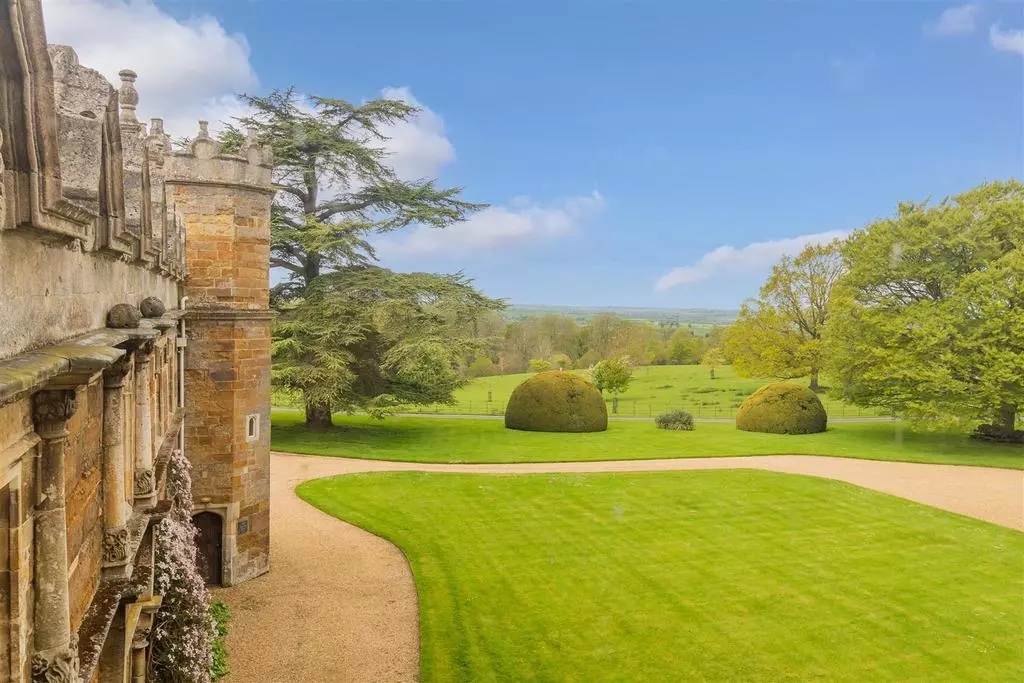
Today, the site of the Dingley Preceptory has been transformed into a stately manor, divided into private residences. Although much of the medieval structure has been lost, the original tower and porch remain, serving as silent witnesses to the site’s monastic past. The manor underwent significant rebuilding in the late 1550s, with additional modifications made in the 1680s and the west wing demolished in 1781-82. The tranquil setting still evokes images of knights tending to the sick and providing sanctuary to weary travelers.
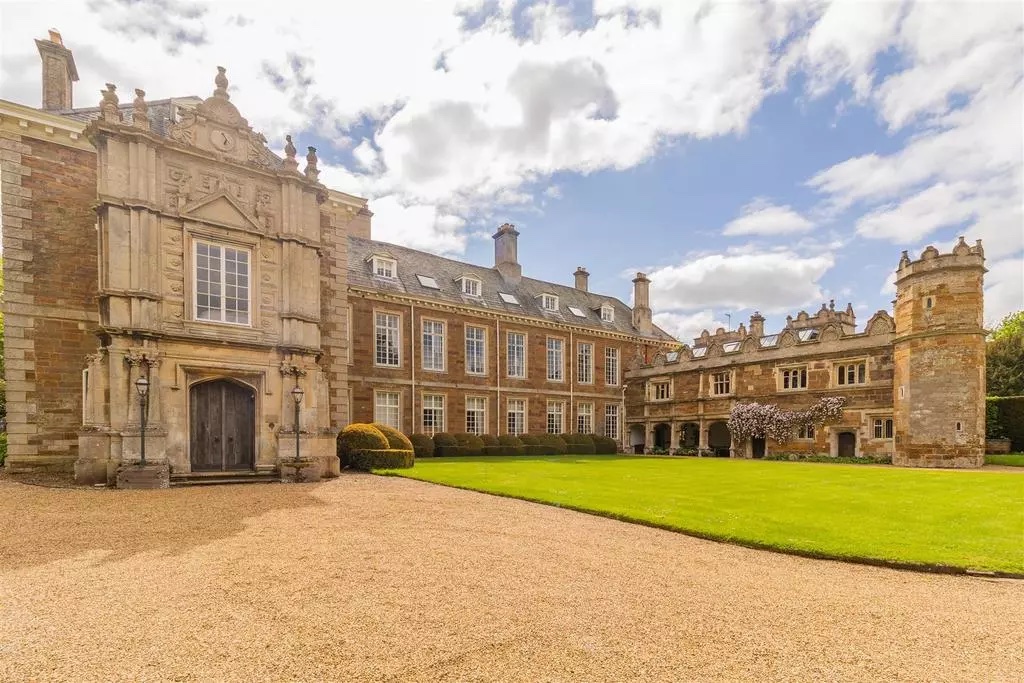
Adjacent to the former preceptory, hidden behind a small blue gate in a medieval brick wall, lies All Saints Church. Built in 1292 by Hugh de Dingele, the church stands on the site of a former chapel and would have been closely linked to the Hospitaller order during its operational period.
Rushton: The Last Grand Master’s Resting Place
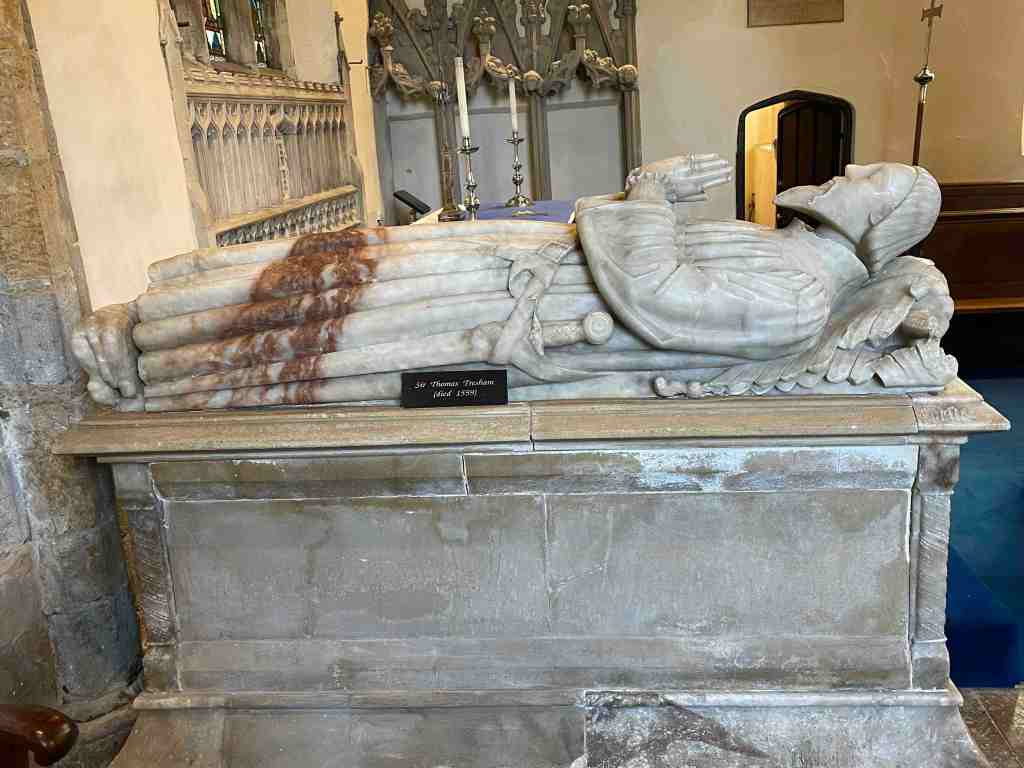
Just seven miles east of Dingley lies Rushton, a village with deep connections to Sir Thomas Tresham, the last Grand Master (or Lord Prior) of the Knights Hospitallers in England. After Queen Mary temporarily restored the order, it faced a second dissolution in 1558 under Queen Elizabeth I. Sir Thomas Tresham, who had been knighted in 1524, died in 1559 and was laid to rest in All Saints Church in Rushton.
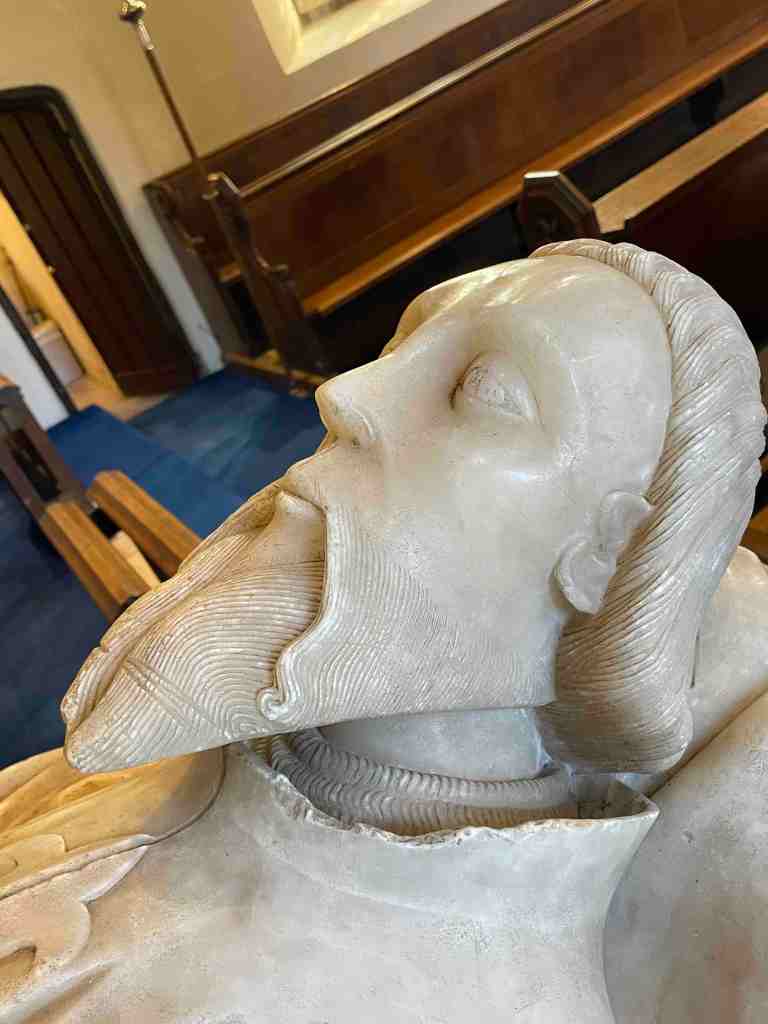
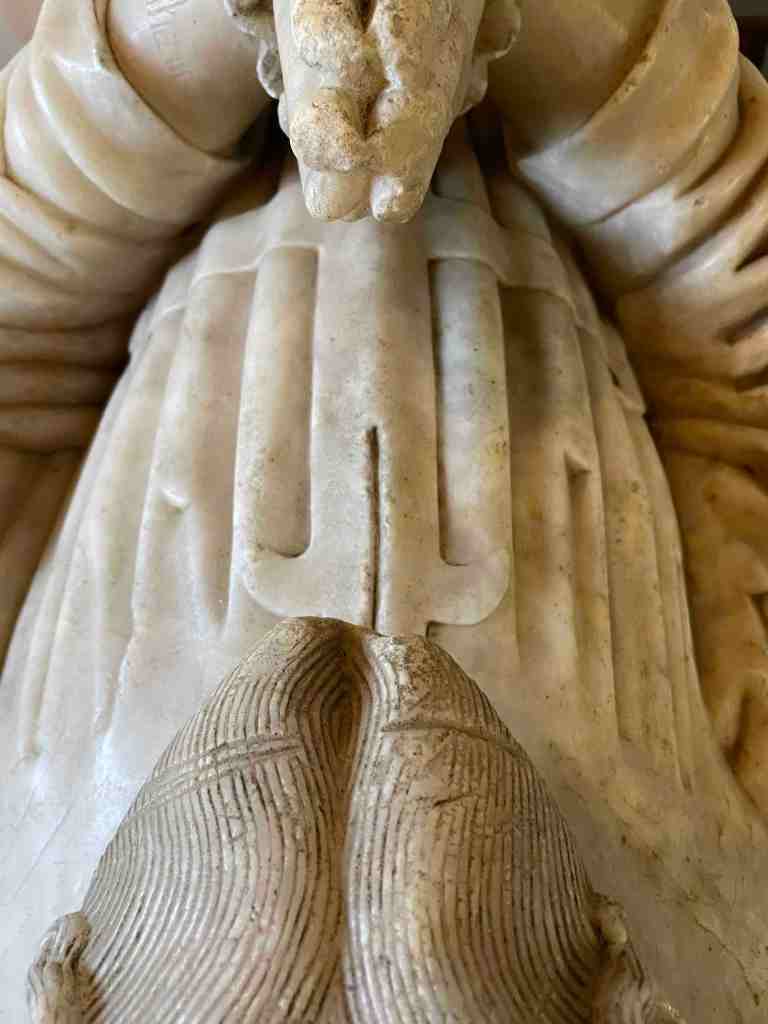
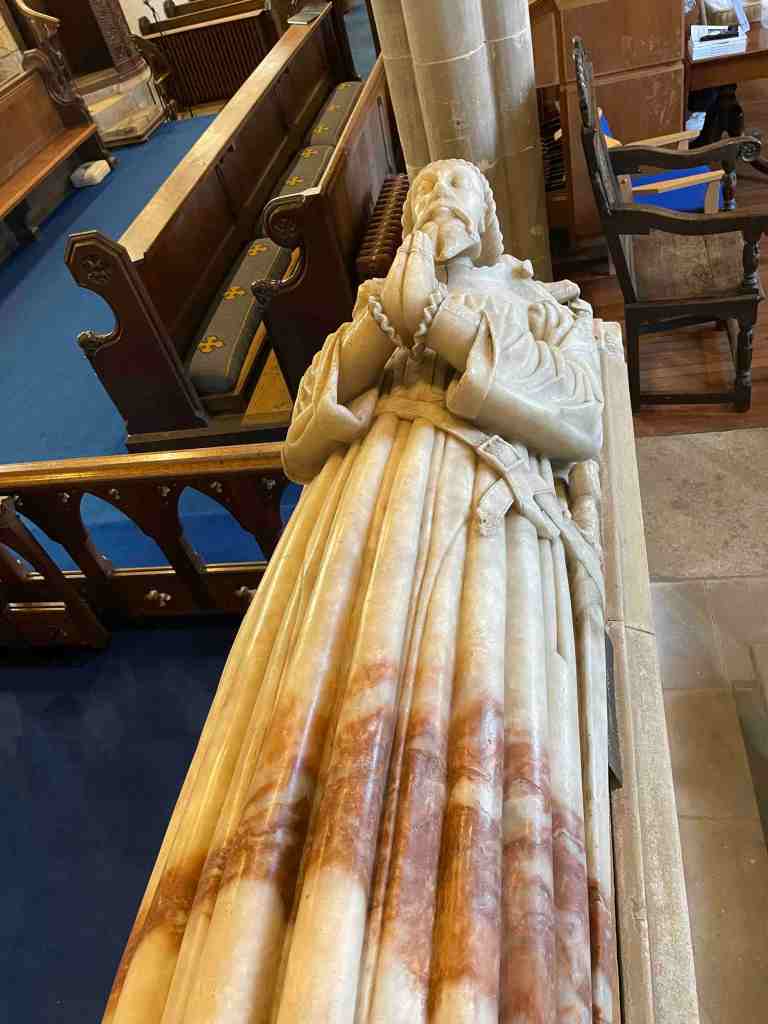
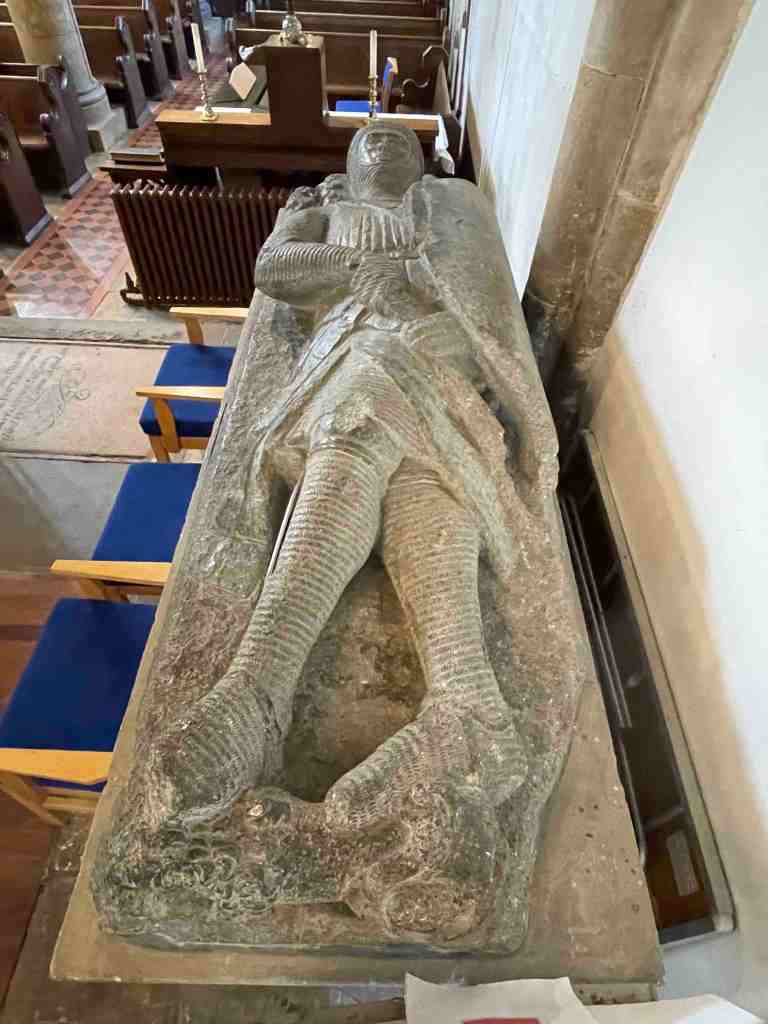
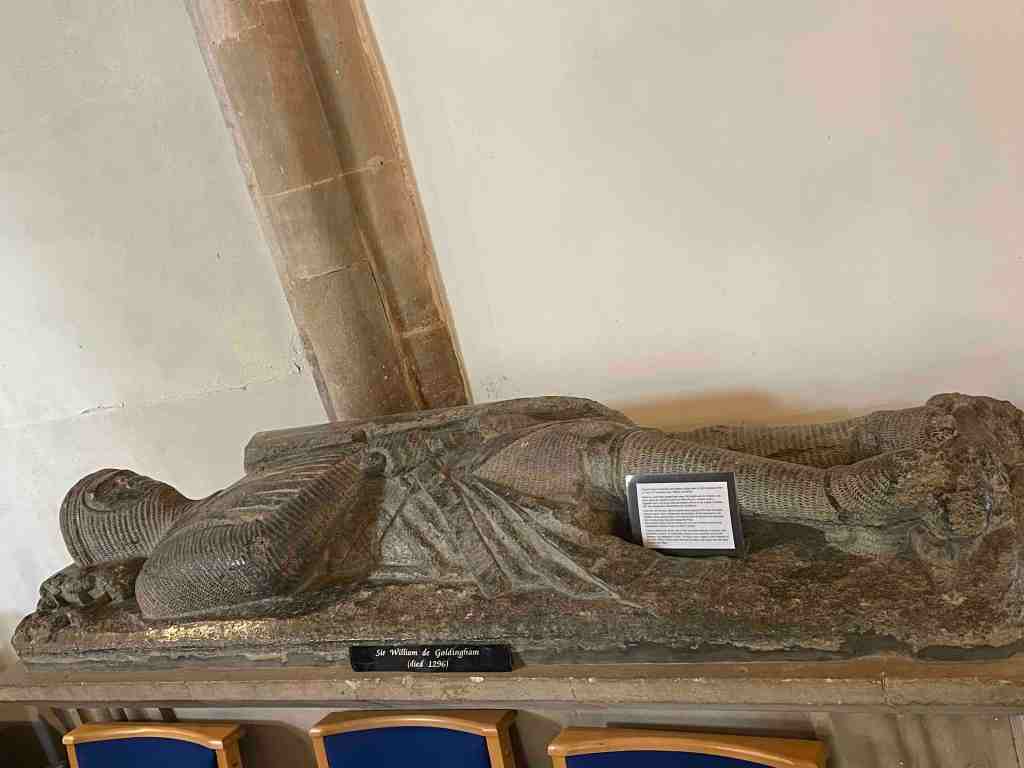
His effigy, which has been heavily restored after a fire, originally lay in the Church of St. Peter within Rushton Manor. The statue once depicted Sir Thomas wearing the long black mantle of the Hospitallers, with the white flory cross over his heart—symbolizing his dedication to the order. Beside him lies another effigy believed to be that of a medieval crusader, possibly William de Goldingham, though historical records cast doubt on whether he actually participated in the Crusades.
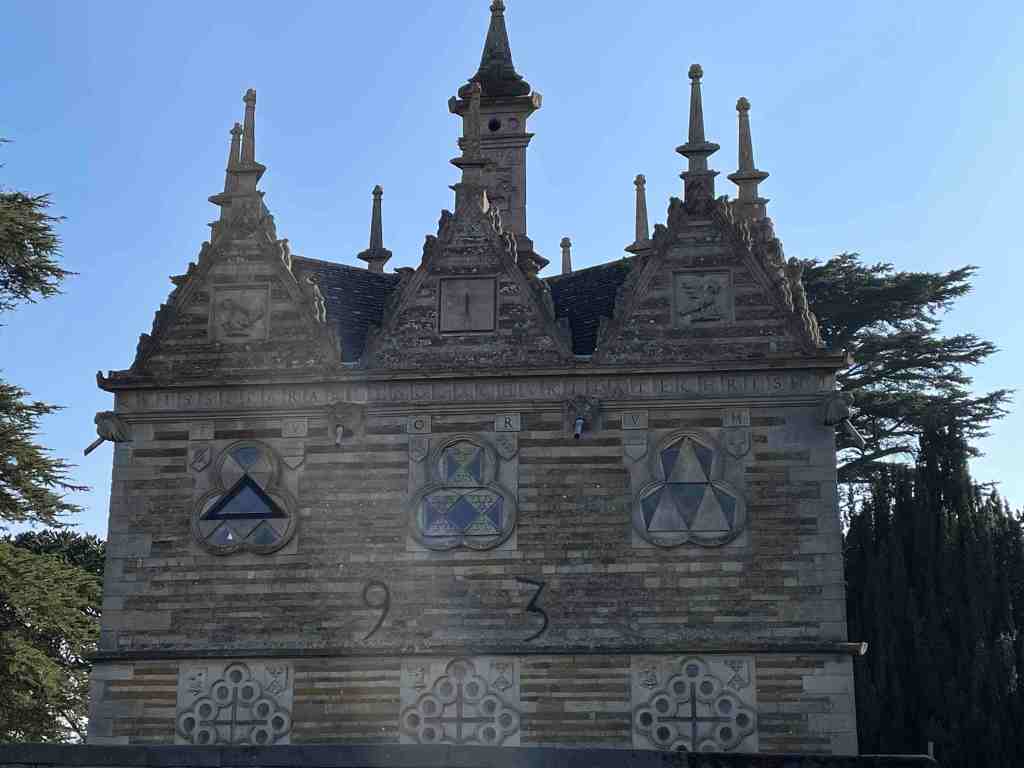
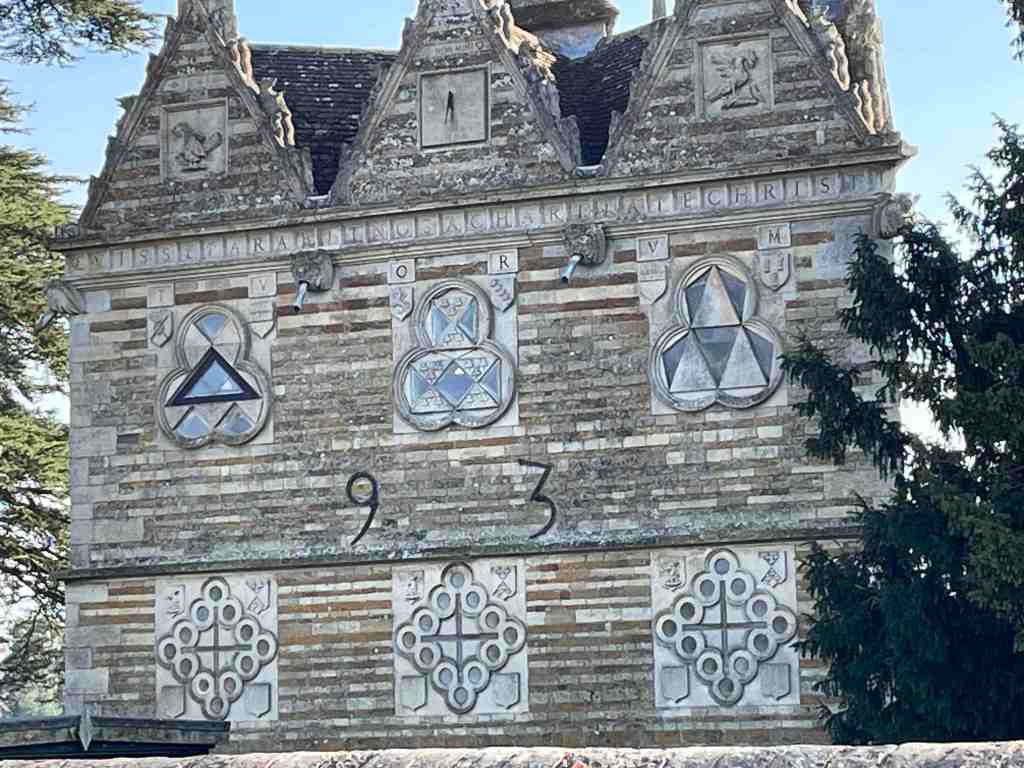
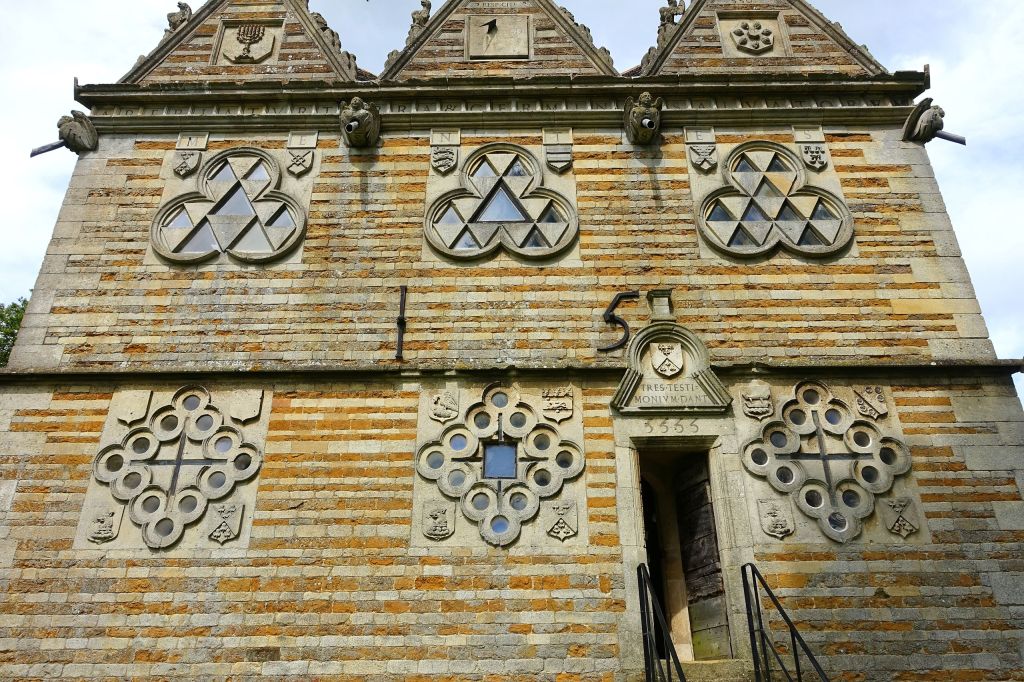
Beyond his role in the order, Sir Thomas Tresham left behind an architectural enigma—Rushton’s mysterious Triangular Lodge. Located within the manor of Rushton Hall, the lodge is a striking testament to Tresham’s religious devotion and fascination with symbolism. The number three, representing the Holy Trinity, dominates the structure: it has three walls, each 33 feet long, three triangular windows per side, three gargoyles, and three floors. Inscriptions on the exterior quote Latin biblical passages, reinforcing the religious significance of the design.

A Lasting Legacy
The Hospitallers’ influence in Northamptonshire extends beyond Dingley and Rushton. The village of Bradden also hosted a preceptory, while further traces can be found in Harrington, Blakesley, and Guilsborough. Though centuries have passed since their dissolution, the legacy of the Knights Hospitallers remains woven into the fabric of the region, hidden in its churches, manor houses, and cryptic landmarks.
In our next exploration, we will delve deeper into Bradden and its own chapter of Hospitaller history, uncovering yet another layer of this medieval mystery.
To learn more about the Knights Templar, Knights Hospitaller & The Knights of Lazarus Head over to our main website here
Check out our Knights Gift Store also, for your Knight Replica Armour, Swords and Gifts check out our store here
 TheTemplars.Co.Uk