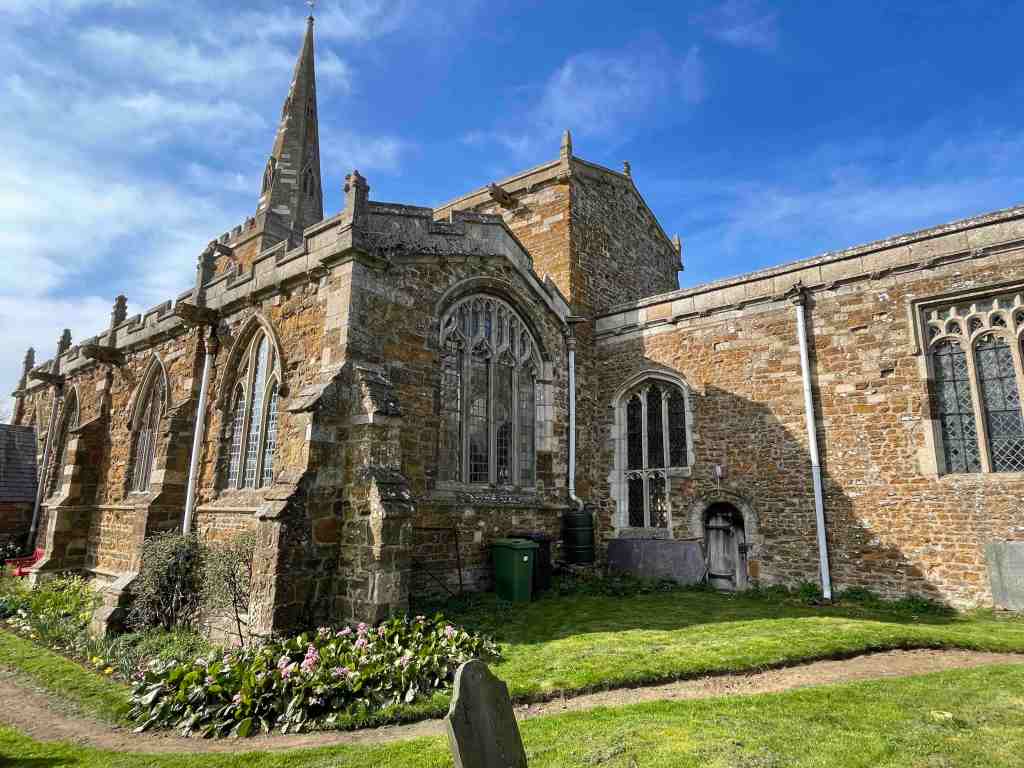
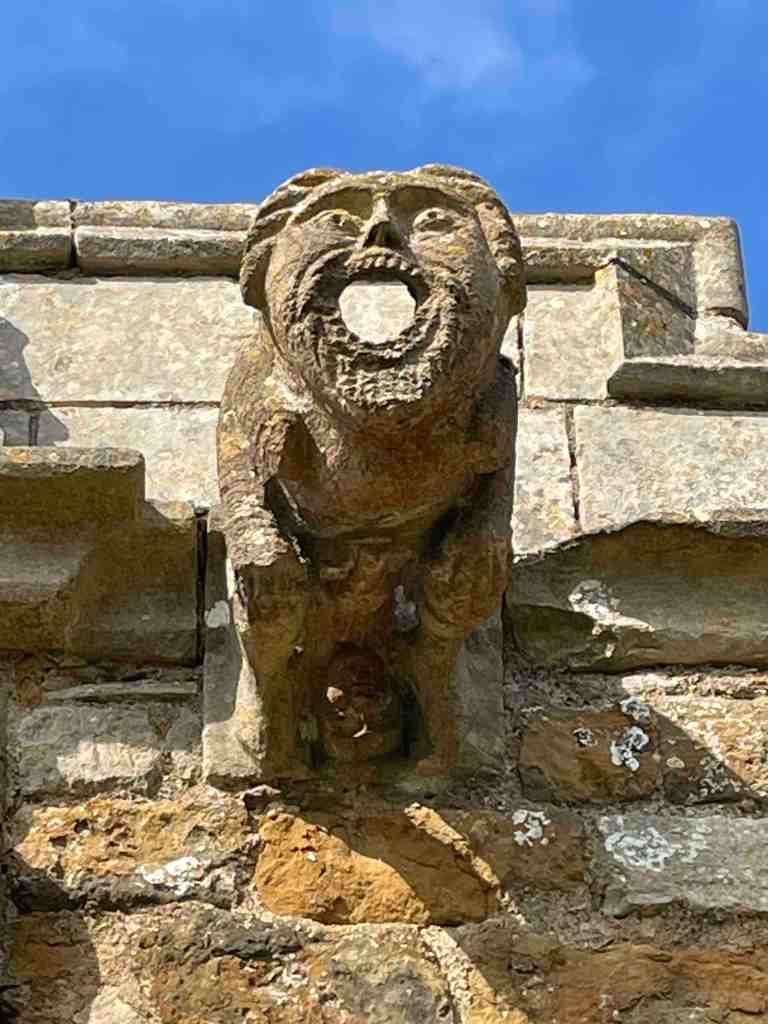


Nestled in the rolling Leicestershire countryside lies the village of Tilton on the Hill—peaceful, picturesque, and steeped in a history that reaches back through centuries. But behind the quiet charm of this rural parish lies a fascinating and often overlooked legacy: the presence of the Knights of St. Lazarus.
While many have heard of the Templars or the Hospitallers, the Order of St. Lazarus stands apart for its unique mission of care, compassion, and chivalry—and Tilton played a part in that noble cause.
⚔ Who Were the Knights of St. Lazarus?
Formed during the 12th century in the Holy Land, the Order of St. Lazarus began as a religious and military brotherhood with a very specific purpose: to care for sufferers of leprosy.
Unlike most knightly orders of the Crusading period, the Lazarites were not just warriors—they were healers and caretakers. Many of their members were lepers themselves, bound by vows of service to tend to the sick and outcast in a time when society largely abandoned them.
Their iconic green cross came to symbolise hope, charity, and healing, and as the order expanded into Europe, they established priories and commanderies to support their mission.
🏰 Tilton on the Hill: A Commandery of Care
In the heart of England, Tilton on the Hill became home to one such commanderies—an estate granted to the Order of St. Lazarus to manage land, care for the ill, and provide sanctuary. While little physical evidence remains today, historical records point to the order’s established presence in Tilton during the medieval period.
Their role here would have combined both the spiritual and practical: managing farmland to support their charitable work, providing hospitality, and possibly even caring for local lepers and the poor. These outposts were lifelines, sustaining the order’s work across Christendom.
The very landscape of Tilton would once have echoed with the footsteps of Lazarite brothers—knights who chose service over glory, and healing over conquest.
🔍 Where Was the Preceptory? Tilton’s Medieval Mystery
The exact location of the Knights of St. Lazarus Preceptory at Tilton on the Hill remains a subject of ongoing debate—even to this day. Two potential sites have been identified, and each has its champions.
🏰 Site One: The Moat
The first contender is a site known locally as “the Moat”—the overgrown remains of what was once a 13th-century medieval moated manor house. Though nature has reclaimed much of it, the outline of the moat and surrounding earthworks are still clearly visible. Nearby lies a medieval pond, called “the Dam” by locals, which was likely formed by damming a local stream using a large piece of granite—an impressive feat of medieval engineering.
This site, with its visible fortifications and proximity to medieval water management features, offers a compelling case for having housed the Lazarite commandery.


🏠 Site Two: The Manor House Grounds
The second possible location sits just adjacent to the moat—on the grounds where the current Manor House now stands. Believed to be constructed on the site of an even earlier medieval dwelling, this area also shows signs of historic earthworks and includes what may have once been a medieval fishpond, a common feature of monastic or knightly estates.
Intriguingly, an outbuilding still standing today on the property is known locally as “the Chapel.” While its origins remain uncertain, many believe it could have been a structure associated with the former preceptory—perhaps even a chapel used by the knights themselves.

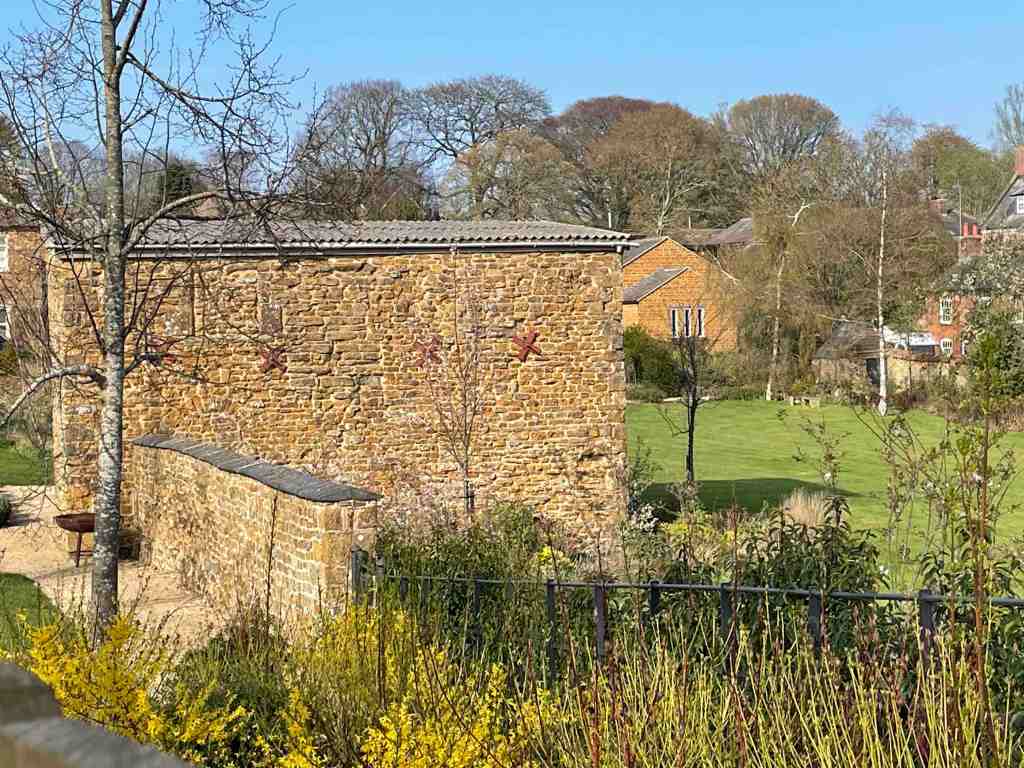
Despite the years of research and local lore, the true location of the Preceptory of the Knights of St. Lazarus at Tilton remains a mystery. Was it the fortified moated manor near the dam? Or was it where the Manor House now stands, marked by its enigmatic “chapel”?
One thing is certain—both sites hold layers of history that continue to spark curiosity, debate, and a sense of wonder about Tilton’s medieval past.
🌱 A Legacy of Quiet Nobility
The Knights of St. Lazarus remained active for centuries, enduring war, plague, and political upheaval. Though their military role declined after the Crusades, their mission of healing and mercy never wavered.
Tilton’s connection to the order may not have left behind castles or grand ruins, but its historical footprint is just as significant—a reminder that even small villages were part of a network of faith, courage, and compassion that stretched across medieval Europe.
Today, the Order of St. Lazarus continues in modern form as a charitable organisation, dedicated to medical aid, humanitarian work, and preserving history—echoing the values that once shaped life in Tilton on the Hill.
🕯 Tilton’s Forgotten Knights
The story of the Knights of St. Lazarus at Tilton is a powerful reminder that history isn’t just found in museums or monuments—it’s woven into the very soil of our towns and villages. And sometimes, the most extraordinary stories are hidden in the most peaceful places.
So next time you visit Tilton on the Hill, take a moment to imagine a time when knights in green crosses walked the land—not as conquerors, but as carers, bringing light to the darkest corners of medieval life.
 TheTemplars.Co.Uk