
The Knights Hospitallers and Templars in Nottinghamshire: A Medieval Legacy
In medieval times, much of the Midlands was made up of small villages surrounded by open fields used for agriculture. By the 12th century, however, these areas had become densely populated, and both the Knights Templar and the Knights Hospitaller established estates across the region.
While the Templars held a few properties in the northern Midlands—including estates in Derby, Nottinghamshire, and Rutland—these were mostly managed from their preceptory in Lincolnshire. In Nottingham, for example, the Templars controlled a mill at Girton and a small tenement in Newark.
It was the Knights Hospitallers, however, who dominated the landscape in Nottinghamshire, holding the majority of estates such as Ossington and Winkburn, along with several churches linked to these holdings.
Ossington Commandery: The Hospitaller Heartland

Nestled in the Nottinghamshire countryside, the Ossington Commandery was founded by the Knights Hospitallers in the mid-12th century and played a key role in their network of medieval estates.
In the late 12th century, the manor of Ossington was granted to the Hospitallers by Roger de Buron. However, Roger later joined the Cluniac priory of Lenton and controversially gave the same land to them, leading to a prolonged legal dispute. The conflict was settled in 1204 when Roger’s son, Walter de Buron, confirmed the original grant to the Hospitallers.
At its peak, Ossington managed around 600 acres and held additional lands in Danethorpe, Kneesall, and Winkburn. By 1230, it had also acquired the churches of Marnham and Sibthorpe, confirmed by Walter de Gray, Archbishop of York. The commandery also controlled the Winkburn Camera—a smaller satellite estate used for administrative visits.
In 1382, Ossington came under the control of the larger commandery at Newland in Yorkshire. Although no medieval buildings remain today, the 18th-century Church of the Holy Rood is believed to stand on or near the original site. The legacy of Ossington remains an important part of the Knights Hospitallers’ history in England.
Churches under Ossington’s Advowson
Averham: The Church of St Michael
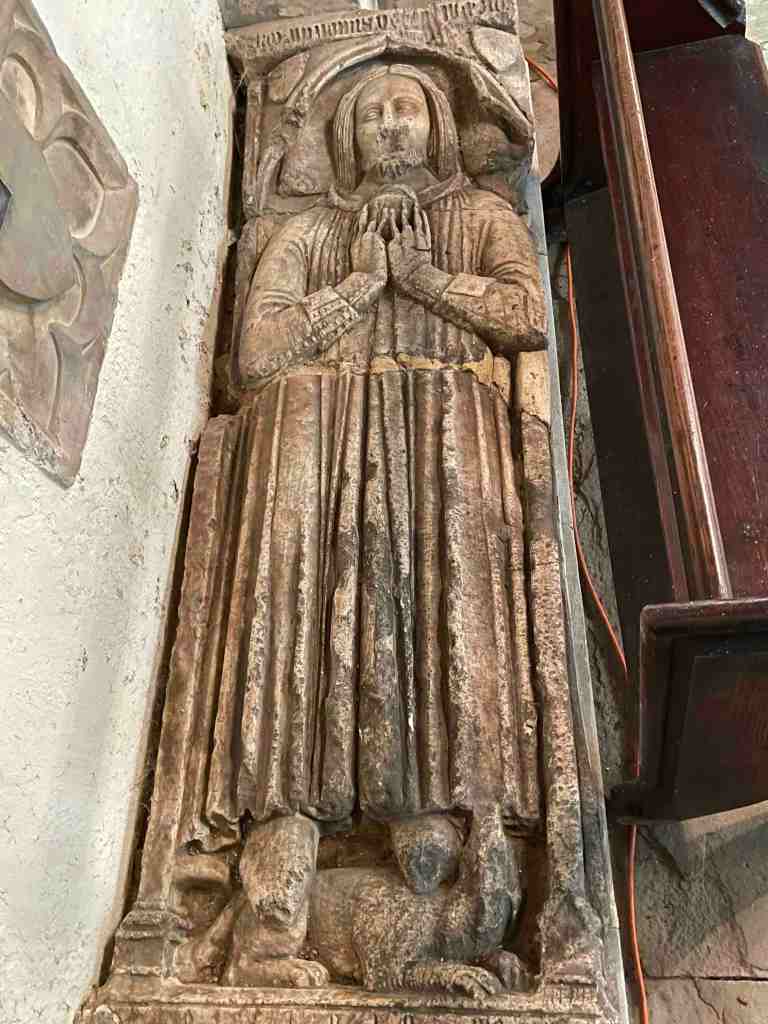
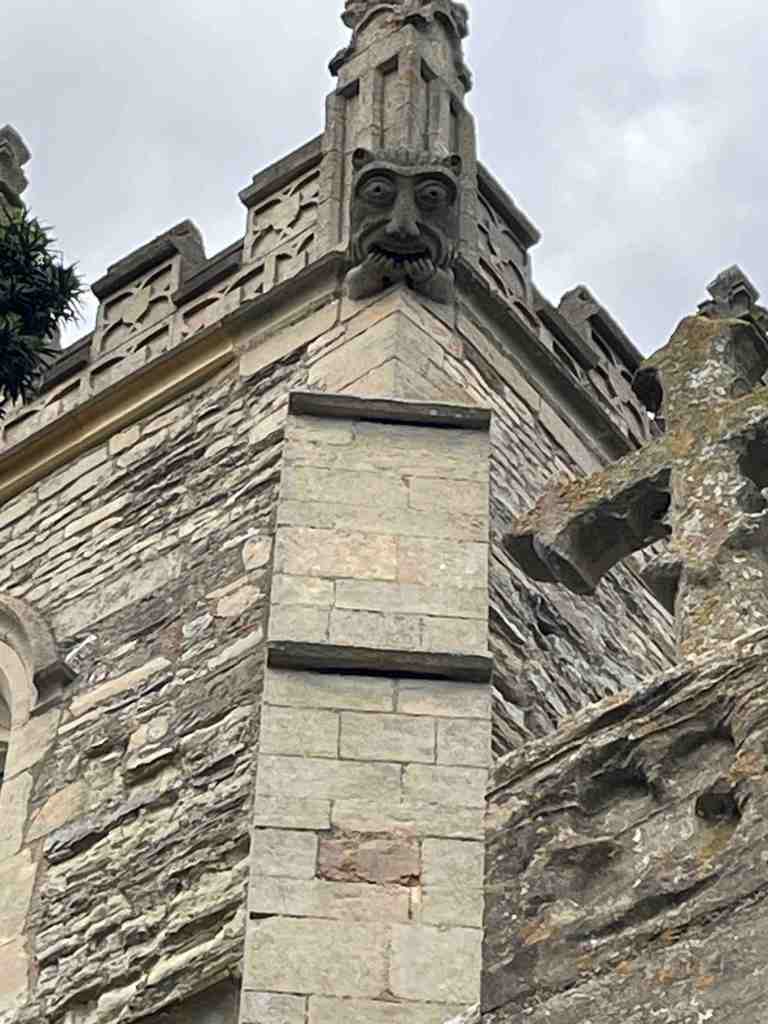
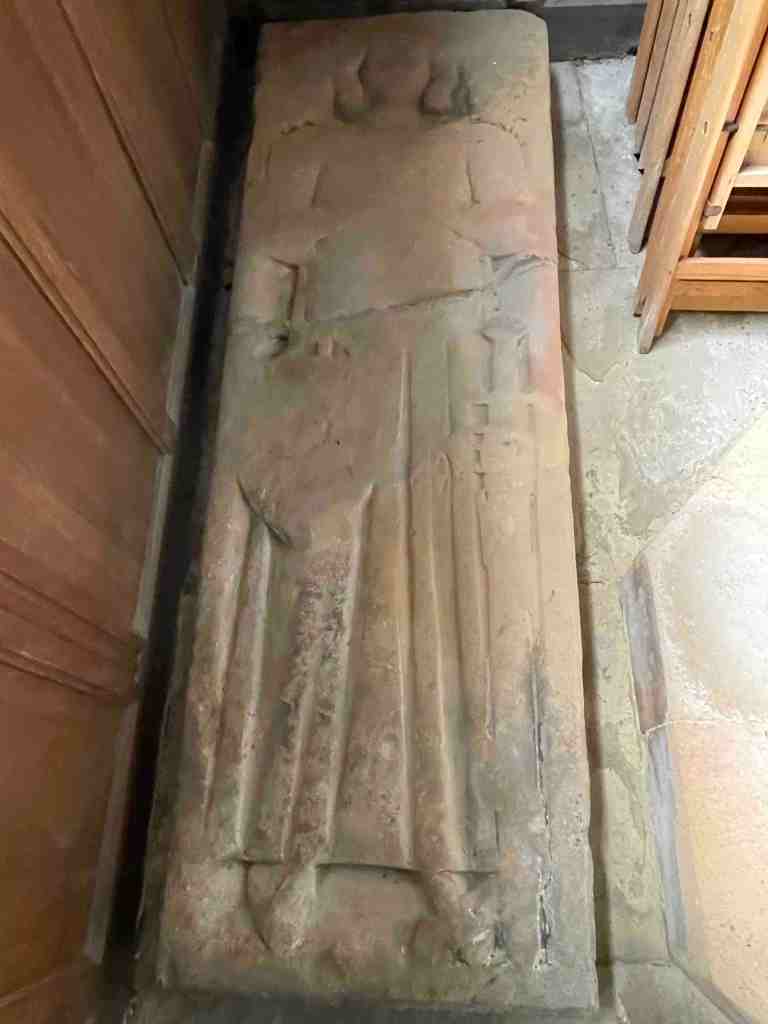
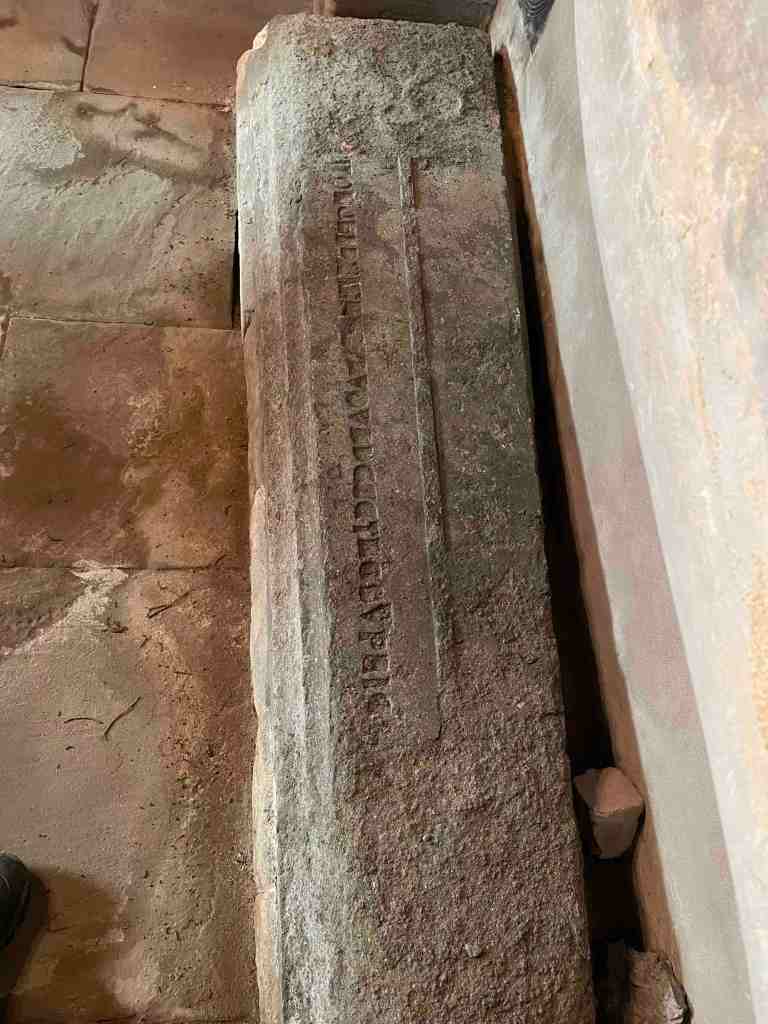
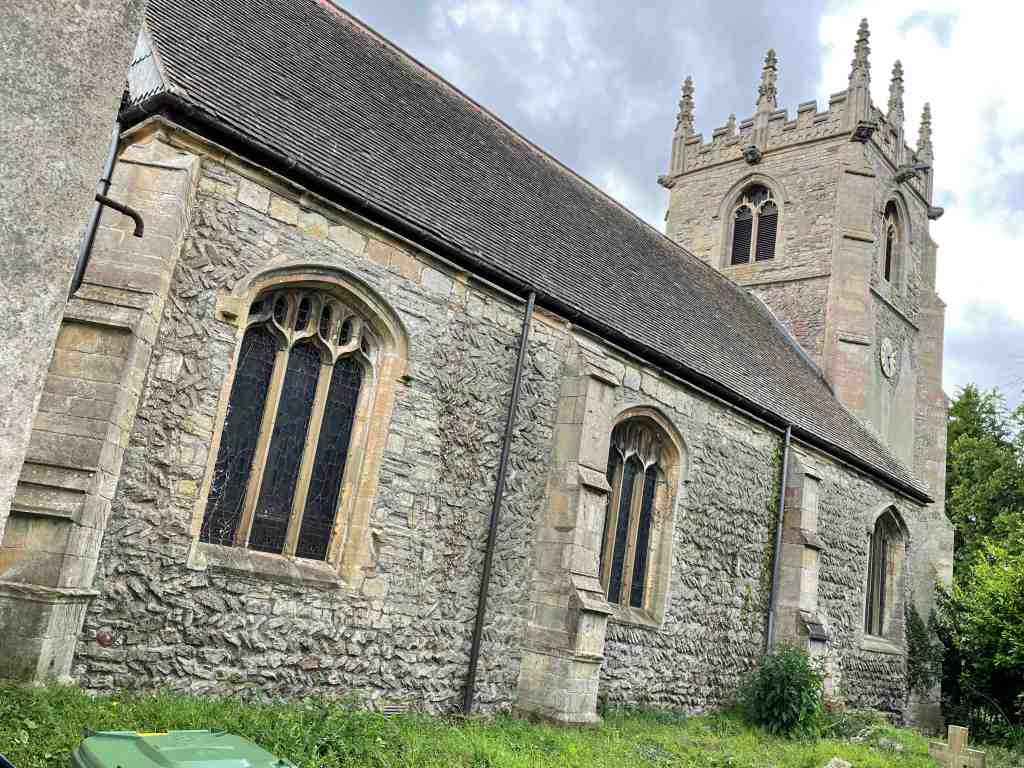
Before 1199, the Church of St Michael at Averham was granted to the Ossington Commandery by Henry Hosatus. The church still features Norman herringbone masonry in its tower and walls, showcasing its ancient origins.
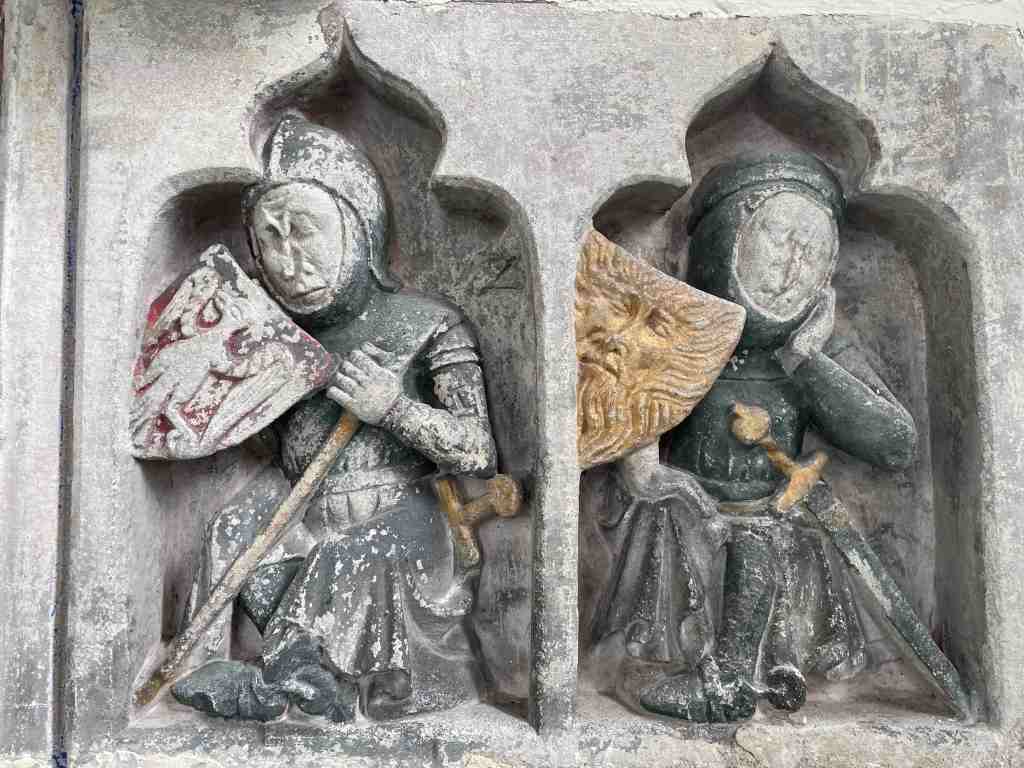
Inside, several stone effigies of unidentified knights—likely Hospitallers—offer a fascinating glimpse into the medieval past. The best-preserved effigy near the south porch closely resembles those found at other Hospitaller sites like Temple Bruer and Rothley Temple.
Another effigy near the chancel depicts a knight holding his heart, a symbolic gesture also seen at Hampton-in-Arden, suggesting medieval burial practices where knights wished their hearts to be interred separately.
Tucked Away in Stone: A Subtle Sign of the Hospitallers
Hidden within the stonework of the piscina on the southern wall of the nave lies a fascinating detail—a faintly etched carving of the Knights Hospitaller’s distinctive symbol. Though easy to overlook, this subtle mark offers yet another piece of evidence pointing to the Order’s enduring presence within the church. It serves as a quiet testament to the Hospitallers’ influence and their deep dedication to both faith and place.

Beyond the church, the peaceful River Trent flows quietly, adding to the tranquil historic setting.
Sibthorpe: Templars, Hospitallers, and a Lost College

The Church of St Peter at Sibthorpe boasts a rich history linked to both the Knights Templar and Hospitallers. Before 1230, Walter de Gray, Archbishop of York, granted the church to the Templars’ preceptory at Eagle in Lincolnshire.
After the Templars were dissolved in the early 14th century, St Peter’s passed to the Hospitallers. In 1327, Sir Thomas de Sibthorpe, then rector of Beckingham, began enlarging the church. By 1341, he secured the church’s advowson from the Hospitallers in exchange for lands in Berkshire and Somerset.
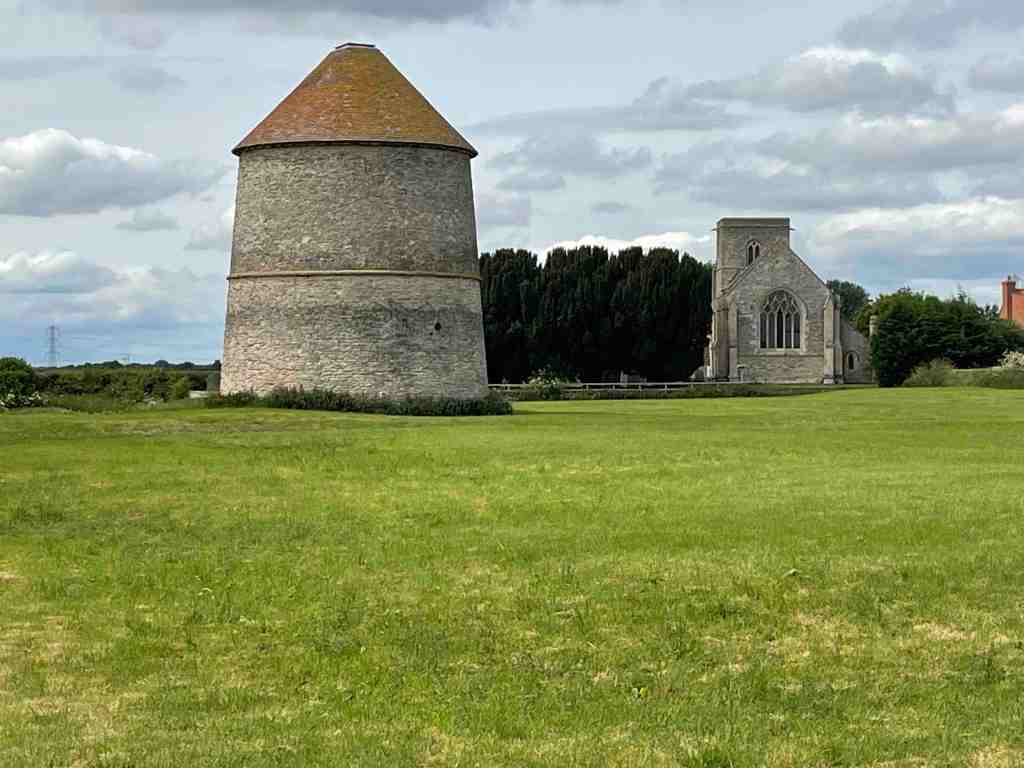
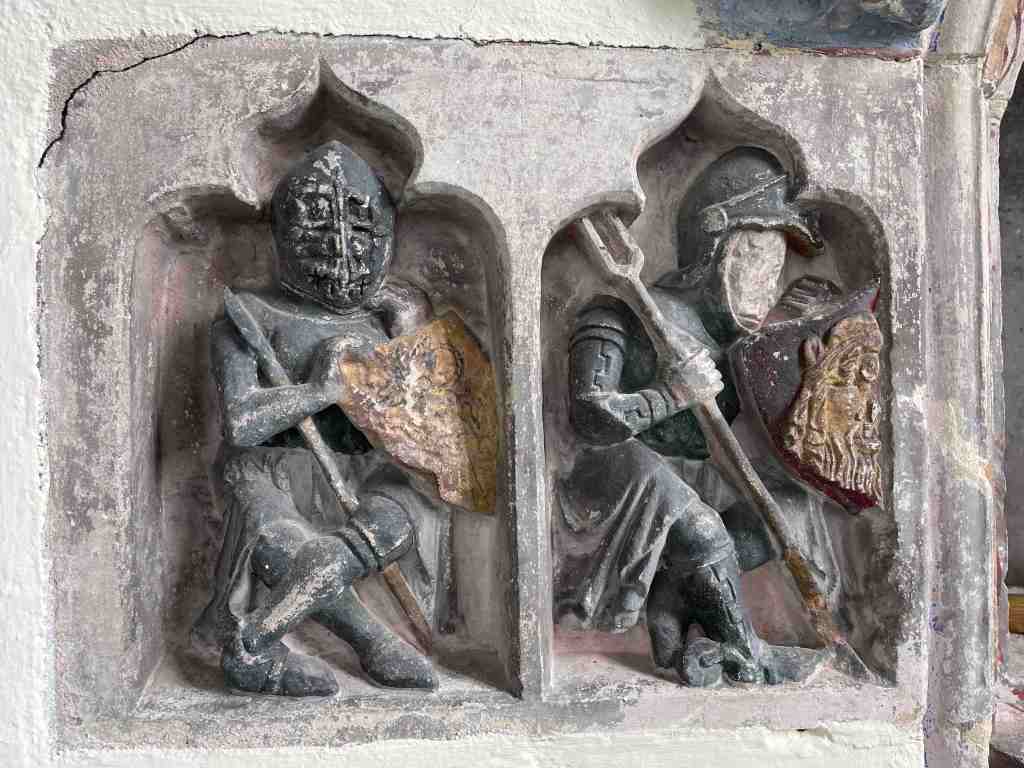
Inside, an Easter Sepulchre flanked by two knight effigies may reflect the church’s Hospitaller connections. Nearby medieval features include a well-preserved dovecote and earthworks. A college founded in 1341 housed eight priests and two clerks; its buildings likely stood east of the church where earthworks and fishponds remain today.

Winkburn: A Hospitaller Camera and Its Legacy

After 1199, Adam Tyson granted the Manor of Winkburn—some 600 acres—to the Hospitallers, who established a Camera here. A camera was a smaller estate linked to a larger preceptory, and in this case, Winkburn was managed from Ossington about five miles away.
Henry Hosatus also granted the Hospitallers the churches of Winkburn and Averham, extending their influence in Nottinghamshire.
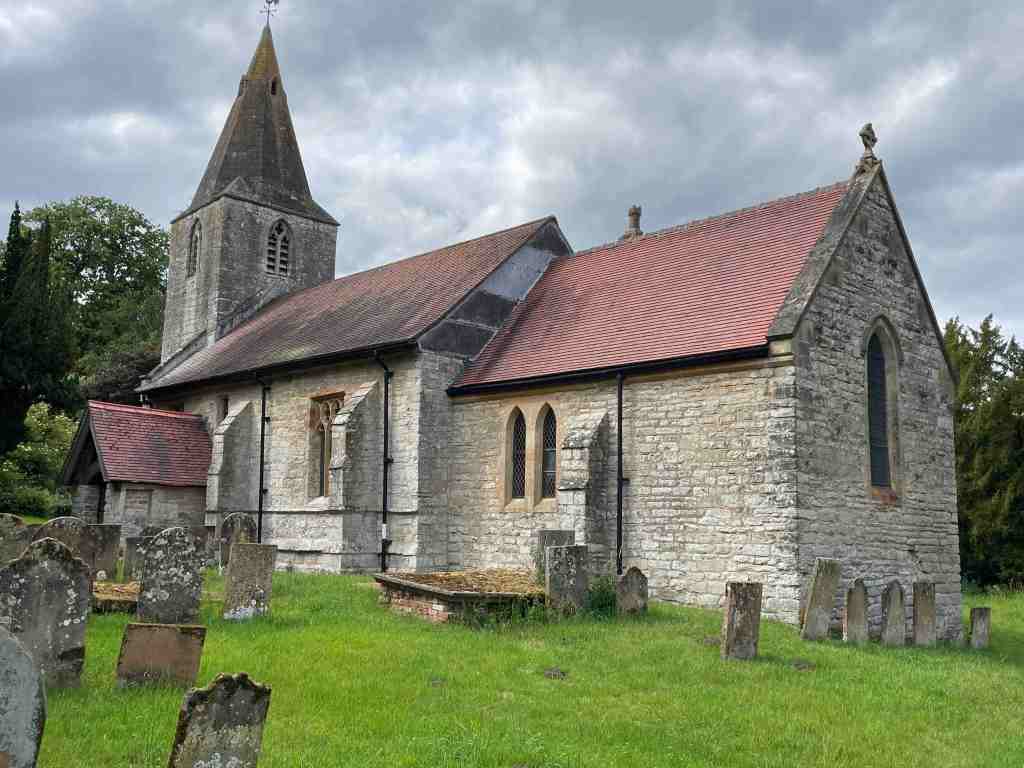
Today, the Church of St John of Jerusalem at Winkburn still stands beside the elegant 18th-century Winkburn Hall, which likely occupies the site of the original Hospitaller hospital or residence.
The Winkburn Camera also held the advowson of the local church of St Radegund—originally known as the Church of St John until renamed in 1895—further highlighting the Order’s ecclesiastical presence in the area.


To Learn More about the Knights Hospitallers in Dingley Northamptonshire – Please read our blog page here
 TheTemplars.Co.Uk