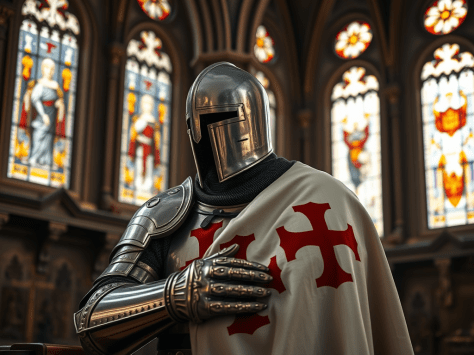
The Knights Templar in Shropshire: A Forgotten Legacy
The Knights Templar, an order shrouded in mystery, held several estates across Shropshire, gifted to them by noble families such as the Fitz-Alans and the Costellos. These lands were managed from Lydley Preceptory (also known as Lydley Heys), located near the ancient Watling Street, a key Roman road.
A Growing Templar Presence
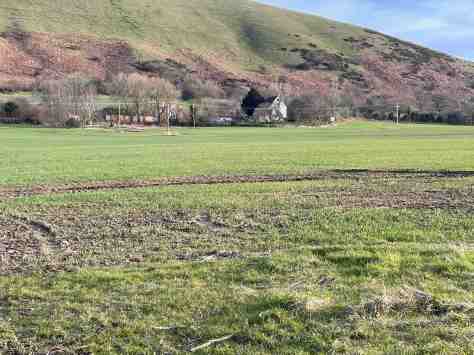
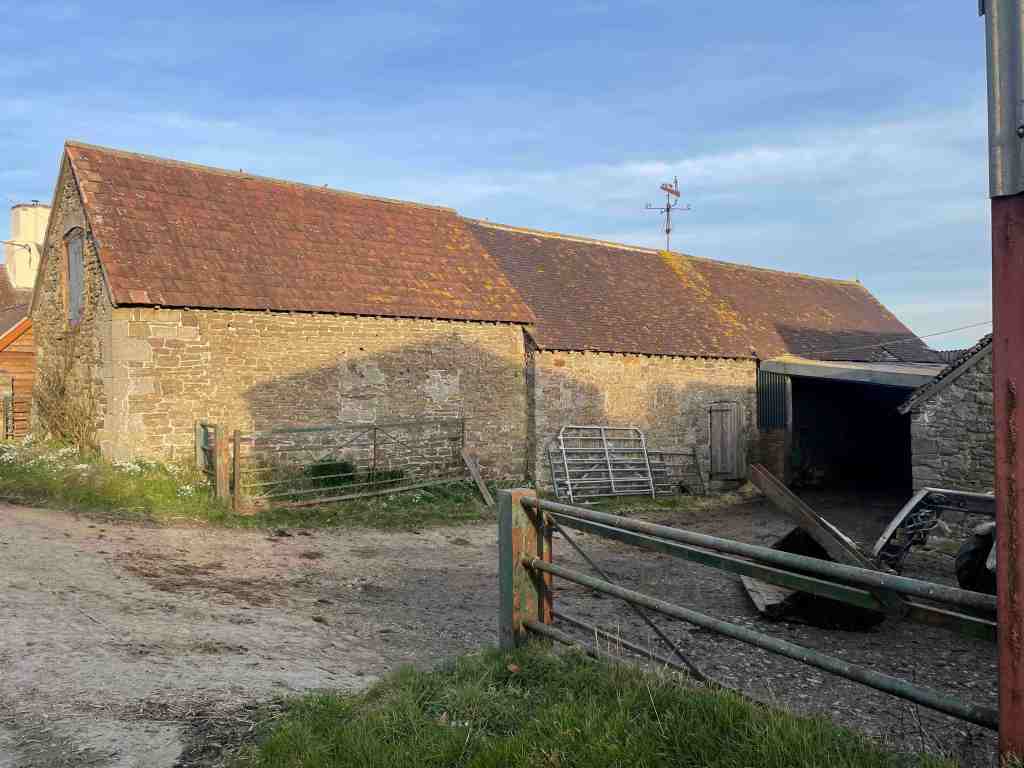
The exact founding date of Lydley Preceptory is unclear, but records suggest that by 1158, the Templars had already established themselves in the region. By 1185, they had built a mill in the hamlet of Lydley and maintained several fish ponds, common features of Templar estates. The main preceptory is believed to have stood on the site of what is now Penkridge Hall, a remote farmstead to the southeast.
With a ploughman, forester, and other permanent staff, the Templars managed their expanding lands. They also acquired Cardington and Enchmarsh, granted by William Fitz-Alan, both situated at the foot of Caer Caradoc, between Wenlock Edge and the Long Mynd—heavily wooded areas during the Templars’ time.
The Templars Shape the Landscape
Realizing the potential of the land, by 1185, the Templars had cleared over 170 acres of forest, built a mill, and settled over 45 tenants across Cardington, Enchmarsh, and Chattel. However, their presence was not always welcomed.
In 1274, tensions with local noble Sir John Giffard escalated when his men ambushed Templar servants transporting oats to Ludlow market. The attackers stole their horses, trampled the grain into the ground, and made off with their haul. This hostility, however, did not weaken the Templars’ hold on the region.
By 1167, Cardington was even known as Templars’ Cardington, with local people enjoying privileges associated with the order. However, the King’s Justice of the Forest fined them three times—in 1167, 1187, and 1200—for illegally cutting trees. In 1187 and 1200, the Templars successfully argued their case, claiming exemption from taxation and fines, forcing the judge to drop the charges.
The Templar Church & Mill
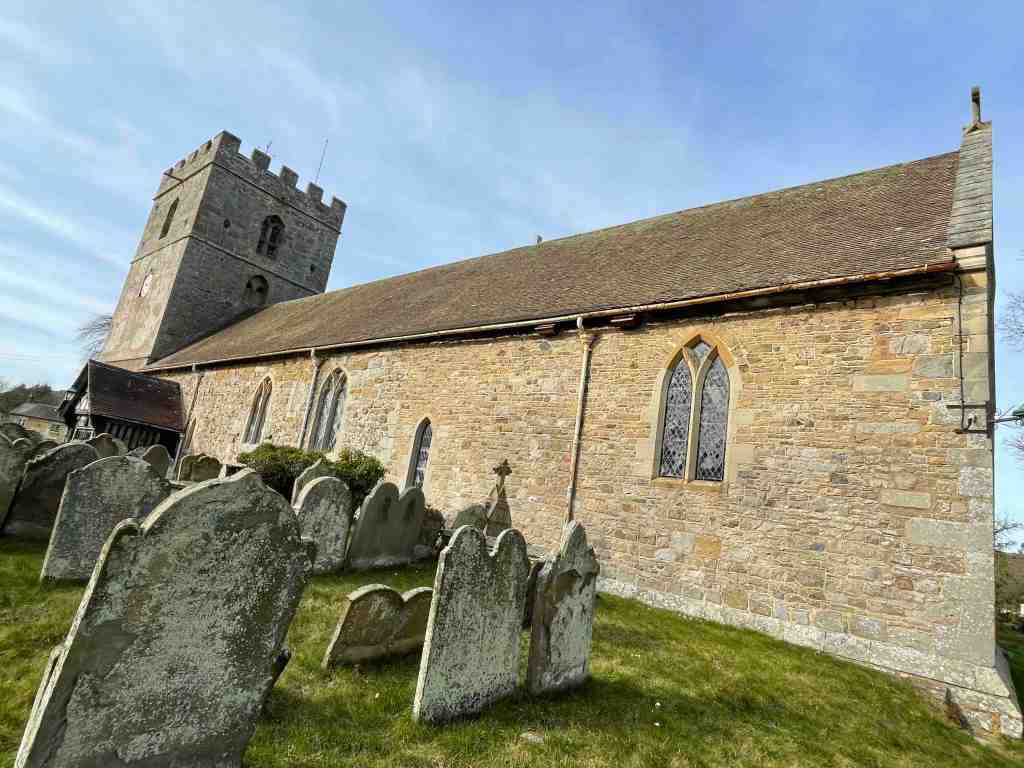
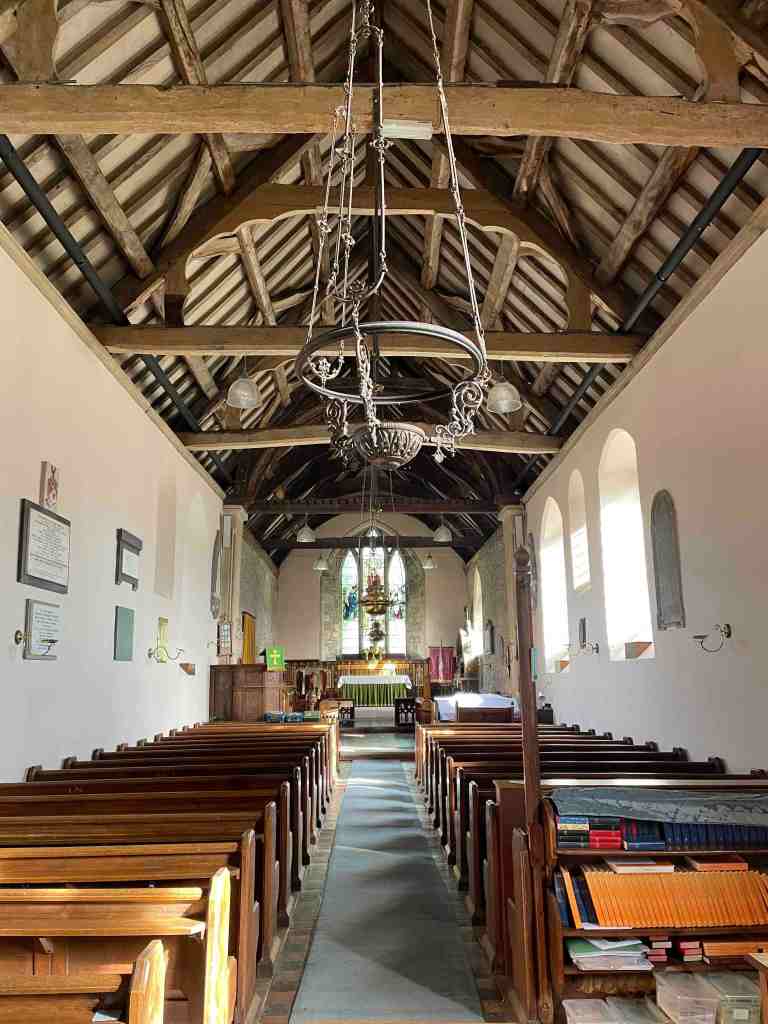
The parish church of St James at Cardington was originally overseen by a rector, but over time, the Templars gained control, with their prior becoming the rector. However, as a military knight and not a priest, he could not conduct religious services. Instead, he collected church income and paid a poor priest a small wage to serve as vicar.
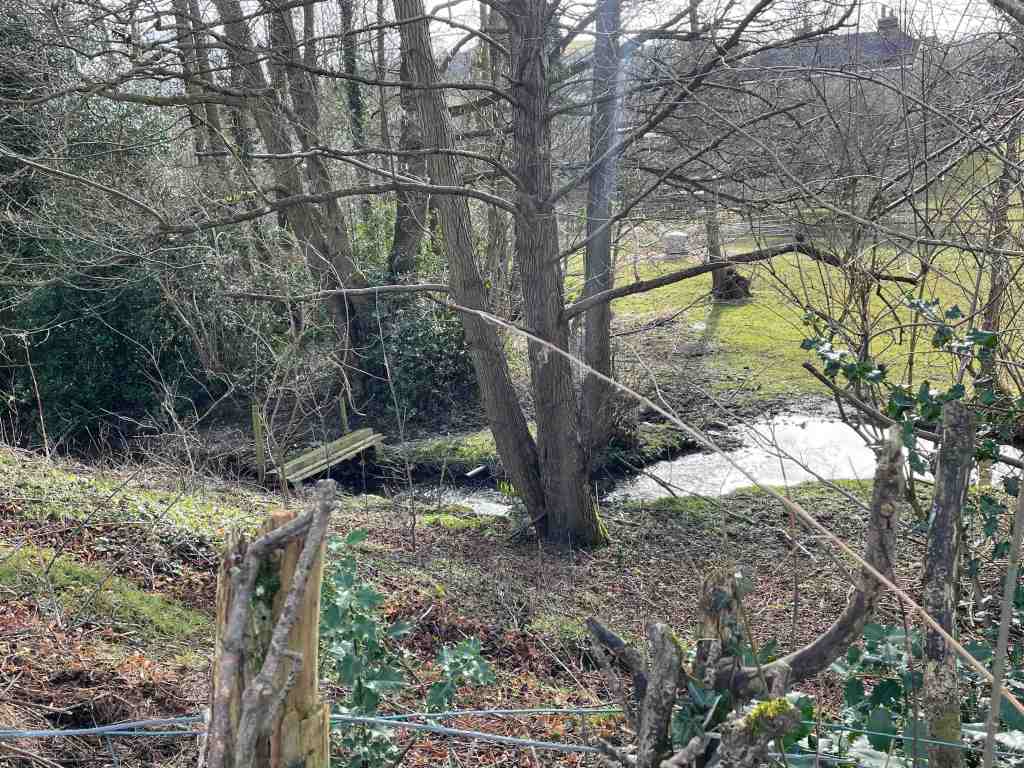
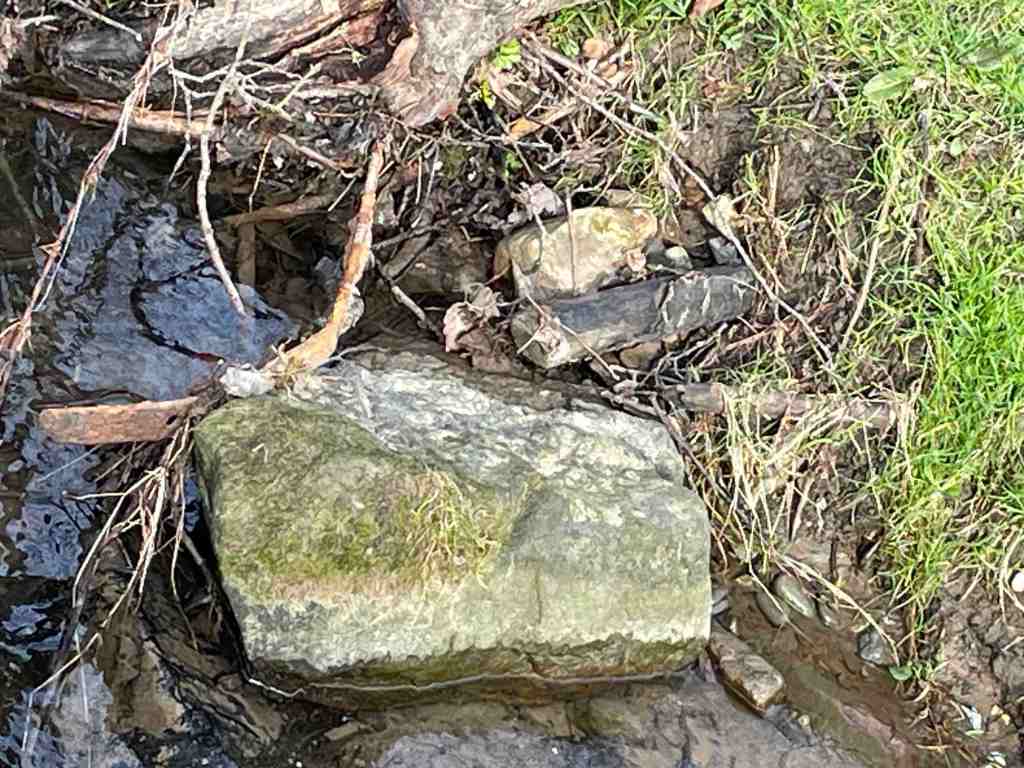
The Templars also owned a mill near the church, likely similar to the Temple Balsall mill. While the mill has long since disappeared, remnants of its structure may still be found today.
Known Templars of Lydley Preceptory
Historical records identify several Templars who served at Lydley Preceptory, including:
- Althon (Halthon) (1308)
- Henry of Karvyle (Michael de)
- Stephen of Stapelbrugge (Stalbridge) (1292)
- Richard Lovel (1273)
- John de Houton (1261)
Links to Ludlow Castle
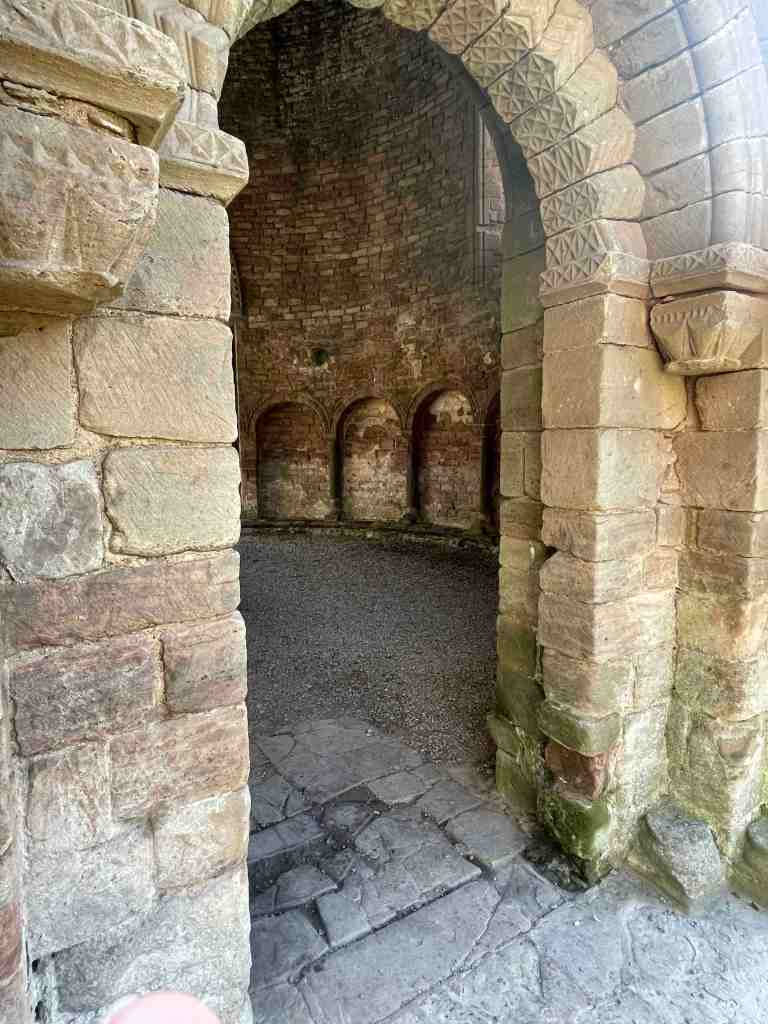
Just 20 miles from Lydley Preceptory stands Ludlow Castle, a site with possible Templar connections. Built in the early 12th century, the castle was owned by the De Lacy family, notable benefactors of the Templars. It features one of the few round chapels in England, the Norman Chapel of St Mary Magdalene.

Some historians believe this chapel may have been inspired by the Church of the Holy Sepulchre in Jerusalem—a common Templar architectural influence. Though not officially recognized as a Templar church, the De Lacy family’s deep ties to the order raise the possibility that local Templars may have worshipped there. Later, the castle passed to the Mortimer family, another major patron of the Templars.

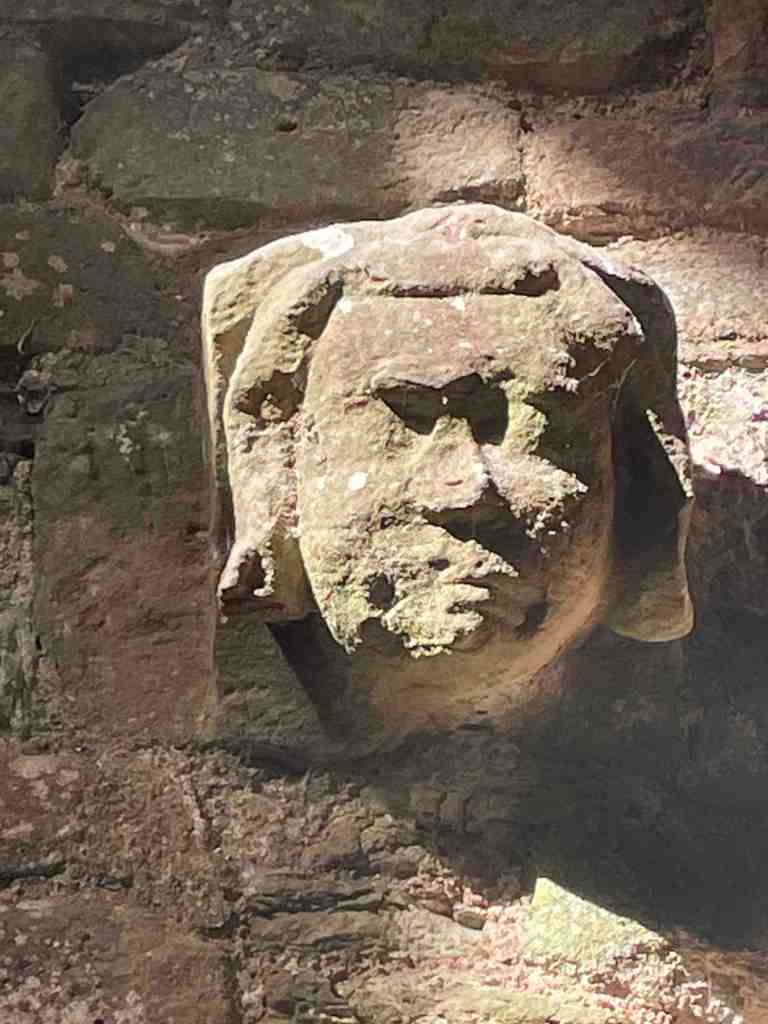

A Legacy Fading into History
Today, little visible evidence of the Templars’ influence remains in Shropshire. While St James’ Church in Cardington still stands, its Templar history has largely faded. The mill has long since disappeared, though traces may still be uncovered.
Despite this, the Templars’ mark on the landscape, their conflicts with local lords, and their deep connection to Shropshire’s history endure—whispered through the ruins, forests, and forgotten paths they once controlled.
Learn More about the Knights Templars in Shropshire further on our main website by clicking here
 TheTemplars.Co.Uk