APRIL 2026
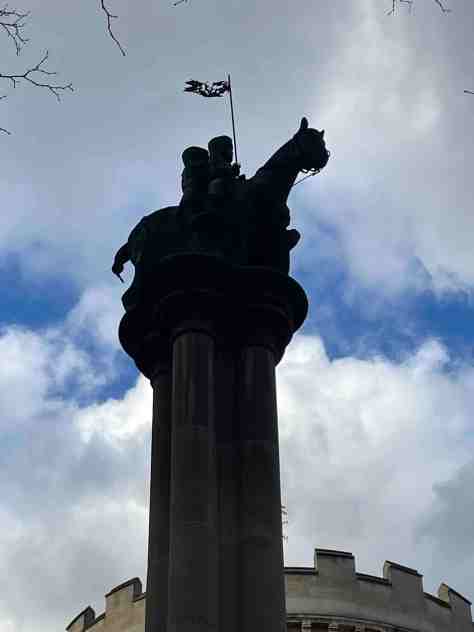
London was the principal centre of the Knights Templar in England, serving as the administrative and strategic heart of the Order’s nationwide network. The London preceptory stood above all others in the country, governing 28 subordinate preceptories and acting as the seat of the Master Templar in England, who exercised authority over the entire Order across the realm.
The Old Temple: Beginnings in Holborn (1128)
The Templars first established themselves in London in 1128, just outside Holborn Bars, on land now occupied by Southampton Buildings. This early headquarters—later known as the Old Temple—was a fortified and self-sufficient complex designed to support both the spiritual and practical life of the Order.
It included:
- A round church built from Caen stone, reflecting the Templars’ distinctive architectural style
- Gardens and orchards providing sustenance
- A boundary ditch for security
- Outbuildings and service areas
- A cemetery for the brethren
Despite its importance, the Old Temple was short-lived. It eventually passed into the possession of the Bishop of Lincoln, becoming the Bishop’s London residence—an early example of how Templar properties were absorbed into wider ecclesiastical structures.
The New Temple: Expansion and Power (1162)
In 1162, the Templars were granted a far larger and more prestigious site by the crusader Robert de Beaumont. This estate stretched between Fleet Street and the River Thames, marking a decisive expansion of their presence in London.
Relocating from Holborn, the Templars established what became known as the New Temple—an extensive riverside complex that served as the true centre of their English operations. Here resided:
- The Master Templar in England
- The Preceptor of London, who oversaw Templar lands in London and Middlesex
- Key administrative, financial, and logistical functions of the Order
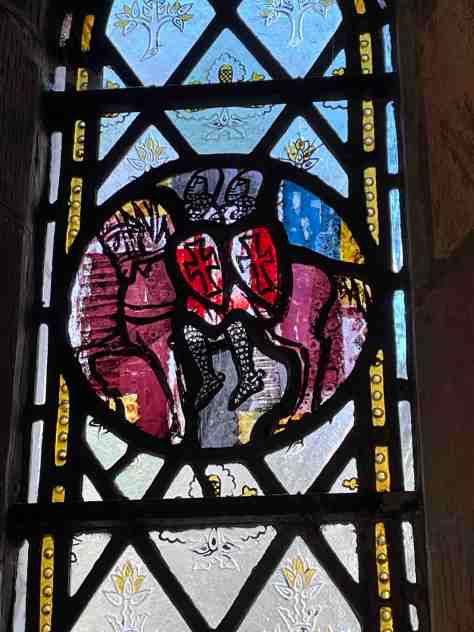
The Preceptor’s responsibilities extended to managing important assets such as mills along the River Fleet and lands including Hackney Marsh, demonstrating the Order’s deep integration into the economic life of medieval London.
Landscape, Training, and Daily Life
The New Temple was not only an administrative hub but also a carefully organised environment reflecting the Templars’ disciplined lifestyle.
Along the Thames lay open ground reserved for the brothers’ recreation—necessary because they were not permitted unrestricted access to the city itself. This area survives today as the Temple Gardens.
Adjacent to the complex was Fittes Field, a large tract of approximately 15 acres used for:
- Military exercises
- Weapons training
- Jousting and mounted drills
This ground is now occupied by the Royal Courts of Justice, a striking example of how medieval land use has been reshaped over time.
Religious Authority and Patronage
By the late 12th century, the Templars’ influence extended into ecclesiastical governance. Records from 1185 show they held the advowson (the right to appoint clergy) to several local religious sites, including:
- St Clement Danes
- The Chapel of the Holy Innocents
The latter was demolished in 1549 by Edward Seymour during the construction of Somerset House, illustrating how post-medieval development gradually erased parts of the Templars’ physical legacy.
The Temple Church: A Lasting Monument
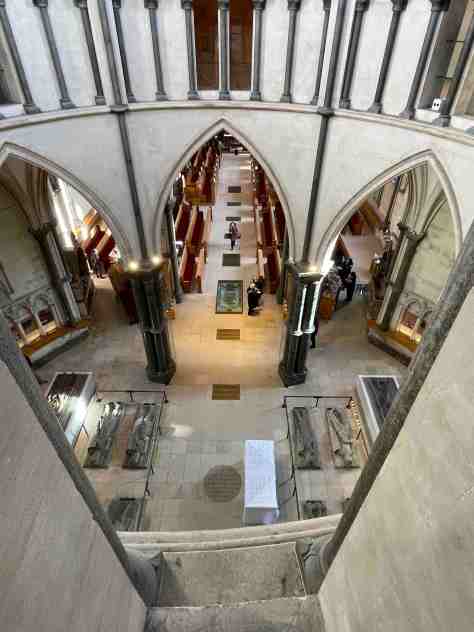
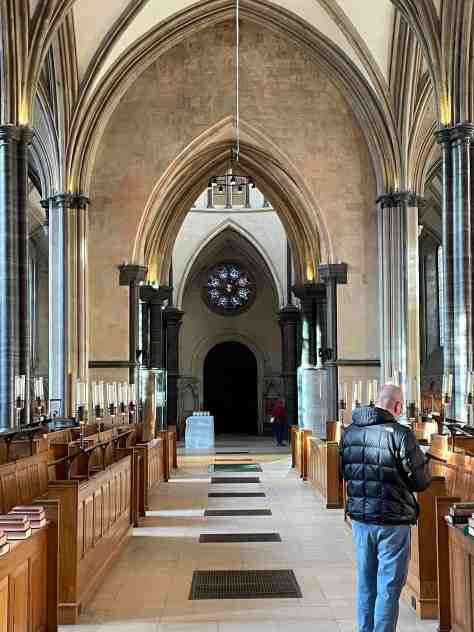
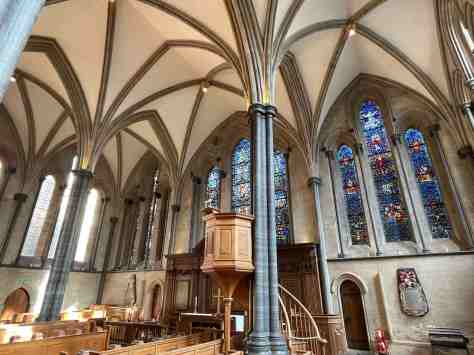
At the spiritual center of the New Temple stands the Temple Church, consecrated in 1185 and still standing today. It remains one of the most significant surviving Templar buildings in Europe.
Within the church lie the tomb effigies of several prominent knights, traditionally identified as:
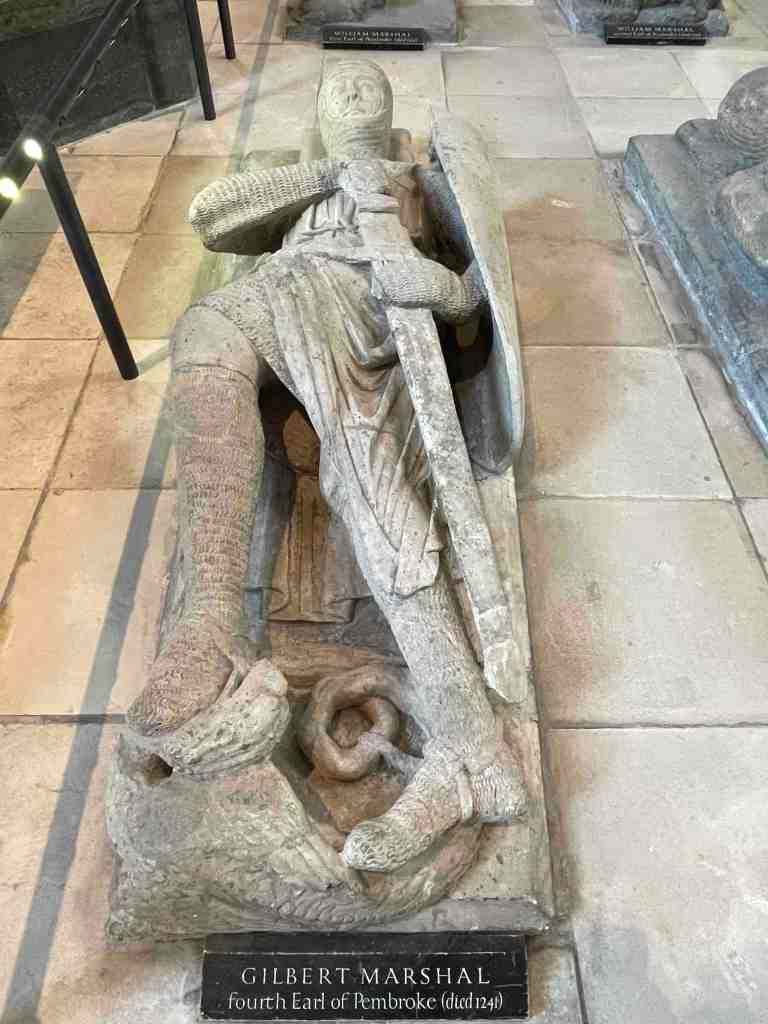
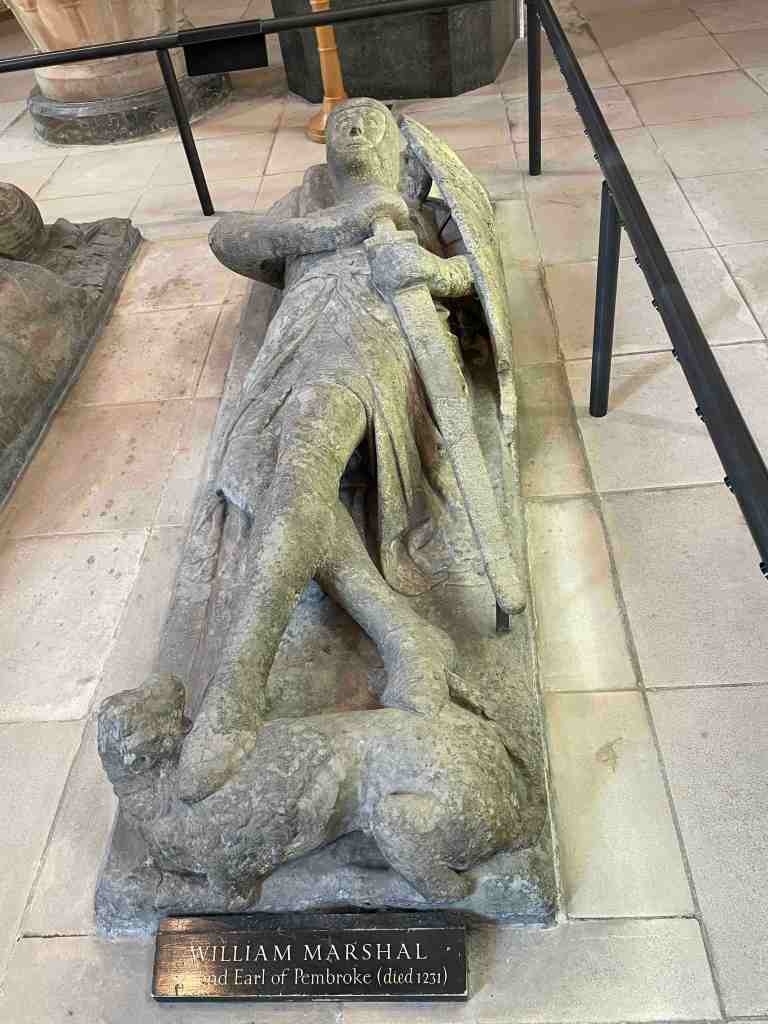
- Geoffrey de Mandeville
- Gilbert Marshal
- William Marshal
- William Marshal the Younger
- Robert de Ros
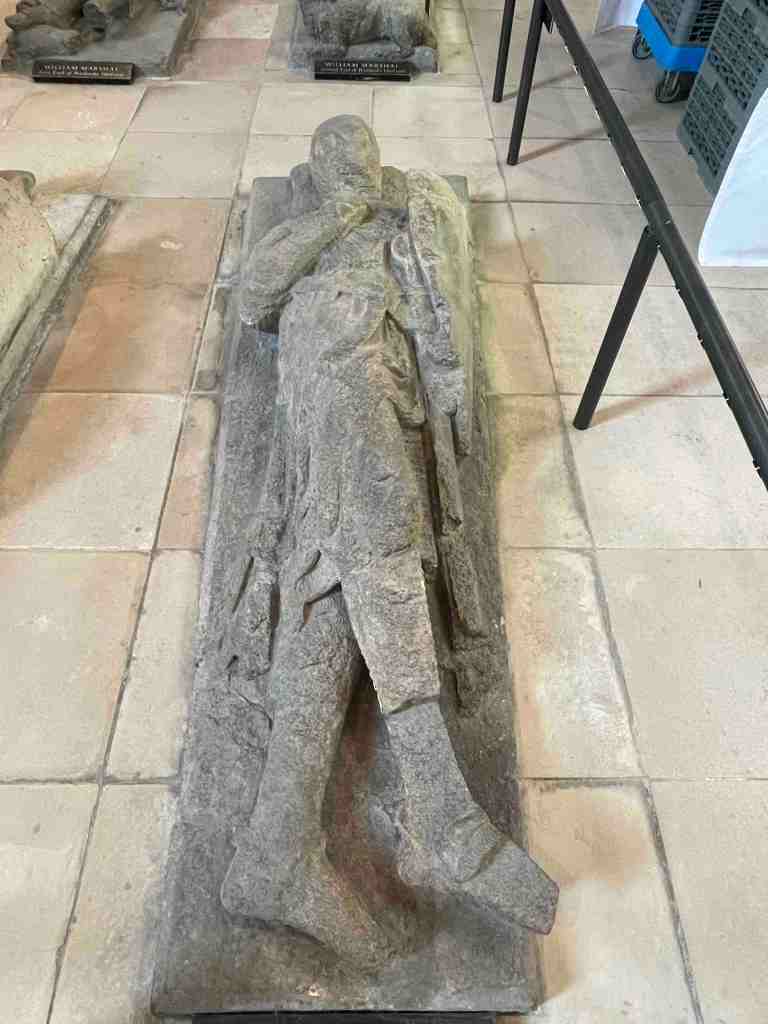
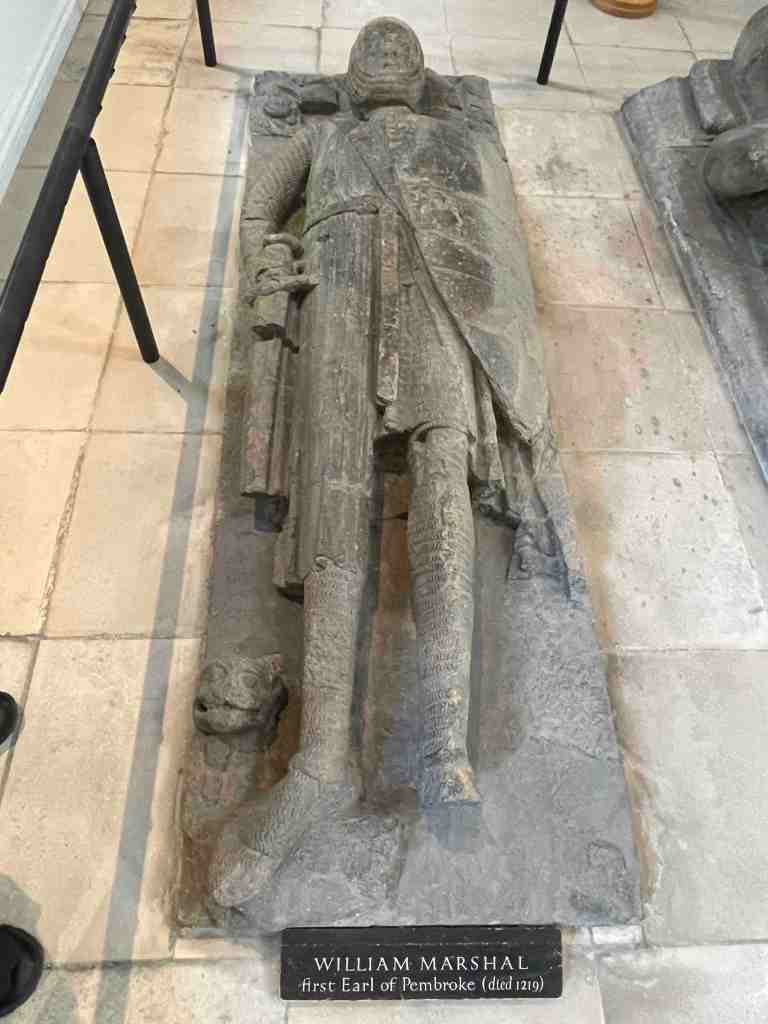
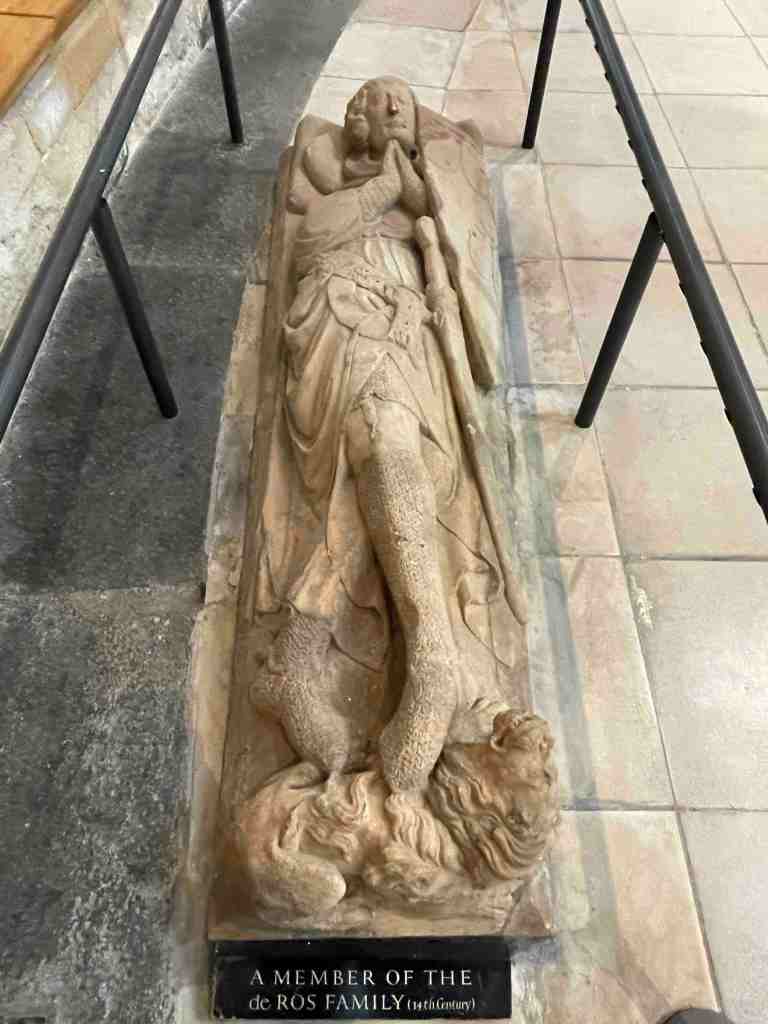
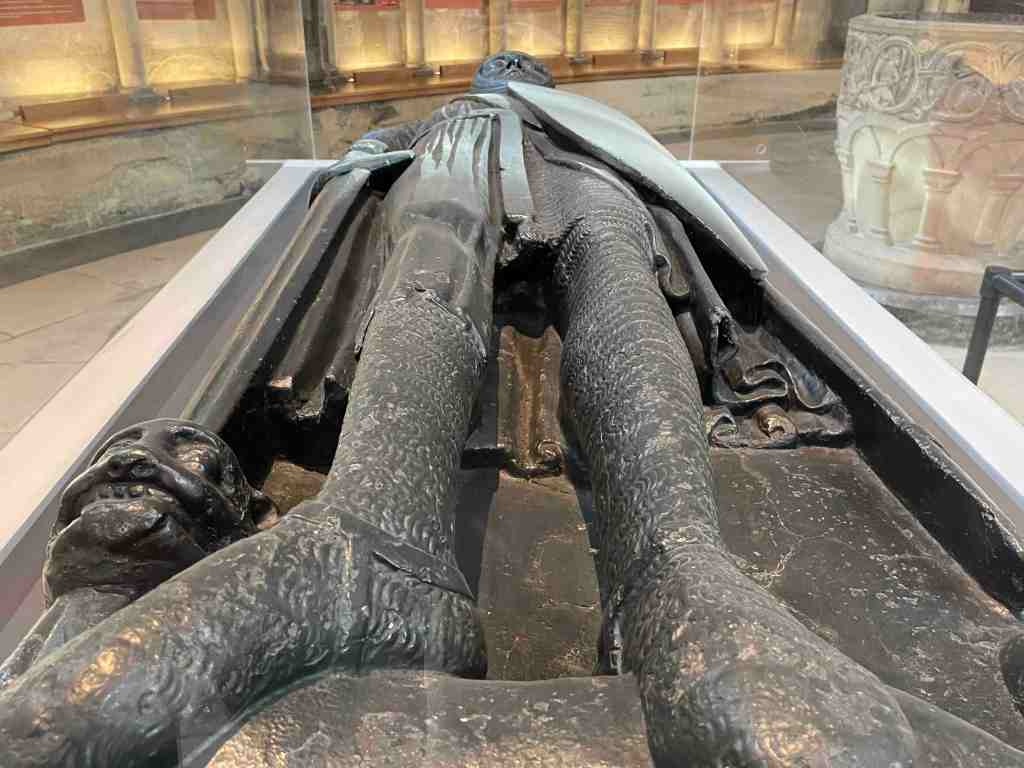
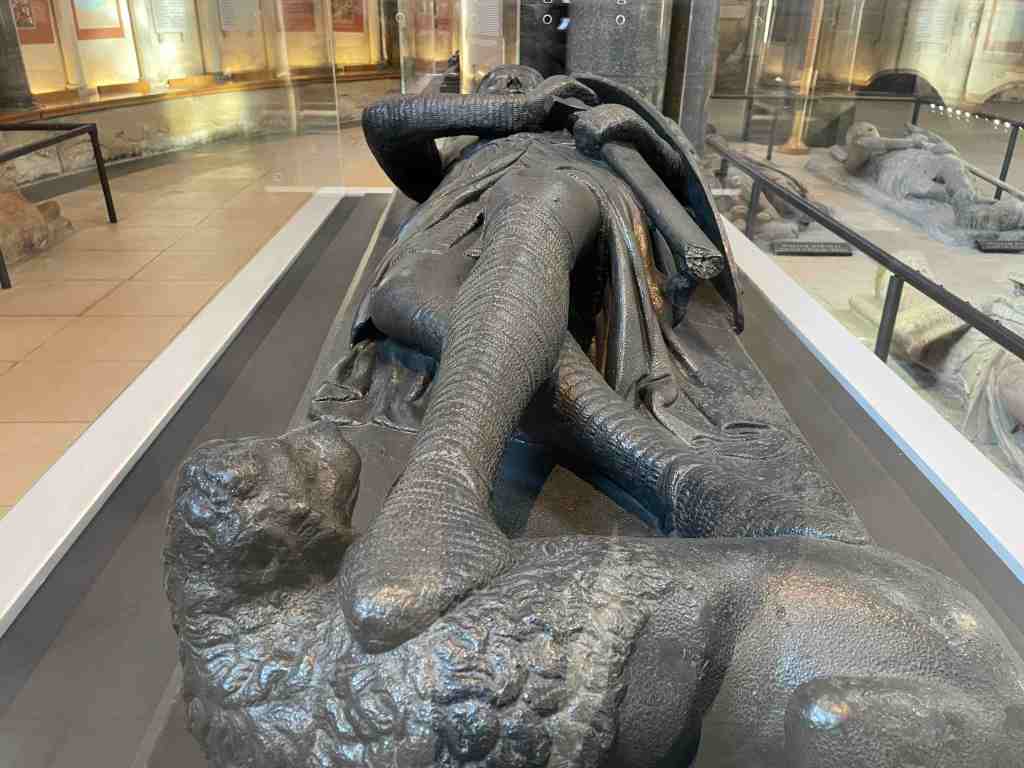
These monuments provide a rare and tangible connection to the individuals who shaped the Order’s history in England.
Conclusion: London as a Templar Command Centre
From its modest beginnings in Holborn to its commanding presence along the Thames, the London preceptory evolved into the centre of Templar authority in England. It was here that leadership resided, estates were managed, and a nationwide network of preceptories was directed.
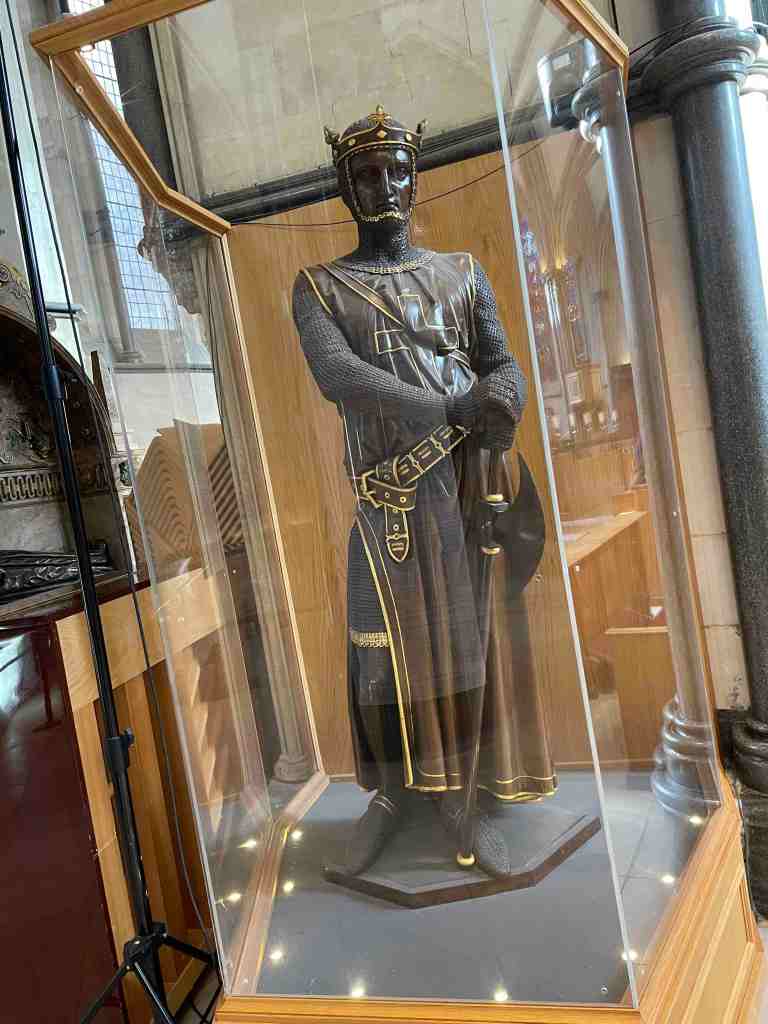
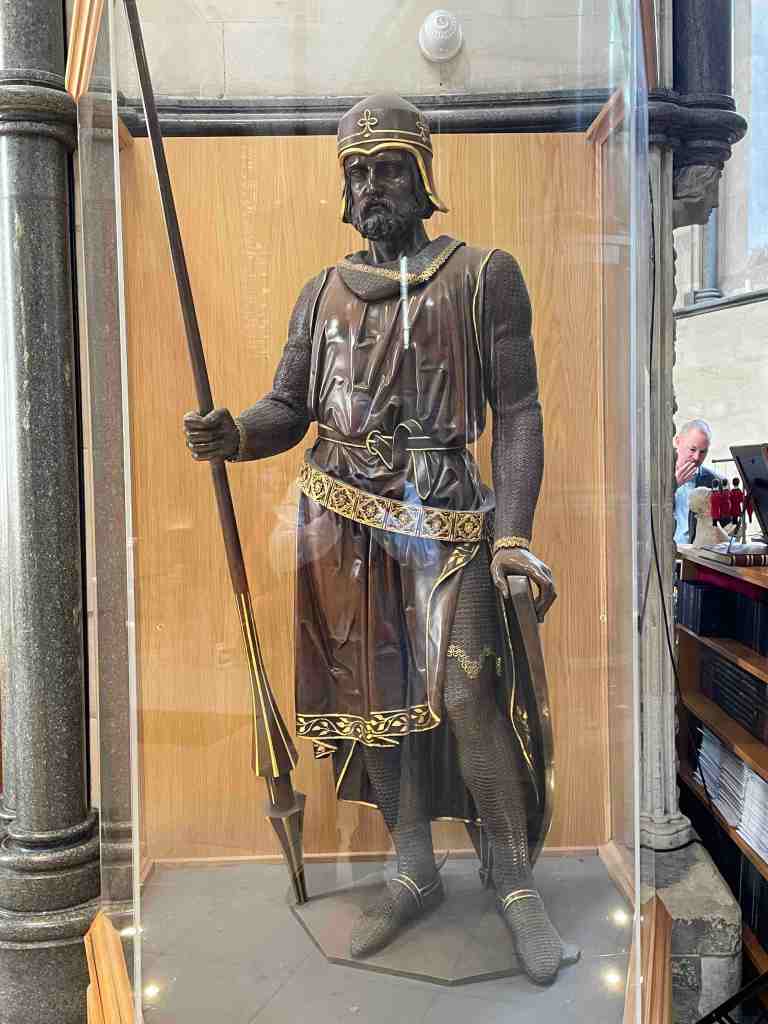
Though the Order was dissolved in the early 14th century, its legacy endures in London’s geography, architecture, and institutional history. The story of the Knights Templar in London is not simply one of medieval intrigue—it is the story of how a single site became the centre of power for an entire national network.
Learn More about the Knights Hospitallers in the UK on our main website by clicking here
Check Out out Knights Gift Store for your replica Knights Templar, Hospitaller and Order of St Lazarus Armour, weapons clothes & gifts by clicking here

