MAY 2026
Dunwich: the Lost City of the Suffolk Coast
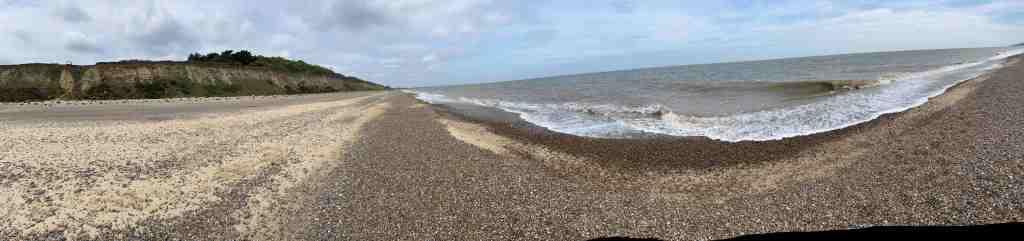
Dunwich was once one of the greatest ports on the east coast of England. In the 12th and 13th centuries it was a thriving maritime town, with a harbour, churches, religious houses, markets, streets, merchant dwellings, warehouses, wharves and ships trading across the North Sea and beyond. Its position on the Suffolk coast made it wealthy and strategically important, but also vulnerable.
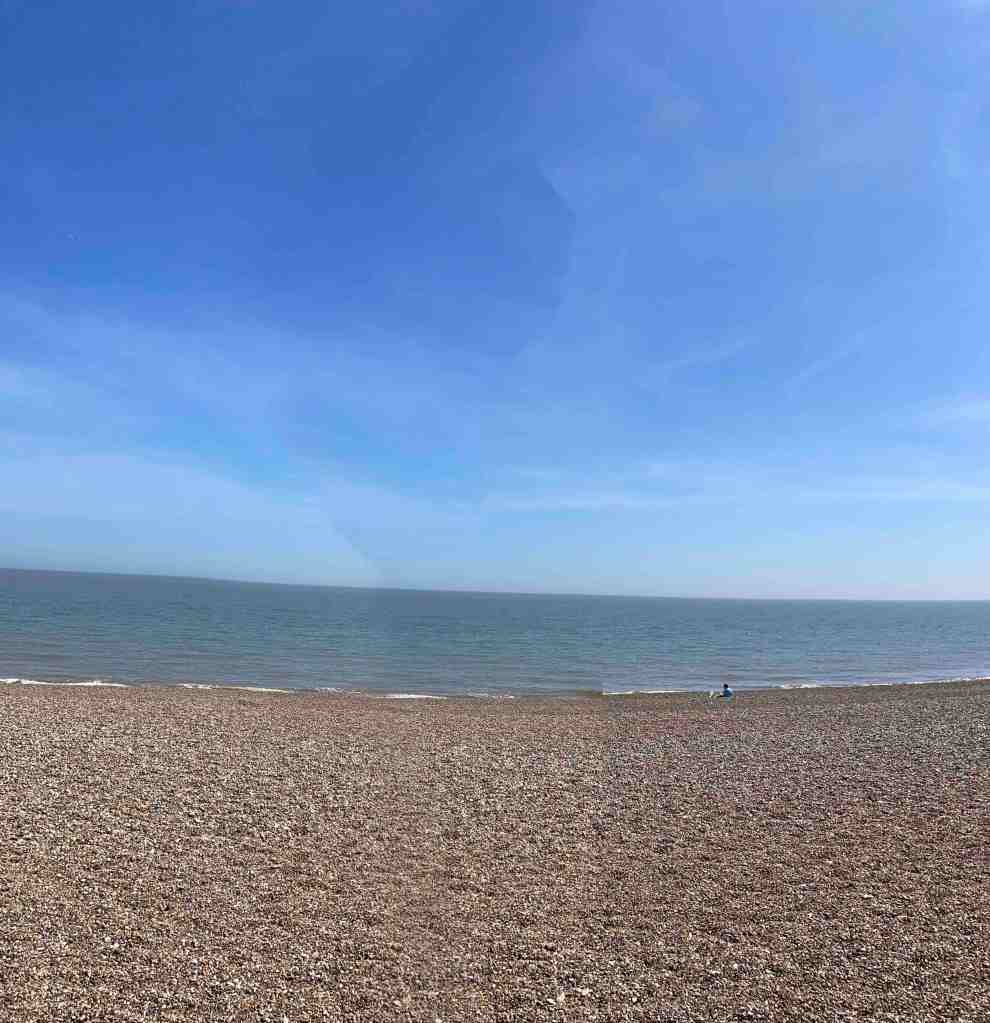
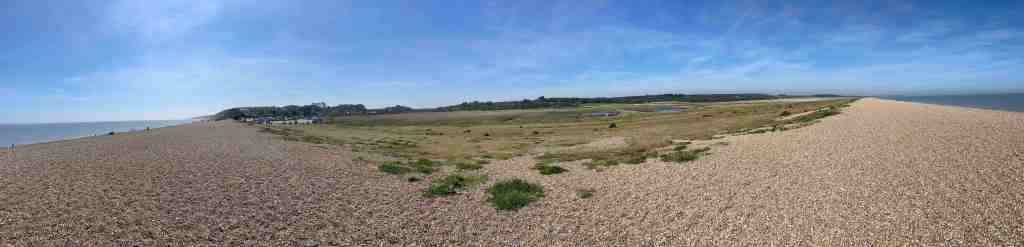
The town stood on soft coastal cliffs and low-lying ground exposed to the North Sea. Over the centuries, storms and coastal erosion steadily destroyed much of medieval Dunwich. Large parts of the town, including streets, churches, religious precincts and harbour works, were lost beneath the sea. Modern reconstructions suggest that the medieval shoreline lay around two kilometres further seaward than the present coast. What survives today is only a fragment of the former town.
In the 13th century, the lost area would have included a dense urban settlement: houses, lanes, churches, religious houses, harbour facilities, storage buildings, workshops, and routes leading between the port and the inland estates. Among the most important religious landholders in this lost landscape were the Knights Templar, whose property at Dunwich later passed to the Knights Hospitaller.
The Knights Templar at Dunwich
The Knights Templar were established at Dunwich by the late 12th century. The site is usually associated with Richendone, close to the medieval Middle Gate and near the area later remembered in connection with the Temple. Their house appears to have functioned as a Templar preceptory, active from around 1199 until the suppression of the order in 1312.
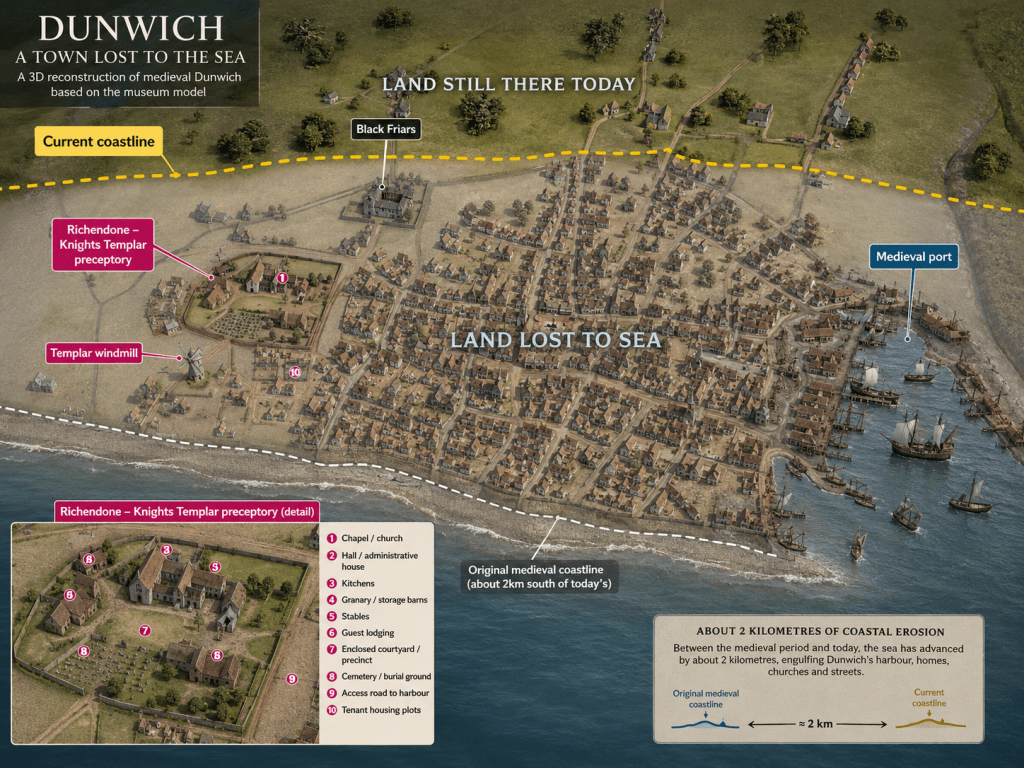
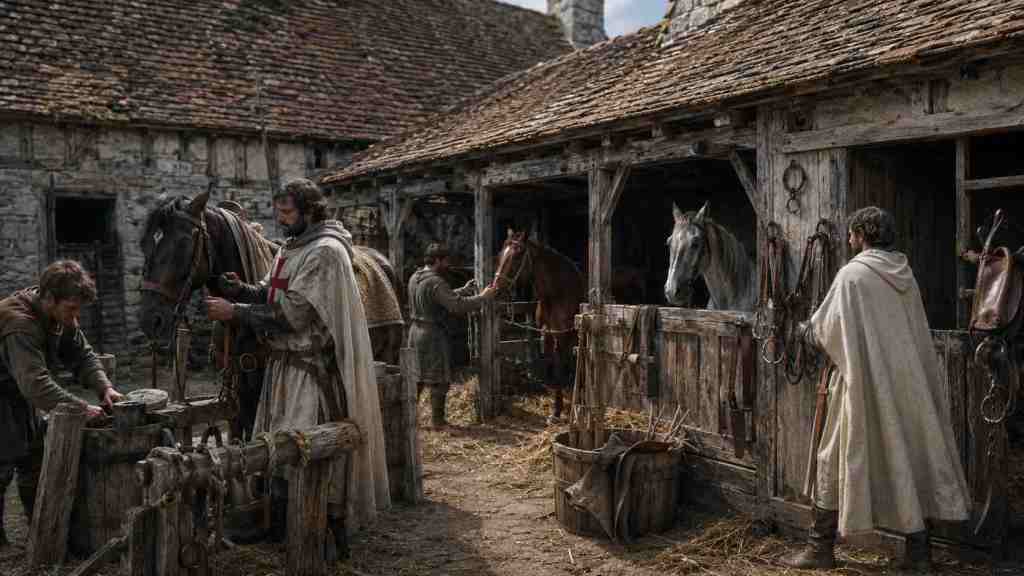
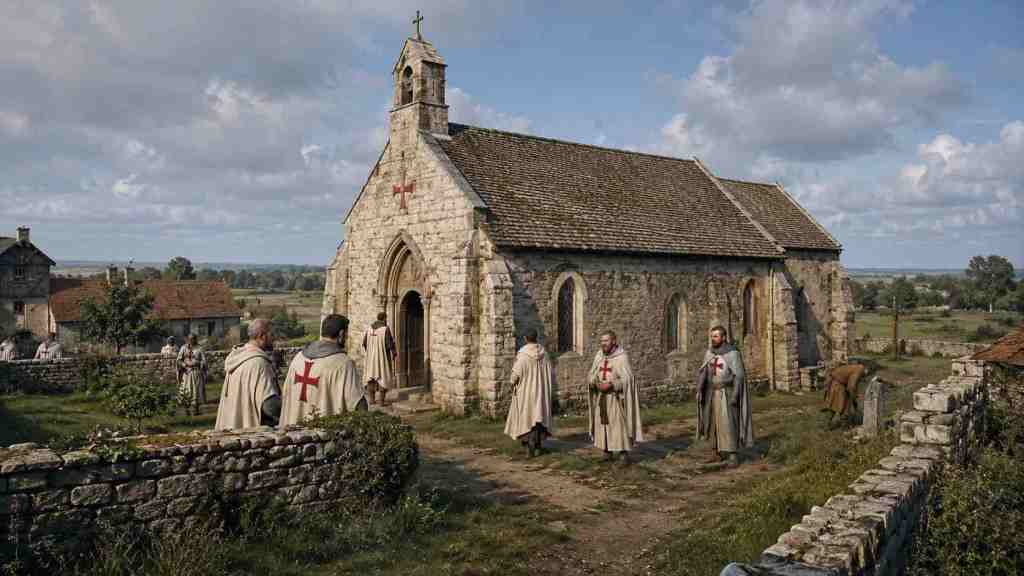
The preceptory was not simply a chapel. Like other English Templar houses, it was likely a compact religious, agricultural and administrative estate. It probably included:
- a chapel or church
- a hall or administrative house
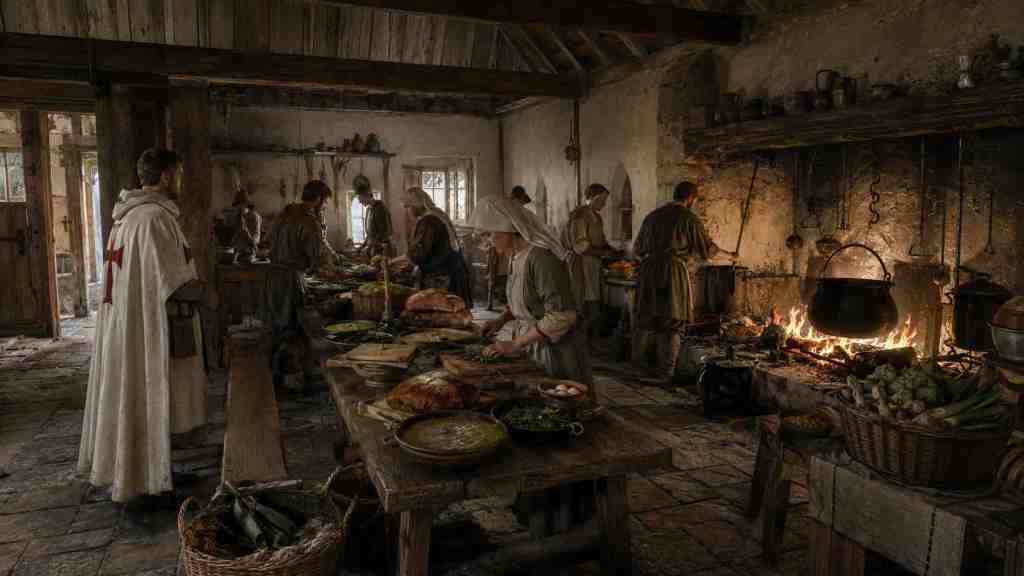
- kitchen and service buildings
- granaries and storage barns
- stables
- guest lodging
- an enclosed courtyard or precinct
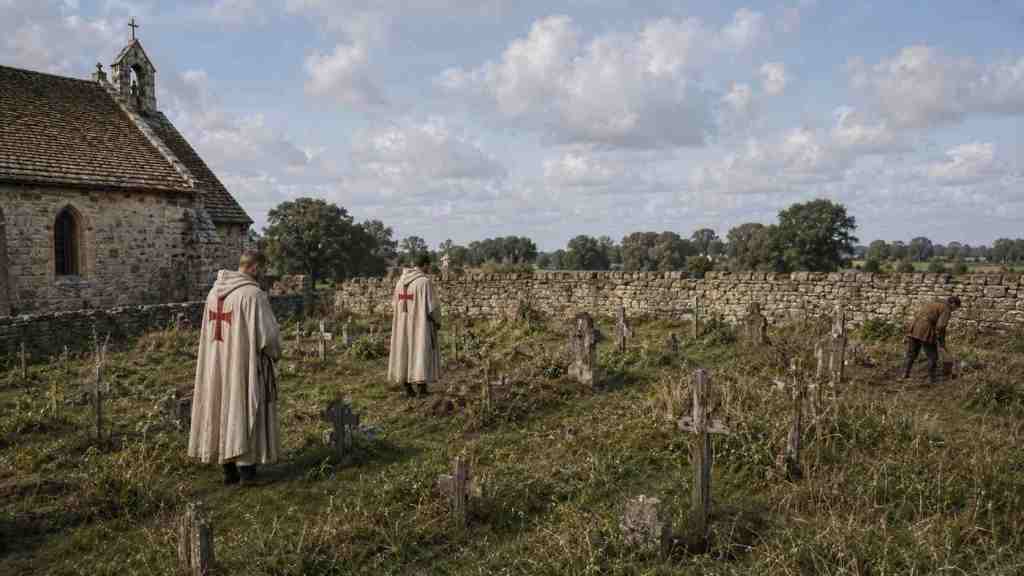
- a cemetery or burial ground
- access routes toward the harbour
- a nearby windmill
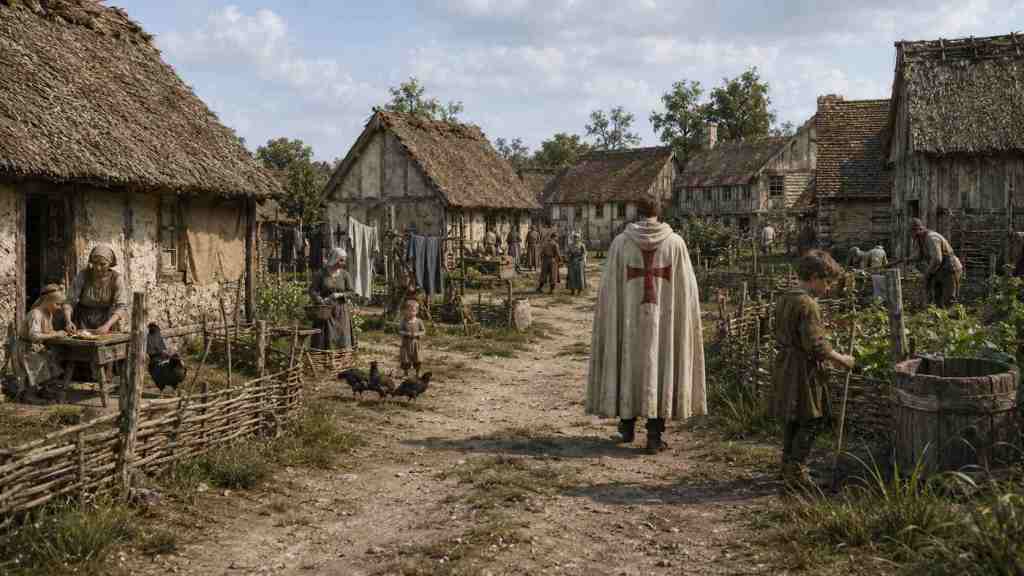
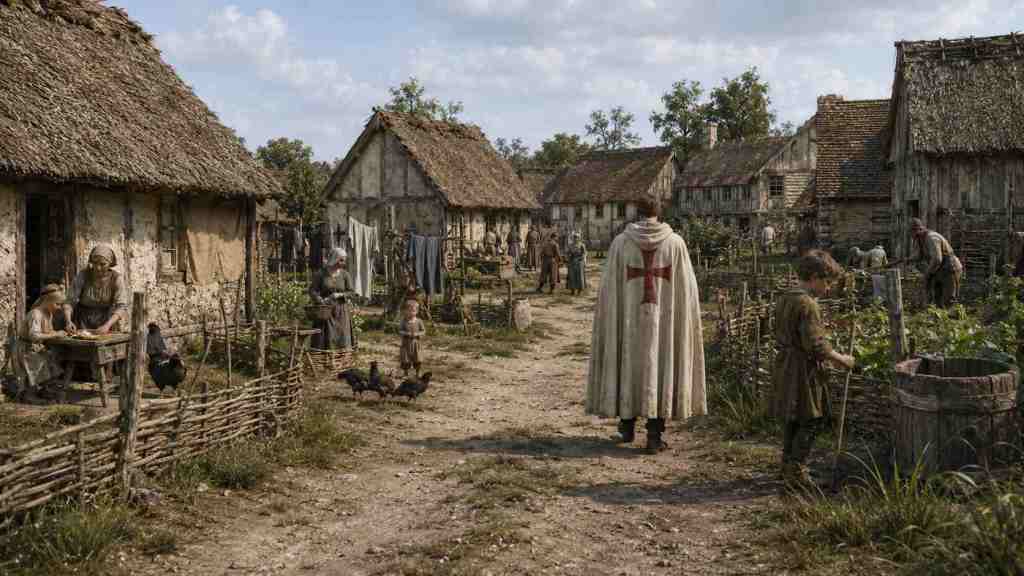
- tenant housing plots
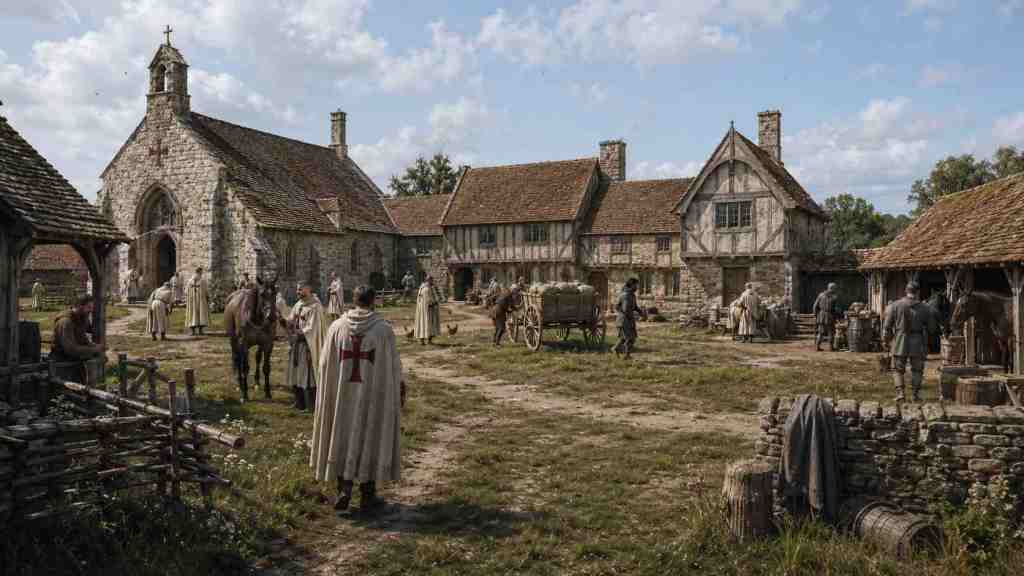
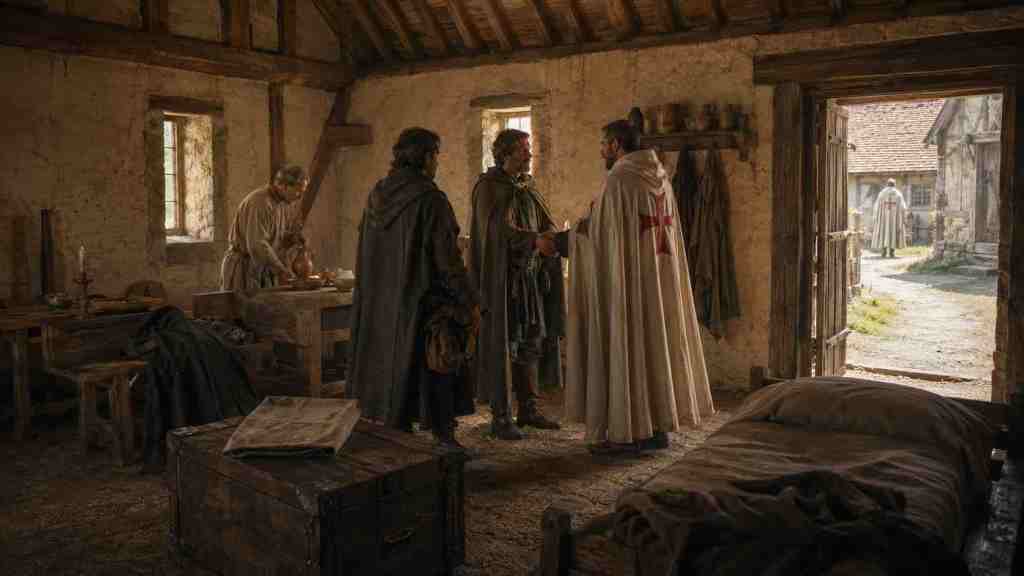
This kind of complex would have allowed the Templars to manage land, rents, produce, trade and hospitality, while also maintaining their religious life.
Royal Confirmation and Early Holdings
The Dunwich house was strengthened by royal patronage. In the first year of King John’s reign, the king confirmed the Templars’ holdings at Richdon/Richendone in Dunwich, together with associated liberties. This confirmation was later reinforced under Henry III in 1227, securing the order’s rights in the town.
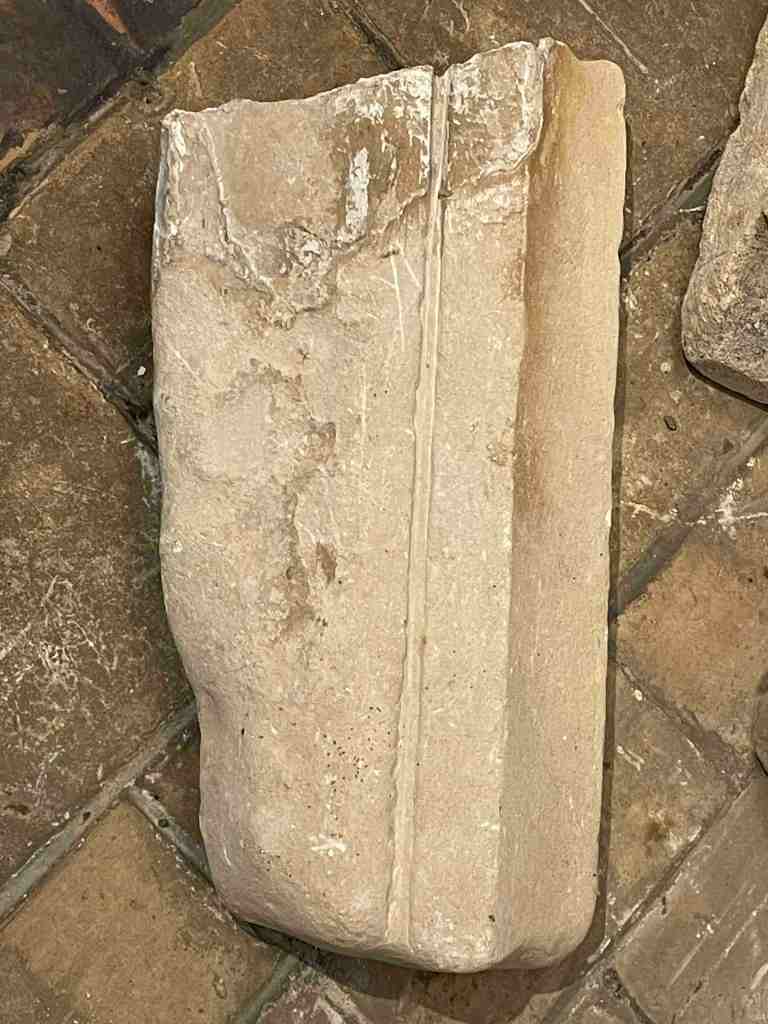
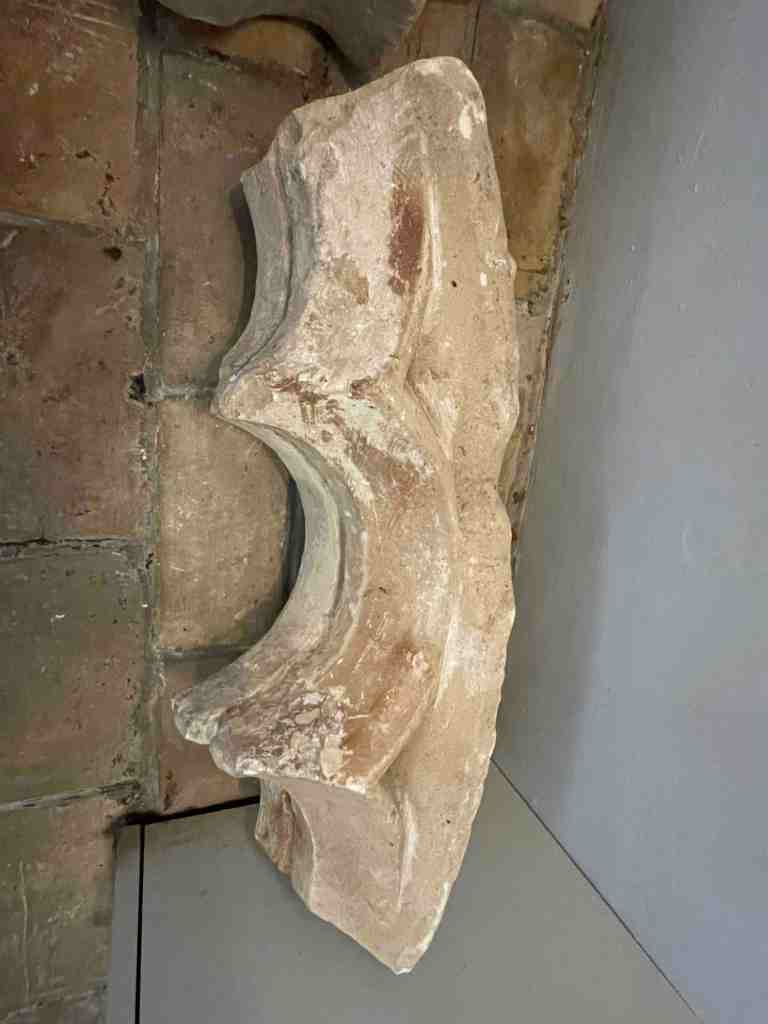
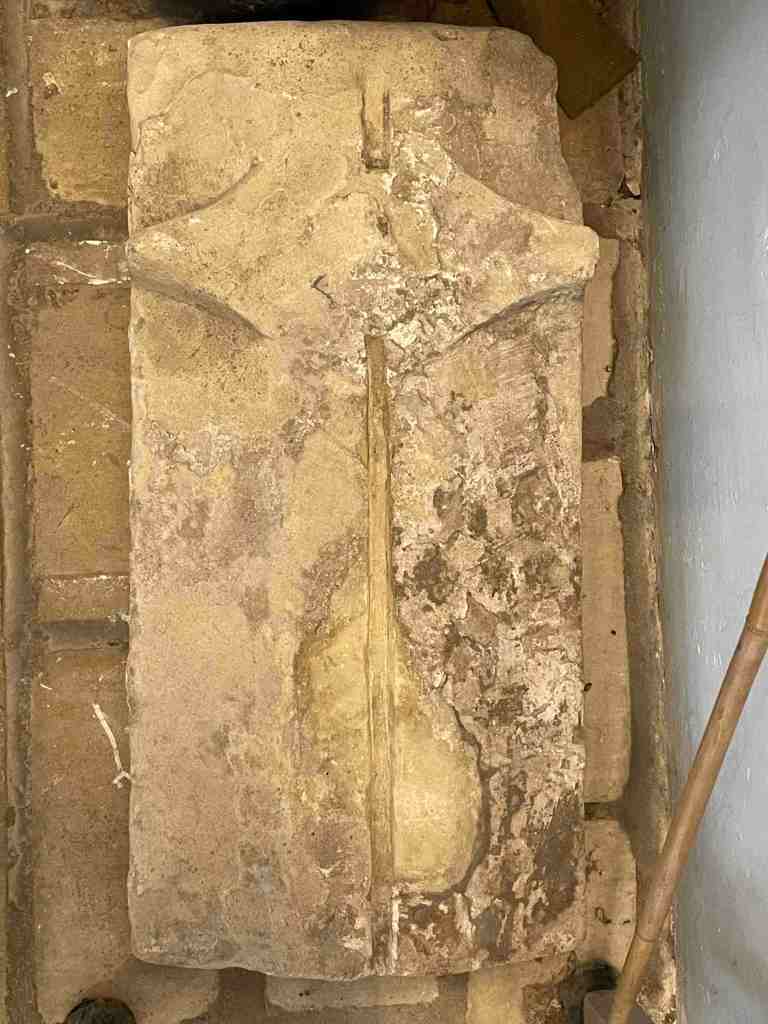
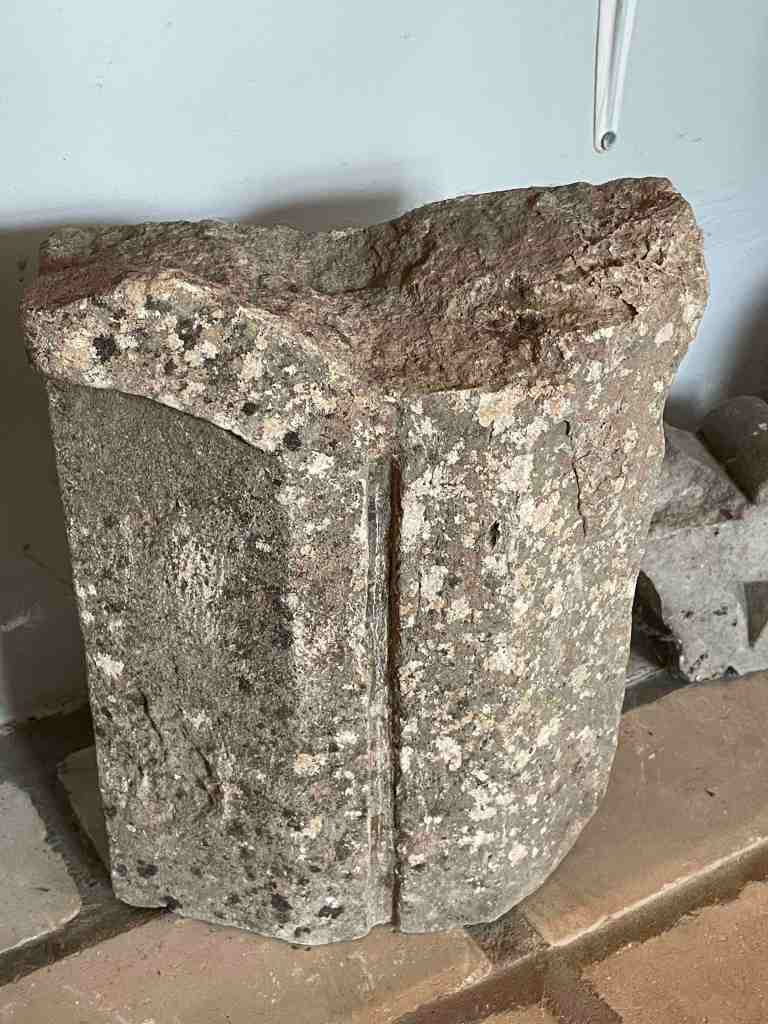
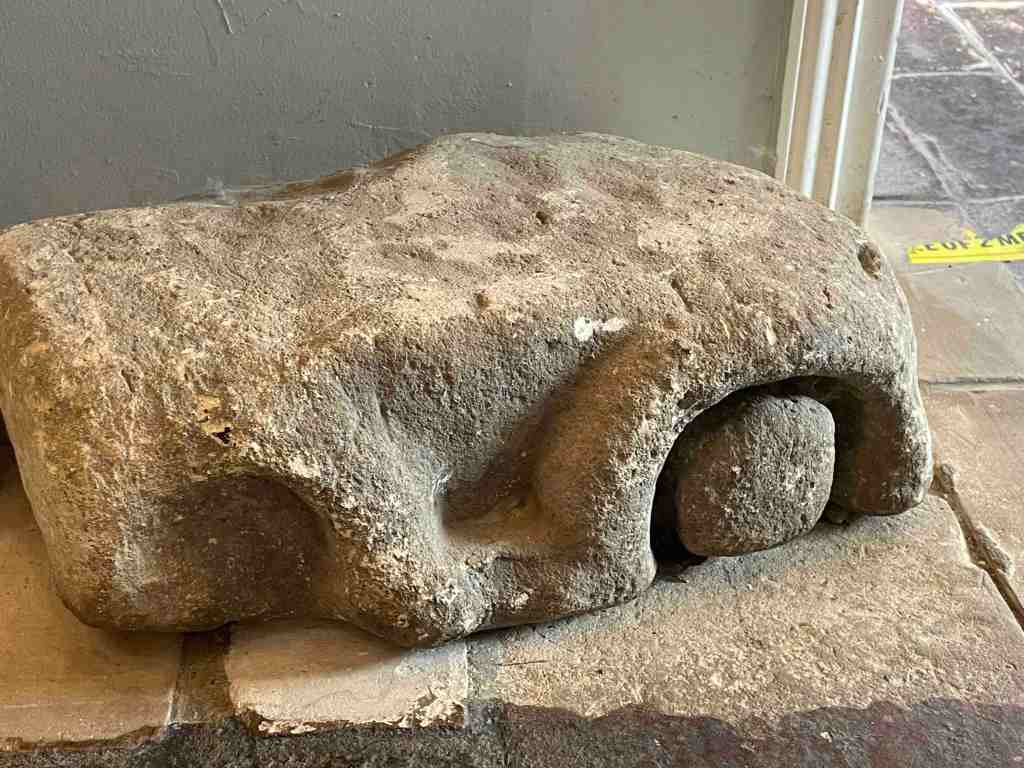
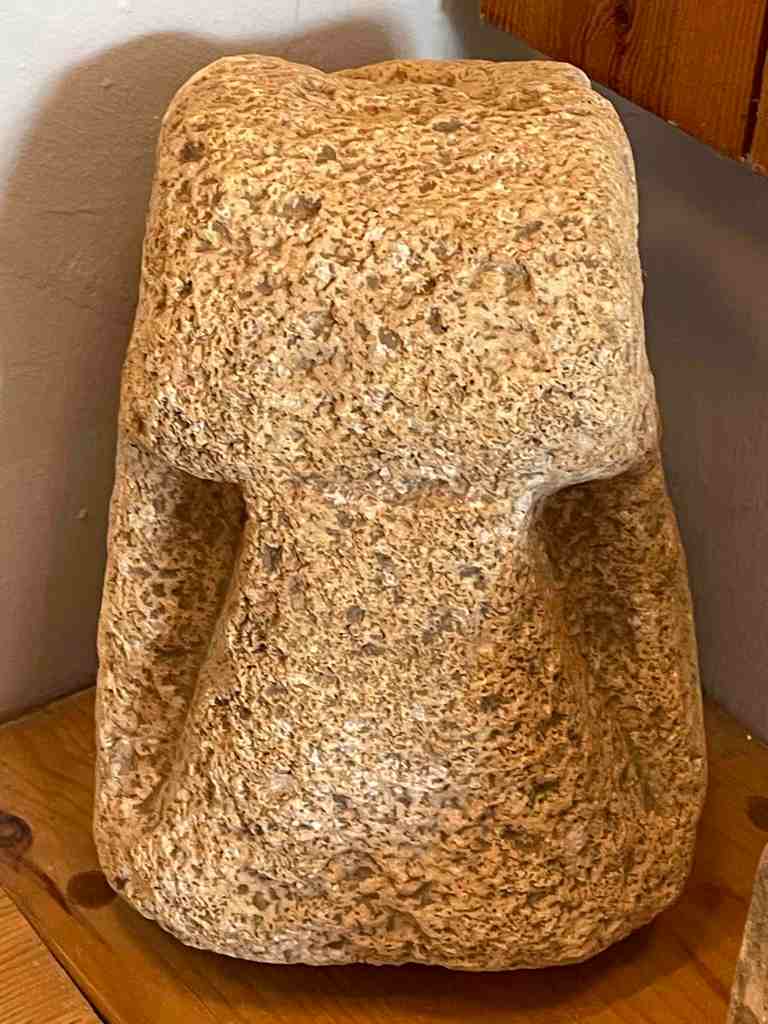
A surviving account records the Templars’ estate in Dunwich as worth:
6 marks, 5 shillings and 5 pence.
One entry states:
“In Dunwich. By gift of the lord King: John de Cove holds one messuage and one windmill for half a mark, for all service.”
This is important because it shows that the Templars held both urban property and a windmill. A messuage was a dwelling house with its associated yard, outbuildings and plot. The windmill would have been a valuable economic asset, used for grinding grain and generating regular income through local tenants and users.
By the mid-13th century, the Dunwich Templar estate, referred to in records as bona Templariorum de Donewico, was valued at about £11 per year, suggesting a modest but stable endowment.
The Temple Church at Dunwich
The religious centre of the estate was associated with the dedication:
Templum beatae Mariae et Johannis
— the Temple of the Blessed Mary and John.
It was also described as:
Hospitale beatae Mariae et S. Johannis vocatum Le Templum
— the hospital of Blessed Mary and St John called the Temple.
This wording is significant. It suggests that the Dunwich Temple was remembered not only as a Templar religious house, but also as a charitable or hospitable foundation. This fits the wider identity of the military orders, whose houses combined prayer, administration, estate management, hospitality and, in some cases, care for travellers or the poor.
A later record states:
“Donewych. There is there likewise one messuage and one chapel, whose revenues belonging to the image of the Blessed Mary are worth, beyond the maintenance of one chaplain, six marks. And it is occupied by Sir John de Shardelowe.”
This indicates that the chapel had revenues connected with devotion to the Blessed Mary and that these revenues supported a chaplain. The phrase also suggests that the chapel remained a recognised devotional site after the Templar period.
The Templar Brethren at Dunwich
The presence of named Templar brethren at Dunwich is particularly valuable. After the suppression of the order, two brothers connected with the Dunwich house were recorded:
Robert de Spaunton
John Coffyn
In 1313, following the dissolution of the Templars, both men were assigned penance. They were required to remain in monastic houses and were allowed 4 pence per day each, under the oversight of the Bishop of Norwich.
Their names show that Dunwich was not merely a passive property estate. It had living members of the order attached to it, men who had been part of the Templar community before its suppression.
From Templar Preceptory to Hospitaller Camera
The Knights Templar were suppressed in 1312. Their lands in England were eventually transferred to the Knights Hospitaller of St John of Jerusalem. Dunwich followed this wider national pattern.
From around 1312 until 1540, the former Templar property at Dunwich became a camera of the Knights Hospitaller. A camera was usually a smaller administrative estate or dependent property, rather than a full major commandery. It generated income, managed local holdings, and supported the wider Hospitaller organisation.
The Hospitallers inherited not only the property but also the religious legacy of the site. The former Templar church continued to be remembered in wills as “the Temple of Our Lady in Dunwich.” This suggests that the chapel or church retained devotional importance long after the Templars themselves had disappeared.
The Estate and Temple Court
The Dunwich Temple estate included houses, tenements, agricultural land, and rights in and around Dunwich. Its manor extended into the surrounding district, including lands associated with Middleton and Westleton.
The manorial court was known as Dunwich Temple Court and was traditionally held on All Saints’ Day. This reflects the continued administrative role of the estate under the Hospitallers. The court would have dealt with tenants, rents, obligations, landholding customs, and the management of property.
The estate therefore served several functions:
It provided religious worship through the chapel.
It generated income through rents, land and the windmill.
It managed tenants and local obligations through the manor court.
It connected the military orders with the port economy of Dunwich.
The Later Temple Church
The antiquarian John Weever later described the Temple church at Dunwich as a substantial building. He referred to a structure with a vaulted nave and lead-covered aisles, suggesting that the church was more impressive than a small rural chapel.
The church also attracted indulgences and pilgrims, indicating that it had devotional significance beyond the immediate estate. The dedication to Our Lady and St John would have suited both the Templar and Hospitaller traditions, particularly after the site passed into Hospitaller hands.
The complex stood in Middlegate Street, approximately 55 rods from All Saints’ Church. This places it within the lost urban and religious landscape of medieval Dunwich, close to the area now destroyed by coastal erosion.
Dissolution and Loss
The Hospitallers’ English properties were dissolved under Henry VIII in 1540. After this, the revenues of the Temple manor passed to the Crown. In the Elizabethan period, parts of the former estate were granted out, including to Thomas Andrews in 1562.
By then, Dunwich was already in serious decline. The sea had long been eating away at the town. Major storms and continuous erosion gradually destroyed the harbour, streets, churches and estates. The former Templar and Hospitaller site was eventually lost altogether.
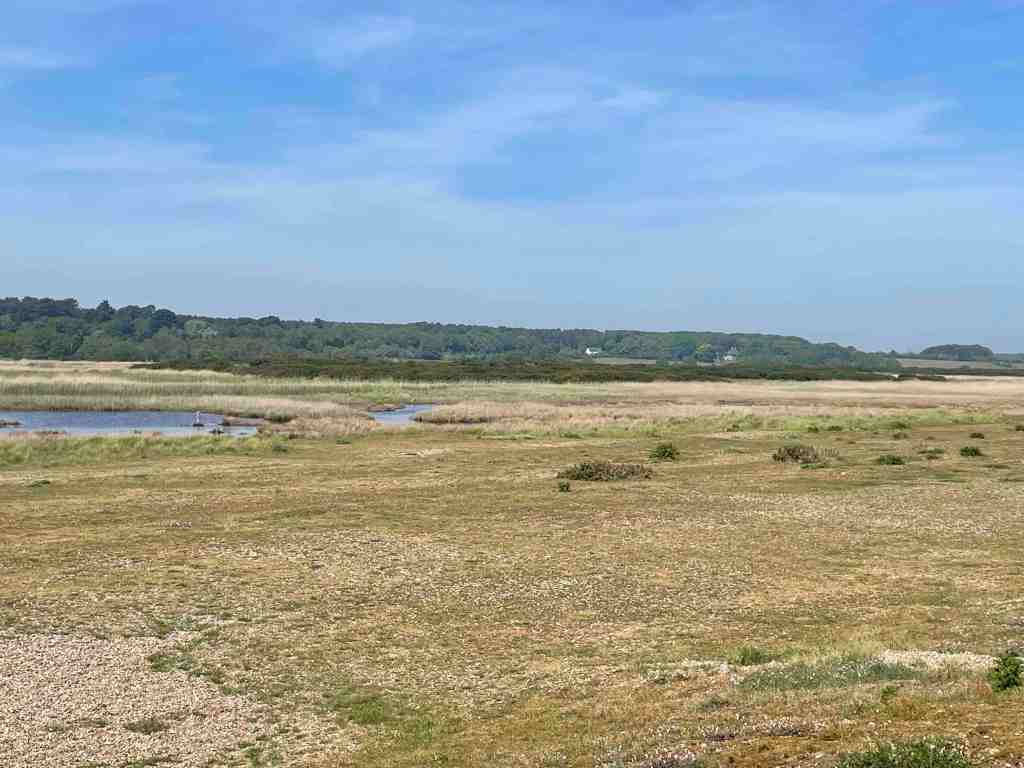
The destruction of the Dunwich preceptory was not caused by dissolution alone. Its final disappearance came through the more relentless force that consumed so much of the town: the North Sea.
What the Preceptory May Have Looked Like
Although no visible remains of the Dunwich Templar and Hospitaller house survive, comparison with other English Templar preceptories allows a cautious reconstruction.
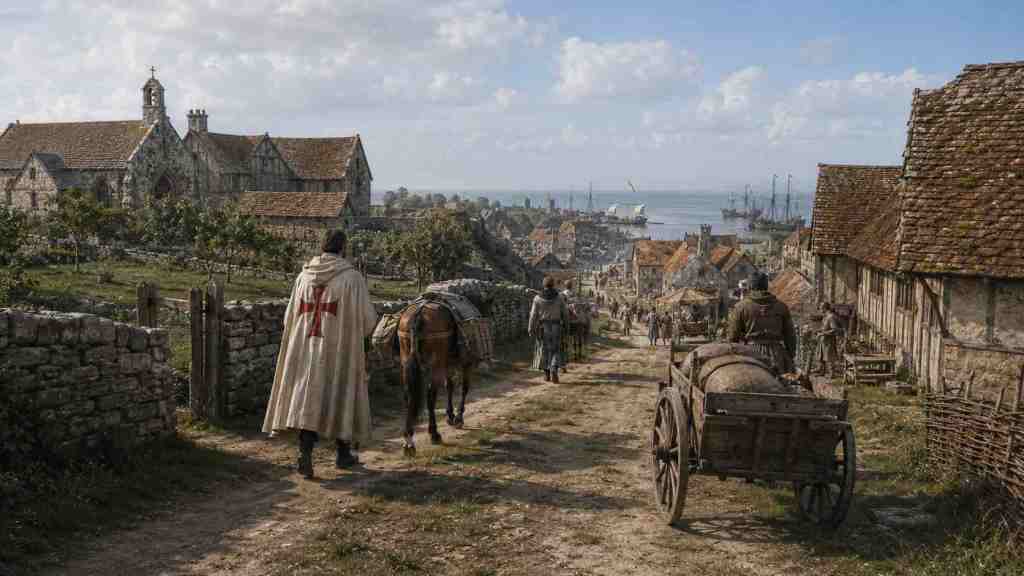
At Richendone, the precinct may have consisted of a chapel or church at its spiritual centre, with a hall for administration and meetings nearby. Around this would have stood kitchens, barns, stables, storage buildings, guest lodging and service structures. A burial ground may have adjoined the chapel. Tenant houses and working plots probably lay nearby, while tracks led toward the town, the Middle Gate and the harbour.
The windmill mentioned in the record would have stood close enough to serve the estate and local tenants. Its income, like that from messuages and rents, helped sustain the order’s work.
This was not a fortress in the dramatic crusading sense, but a working religious estate: disciplined, practical, devotional and deeply connected to the economy of medieval Dunwich.
Legacy
The Knights Templar and later the Knights Hospitaller formed an important part of Dunwich’s medieval religious and economic landscape. Their house at Richendone linked the town to the wider world of the crusading orders, royal patronage, local landholding, charitable religion and maritime trade.
From 1199 to 1312, Dunwich was home to a Templar preceptory. From 1312 to 1540, it continued under the Hospitallers as a camera. Its chapel, manor, windmill, messuages, rents and courts show that this was a functioning estate within one of medieval England’s most important coastal towns.
Today, the site itself has vanished beneath the sea. Yet the records preserve the memory of a religious and administrative centre once standing in the lost streets of Dunwich — a reminder that beneath the waves off the Suffolk coast lies not only a vanished town, but also the buried history of the military orders in medieval England.
Learn More about the Knights Hospitallers in the UK on our main website by clicking here
Check Out out Knights Gift Store for your replica Knights Templar, Hospitaller and Order of St Lazarus Armour, weapons clothes & gifts by clicking here
GALLERY IMAGES
- Artist Impression Dunwich Knight Templar Walking from the Preceptory towards the Harbour ↩︎
- Knight Templar Dining Hall ↩︎
- Knight Templar Graveyard ↩︎
- Knight Templar walking through preceptory ↩︎
- Knight Templar Barns ↩︎
- Knight Templar Chapel ↩︎
- Knight Templar Looking through preceptory ↩︎
- Knight Templar Lodgings ↩︎

