OCTOBER 2026
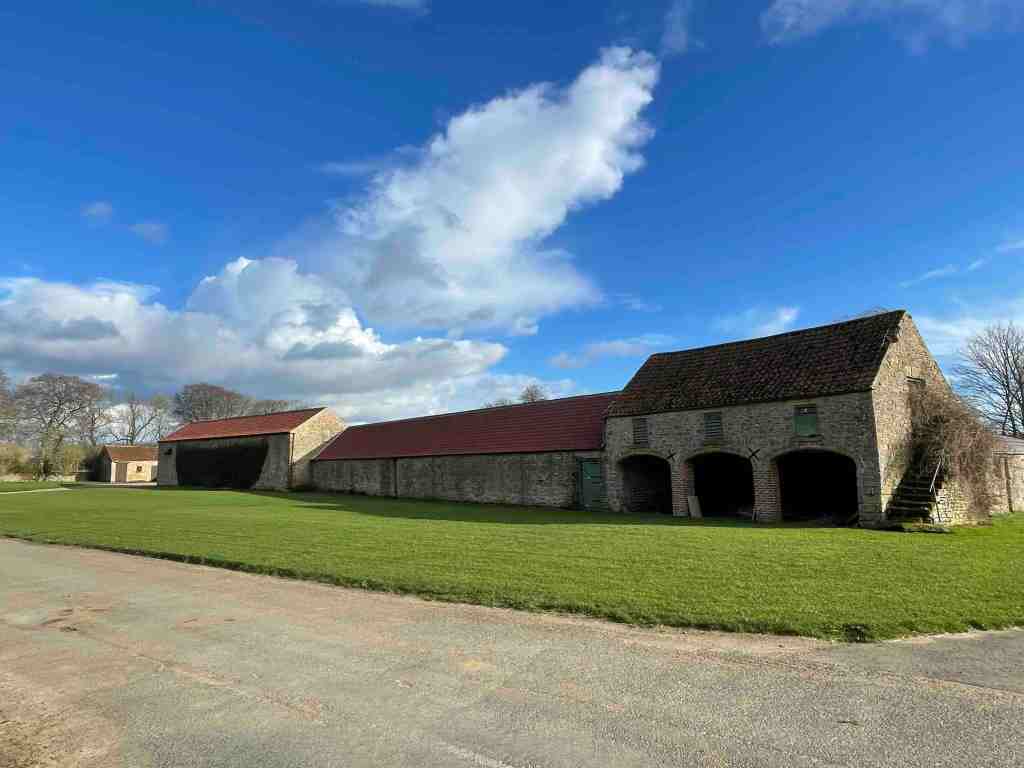
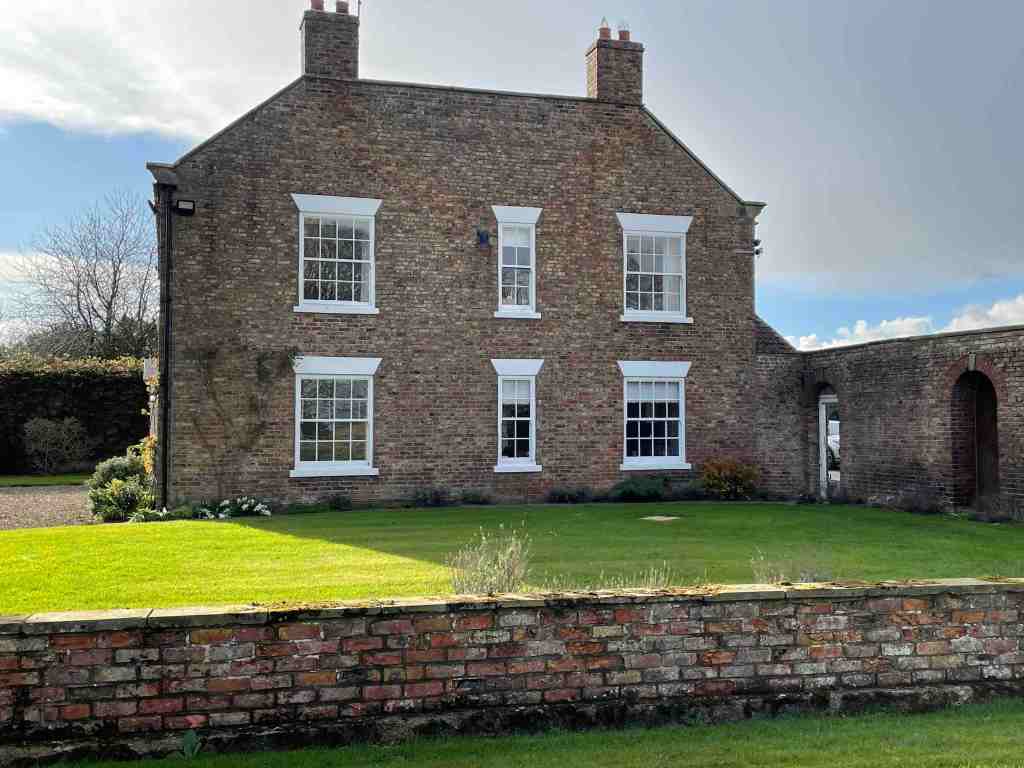
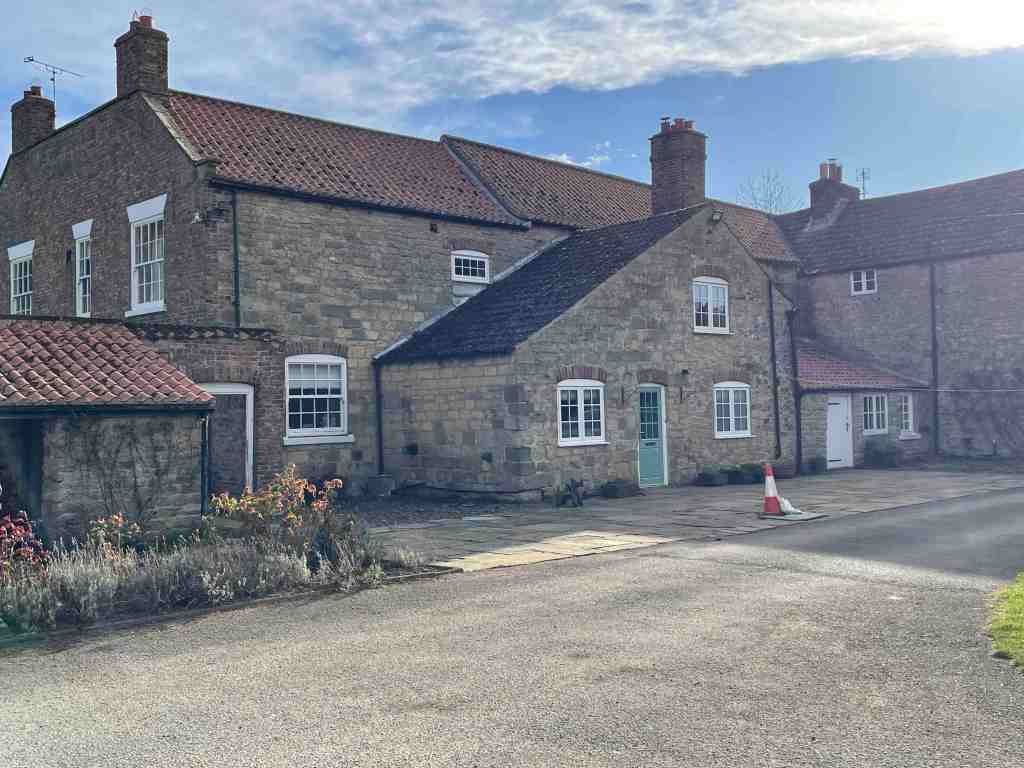
Hidden among the farmland of the Vale of Pickering, approximately two miles south of Snainton in North Yorkshire, stands one of the country’s more remarkable surviving buildings associated with the Knights Templar. Today known as Foulbridge Farmhouse, this Grade I listed property incorporates substantial remains of a medieval timber-framed hall that once formed part of a Templar preceptory.
Although considerably altered over the centuries, the building provides a rare physical connection to the religious knights who occupied Foulbridge during the thirteenth and early fourteenth centuries. Unlike many former Templar establishments, where little survives beyond earthworks or place names, Foulbridge retains original medieval structural timbers, some dating to 1288.
The surviving documents also reveal something of the preceptory’s history, its extensive agricultural possessions, the religious and charitable work undertaken there, and the fate of its brethren following the suppression of the Knights Templar.
The Establishment of the Templar Preceptory
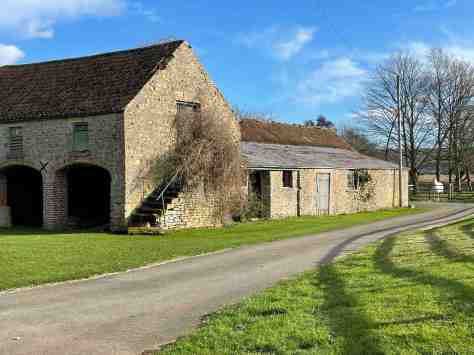
The Knights Templar established their presence at Foulbridge before 1226, although the exact foundation date and identity of the original benefactor remain uncertain.
One of the earliest recorded connections concerns Ingram de Boynton, who entered into an agreement with the Templars before 1226 relating to the manor of Snainton. Historians have suggested that this property was probably identifiable with Foulbridge, indicating that the Order was already acquiring substantial interests in the area during the early thirteenth century.
Further evidence appears in 1240–1241, when John de Knapton granted the Templars rents and services in Snainton, adding to their existing holdings.
The establishment of Foulbridge formed part of the wider expansion of the Knights Templar throughout Yorkshire. The Order developed a network of preceptories, manors, mills and agricultural estates that generated revenue to support its religious and military responsibilities, particularly its activities in the Holy Land.
There may also have been connections with the influential de Ros family, prominent benefactors of the Templars elsewhere in Yorkshire, particularly at Ribston. However, the surviving evidence does not establish that the family founded Foulbridge, and its original benefactor remains unidentified.
The Lands and Possessions of Foulbridge
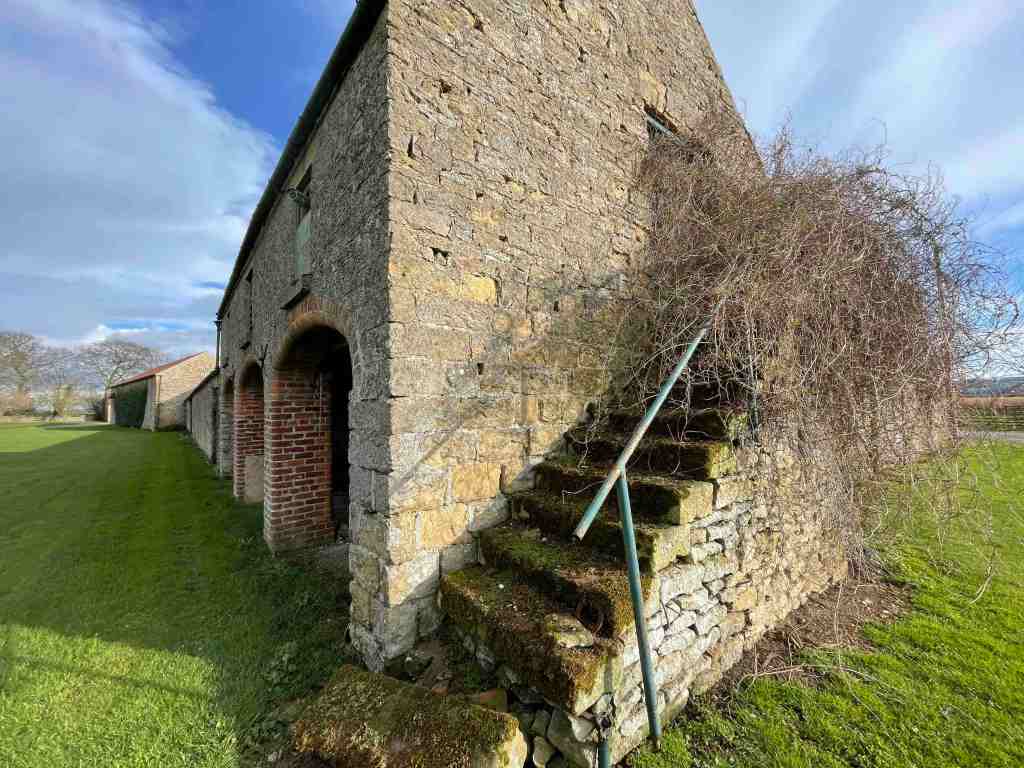
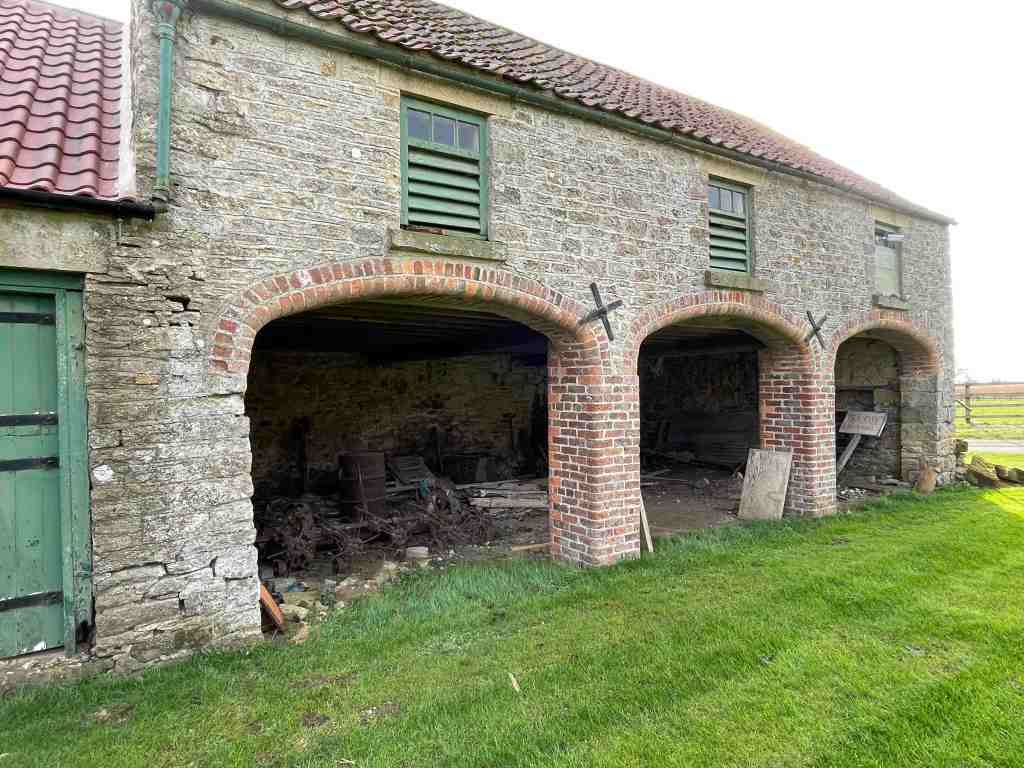
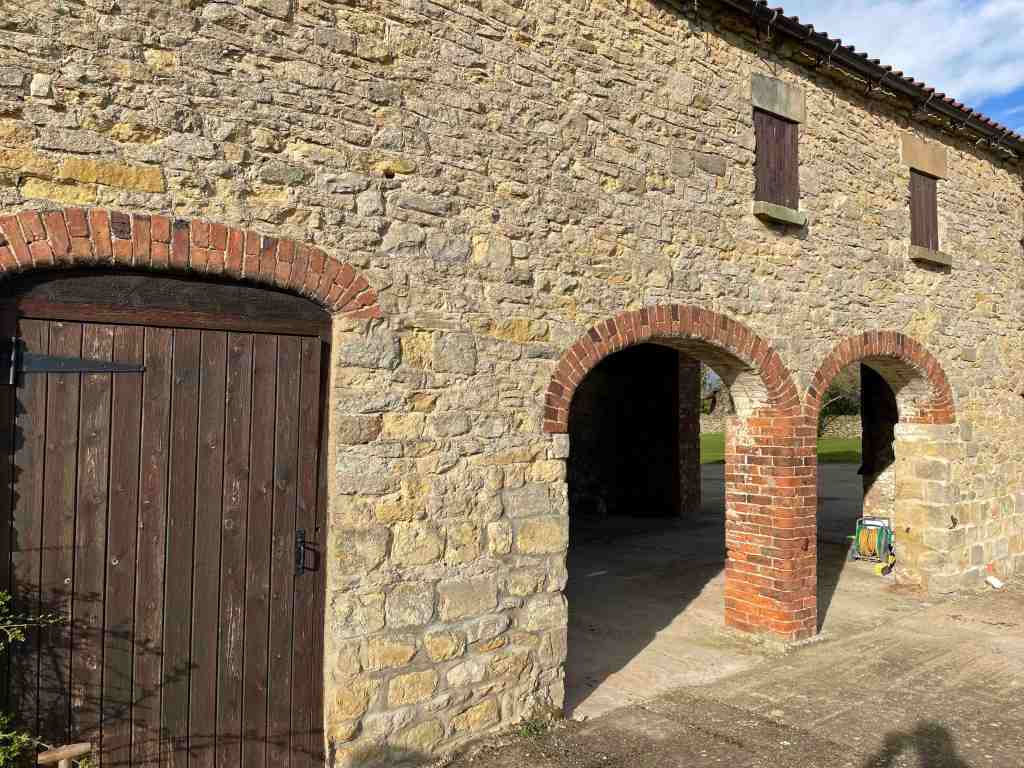
Foulbridge was not simply a residence occupied by Templar knights. It functioned as an administrative and agricultural centre, responsible for overseeing property, collecting rents, managing livestock and producing agricultural income.
By 1273, records show that the Templars held the manor of Foulbridge together with a windmill, described at that time as an empty or unproductive windmill.
A further account compiled in 1307 records the manor, windmill and approximately 260 acres of land described as waynage, a medieval term associated with cultivated land and the resources used in its cultivation.
The preceptory’s wider possessions included estates at Allerston and Wydale. At Allerston, the Order held six bovates of land and a mill. A bovate was a customary medieval unit of agricultural land whose area varied according to local conditions.
The manor of Foulbridge itself would have provided the administrative centre from which these holdings were managed. Income came from agricultural production, rents, mills and the obligations owed by tenants occupying Templar property.
These resources helped sustain the resident brethren while contributing to the wider financial organisation of the Order.
An account compiled around the time of the suppression of the Templars records possessions associated with Foulbridge, Allerston and Wydale valued at £254 3s 2d. The precise accounting basis of this figure requires further examination, but it demonstrates the considerable economic significance attached to the estate.
The Preceptory Buildings and Chapel
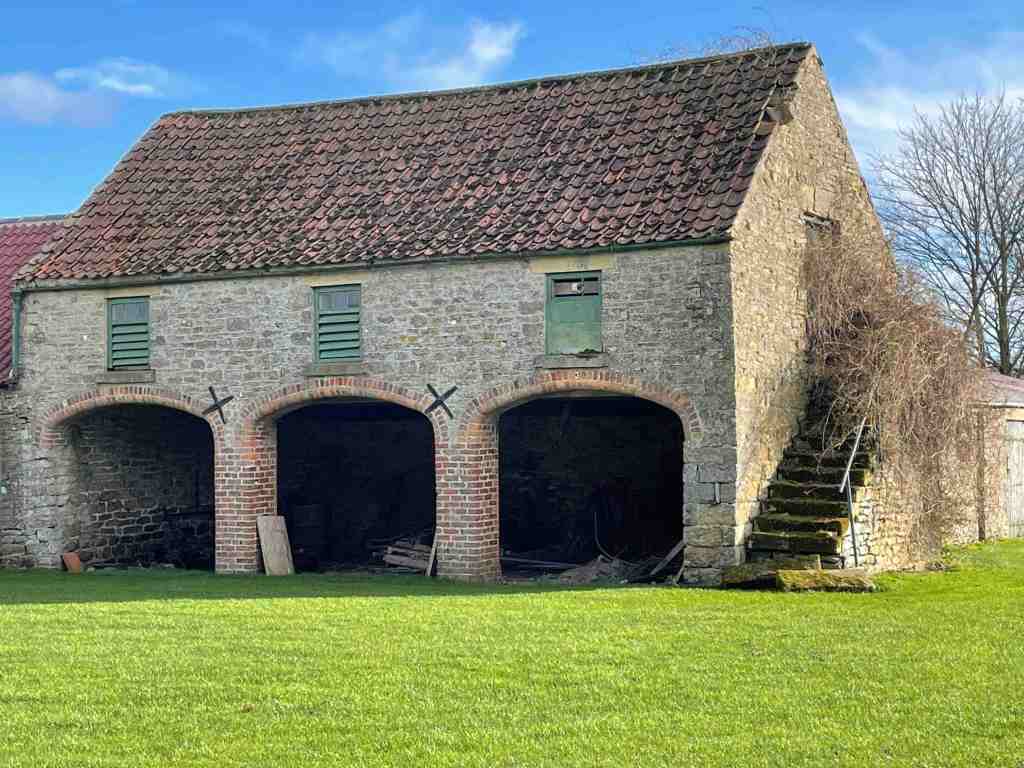
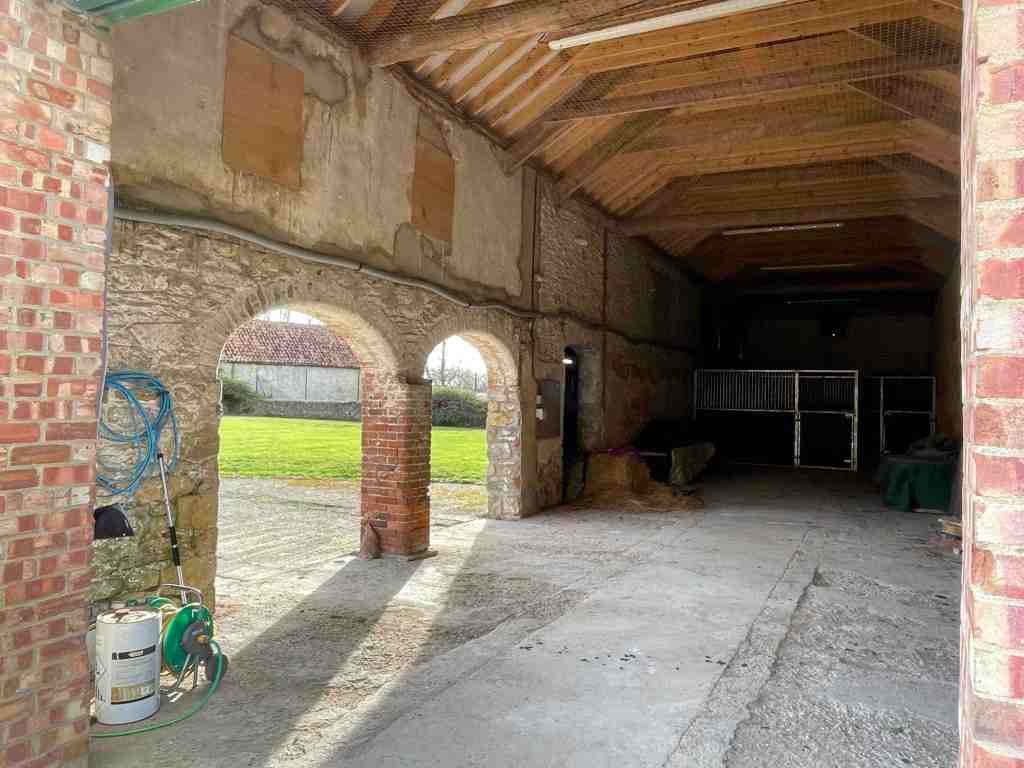
Like other established Templar preceptories, Foulbridge possessed buildings necessary for both the religious and practical activities of the community.
The most important surviving structure is the medieval aisled hall, originally an impressive timber-framed building open to the roof. It was supported by substantial wooden posts, with moulded shafts, carved capitals and arched braces.
The hall would have provided an important space within the preceptory, although its precise medieval use and relationship to the chapel remain subjects of architectural interpretation.
Tree-ring analysis of the surviving roof timbers revealed that the timber was felled during the summer of 1288. This provides compelling evidence that substantial building work took place at Foulbridge during the Templars’ occupation.
The preceptory also possessed a chapel for religious worship. An inventory prepared around the suppression of the Order records four crosses among its furnishings, two bearing images and two without.
This small detail offers a valuable glimpse into the religious character of Foulbridge and the devotional objects used by its medieval community.
The surviving architectural evidence has also led to the suggestion that part of the existing hall incorporates the nave of the former chapel, although the precise original arrangement is not conclusively established.
Religious Life and Charity at Foulbridge
The Knights Templar were a military religious order, whose members followed a disciplined communal life centred upon prayer, obedience and service.
At Foulbridge, the surviving records provide a particularly interesting insight into the religious and charitable work carried out by the brethren.
An account prepared around the suppression of the Order reveals that the Templars maintained a chaplain and distributed alms to poor people who came to the preceptory on three days each week.
This is an important detail because it demonstrates that Foulbridge was not solely an agricultural establishment concerned with collecting income.
It was also a religious community whose responsibilities included worship and support for the poor.
The chaplain would have provided religious services for the community, although the surviving evidence does not establish whether he was a professed Templar brother or a priest employed by the Order.
The regular distribution of alms provides a glimpse of the relationship between the preceptory and the surrounding population, with local people receiving charitable assistance from the religious establishment.
The Knights Templar Recorded at Foulbridge
Although the preceptory operated for much of the thirteenth century, surprisingly few of the brethren who lived and served there have been identified by name.
The principal recorded preceptor was Brother Richard de Hales, who held command of Foulbridge during the final years of the Knights Templar in England.
As preceptor, Richard would have been responsible for the administration of the estate, its income, resident brethren and obligations to the wider Order.
He was arrested in January 1308, when King Edward II ordered the seizure of Templar property and the detention of the Order’s members throughout England.
A compiled list of Yorkshire Templar personnel records that Richard de Hales died on 23 June 1309, although the precise date merits verification against the original medieval records.
Another individual associated with Foulbridge is Brother Richard of Ripton, or Ripon, identified in a later compilation of Yorkshire Templar personnel. He was also reportedly arrested in January 1308 and subsequently assigned to religious penance within the Diocese of York, possibly at Bolton Abbey or another religious house.
His precise duties at Foulbridge are not established, and his identification would benefit from further examination of the original trial proceedings.
The limited number of surviving names does not mean that only two brethren occupied the establishment. A functioning preceptory required religious, administrative and agricultural support, including chaplains, estate servants and tenants. However, it is important not to confuse these different categories of personnel or assume that all those working on the estate were professed Templars.
The Suppression of the Knights Templar
The fortunes of Foulbridge changed dramatically in the early fourteenth century.
Following the arrest of the Knights Templar in France in October 1307, Edward II ordered the arrest of the Order’s members in England in January 1308.
Their estates were taken into royal custody while investigations and ecclesiastical proceedings were undertaken.
At Foulbridge, Richard de Hales was among those arrested, bringing the Templar administration of the preceptory to an end.
The Order was formally dissolved by Pope Clement V in 1312. Much of its former property was subsequently assigned to the Knights Hospitaller, another military religious order that had maintained an extensive presence in England since the twelfth century.
However, the transfer of Foulbridge was not entirely straightforward.
Following the seizure of the Templar possessions, the manor passed through a period of royal administration and disputed control. In 1324, Edward II confirmed the former Templar property to the Hospitallers.
In 1334, the Earl of Lancaster advanced a claim to the manor, arguing that the land had reverted following the suppression of the Templars. The legal decision nevertheless favoured the Knights Hospitaller.
Foulbridge Under the Knights Hospitaller
Although the Hospitallers acquired Foulbridge, they do not appear to have continued operating it as an independent religious preceptory in the same manner as the Templars.
There is evidence that the Order initially considered appointing a preceptor, but by 1338 the property was administered by a secular bailiff.
The gross annual income was recorded at more than £18, demonstrating that the estate remained financially valuable.
The manor continued to experience administrative difficulties. In 1359, Thomas Salkeld was accused of diverting revenues belonging to the Hospital, and orders were made concerning the transfer of custody to English members of the Order.
Foulbridge therefore continued as part of the Hospitallers’ landed possessions, but its principal importance was increasingly agricultural and financial rather than as a separate religious community.
Its subsequent history was shaped by the changing fortunes of the Order until the dissolution of the Hospitallers’ English establishments during the reign of Henry VIII.
What Remains of Foulbridge Today?
The greatest historical significance of Foulbridge lies in the remarkable survival of its medieval hall.
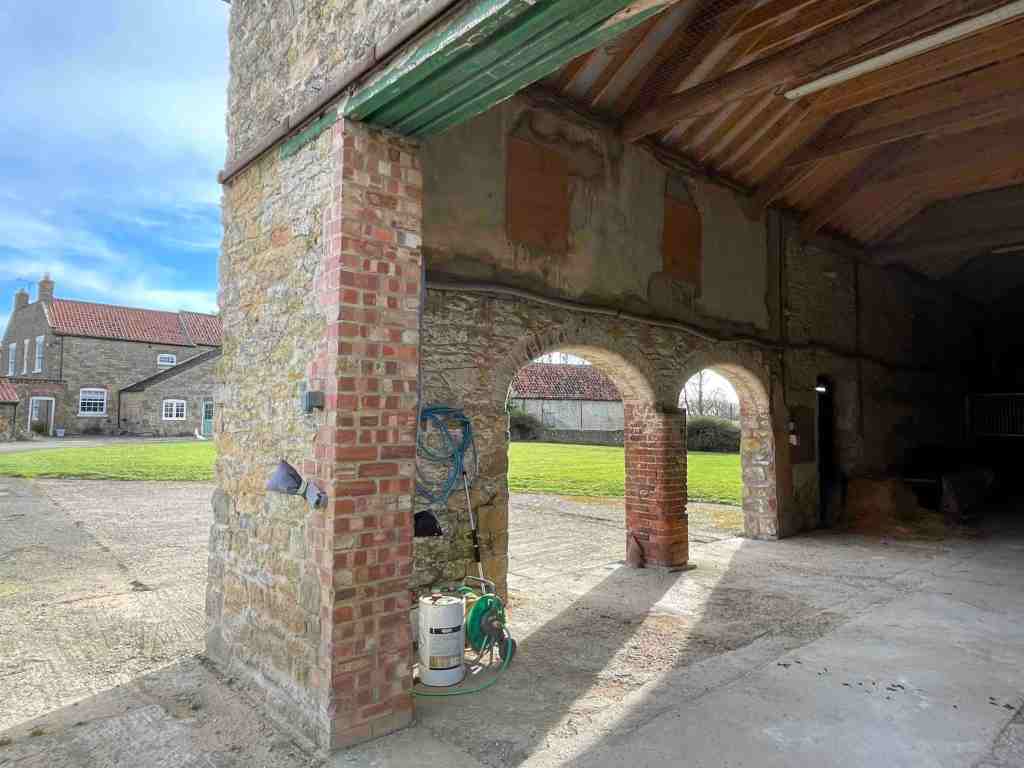
Now incorporated into Foulbridge Farmhouse and its attached cottage, the original thirteenth-century structure was altered and adapted as the building continued in domestic and agricultural use.
The medieval hall was probably divided by the insertion of an upper floor during the fifteenth century. Further alterations followed during the eighteenth and nineteenth centuries.
Despite these changes, substantial original features remain, including four pairs of timber posts decorated with mouldings and carved capitals, medieval arched braces and surviving roof trusses.
The survival of this structure is especially important because tree-ring dating established that timbers used in the roof were felled in 1288, placing the building securely within the Templar period.
The property underwent restoration during the 1980s, helping to reveal and preserve its surviving medieval fabric.
Today, Foulbridge Farmhouse and its attached cottage are protected as a Grade I listed building, with Historic England recognising the medieval aisled hall as an exceptionally rare surviving example of a timber-framed Templar building in northern England.
Although the property remains in private ownership and is not a public visitor attraction, its historical importance is considerable.
Foulbridge’s Place in Templar History
Foulbridge offers a particularly revealing example of how the Knights Templar operated within medieval England.
Far removed from the battlefields of the Holy Land, its brethren administered agricultural estates, collected rents, maintained religious worship and provided charity to those in need.
The surviving records reveal a community whose responsibilities were both spiritual and practical, and whose financial resources formed part of the wider network that sustained the Order.
The arrest of Richard de Hales in 1308 marked the end of the Templar presence, but the estate survived under the Knights Hospitaller and continued to develop through subsequent centuries.
Perhaps most remarkably, the timber-framed hall constructed during the Templars’ occupation still survives within the present farmhouse.
It provides a rare and tangible connection to the men who administered Foulbridge more than seven centuries ago, and to the wider history of the Knights Templar in Yorkshire.
For a site that remains relatively little known, Foulbridge preserves an extraordinary fragment of England’s medieval religious and architectural heritage.
Historical Sources and Further Reading
- Victoria County History, A History of the County of York, Volume 3, “Houses of Knights Templar”, pp. 256–260.
- Victoria County History, North Riding of Yorkshire, entries concerning Snainton, Foulbridge and the manor of Brompton.
- Historic England, National Heritage List for England, Foulbridge Farmhouse and Attached Cottage, List Entry 1172918.
- Historic England Research Records, Foulbridge Templars Preceptory, Monument Record 64846.
- J. McDonnell and G. E. Morris, Holdings of the Knights Templar in North Yorkshire, Ryedale Historian, Volume 17 (1994).
Location: Foulbridge Farmhouse, Foulbridge Lane, Snainton, North Yorkshire.
National Grid Reference: SE 91402 79438.
Access: Private property. The medieval hall is not ordinarily accessible to the public.
Learn More about the Knights Hospitallers in the UK on our main website by clicking here
Check Out out Knights Gift Store for your replica Knights Templar, Hospitaller and Order of St Lazarus Armour, weapons clothes & gifts by clicking here

