SEPTEMBER 2026
The Knights Templar at Temple Balsall
The Warwickshire Preceptory, its People, Lands, Manors, Mills and Dependent Estates
Hidden among the lanes and fields of rural Warwickshire, Temple Balsall represents one of the most important surviving landscapes associated with the Knights Templar in England.
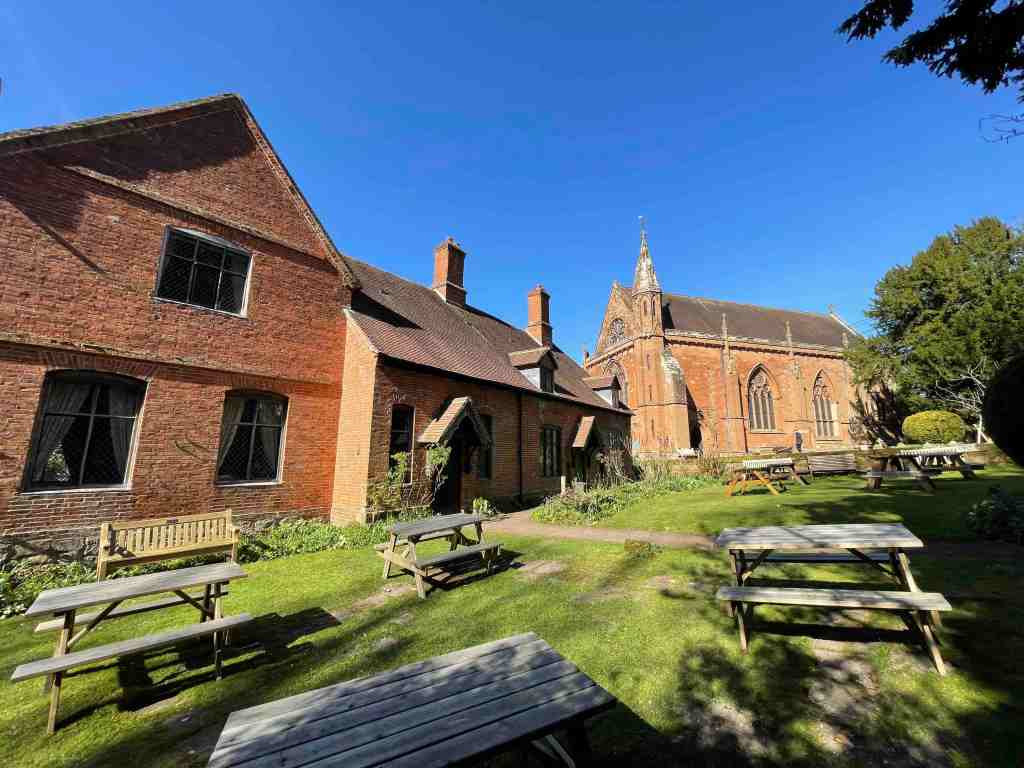
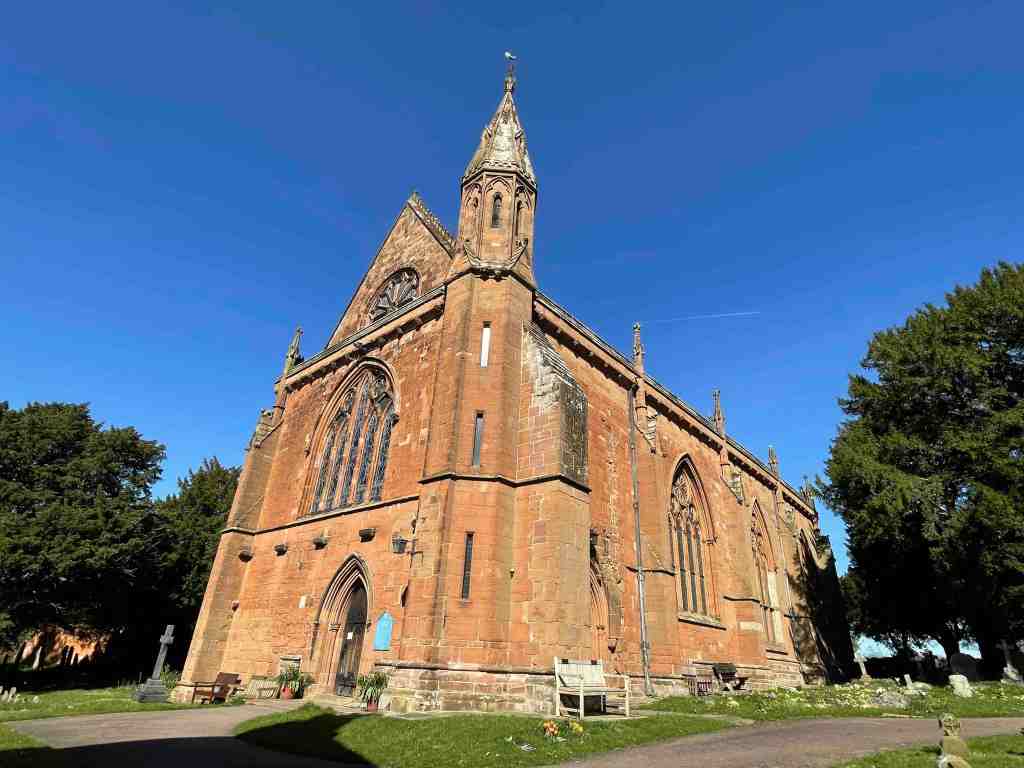
Today the visitor sees the great medieval church of St Mary, the remarkable Old Hall, later almshouses and a peaceful agricultural landscape. During the Middle Ages, however, this was the centre of a substantial religious, agricultural and administrative estate belonging to the Poor Fellow-Soldiers of Christ and of the Temple of Solomon — the Knights Templar.
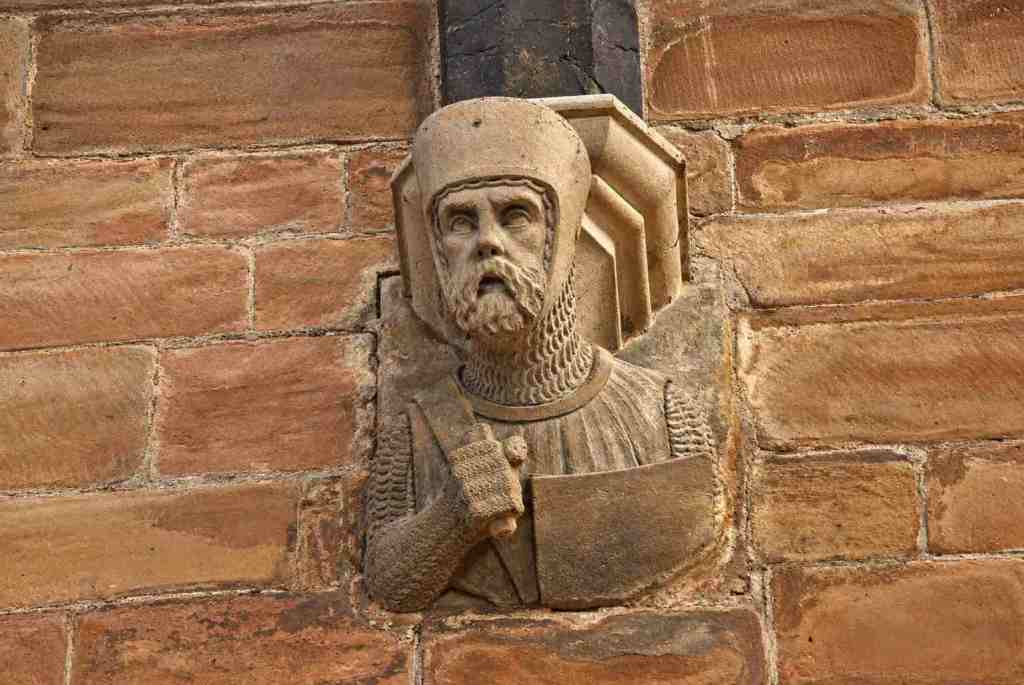
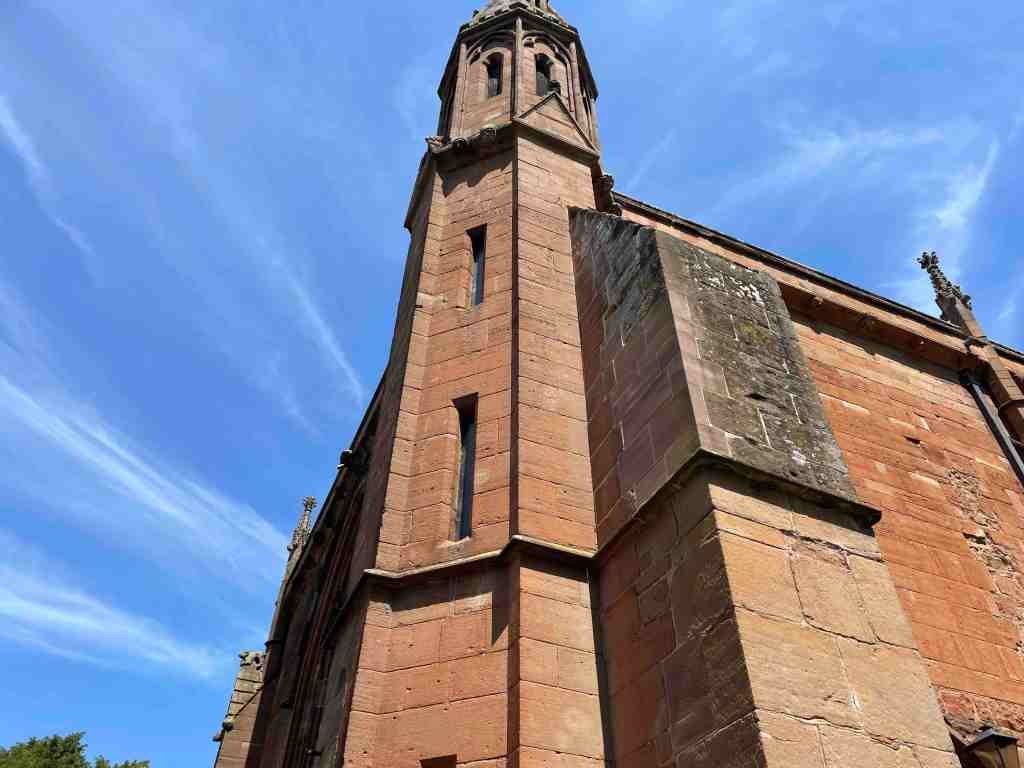
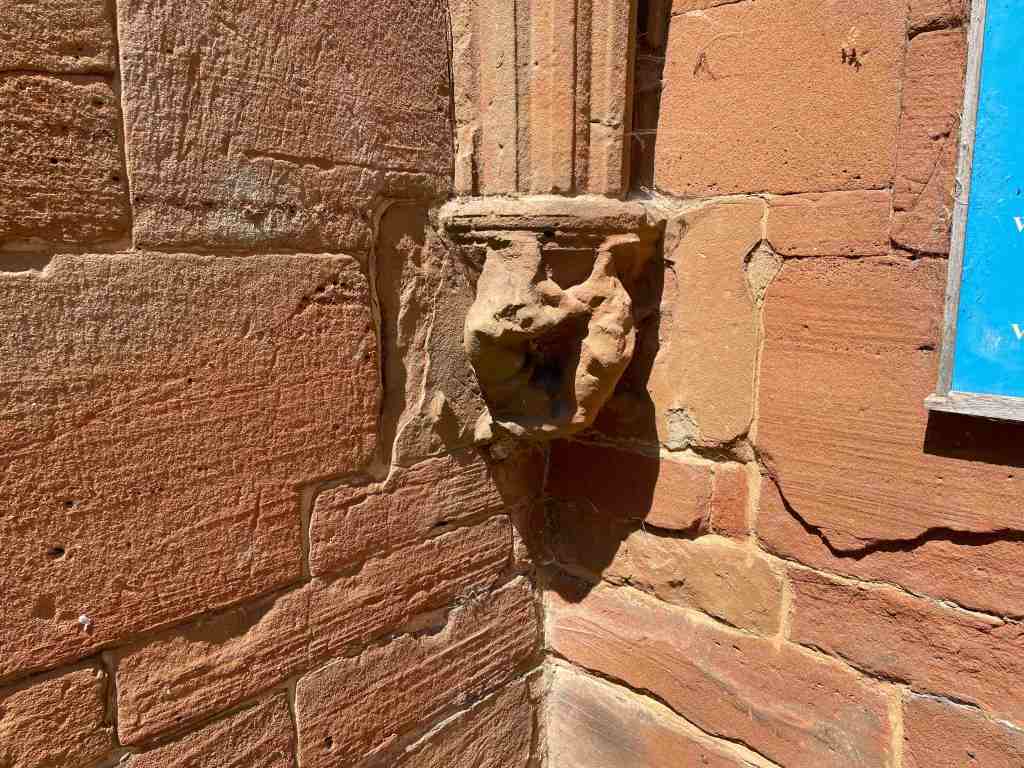
Temple Balsall was more than a manor occupied by a handful of crusading knights. It became the administrative heart of a network of Templar possessions spread across Warwickshire. Farms, mills, churches, rents, arable land, pasture and woodland lying many miles from Balsall were ultimately part of the economic system which supported the Order.
Properties at places including Chilvers Coton, Wolvey, Cubbington, Radford Semele, Warwick, Studley, Sherbourne, Newbold Pacey, Harbury, Temple Herdewyke and Lower Tysoe can all be placed within this wider Warwickshire Templar landscape. Other smaller holdings occur in medieval records and later summaries, although in several cases their exact extent and relationship with Balsall requires further research.
By the beginning of the fourteenth century Temple Balsall was therefore not an isolated monastery. It was effectively the headquarters of a sizeable landed estate.
Its fields produced grain and livestock. Its mills generated income. Its tenants paid rents. Its dependent properties supplied agricultural produce. Its churches produced ecclesiastical revenues. Lay servants, craftsmen, farm labourers, clerks and pensioners lived alongside a comparatively small number of professed religious brothers.
The medieval history of Temple Balsall is consequently as much a story of estate management and rural life as it is one of crusading knights.
The Foundation of Temple Balsall
The central manor of Balsall was granted to the Knights Templar during the reign of King Stephen, 1135–1154.
The donor identified by the great Templar survey of 1185 was Roger de Mowbray, son of Nigel d’Aubigny, one of the most important aristocratic supporters of the military orders in twelfth-century England. Later tradition sometimes dates the grant to the 1160s, but the association belongs broadly to the middle decades of the twelfth century and was certainly established by 1185.
Roger de Mowbray was himself deeply associated with crusading and religious patronage. His gift provided the Templars with an exceptionally useful base in the Forest of Arden, roughly between Coventry, Warwick and Birmingham.
By 1185 a manor was operating at Balsall, and during the following century it developed into the principal Templar administrative house for Warwickshire. Research into the Templars’ English towns similarly notes that Warwick had been one of the Order’s earliest houses, but that Balsall gradually eclipsed it, becoming a preceptory by around 1220.
This distinction is important.
Warwick appears to have been the Order’s earlier urban base in the county, while Balsall became the great rural estate centre from which the Templars increasingly administered their Warwickshire possessions.
What Was a Templar Preceptory?
A Templar preceptory was simultaneously:
- a religious house;
- an administrative headquarters;
- a manor;
- an agricultural estate;
- a financial centre;
- and a residence for brothers and their servants.
Its head was normally called a preceptor or commander.
Contrary to the popular image of a castle filled with armed knights, the majority of the daily activity at a preceptory such as Balsall concerned farming, rents, livestock, mills, markets, maintenance of buildings and the administration of estates.
Money generated by the Templars’ western European possessions helped maintain the wider Order and its military activities overseas.
Historic England describes Temple Balsall as particularly significant because it was purpose-built by the Templars and retains unusually good evidence of its medieval precinct. Archaeological and documentary evidence indicates a complex containing religious, domestic and agricultural buildings surrounded in part by substantial water features.
The Buildings of the Templar Preceptory
Medieval documentation and archaeological evidence allow us to reconstruct something of the appearance of Temple Balsall.
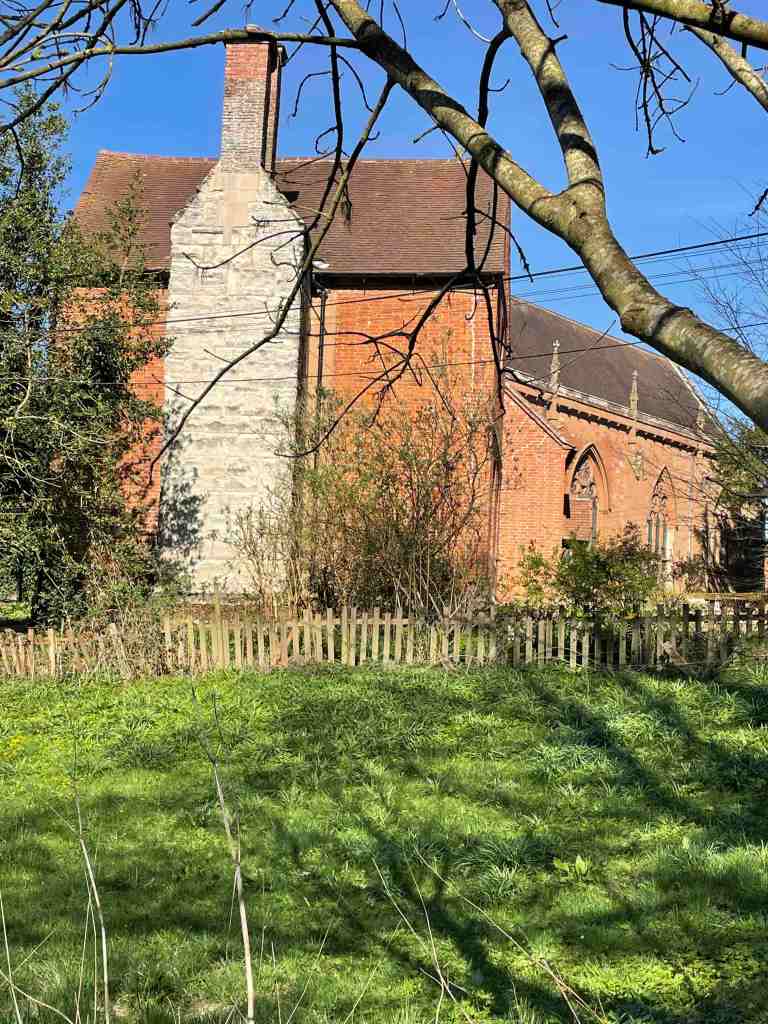
The principal complex contained a remarkable collection of buildings.
These included:
The church or chapel
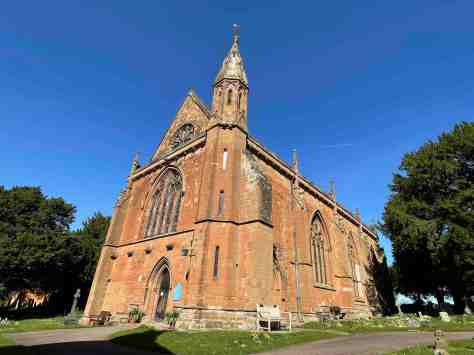
The religious centre of the community stood close to, or beneath parts of, the present church of St Mary. Historic England considers it likely that remains belonging to the earlier Templar church survive beneath the existing church and churchyard.
The great hall
The most extraordinary surviving secular building is the structure now known as the Old Hall or Templars’ Hall.
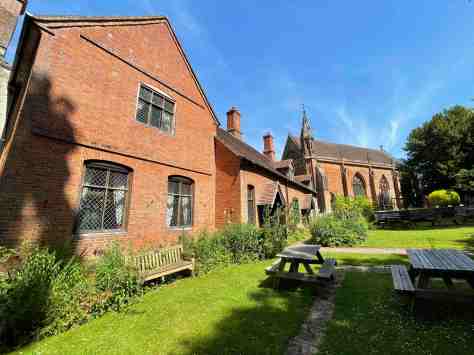
Although considerably altered and later encased, important medieval fabric survives within it. Historic England notes that timbers associated with the hall have produced early dates and regards the building as one of the very few surviving domestic structures in England that can be securely associated with the Knights Templar.
Domestic ranges
Records refer to:
- hall;
- chamber;
- chapel;
- buttery;
- pantry;
- kitchen;
- brewhouse;
- bakehouse.
These buildings appear to have been arranged around a courtyard.
The great barn
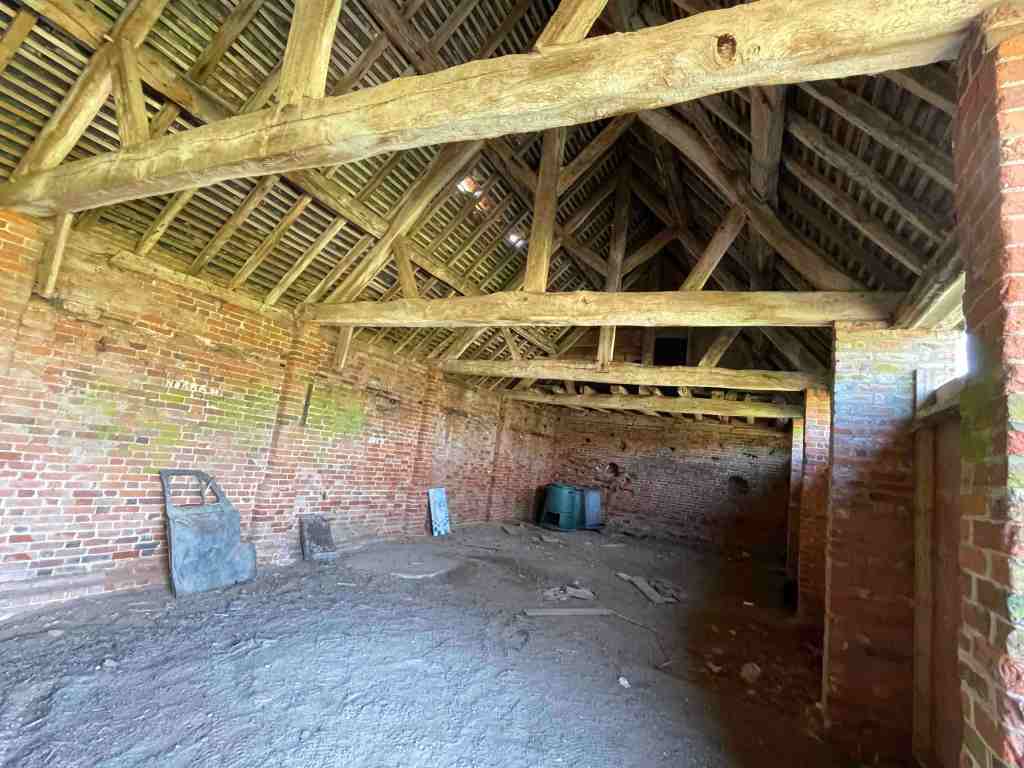
A substantial barn measuring approximately 140 feet by 40 feet is recorded among the agricultural buildings.
The mill
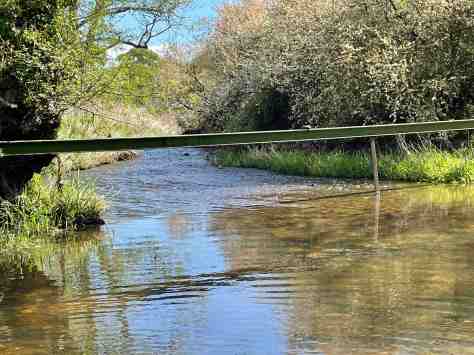
Balsall possessed its own watermill, an essential source both of food processing and estate revenue.
The dovecote
A dovecote provided meat, eggs and manure while simultaneously functioning as a visible symbol of manorial privilege.
Fishponds and water management
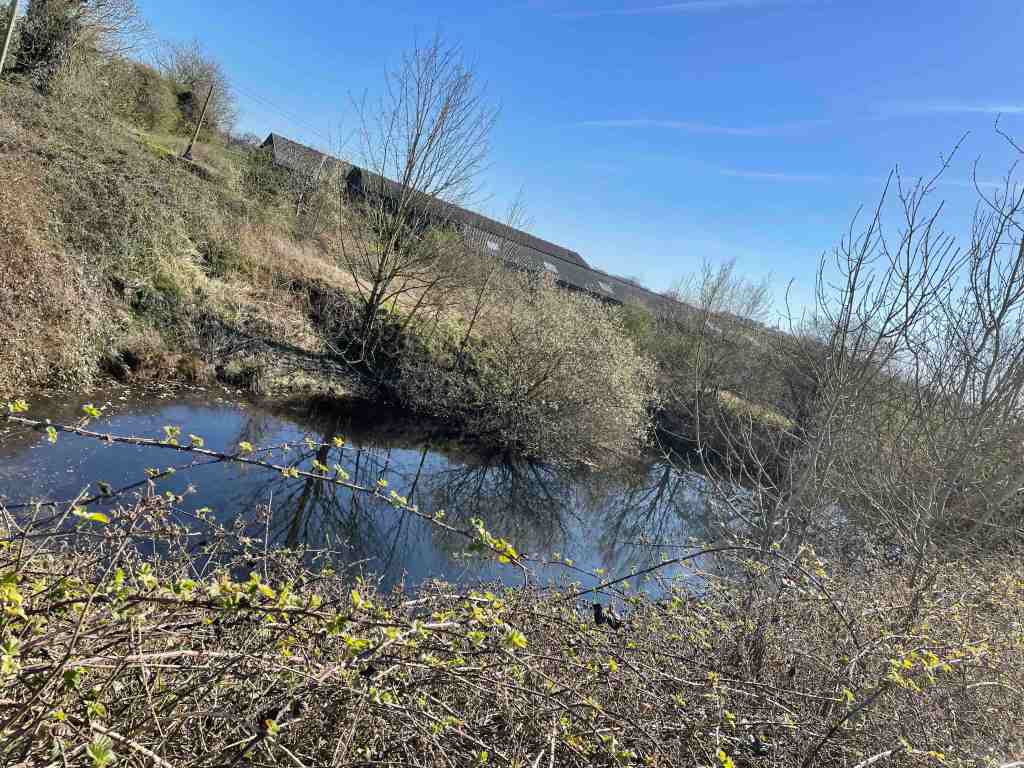
Large linear fishponds defined parts of the western and south-western side of the precinct, while a millpond lay to the south-east. Together these features probably gave parts of the preceptory an almost moated appearance.
The surviving earthworks are therefore not merely ornamental landscape features. They formed part of the working infrastructure of a large medieval estate.
The Balsall Estate
The central Balsall demesne consisted of land cultivated directly for the benefit of the Order.
Later estimates suggest that the estate around the preceptory comprised several hundred acres. More important than any single acreage figure, however, is the evidence for an intensive mixed agricultural economy.
Balsall acted as a central point in a wider system involving:
- arable cultivation;
- cattle;
- horses;
- sheep;
- dairying;
- forestry;
- milling;
- brewing;
- baking;
- fruit and cider production;
- and the collection of rents.
The Templars were granted free warren over their demesne lands in 1248, providing rights associated with hunting certain game on their estates.
In 1268 they received permission for a weekly Thursday market together with two annual fairs.
These privileges demonstrate that Temple Balsall had become more than a private farm. It stood at the centre of a sizeable local economy.
The People Who Lived and Worked at Temple Balsall
The religious brothers were always only one part of the population of a Templar house.
The surviving accounts reveal a remarkably busy community.
Later research has reconstructed approximately nineteen permanent agricultural workers associated with the Balsall home farm. These included specialist servants such as foresters, a dairyman, miller and workers concerned with horses and livestock, alongside ploughmen and general farm labourers.
Modern analysis of the 1308 accounts has strengthened this picture. Professor Helen Nicholson notes that women were employed at Balsall during harvest to collect straw, while evidence suggests that many estate labourers received food as part of their wages and probably ate communally in the hall.
The Templars were therefore a minority within their own estate community.
Surrounding them were:
- hired agricultural workers;
- craftsmen;
- tenants;
- clerks;
- priests;
- servants;
- pensioners;
- corrodians;
- visitors;
- and local tradesmen.
Temple Balsall should be imagined not as a silent monastery but as a working medieval estate filled with horses, carts, grain, livestock, smoke from kitchens and bakehouses, mill machinery, farm labourers and constant movement between Balsall and its dependent lands.
Laymen and Pensioners Recorded at Balsall
Some of the best surviving evidence concerns men who were not Knights Templar but who lived within, worked for, or received support from the community.
The records name:
John de Sibford
He received an annual payment of 5 shillings, maintenance at the squire’s table and a tunic of the same cloth provided for the preceptor’s retainers.
John de Bonyngton or Bovyngton
He received similar support in recognition of long and faithful service.
Adam de Westerdale
He paid 20 marks to secure a corrody or lifetime maintenance arrangement.
Richard the Carpenter of Balsall
Perhaps the most evocative individual in the records is Ricardus Carpentar’ de Belesale — Richard the Carpenter of Balsall.
He received food, clothing and an annual allowance on condition that he continued working as carpenter while physically capable of doing so.
Richard de Poleford
He also received support from the house, eventually obtaining maintenance at the squire’s table and a financial allowance.
Other names appearing in records associated with Balsall include:
- Adam del Oke;
- William de Alton;
- William Dering of Faxfleet;
- William de Howum, clerk;
- John de Sibford;
- John de Bonyngton;
- Richard de Poleford.
Nicholson’s recent analysis confirms these individuals from the surviving records of debts and corrodies.
This human evidence is particularly valuable because it reveals a community extending far beyond the famous white mantle and red cross.
Templars Connected with Temple Balsall
Reconstructing the actual Templar community is more complicated than older histories sometimes suggest.
One medieval preceptor securely identified in the traditional documentary record is a brother whose name is rendered Frater Ernisius, who acted as an arbitrator around 1224.
Other modern compilations identify Ernulf de Oisunville, Robert English and Alan de Haeton as successive thirteenth-century preceptors. These names deserve further checking against the original charter evidence before exact periods of office are treated as certain.
The suppression and trial of the Templars provide considerably stronger evidence.
Several men later examined by the authorities had been received into the Order at Balsall.
They included:
John de Coningeston
He stated that he had been received at Balsall approximately thirty-six years before the proceedings of 1308–11.
Thomas le Chamberlayn
Received into the Order at Balsall.
William de Warewyk
A Templar chaplain received at Balsall.
William de Burton
Received at Balsall.
Robert de Sautre
Received at Balsall.
John de Euleye
Received at Balsall.
Roger de Dalton
Received at Balsall.
John de Stoke
A chaplain associated with reception at Balsall approximately seventeen years before the trial proceedings.
The evidence does not necessarily mean that all these brothers were permanently resident at Balsall in January 1308. Medieval Templars moved between houses and duties, and being received into the Order at a particular preceptory is different from being stationed there decades later.
This distinction is important when reconstructing the community accurately.
A Note on Simon Dyseny
Simon Dyseny is sometimes listed online among the Knights Templar of Temple Balsall.
The documentary evidence places him more securely in the Knights Hospitaller community at Balsall in 1338, more than twenty-five years after the Templar Order had been abolished.
The Hospitaller report of 1338 records Commander Henry de Buckston, Brother Simon Dyseny, knight, and Brother John de Sprottelee, a serving brother, at Balsall.
Simon Dyseny should therefore be described as a Knight Hospitaller at Temple Balsall, not presently as a proven Templar brother there.
The Warwickshire Estate Controlled from Balsall
By the thirteenth century the Templars possessed a remarkable network of estates and rights across Warwickshire.
Not every property was a complete manor.
Some consisted only of:
- a few yardlands;
- rents;
- a mill;
- a church;
- an advowson;
- woodland;
- pasture;
- individual tenements;
- or parcels of arable land.
The following sites form the most important components of the Balsall network.
Chilvers Coton — Cherlecote
The Knights Templar possessed land at Chilvers Coton, close to modern Nuneaton, by 1185.
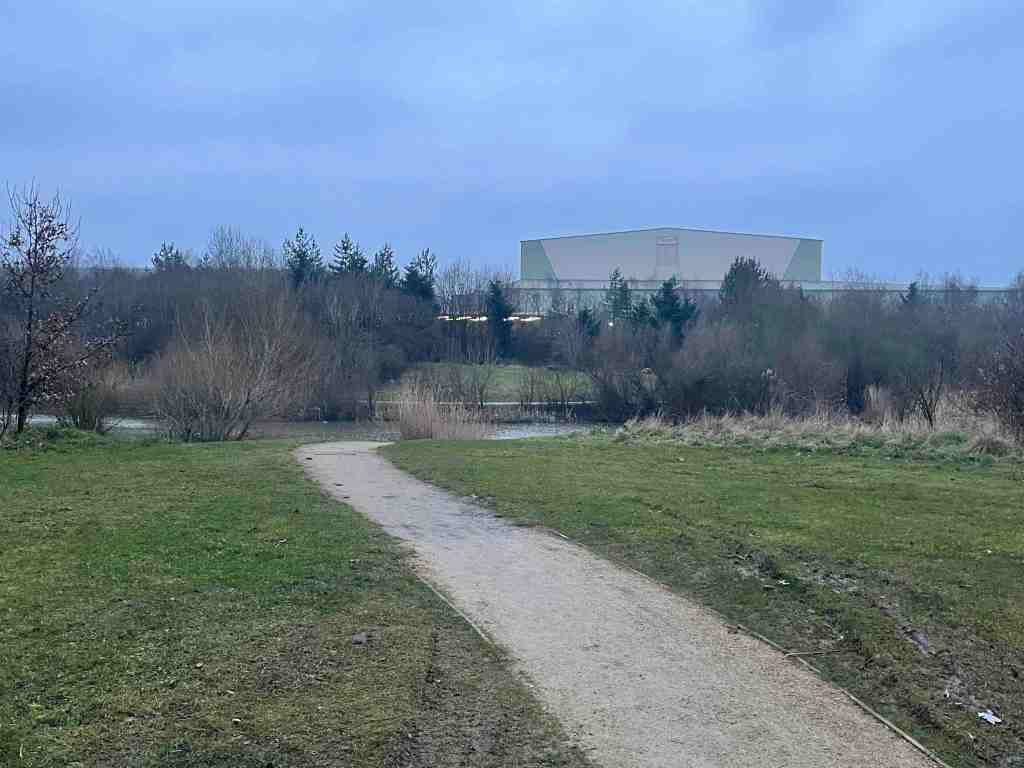
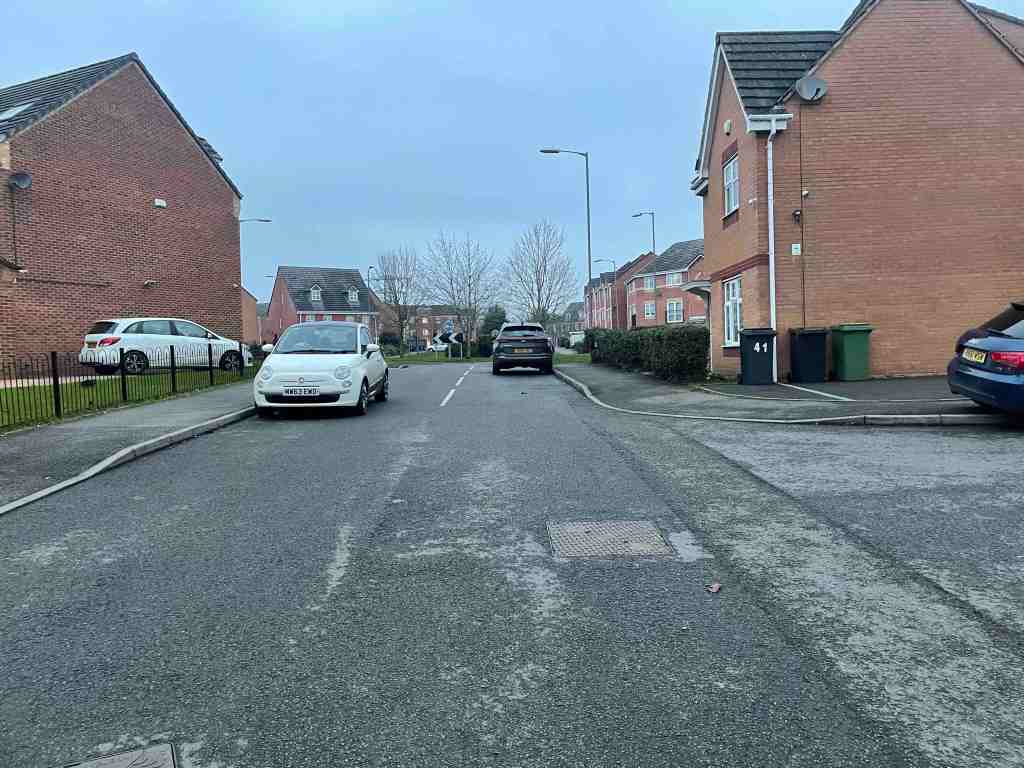
The precise donor and original extent deserve further examination in the 1185 survey and associated Warwickshire charters, but there is no doubt that this was one of the Order’s established Warwickshire holdings.
Its later history is particularly useful because the property remained identifiable after the Templar suppression.
Under the Knights Hospitaller the estate continued to be associated with the military orders, and by the later Middle Ages it was described as a manor.
A later manor house was known as The Temple.
The estate appears to have been agricultural rather than an independent major preceptory and should consequently be understood as a dependent Templar property connected administratively with Balsall.
Its produce and rents ultimately contributed to the same wider Warwickshire commandery.
Wolvey — Wolfhey
At Wolvey, the Templars possessed an agricultural estate that included a substantial fishpond.
The association was established by the thirteenth century; local historical evidence records a Templar farm at Wolvey by 1257, commemorated in the later name Temple Farm, on Temple Hill.
An especially revealing document from the period following the arrests states that the canons of Arbury were entitled to two marks annually from the fee farm of the old mill at Wolvey, together with obligations connected with the manor.
Professor Nicholson’s reconstruction records:
the fee farm of the old mill of Wolvey with the secta of the whole manor.
The secta molendini was the obligation of tenants to bring grain to a particular manorial mill. It could make a mill extremely valuable.
Wolvey therefore consisted not simply of farmland but of an agricultural and milling economy whose revenues were integrated into the Templar system administered through Balsall.
Cubbington — Cobington
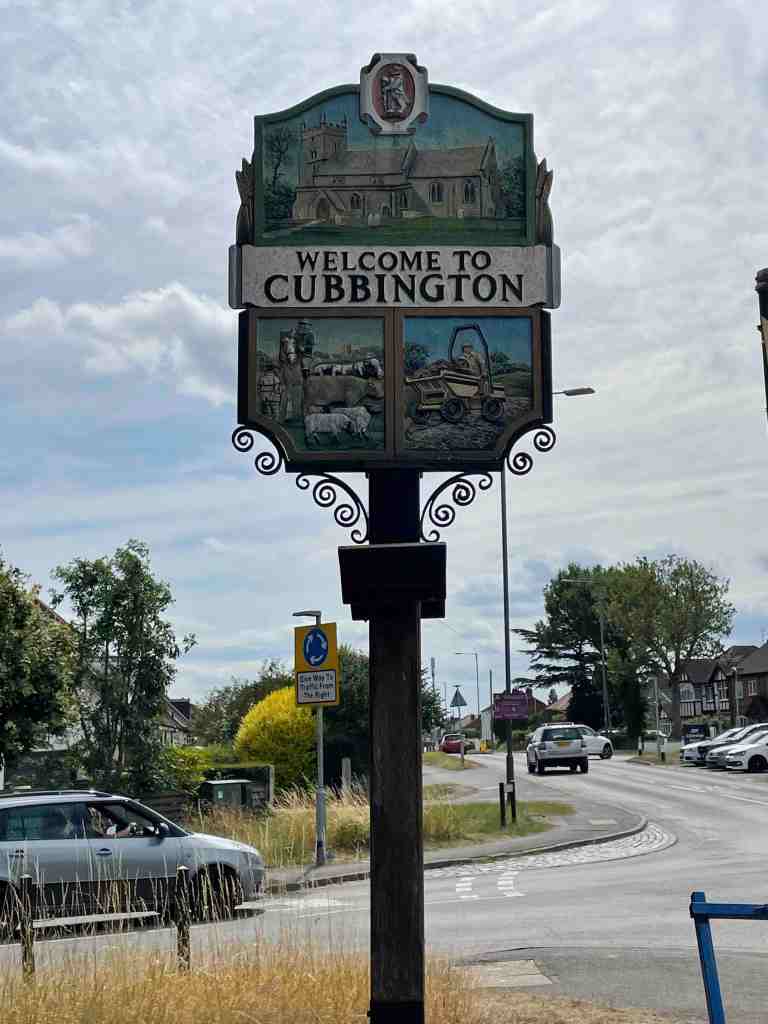
The Templar manor at Cubbington has a particularly well documented origin.
In the 1270s the estate was associated with Henry de Seymour and his wife Ermegarde.
Henry having fled overseas, the manor came temporarily into royal control. Shortly afterwards Ermegarde granted property there to the Knights Templar.
By 1279 the Order held:
- three yardlands in demesne;
- and an enclosed grove.
In 1280 an agreement was reached through Robert de Turvill, Master of the Temple in England, under which Ermegarde and her husband were to receive an annual payment of four marks during her lifetime.
After the destruction of the Templar Order the property passed into Hospitaller possession and was explicitly associated with the Balsall preceptory.
Cubbington is therefore one of the clearest examples of a dependent manor being drawn into the Balsall estate during the later thirteenth century.
Hunningham
Hunningham requires greater caution.
Although later lists of Warwickshire Templar property contain numerous minor places beyond the better-known manors, the evidence currently located does not securely demonstrate that Hunningham itself formed one of the principal estates administered from Temple Balsall.
Older compilations sometimes contain similar medieval names which can easily become confused in modern transcription.
Until a charter, the 1185 survey, an account or another contemporary document explicitly identifies the holding, Hunningham should therefore be described as a possible or minor Templar holding requiring further documentary confirmation, rather than a proven manor of the Balsall estate.
This is one location where examination of Dugdale’s detailed list of Warwickshire Templar grants and the surviving Exchequer accounts would be especially valuable.
Radford Semele
The link between the Templars and Radford Semele is much firmer.
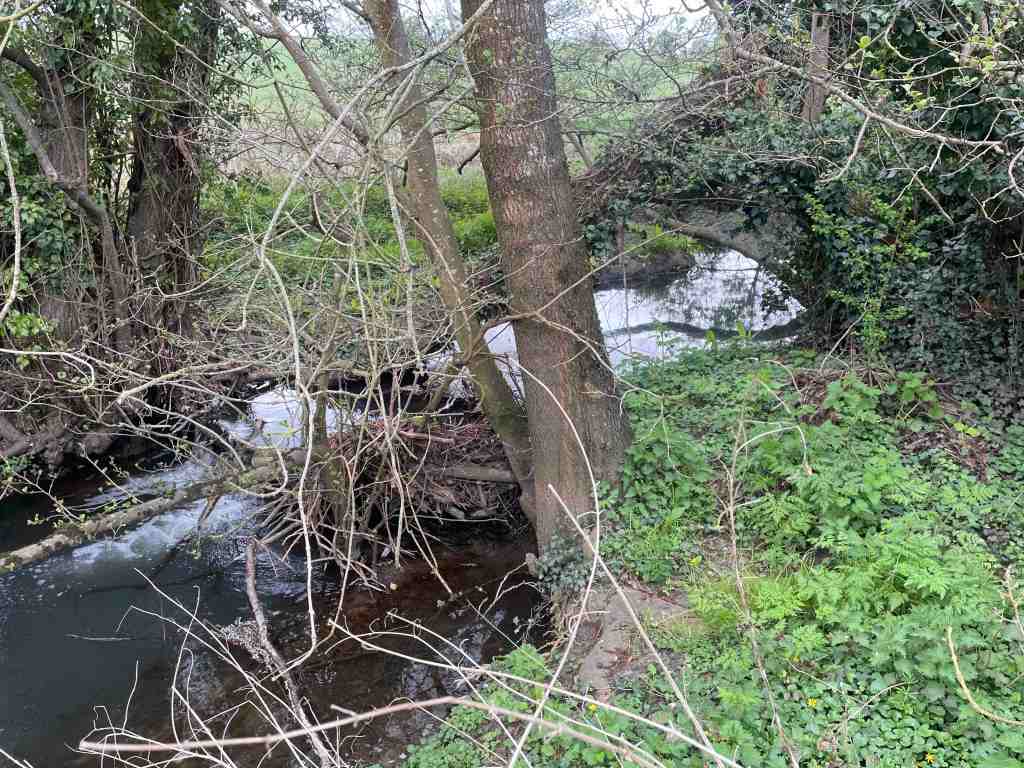
Shortly before 1185, William Simely permitted William Pludieu to alienate land at Radford to the Knights Templar.
The Victoria County History preserves this transaction.
The holding appears primarily to have consisted of agricultural land rather than a separate preceptory.
Its significance lies precisely in this type of small acquisition.
A few acres or fields at Radford, multiplied across dozens of Warwickshire villages, created a substantial collective estate capable of producing crops, rents and other income for Balsall.
Warwick — Temple Park and the Earlier Templar House
The Templars’ presence at Warwick actually predates the rise of Balsall as their county headquarters.
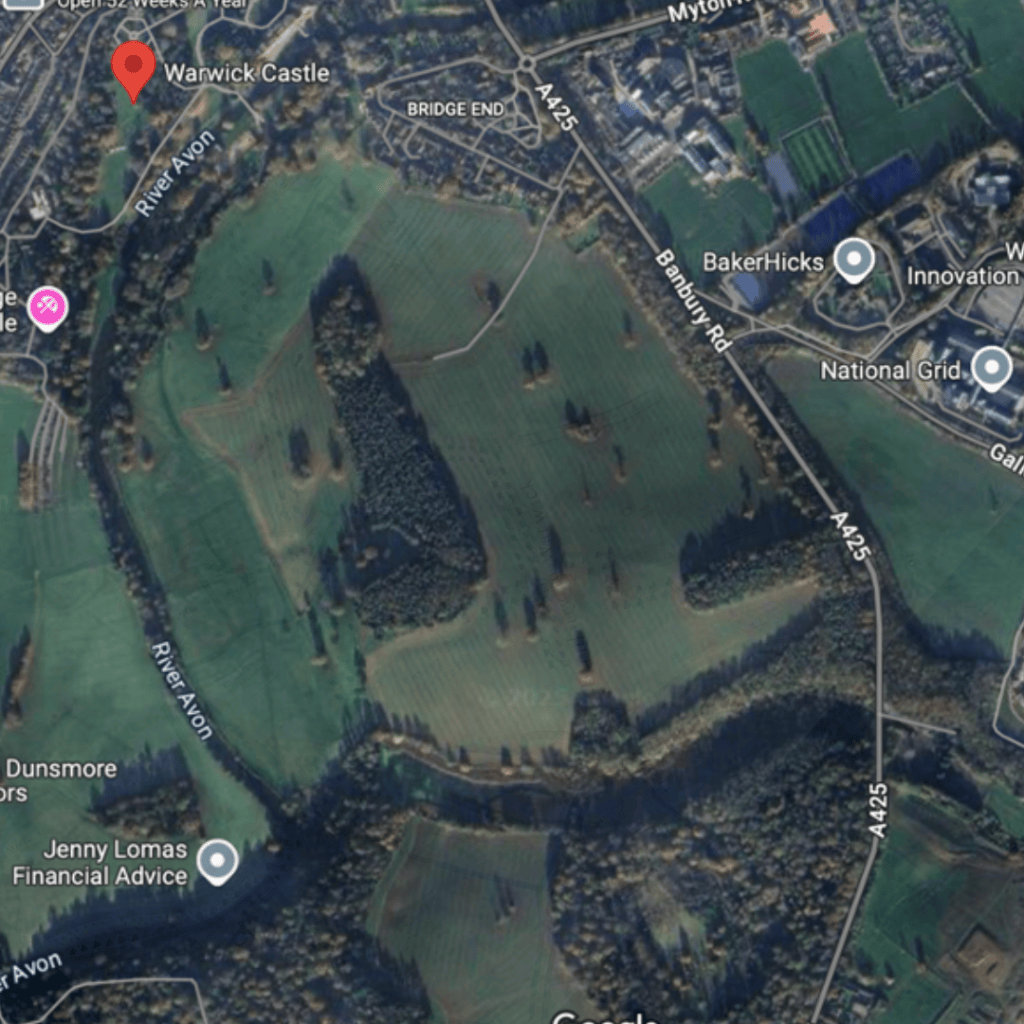
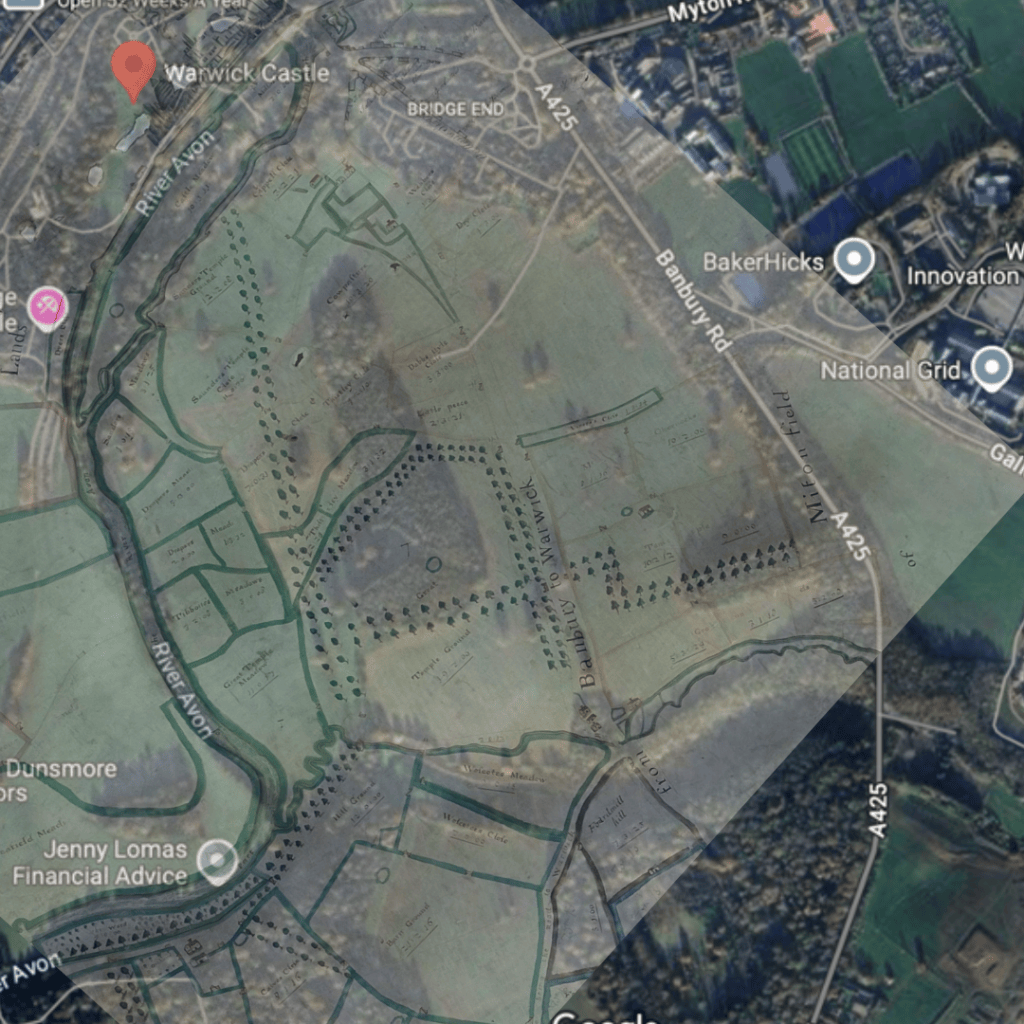
Roger, Earl of Warwick, who died in 1153, gave the Order a small manor south of the River Avon beyond the bridge.
The site lay in what later became Castle Park, close to the old Banbury Road. Archaeological and documentary evidence indicates a moated property with associated enclosures.
The estate contained tenants and tradespeople and appears to have functioned initially as an important local Templar base.
As Balsall developed, however, the administrative importance of Warwick diminished and the rural preceptory at Temple Balsall became the dominant house.
The Warwick estate nevertheless remained valuable.
Records show that Guy de Beauchamp, Earl of Warwick, was entitled to an annual payment of nine shillings connected with two mills held by the Templars in Warwick.
The Mill of Alstanesford or Alfanstead
Among the Templar assets recorded in the Warwick area was the mill of Alstanesford, sometimes rendered in modern discussions as Alfanstead.
The 1185 material records substantial income from the mill, held ultimately of the fee of the Earl of Warwick.
A watermill was one of the most valuable components of a medieval manor because tenants could be obliged to grind their grain there and pay a proportion of the grain or money as multure.
The Warwick mills therefore provided a regular stream of revenue which could be accounted for through the Templars’ Warwickshire administration.
Their existence reinforces the importance of viewing Warwick and Balsall as parts of the same evolving regional estate rather than two entirely separate Templar establishments.
Studley — Stodleye
Studley was another significant component of the Warwickshire estate.
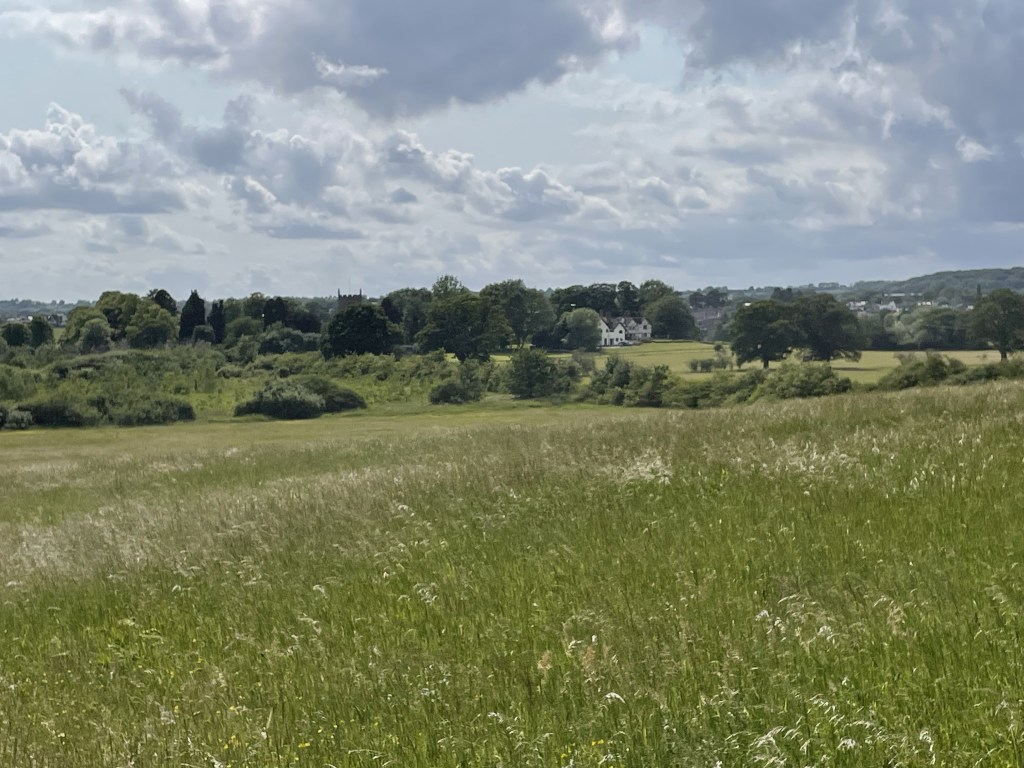
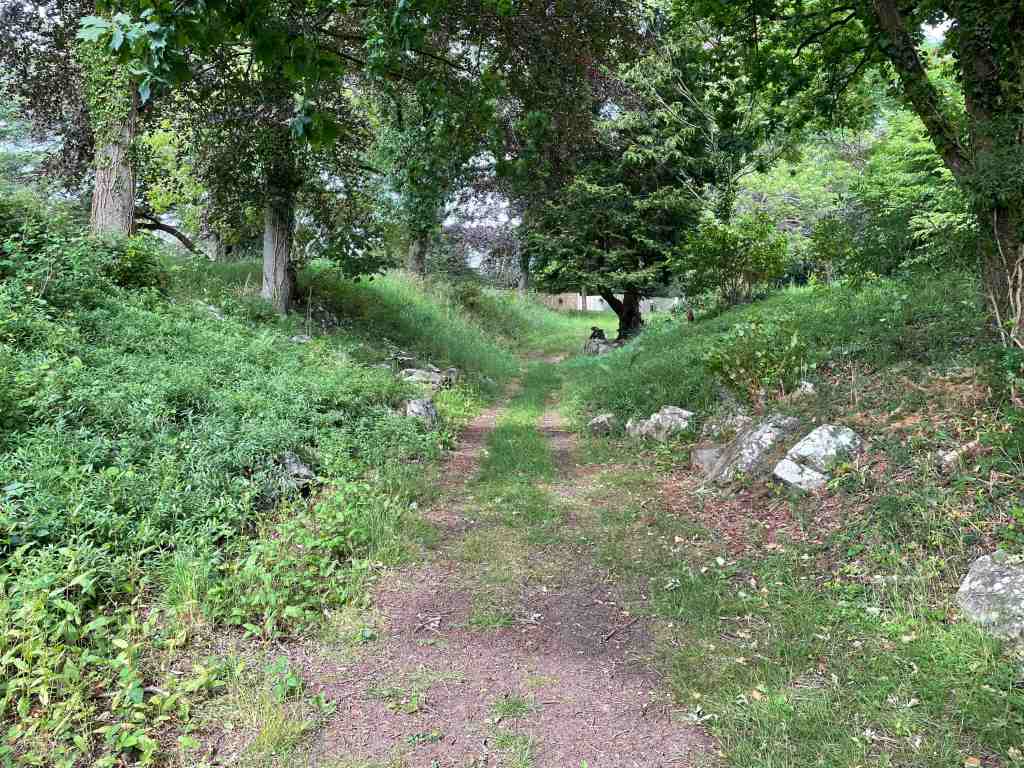
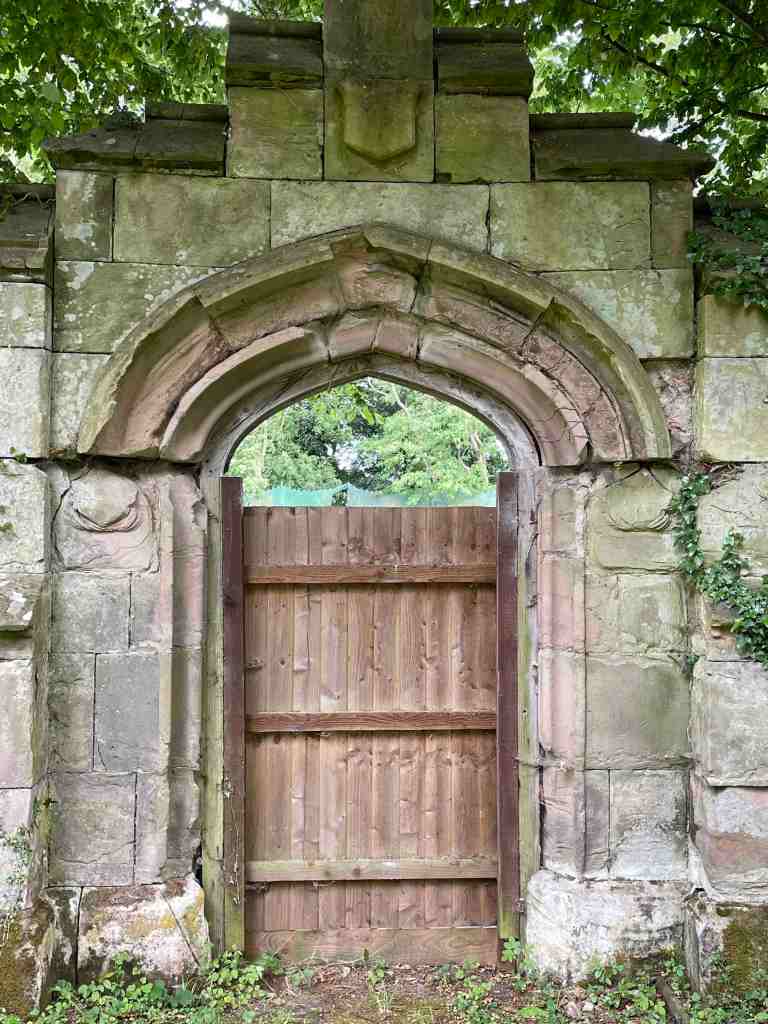
Before 1185, Peter de Studley granted land and a mill there to the Knights Templar.
Further property was accumulated during the thirteenth century.
In 1233 the Order reached an agreement with Amice, widow of William Corbucion, concerning land at Studley.
In 1246, Richard de la Holte and Agnes his wife made another grant.
By the aftermath of the Templar suppression their Studley property comprised:
- land;
- rents;
- and two mills.
The rents included approximately 30 shillings annually.
The 1308-era Warwickshire records additionally show that tenements in Stodlegh — Studley — were connected with payments to the Earl of Warwick.
Washford Mill
Local tradition identifies Washford Mill with the Templar estate at Studley.
There is secure documentary evidence that the Order possessed mills in Studley, including the mill contained in Peter de Studley’s pre-1185 gift and two mills recorded with the estate following suppression.
However, identifying one of those medieval Templar mills specifically and continuously with the later-named Washford Mill requires documentary or topographical proof.
For a public website it is therefore safest to say:
The Templars certainly possessed mills at Studley; Washford Mill is a strong candidate for association with this estate, but the exact identification should be treated as probable rather than proven until the medieval and later mill records can be linked securely.
Edstone and its Mill
Edstone appears in broader discussions of Warwickshire’s medieval estates, but the precise Templar interest there is considerably less well documented in readily accessible sources than Studley, Cubbington or Sherbourne.
If the Templars held a mill or land at Edstone, it was probably a satellite economic holding rather than an independent Templar house.
At present the donor, exact date of acquisition and extent should not be stated as certain without locating the relevant medieval grant.
This is another property where the original Warwickshire Templar accounts and Dugdale’s collection of grants should be checked before presenting a detailed donor narrative.
Sherbourne — Shirburne
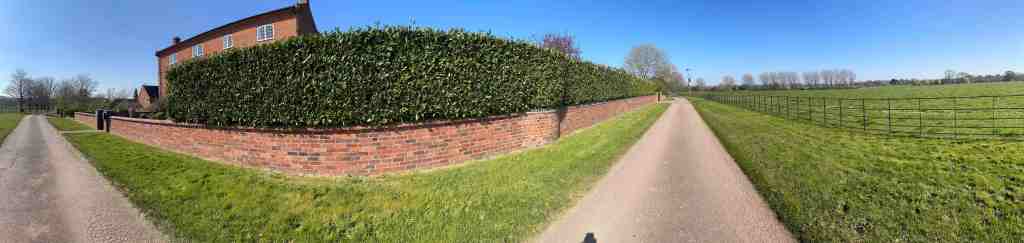
Sherbourne was one of the most valuable components of the Warwickshire Templar estate.
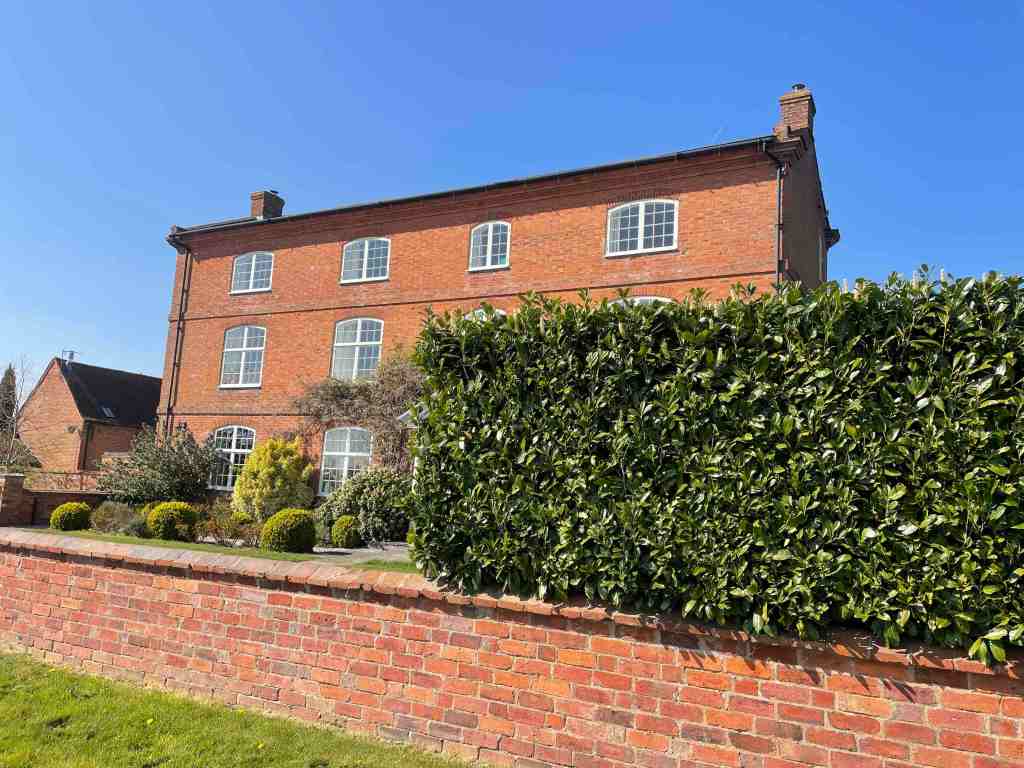
The Order possessed substantial agricultural land there traditionally associated with a gift from the Earls of Warwick, together with important ecclesiastical rights.
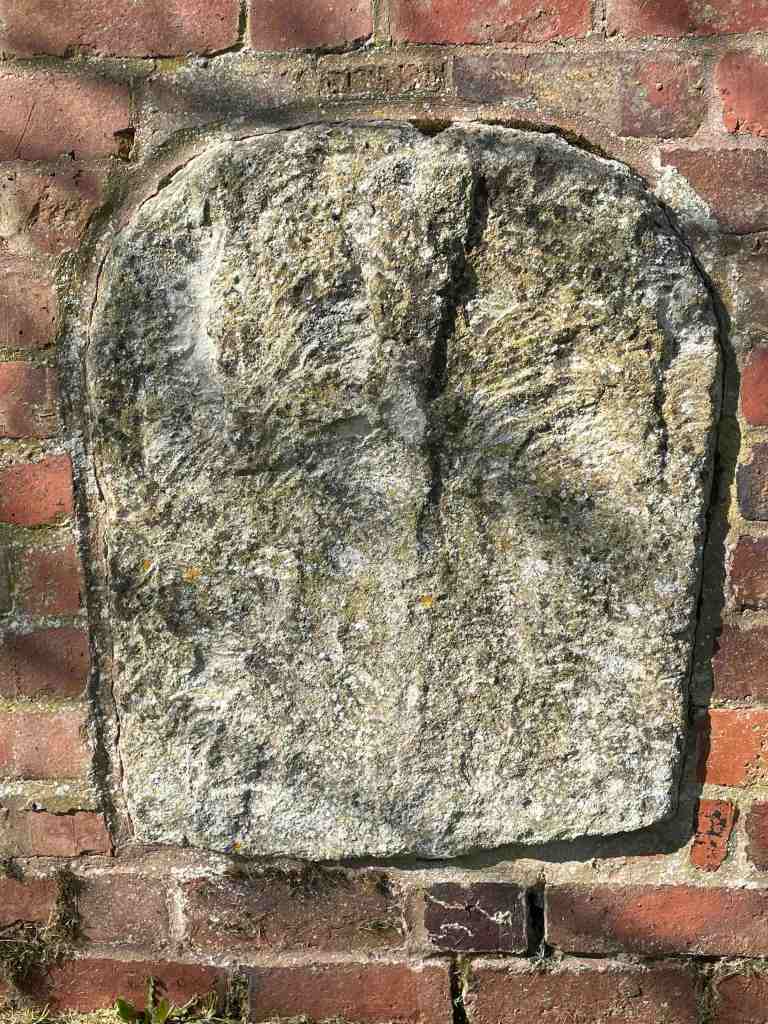
The Templars held approximately 360 acres in later reconstructions of the estate.
More importantly, they possessed the church of St Mary at Sherbourne.
By 1185 the church was already connected with the Order.
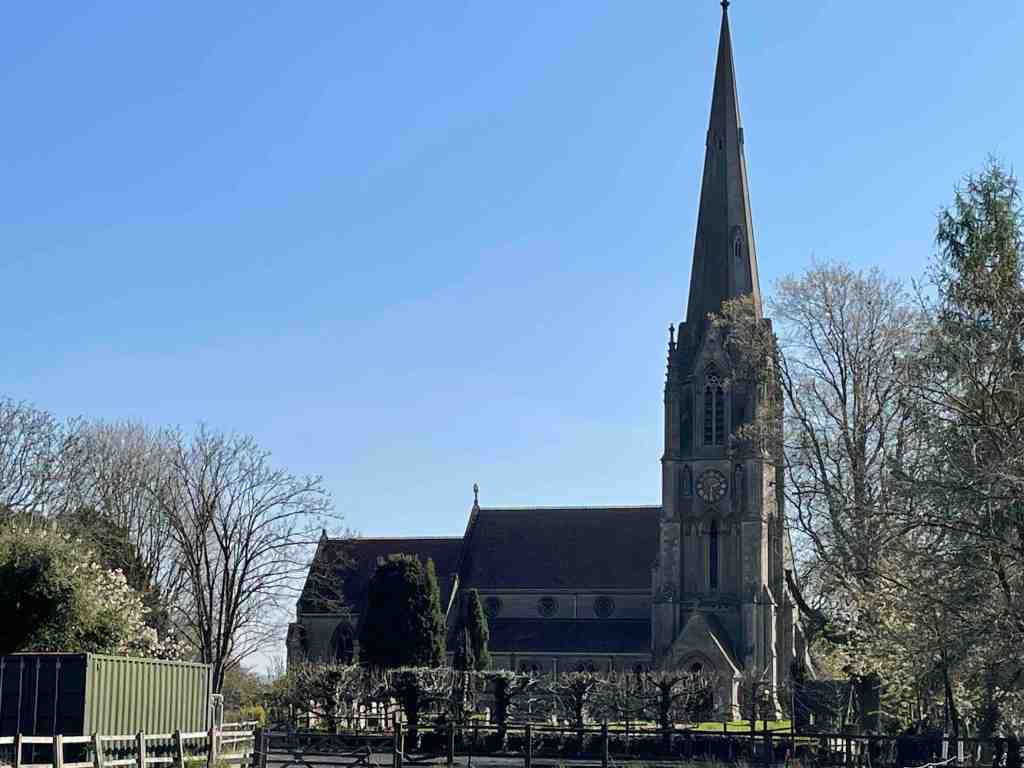
The Templars eventually held it in proprios usus — effectively appropriated to their own use — while providing for the spiritual care of the parish.
After the arrests of 1308, records show that Robert de Northampton, canon of St Mary’s Warwick, was owed an annual pension of 6s. 8d. from the church of Sherbourne, while Henry, vicar of Sherbourne, appears among people financially connected with Balsall.
This reveals how closely Sherbourne was tied into the Balsall administrative system.
Sherbourne Mill
Sherbourne also possessed a valuable watermill.
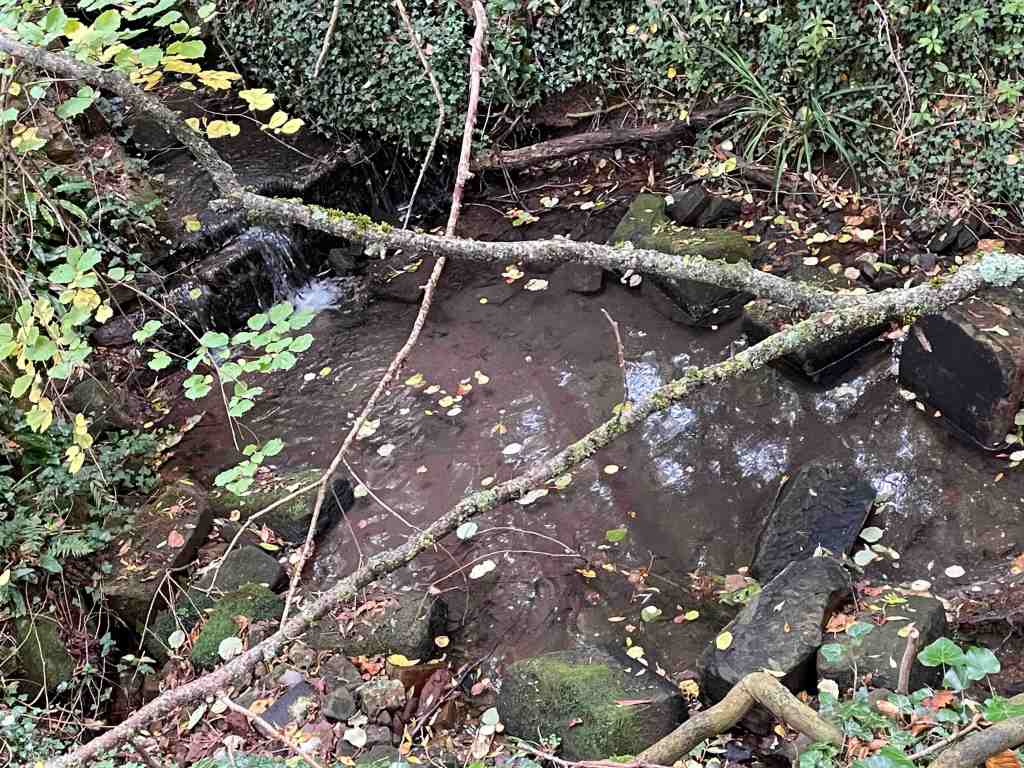
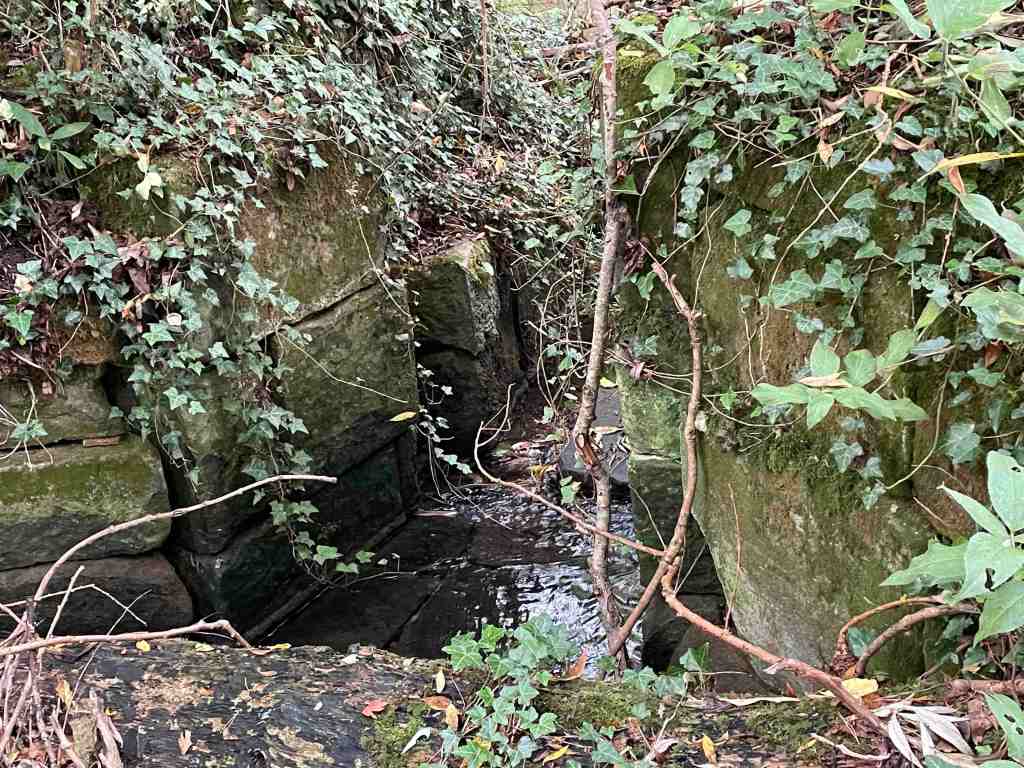
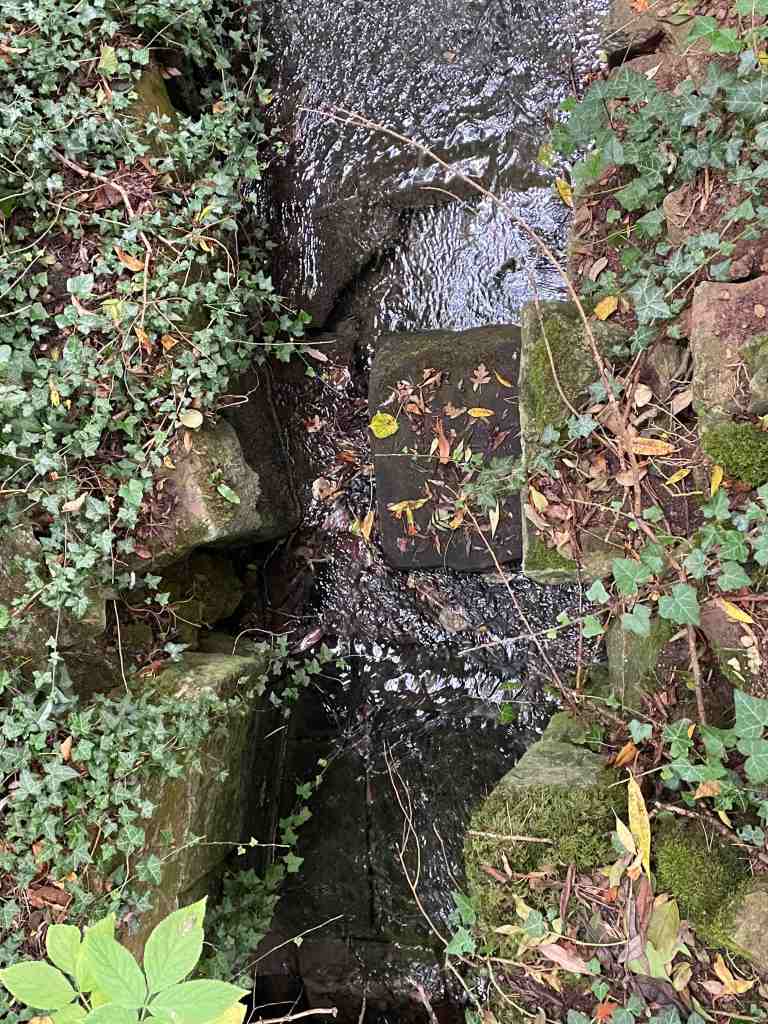
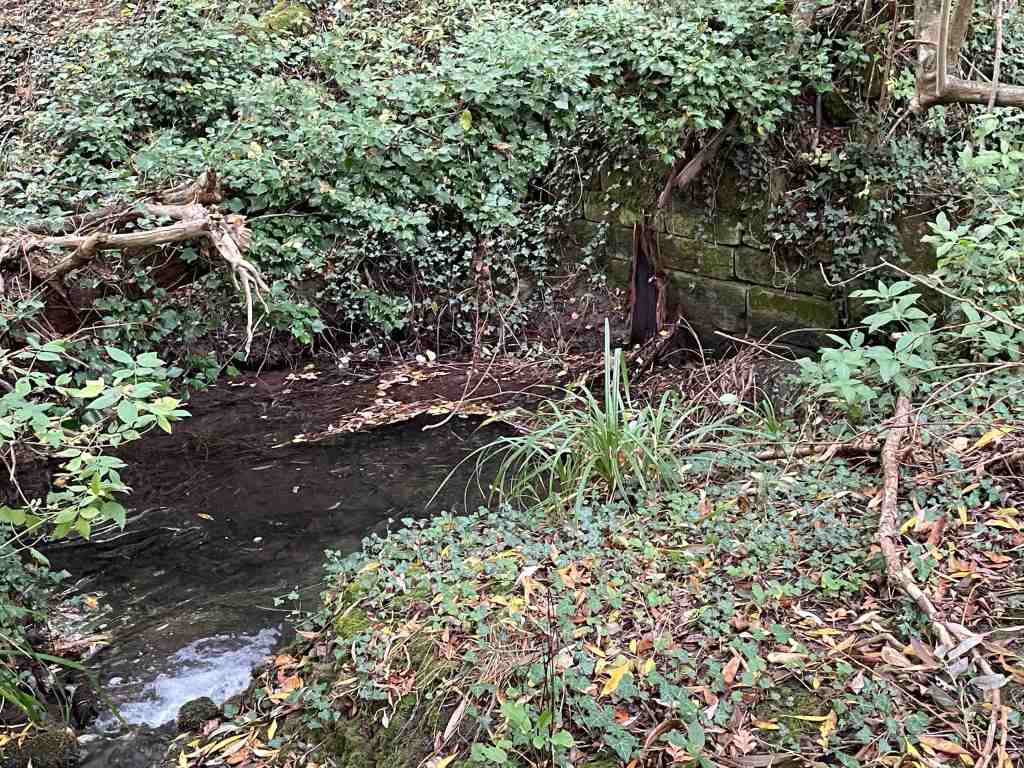
The mill is recorded among the Templars’ early Warwickshire income and appears to have been held ultimately of the Earl of Warwick.
Its probable location beside the River Avon gave the estate an obvious source of power for grinding grain.
Sherbourne therefore combined three extremely valuable forms of medieval revenue:
land + church + mill.
That combination helps explain why it was such an important component of the Warwickshire Templar estate.
Newbold Pacey
At Newbold Pacey, the Knights Templar possessed approximately two hides of land by 1185.
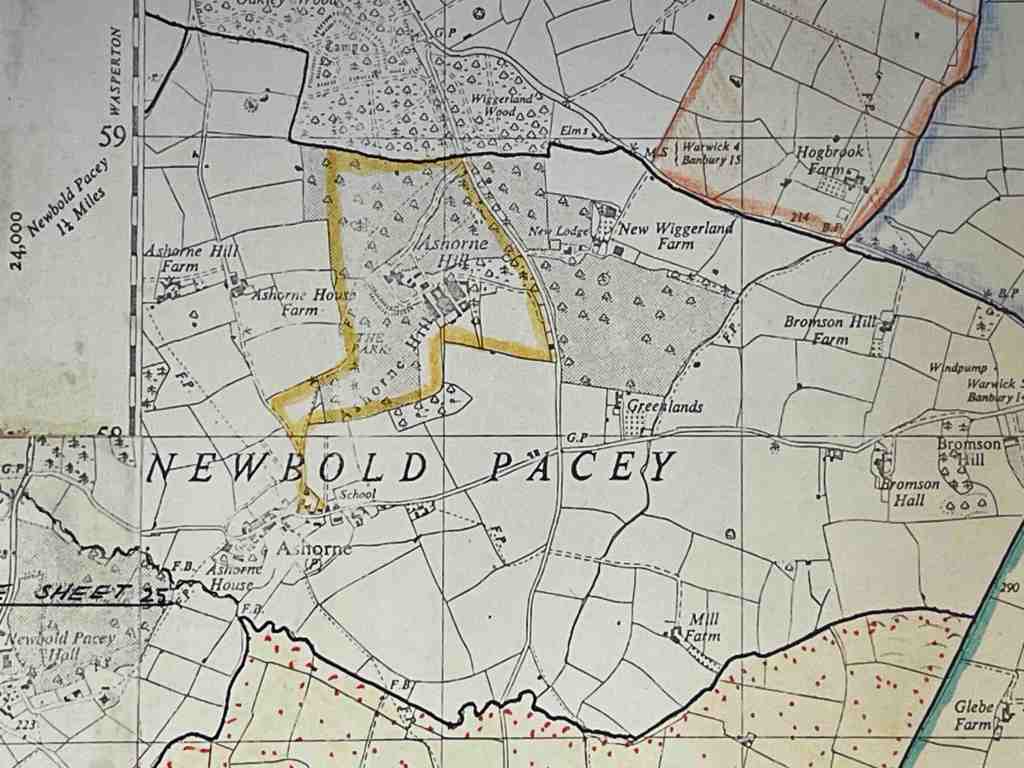
The identity of the original donor deserves further examination, but the holding was already established by the time of the great Templar survey.
Following suppression, the estate eventually passed into Hospitaller control.
The later history is particularly useful because sixteenth-century records refer to a messuage and lands at Newbold Pacey belonging to the former Balsall commandery.
This confirms the administrative relationship particularly clearly.
Newbold Pacey was therefore not a separate Templar preceptory. It was an agricultural estate or farm whose ultimate administrative centre was Temple Balsall.
Earthworks survive close to the church and include features which deserve further investigation, although assigning any particular earthwork directly to the Templars without excavation would be speculative.
Moreton Morrell
Older descriptions of the Templar possessions in Warwickshire include land at a place rendered simply as Morton or Moreton.
It is tempting to identify this automatically with Moreton Morrell, but that identification should presently be treated cautiously.
Moreton Morrell was an important medieval settlement and manor, but the surviving evidence considered here does not yet demonstrate that the entire manor belonged to the Templars.
The safest conclusion is that the Templars probably possessed land or rights in a place called Morton/Moreton, but further charter work is required before confidently equating that holding with a particular estate at modern Moreton Morrell.
Chesterton and its Mill
Chesterton likewise appears in older county-wide lists of Warwickshire property held by the Knights Templar.
Again, there is an important distinction between:
owning land within a parish
and
owning the manor itself.
The currently available evidence supports a Templar interest in Chesterton but does not justify presenting the complete manor as a Balsall dependency without further evidence.
The same caution applies to the proposed Templar mill at Chesterton.
The Order owned numerous mills throughout Warwickshire — medieval summaries refer to more than thirteen — so a mill holding is entirely plausible. What still requires confirmation is the precise donor, date and medieval site.
Chesterton should therefore remain on the list of documented or probable minor Warwickshire Templar holdings awaiting fuller reconstruction from the primary records.
Harbury — Herbebure
The Templars possessed substantial land at Harbury, an association still recalled by the place-name Temple End.
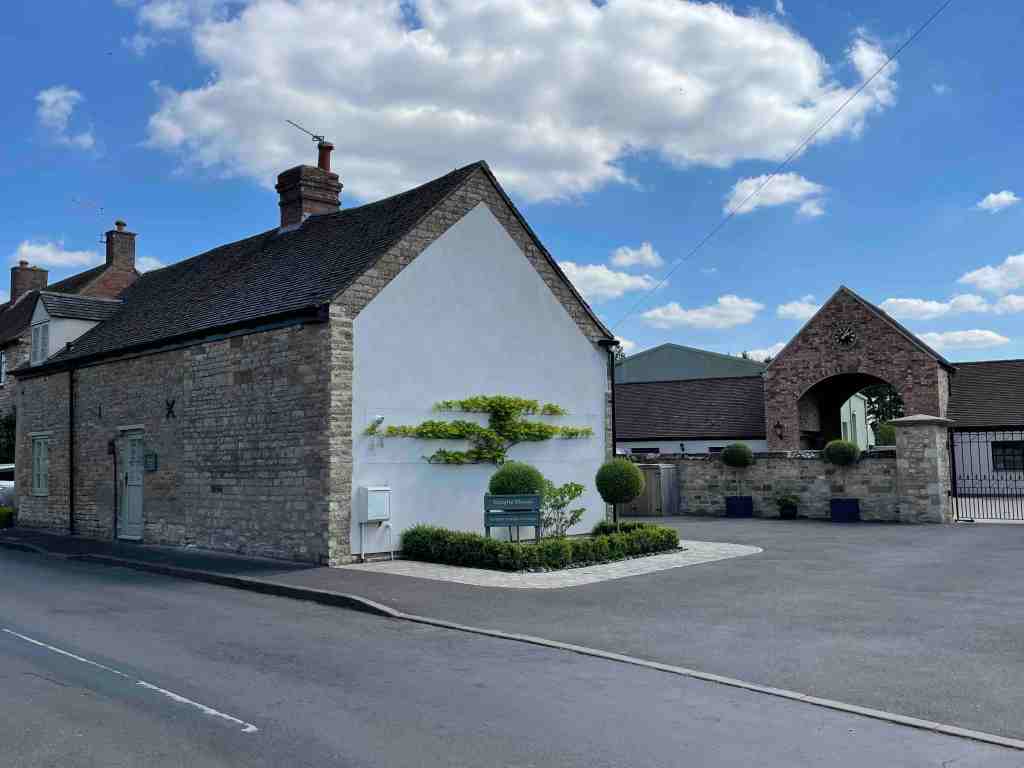
The estate was agricultural in character and was administered as part of the wider Balsall system.
Harbury’s importance may have been connected particularly with grazing and livestock.
Later descriptions of the operation of the Warwickshire estate suggest that livestock could be moved between the Order’s different properties according to the resources available at each manor — a sophisticated form of centralized estate management.
In this context Harbury should not be imagined as an isolated farm.
It belonged to an interconnected system in which Balsall’s commander and estate officials could coordinate pasture, livestock and produce across multiple manors.
Temple Herdewyke — Hardwick
Temple Herdewyke, near Burton Dassett, provides another fascinating Templar landscape.
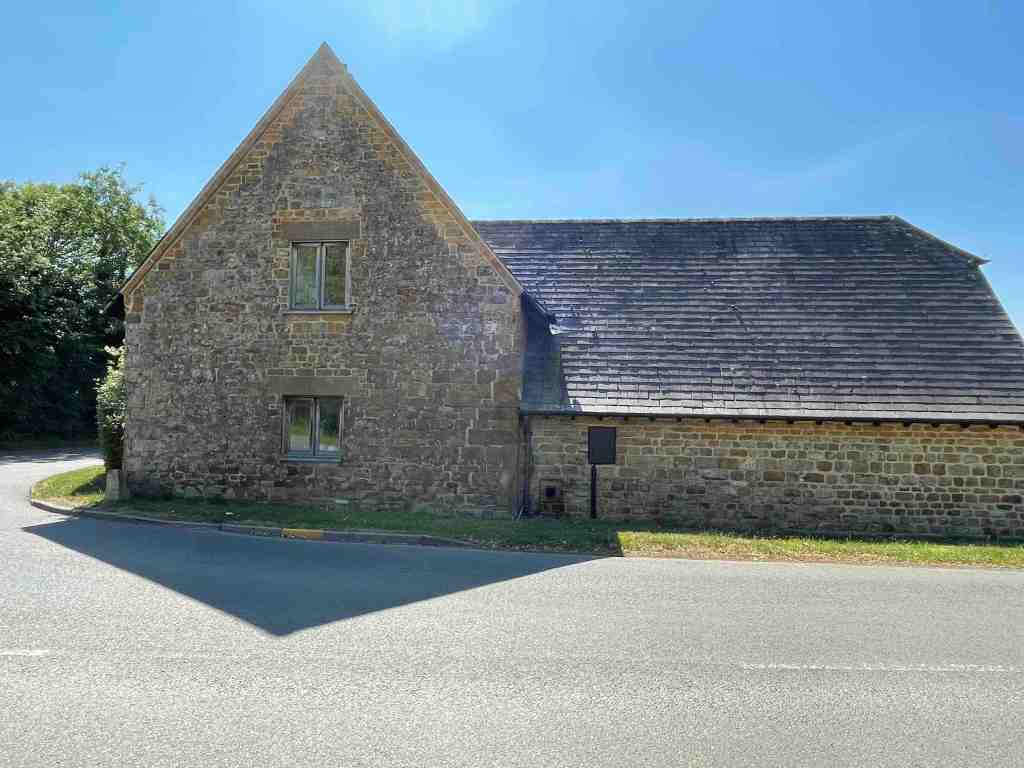
The Order certainly possessed land at Herdewyke or Hardwick, and the place-name preserves that connection.
The later 1308 accounts reveal an ecclesiastical dimension as well. The Prior of St Andrew’s, Northampton, was entitled to receive one mark of silver each year from the commander of Warwickshire as part of an agreement concerning the advowson of the church of Herdewyk.
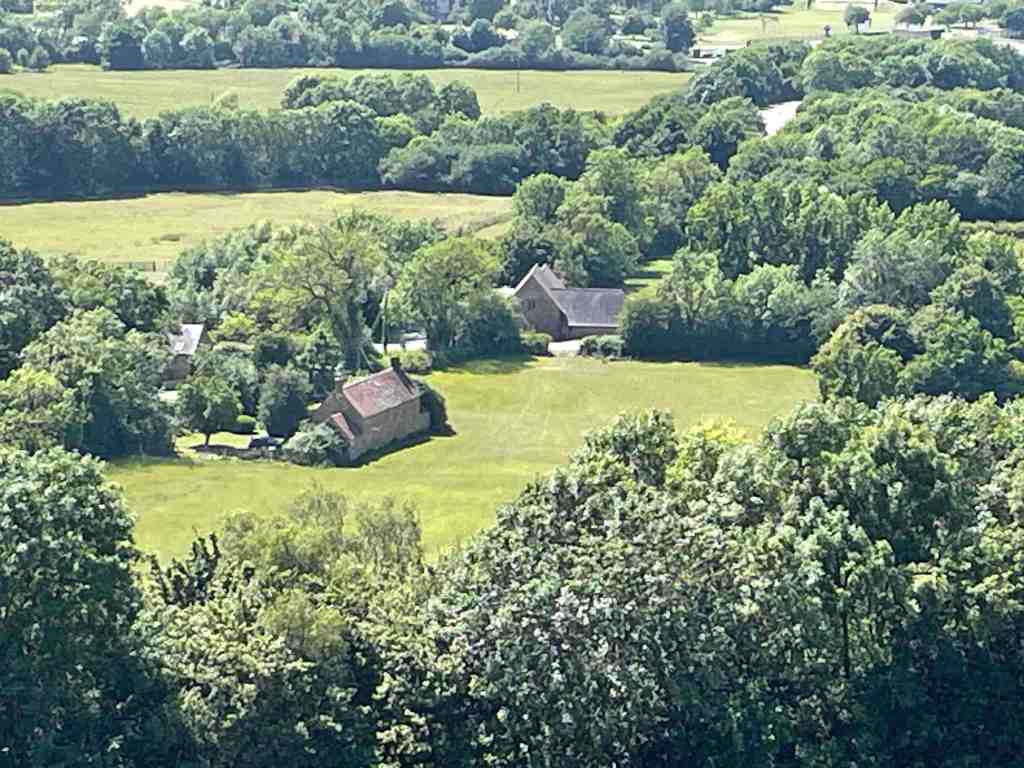
That reference is particularly valuable because it directly connects Hardwick with the commander of Warwickshire.
The exact history surrounding the original acquisition requires care. Modern stories linking Ralph de Sudeley, crusading relics and a separate training preceptory at Herdewyke go considerably beyond what can presently be demonstrated securely from the surviving medieval evidence.
What is certain is that the Templars possessed property there and that its ecclesiastical rights were administered within their Warwickshire organisation.
Lower Tysoe — Temple Tysoe
The southern settlement of Lower Tysoe was historically known as Temple Tysoe, preserving one of the clearest place-name memories of Templar ownership in Warwickshire.
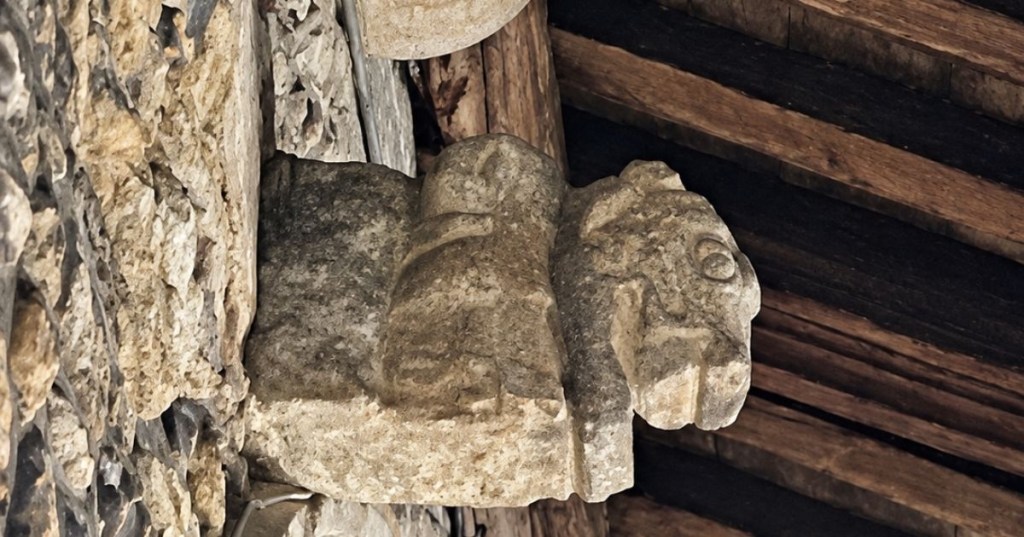
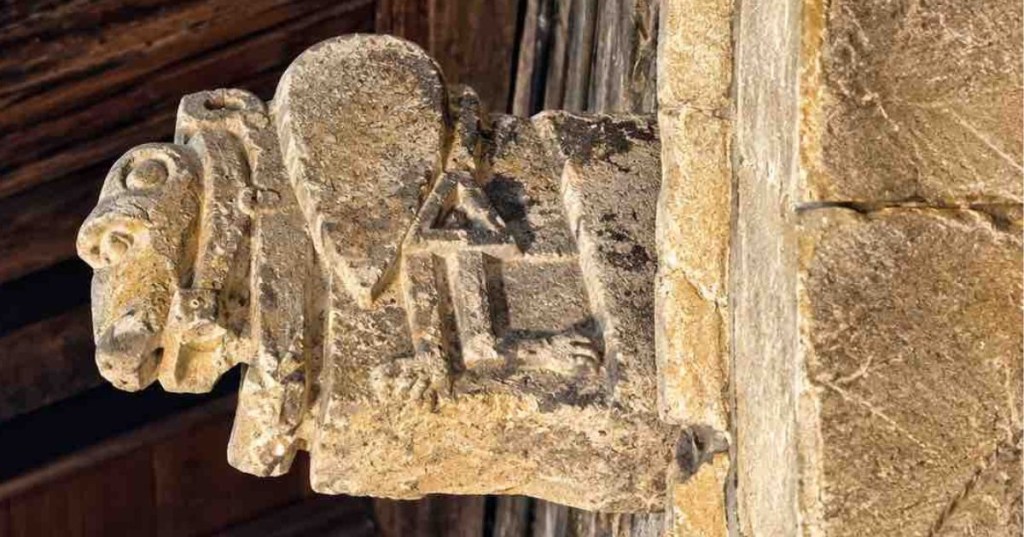
Modern conservation documentation explicitly notes that Lower Tysoe acquired the name because its lands were held by the Knights Templar of Balsall.
The Templar estate appears to have originated from land associated with the great feudal estates of the Stafford and Clinton families.
Later tradition credits Robert de Stafford and Henry de Clinton with grants comprising several hides of land.
The holding was substantial enough to give its name permanently to the settlement.
After the Templar suppression it passed, with much of the Balsall estate, into the hands of the Knights Hospitaller.
Temple Tysoe therefore provides one of the strongest surviving reminders that the influence of Temple Balsall extended well beyond the immediate neighbourhood of the preceptory.
How the Estates Worked Together
The importance of these properties becomes clearer when they are viewed collectively.
Temple Balsall was effectively the centre of an agricultural network.
One manor might specialise in grain.
Another provided pasture.
Another possessed woodland.
Another provided rents.
Another provided a mill.
Sherbourne provided both land and ecclesiastical income.
Warwick offered mills and urban or suburban property.
Cubbington possessed demesne land and woodland.
Wolvey combined agricultural land with a mill and fishpond.
Studley provided land, rents and mills.
Tysoe and Harbury added extensive agricultural resources.
These assets were not valuable merely because the Templars owned large quantities of land.
Their real value came from integrated management.
Animals, produce, money and manpower could be moved around the estate.
Grain was processed at mills.
Fruit could be collected and processed.
Livestock could be bred at one estate and pastured elsewhere.
Rents were collected from tenants.
Surpluses could be sold.
The resulting income helped support both the English organisation of the Temple and the wider international mission of the Order.
The Suppression of the Templars
The system came to an abrupt end in January 1308, when King Edward II ordered the arrest of the Templars in England.
Royal officials descended on the Order’s houses and created inventories of their property.
These records are now among the most important surviving sources for understanding everyday Templar life.
Professor Helen Nicholson has shown that the inventories, accounts and debt records compiled between 1308 and 1313preserve extraordinary evidence of buildings, servants, religious practice, agriculture, pensions, debts and local relationships.
The records demonstrate that Templar houses such as Balsall were deeply embedded within surrounding society.
They employed local people.
They owed and received money.
They bought and sold agricultural produce.
They supported elderly servants.
They maintained priests.
They dealt with neighbouring monasteries and landowners.
Far from existing as secretive communities cut off from society, they were an integral part of the medieval rural economy.
The papacy formally suppressed the Order in 1312.
Its estates were theoretically assigned to the Knights Hospitaller of St John of Jerusalem, although transfer on the ground could be slow and contested.
At Balsall, descendants of the de Mowbray family asserted rights over the property before the Hospitallers eventually secured possession.
Temple Balsall under the Knights Hospitaller
Under the Hospitallers, Balsall remained an important estate.
The great survey of their English possessions carried out for Prior Philip de Thame in 1338 provides an invaluable snapshot.
At that date Balsall was headed by:
Brother Henry de Buckston — commander
assisted by:
Brother Simon Dyseny — knight
and
Brother John de Sprottelee — serving brother.
Two secular chaplains celebrated Mass.
The household also included servants such as a cook, baker, porter, steward and other attendants.
Later Balsall became associated administratively with the Hospitaller commandery at Grafton.
Eventually the manor was leased to lay farmers rather than occupied permanently by a commander.
Yet the estate created by the Knights Templar continued to function long after the Templars themselves had disappeared.
What Remains Today?
Temple Balsall is exceptional because elements of the medieval Templar landscape can still be read on the ground.
The most important survival is the Old Hall, containing medieval structural fabric associated with the Templar preceptory.
Beside it stands the magnificent Church of St Mary, while archaeological evidence beneath and around the present buildings preserves earlier phases of the religious complex.
The earthworks of:
- fishponds;
- the millpond;
- precinct boundaries;
- buried domestic structures;
- agricultural buildings;
- wells;
- drainage systems;
all contribute to the survival of an extraordinarily complete medieval estate landscape.
Historic England consequently regards Temple Balsall as one of the better-preserved Templar preceptory sites in Britain.
The Wider Warwickshire Templar Landscape
The real importance of Temple Balsall becomes apparent only when we stop looking at the preceptory in isolation.
A medieval brother standing at Balsall belonged to an organisation whose influence stretched across much of Warwickshire.
To the north lay holdings at Chilvers Coton and Wolvey.
To the east were properties around Cubbington and Radford Semele.
To the south and south-east lay Harbury, Tysoe, Sherbourne, Newbold Pacey and other smaller estates.
At Studley the Order possessed land and mills.
At Warwick stood the remains of its earlier county base and valuable milling interests.
Smaller plots, rents, woods, churches and tenements filled the spaces between.
The result was not one single estate but a network.
Temple Balsall sat at its centre.
Conclusion
The Knights Templar of Temple Balsall were monks and warriors, but their Warwickshire history cannot be understood simply through crusades and battles.
Their daily world was one of:
fields, sheep, cattle, horses, tenants, mills, rents, woods, carpenters, bakers, priests, servants and estate accounts.
From the great hall at Balsall, generations of commanders and brothers oversaw a dispersed collection of properties which stretched across Warwickshire.
The produce of a field at Radford Semele, the rent of a tenant at Cubbington, grain ground in a Studley mill, revenues from Sherbourne church or income from a Warwick mill all ultimately belonged to the same remarkable organisation.
Among those estates stood Temple Balsall — the administrative heart of the Warwickshire Temple.
More than seven centuries after the Templars disappeared, its hall, church, earthworks, ponds, place-names and documentary records still allow us to reconstruct one of the most complete Templar landscapes in medieval England.
Principal Warwickshire properties connected with the Temple Balsall administration
Secure or strongly documented Templar possessions: Temple Balsall; Warwick/Temple Park; Sherbourne and its church and mill; Studley and its mills; Cubbington; Wolvey; Chilvers Coton; Radford Semele; Harbury; Temple Herdewyke/Hardwick; Lower or Temple Tysoe; Newbold Pacey.
Properties appearing in broader Templar estate lists but requiring further reconstruction of the exact grant:Chesterton; Morton/possibly Moreton; Edstone and other scattered Warwickshire lands.
Locations requiring particular caution before publication as a complete Templar manor: Hunningham; the exact identification of Washford Mill with one of the documented Studley mills; the precise medieval mill at Chesterton; and the exact identity of the Morton holding with modern Moreton Morrell.
These distinctions are important because the Knights Templar did not need to own an entire village or manor in order to possess a valuable estate there. In many places their property consisted instead of individual fields, messuages, mills, rents, woodland or ecclesiastical rights — all of which could nevertheless be administered as part of the much larger Temple Balsall estate.
Learn More about the Knights Hospitallers in the UK on our main website by clicking here
Check Out out Knights Gift Store for your replica Knights Templar, Hospitaller and Order of St Lazarus Armour, weapons clothes & gifts by clicking here

